Les ruelles du village
Les rues sinueuses et couvertes de Mesta n'étaient pas seulement charmantes.
L'histoire complète se débloque dans le tour
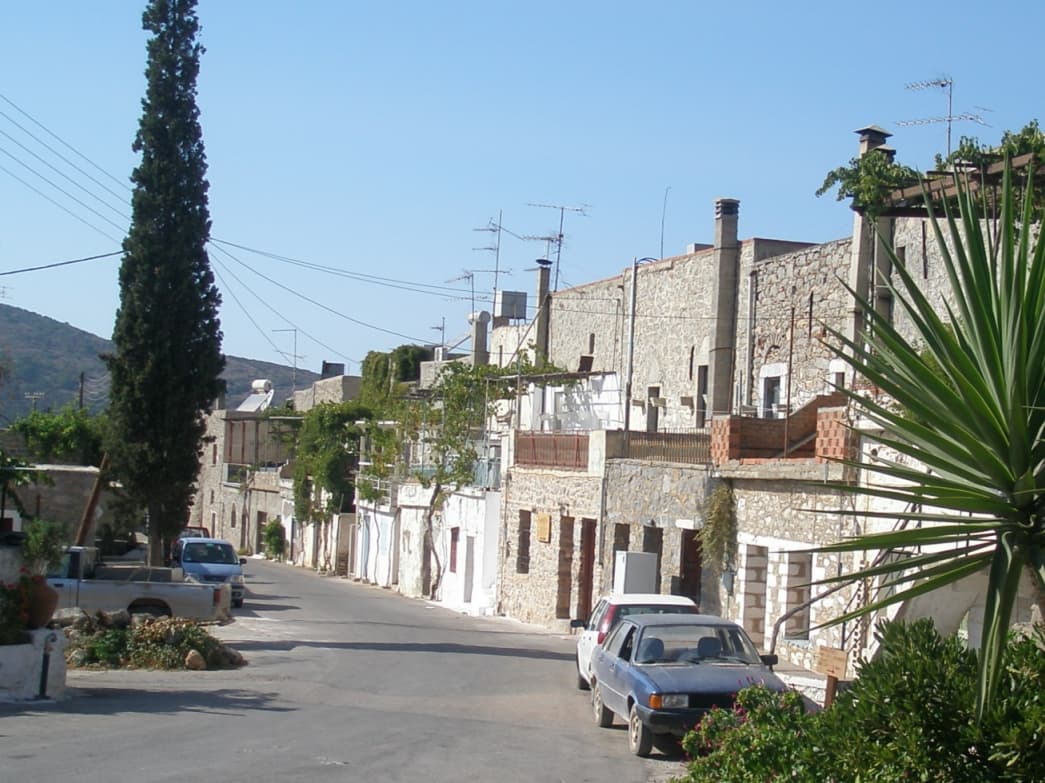 Kostisl / Public domain, via Wikimedia Commons
Visite audio autoguidée de Mesta — parcours GPS à pied, lecture hors ligne, narration en 32 langues.
“Entrez dans un labyrinthe de pierre vivant, où les défenses médiévales rencontrent le parfum du mastic.”
Pas les cartes postales. Les histoires que même les habitants ignorent — soufflées à l'oreille, là où elles se sont passées.
Les rues sinueuses et couvertes de Mesta n'étaient pas seulement charmantes.
Les maisons du périmètre de Mesta sont construites d'une manière inhabituelle.
Chaque saison de Carnaval, Mesta accueille un événement théâtral unique et historique.
Découvrez tous les secrets de Mesta
Chaque adresse, chaque révélation en entier — dans ton oreille, là où elle s'est passée.
Tu choisis tes lieux. Tu marches. La voix te révèle ce que les autres ignorent.
Votre visite audioguidée de Mesta vous attend — choisissez vos lieux, votre langue, et lancez-vous dès votre arrivée.
AcheterLume intègre un guide en réalité augmentée. Levez votre téléphone : sa caméra montre la rue devant vous, avec une flèche lumineuse posée sur l'image réelle qui pointe toujours vers votre prochain arrêt — aucune carte à déchiffrer, aucun mauvais virage. Comme tout dans Lume, ça fonctionne entièrement hors-ligne.
Mesta, sur l'île grecque de Chios, est un village médiéval méticuleusement préservé qui transporte les visiteurs à l'époque byzantine. Classé monument protégé, son architecture distinctive le distingue, ressemblant davantage à un château fortifié qu'à un village typique. Le village est l'un des célèbres 'Villages du Mastic' du sud de Chios, une zone reconnue par l'UNESCO pour sa production unique de mastic et son caractère médiéval.
Explorer Mesta est une expérience de découverte, avec ses rues étroites en pierre souvent couvertes d'arches, formant un labyrinthe captivant. Cette conception complexe, ainsi que les maisons construites très près les unes des autres pour former un mur extérieur protecteur, témoignent d'une histoire façonnée par la nécessité de se défendre contre les raids de pirates. Au-delà de ses merveilles architecturales, Mesta offre une atmosphère tranquille, invitant les visiteurs à flâner dans ses ruelles, à découvrir ses charmantes places et à apprécier les traditions durables de ses habitants.
Les origines de Mesta remontent au XIIe siècle, à l'époque byzantine. Le village a été stratégiquement conçu comme une forteresse, en réponse à la menace persistante des attaques de pirates qui sévissaient dans la mer Égée. On pense que le nom même de 'Mesta' dérive du mot grec 'mesti', signifiant 'mûr' ou 'savant', reflétant la sage décision des villageois de se consolider en une colonie bien fortifiée.
L'architecture défensive du village est une caractéristique distinctive. Les maisons étaient construites côte à côte, créant un mur extérieur continu et ininterrompu qui servait de défense principale au village, avec un minimum de fenêtres donnant sur l'extérieur. Des tours circulaires à chacun des cinq coins du village renforçaient encore son imprenabilité. Les rues étroites, souvent couvertes, forment un labyrinthe déroutant, intentionnellement conçu pour désorienter et piéger les envahisseurs. Cette disposition ingénieuse s'est avérée efficace, Mesta ayant résisté avec succès aux canons des pirates et même au tremblement de terre dévastateur de 1881 qui a détruit une grande partie de Chios.
Pendant l'occupation génoise de Chios (1346-1566), les fortifications de Mesta furent encore renforcées. Les Génois reconnurent l'importance stratégique du village, notamment en raison de sa proximité avec Limenas, un port qui offrait un refuge sûr contre les adversaires turcs. La signification durable de Mesta était également liée au mastic, une résine d'arbre unique récoltée à Chios depuis au moins 2 500 ans. Le mastic était une denrée très prisée, utilisée pour tout, de la médecine au chewing-gum, faisant des villages producteurs de mastic, y compris Mesta, des cibles fréquentes pour ceux qui cherchaient à voler ce produit précieux. Sous la domination turque (1566-1912), les villages du mastic bénéficièrent de privilèges spéciaux en raison de la demande de mastic de l'aristocratie ottomane.
La guerre d'indépendance grecque en 1822 apporta d'immenses difficultés à Chios, y compris le tragique massacre de Chios, qui vit de nombreux villageois tués ou réduits en esclavage. Malgré ces défis, la communauté résiliente de Mesta a continué à préserver ses traditions du XIVe siècle, qui sont encore évidentes aujourd'hui.
Se promener dans Mesta est une expérience en soi, avec ses ruelles labyrinthiques en pierre et ses passages voûtés invitant à l'exploration. Le village est entièrement piétonnier, permettant des promenades paisibles. La place centrale, connue sous le nom de 'Livadi' (prairie) par les habitants, est un centre d'activité avec des tavernes et des cafés.
Parmi les monuments les plus importants de Mesta figure l'église Taxiarchis, dédiée aux archanges Michel et Gabriel. Cette impressionnante église, l'une des plus grandes de Chios, a été construite en 1868 sur le site de l'ancienne tour du château central du village. Son intérieur abrite des décorations complexes, et la cour pavée et le clocher, construits avec de la pierre du village de Thymiana, sont des caractéristiques notables. L'ancienne église Taxiarchis, datant d'environ 1412, est le plus ancien monument de Mesta, avec une iconostase en bois de 1833.
D'autres églises dans le village comprennent les chapelles de Sainte Paraskevi et Saint George, Sainte Paraskevi conservant notamment des fresques qui ont survécu au massacre de 1822. Au-delà des murs du village, vous trouverez l'église de Saint Nektarios près du cimetière.
Pour un aperçu de la vie locale, cherchez les loukoumades traditionnels (beignets avec des garnitures grecques) dans des endroits comme Kanellos Donuts. Mesta est également connue pour son vin unique, le 'Mestousiko', et la 'souma', une boisson distillée puissante à base de figues et de raisins.
Les périodes les plus agréables pour visiter Mesta sont le printemps (avril à juin) et l'automne (septembre à octobre). Pendant ces mois, le temps est chaud et confortable, et le village connaît moins de foule que la haute saison estivale. Juillet et août sont les mois les plus chauds, avec des températures diurnes atteignant environ 30°C (86°F), mais ce sont aussi les plus fréquentés. De nombreuses entreprises locales, y compris les tavernes et les cafés, sont ouvertes entre avril et octobre, certaines fermant pendant les mois d'hiver.
Mesta est situé à environ 35 kilomètres au sud-ouest de Chios-ville. Bien qu'une voiture de location offre la plus grande flexibilité pour explorer Chios et ses environs, il existe un service de bus public reliant Mesta à Chios-ville. Le trajet en bus dure environ 50-55 minutes et fonctionne deux fois par jour en semaine. Un parking est disponible sur un terrain municipal juste à l'extérieur des murs du village, car les voitures ne sont pas autorisées dans les rues médiévales piétonnes de Mesta.
À l'intérieur du village, les rues en pierre peuvent être inégales, il est donc fortement recommandé de porter des chaussures de marche confortables. Bien que Mesta offre une évasion tranquille, il est conseillé de réserver les hébergements et les restaurants populaires à l'avance, surtout en haute saison. Des ferries relient le port de Mesta (Limenas) à d'autres îles comme Lesbos et aux ports continentaux tels que le Pirée et Lavrio.
Mesta en coréen, en chinois ou en hébreu — et dans 29 autres langues, chaque étape narrée par une voix native. La plus large gamme de langues de tous les audioguides autoguidés.
Disponible en :