Foso de la Fortaleza Rocca Roveresca
Más allá de las formidables murallas de la fortaleza de Mondavio, una sorprendente colección espera en lo que alguna vez fue un foso defensivo.
La historia completa se desbloquea en el tour
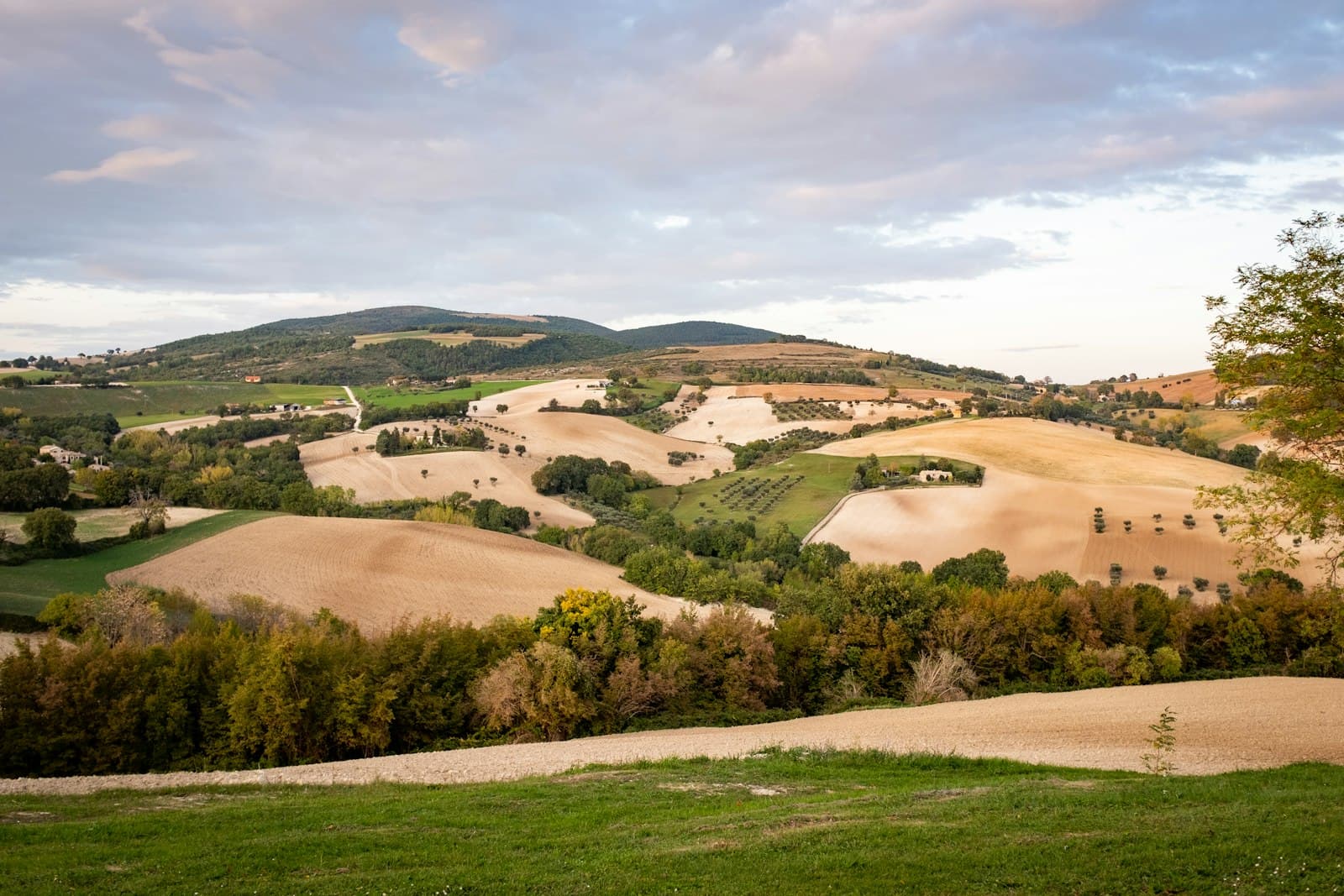 Photo: Bernard Hermant / Unsplash
Tour de audio autoguiado de Mondavio — ruta GPS a pie, reproducción offline, narración en 32 idiomas.
“Donde la fuerza del Renacimiento se une al encanto de un pueblo tranquilo, inalterado por el tiempo.”
No las postales. Las historias que ni los locales conocen — al oído, justo donde ocurrieron.
Más allá de las formidables murallas de la fortaleza de Mondavio, una sorprendente colección espera en lo que alguna vez fue un foso defensivo.
Adéntrate en la imponente fortaleza de Mondavio y encontrarás más que solo habitaciones vacías.
El modesto tamaño de Mondavio esconde un gran secreto artístico dentro de sus muros.
Descubre todos los secretos de Mondavio
Cada dirección, cada revelación al completo — a tu oído, justo donde ocurrió.
Eliges tus paradas. Caminas. La voz te revela lo que los demás ignoran.
Tu tour de audioguía por Mondavio te espera — elige tus lugares, tu idioma y empieza al llegar.
ComprarLume incluye una guía de realidad aumentada. Levanta el móvil y su cámara muestra la calle que tienes delante, con una flecha luminosa sobre la imagen real que siempre apunta a tu próxima parada — sin mapas que descifrar, sin giros equivocados. Como todo en Lume, funciona completamente sin conexión.
Mondavio, una ciudad medieval bellamente conservada, ofrece un viaje en el tiempo, situada en una colina en la región italiana de Le Marche. Es un lugar donde la grandeza de la arquitectura militar renacentista se encuentra con el atractivo tranquilo de la auténtica vida de pueblo italiano, lejos de los caminos turísticos más transitados. Reconocida como uno de los 'Pueblos más Bonitos de Italia' y galardonada con la Bandera Naranja por el Touring Club Italiano, Mondavio es un testimonio de siglos de historia, arte y cultura.
Su centro histórico, dominado por la imponente fortaleza Rocca Roveresca, está encerrado dentro de murallas medievales. Se invita a los visitantes a pasear por calles estrechas y sinuosas y descubrir encantadoras plazas, junto con vistas panorámicas de la campiña circundante. La estratégica posición de la ciudad en la cima de una colina entre los ríos Metauro y Cesano la convirtió en una fortaleza vital, y hoy ofrece vistas panorámicas desde las montañas hasta el mar Adriático.
La historia de Mondavio comienza mucho antes de su monumento más famoso. Documentos indican un asentamiento con nombre ya en 1178, y aparece en el registro del Vaticano desde 1289. Se cree que el nombre de la ciudad, derivado de 'Mons Avium' o 'monte de los pájaros', sugiere la belleza natural que durante mucho tiempo ha definido la zona.
Durante siglos, Mondavio se encontró en la encrucijada de las luchas de poder en el centro de Italia, bajo el dominio de influyentes familias como los Malatesta, della Rovere y Piccolomini. Este período de contención constante llevó a la construcción de sus formidables defensas. En 1474, Mondavio pasó a ser propiedad de Giovanni della Rovere, quien encargó al ingenioso arquitecto sienés Francesco di Giorgio Martini la construcción de la Rocca Roveresca.
Erigida entre 1482 y 1492, la Rocca Roveresca es una obra maestra de la arquitectura militar renacentista. Su diseño revolucionario, con una torre principal octogonal de cinco pisos y enormes baluartes, fue tan efectivo que la fortaleza nunca sufrió un solo ataque ni disparó un tiro en defensa. Esta notable preservación permite a los visitantes de hoy experimentar una fortaleza del siglo XV casi intacta. Hasta 1631, Mondavio siguió formando parte del Ducado de Urbino antes de pasar finalmente a los Estados Pontificios, siguiendo su destino hasta la Unificación de Italia. Hoy en día, su centro histórico bien conservado, con sus murallas, palacios e iglesias, sigue narrando el pasado estratégico de la ciudad.
La principal atracción de Mondavio es, sin duda, la Rocca Roveresca, una fortaleza del siglo XV notablemente conservada. Explora su torre principal de cinco pisos, pasea por las murallas y adéntrate en el 'museo viviente' en su interior, donde figuras de cera representan la vida renacentista, incluyendo un festivo banquete e incluso una cámara de tortura. El foso exterior presenta réplicas de máquinas de guerra del siglo XVI.
Justo debajo de la plaza principal, la Iglesia de San Francisco ofrece una visión del patrimonio religioso de la ciudad, y desde su claustro, se puede acceder al Museo Cívico, que alberga una colección de pinturas y artefactos religiosos. La Insigne Collegiata di San Pietro e Paterniano, reconstruida en el siglo XVI, contiene varias obras de arte.
Para un interludio cultural, visita el íntimo Teatro Apollo, un encantador teatro de ópera de principios del siglo XVII que todavía está en uso hoy en día. Pasea por el pequeño y encantador centro histórico de la ciudad, encerrado dentro de sus murallas medievales, y disfruta de un café o aperitivo en la plaza principal, Piazza della Rovere, con vistas al castillo. El Palazzo Municipale, o ayuntamiento, también alberga tesoros artísticos, incluyendo frescos y un museo del traje en su sótano.
Mondavio es un destino encantador durante gran parte del año, y cada estación ofrece un atractivo diferente. Las mejores épocas para visitar son generalmente la primavera (abril-junio) y el otoño (septiembre-octubre). Durante estos meses, el clima es agradable para caminar y explorar, el campo está lleno de flores o colores de cosecha, y hay menos multitudes.
El verano (julio-agosto) trae temperaturas más cálidas pero también un ambiente animado con festivales y recreaciones históricas, como el 'Palio della Rocca' y la 'Caccia al Cinghiale Festa' (Festival de la Caza del Jabalí), que tienen lugar en agosto. Incluso el invierno ofrece una experiencia auténtica de la tranquila vida del pueblo.
Mondavio se encuentra en el norte de Le Marche, aproximadamente a 70 kilómetros (43 millas) de Ancona, un viaje de aproximadamente una hora. La forma más conveniente de llegar a Mondavio y explorar la campiña circundante es en coche, ya que el transporte público puede ser poco frecuente. Los aeropuertos principales más cercanos son el Aeropuerto de Ancona Falconara (a aproximadamente una hora) y el Aeropuerto de Bolonia (a unas dos horas). Para aquellos que dependen del transporte público, los trenes circulan a lo largo de la costa adriática hasta estaciones como Fano y Senigallia, desde donde necesitarían tomar un autobús o taxi.
Hay aparcamiento disponible en las afueras de la ciudad, ya que el centro histórico es una zona de tráfico restringido. Dentro del pueblo, encontrarás algunas tiendas, bares y restaurantes. Considera alojarte en el Hotel La Palomba, que ofrece un buen restaurante y piscina justo debajo del castillo, o en el Apartamento Mondavio, un espacioso palazzo en el centro histórico.
Mondavio en coreano, en chino o en hebreo — y 29 idiomas más, cada parada narrada por una voz nativa. La mayor variedad de idiomas de cualquier audioguía autoguiada.
Disponible en: