Les Jacquemarts de l'Église Saint-Martin
Deux figures en bois marquent les heures à Nolay depuis plus de 400 ans.
L'histoire complète se débloque dans le tour
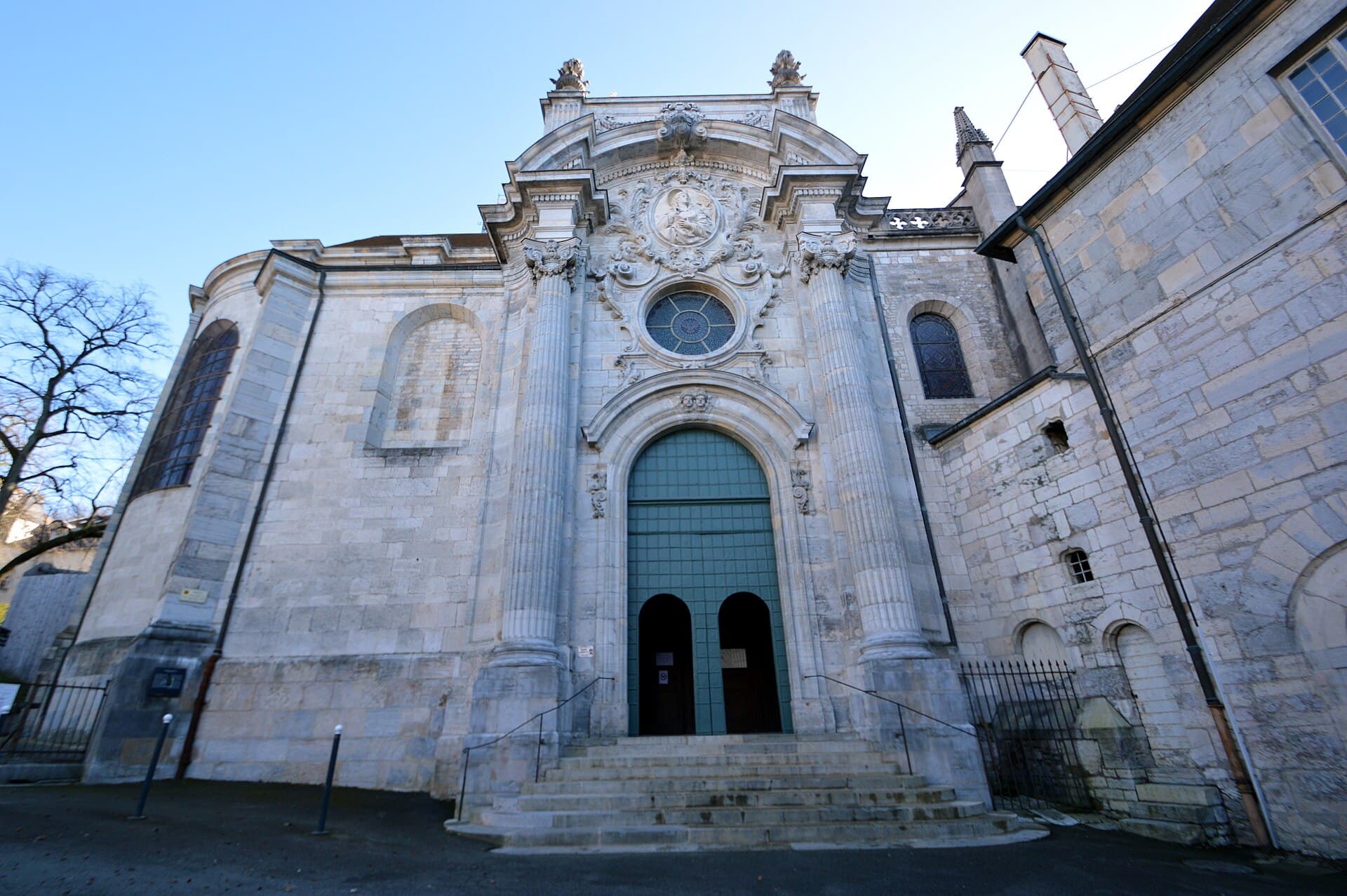 Wikipedro / cc by-sa 4.0, via Wikimedia Commons
Visite audio autoguidée de Nolay — parcours GPS à pied, lecture hors ligne, narration en 32 langues.
“Là où les pierres ancestrales racontent des histoires d'ingéniosité et de révolution.”
Pas les cartes postales. Les histoires que même les habitants ignorent — soufflées à l'oreille, là où elles se sont passées.
Deux figures en bois marquent les heures à Nolay depuis plus de 400 ans.
Une maison particulière du XVIe siècle à Nolay présente une influence architecturale inattendue.
Un court trajet depuis Nolay mène à un amphithéâtre naturel spectaculaire au nom évocateur.
Découvrez tous les secrets de Nolay
Chaque adresse, chaque révélation en entier — dans ton oreille, là où elle s'est passée.
Tu choisis tes lieux. Tu marches. La voix te révèle ce que les autres ignorent.
Votre visite audioguidée de Nolay vous attend — choisissez vos lieux, votre langue, et lancez-vous dès votre arrivée.
AcheterLume intègre un guide en réalité augmentée. Levez votre téléphone : sa caméra montre la rue devant vous, avec une flèche lumineuse posée sur l'image réelle qui pointe toujours vers votre prochain arrêt — aucune carte à déchiffrer, aucun mauvais virage. Comme tout dans Lume, ça fonctionne entièrement hors-ligne.
Nolay, ville médiévale du département de la Côte-d'Or en France, se niche entre les vignobles des Hautes Côtes de Beaune et la lisière du Morvan, à environ 60 kilomètres de Dijon et 18 kilomètres de Beaune. Sa position à la convergence des régions agricoles et viticoles a contribué à sa prospérité au fil des siècles. La ville se distingue par son architecture médiévale bien préservée, notamment ses maisons à colombages et son marché couvert du XIVe siècle couronné d'un toit distinctif en dalles de pierre.
Les visiteurs peuvent flâner dans les rues piétonnes de Nolay, découvrant d'anciennes maisons de marchands, des galeries d'art et des cafés. La ville sert également de point de départ pour explorer la splendeur naturelle environnante, avec des falaises calcaires et des vignobles qui façonnent le paysage. Nolay est reconnue comme une 'Station Verte', une désignation pour le tourisme durable, et offre une fusion d'attrait historique et d'activités de plein air.
De ses débuts gallo-romains à son présent animé, Nolay invite à l'exploration, révélant des couches d'histoire et une culture locale dynamique. L'atmosphère authentique de la ville est encore enrichie par ses nombreux événements et festivités organisés tout au long de l'année, des célébrations viticoles aux visites nocturnes théâtrales.
L'histoire de Nolay remonte à la préhistoire, avec des preuves trouvées dans le mégalithe de Champain. Un camp romain et les noms de deux montagnes voisines, le Mont Rome et le Mont Reme, faisant allusion à Romulus et Rémus, suggèrent une présence humaine continue. Saint Martin aurait traversé la région en 376.
La croissance de la ville a véritablement commencé au Moyen Âge, sa position centrale en faisant un important centre commercial entre Autun et Beaune. En 1388, Guillaume d'Estrabonne commanda la construction de l'impressionnante halle couverte pour encourager l'activité commerciale et accueillir de nombreuses foires. Ce bâtiment de 450 mètres carrés est un exemple de l'architecture bourguignonne avec sa robuste charpente en chêne et son imposant toit de lauzes, pesant environ 600 kg par mètre carré. Autour du marché, plusieurs maisons à colombages du Moyen Âge subsistent.
Au XVIe siècle, la distinctive Maison à Bossages, avec sa façade d'inspiration florentine, fut construite. L'église Saint-Martin voisine, partiellement reconstruite aux XVIe ou XVIIe siècles, reçut ses célèbres jacquemarts, Jacquot et Jacquotte, des automates qui continuent de marquer les heures. Nolay a également une signification à l'ère moderne en tant que lieu de naissance de Lazare Carnot en 1753. Mathématicien, scientifique et général, Carnot a gagné le titre d''organisateur de la victoire' pour les armées de la Révolution française, et une statue en son honneur se dresse devant sa maison natale. Son fils, Nicolas Sadi Carnot, un brillant scientifique, a découvert les principes de la thermodynamique, et son petit-fils, Sadi Carnot, est devenu plus tard Président de la République. Les XIXe et XXe siècles ont vu Nolay connaître un développement industriel, avec divers commerces, artisans, une brasserie, une fabrique de saucisses, et des usines spécialisées dans les équipements de tuilerie et la médecine.
Commencez votre exploration aux Halles de Nolay du XIVe siècle, un magnifique marché couvert avec un toit en dalles de pierre et une impressionnante charpente en chêne. Il continue d'accueillir des foires aujourd'hui. De là, flânez dans les rues piétonnes pour admirer les maisons médiévales à colombages, y compris la Maison à Bossages avec sa façade florentine unique, et les anciennes boutiques en pierre construites sur des caves. L'Église Saint-Martin, datant du XVe siècle, présente une flèche gothique de 38 mètres de haut et un campanile abritant les jacquemarts en bois, Jacquot et Jacquotte, qui marquent les heures depuis plus de 400 ans. Ne manquez pas de voir la Chapelle Saint-Pierre du XVIe siècle, remarquable par son clocher à bulbe.
Au-delà du centre-ville, le Cirque du Bout du Monde offre une étendue naturelle spectaculaire de falaises calcaires et une cascade, idéale pour les randonneurs et les amoureux de la nature. Vous pouvez également explorer la Voie Verte des Vignes à pied ou à vélo, qui serpente à travers les vallées, les vignobles et les villages charmants en direction de Santenay ou Autun. Pour ceux qui s'intéressent à l'histoire locale, visitez la maison natale de Lazare Carnot, une figure éminente de la Révolution française.
La période la plus agréable pour visiter Nolay et profiter des activités par temps chaud s'étend de fin juin à début septembre. Pendant cette période, les températures sont confortables, juillet étant le mois le plus chaud, avec une moyenne de 24°C (75°F). Le ciel est le plus clair en juillet, et les conditions humides sont rares tout au long de l'année. Bien que mai connaisse les précipitations les plus élevées, août offre moins de jours humides, ce qui en fait un choix favorable pour les activités de plein air. Nolay est animée presque toute l'année avec divers événements et festivités, donc même en dehors de la haute saison estivale, il y a souvent quelque chose à faire.
Nolay est située dans le département de la Côte-d'Or en Bourgogne, à environ 18 kilomètres de Beaune et 60 kilomètres de Dijon. Bien qu'il existe une gare à Nolay, les visiteurs arrivent souvent en voiture, car cela offre une plus grande flexibilité pour explorer les vignobles et les sites naturels environnants. La ville est facilement accessible via les principales autoroutes. Pour des itinéraires de randonnée détaillés et des informations locales, l'Office de Tourisme de Nolay est une ressource précieuse, proposant des topo-guides et des informations sur les visites guidées. Une visite audio de Nolay est également disponible via l'application mobile "Balades en Bourgogne", offrant des aperçus de l'histoire et des monuments de la ville. Les hébergements vont des hôtels et chambres d'hôtes aux locations de vacances et campings dans les environs.
Nolay en coréen, en chinois ou en hébreu — et dans 29 autres langues, chaque étape narrée par une voix native. La plus large gamme de langues de tous les audioguides autoguidés.
Disponible en :