L'orgue Arp Schnitger de l'église Ludgeri
À l'intérieur d'une église du XIIIe siècle, un chef-d'œuvre musical de 1619 recèle le secret de sa sonorité durable.
L'histoire complète se débloque dans le tour
 BangertNo / CC BY-SA 3.0, via Wikimedia Commons
Visite audio autoguidée de Norden — parcours GPS à pied, lecture hors ligne, narration en 32 langues.
“Là où les anciennes traditions de la Frise orientale rencontrent le rythme de la mer du Nord.”
Pas les cartes postales. Les histoires que même les habitants ignorent — soufflées à l'oreille, là où elles se sont passées.
À l'intérieur d'une église du XIIIe siècle, un chef-d'œuvre musical de 1619 recèle le secret de sa sonorité durable.
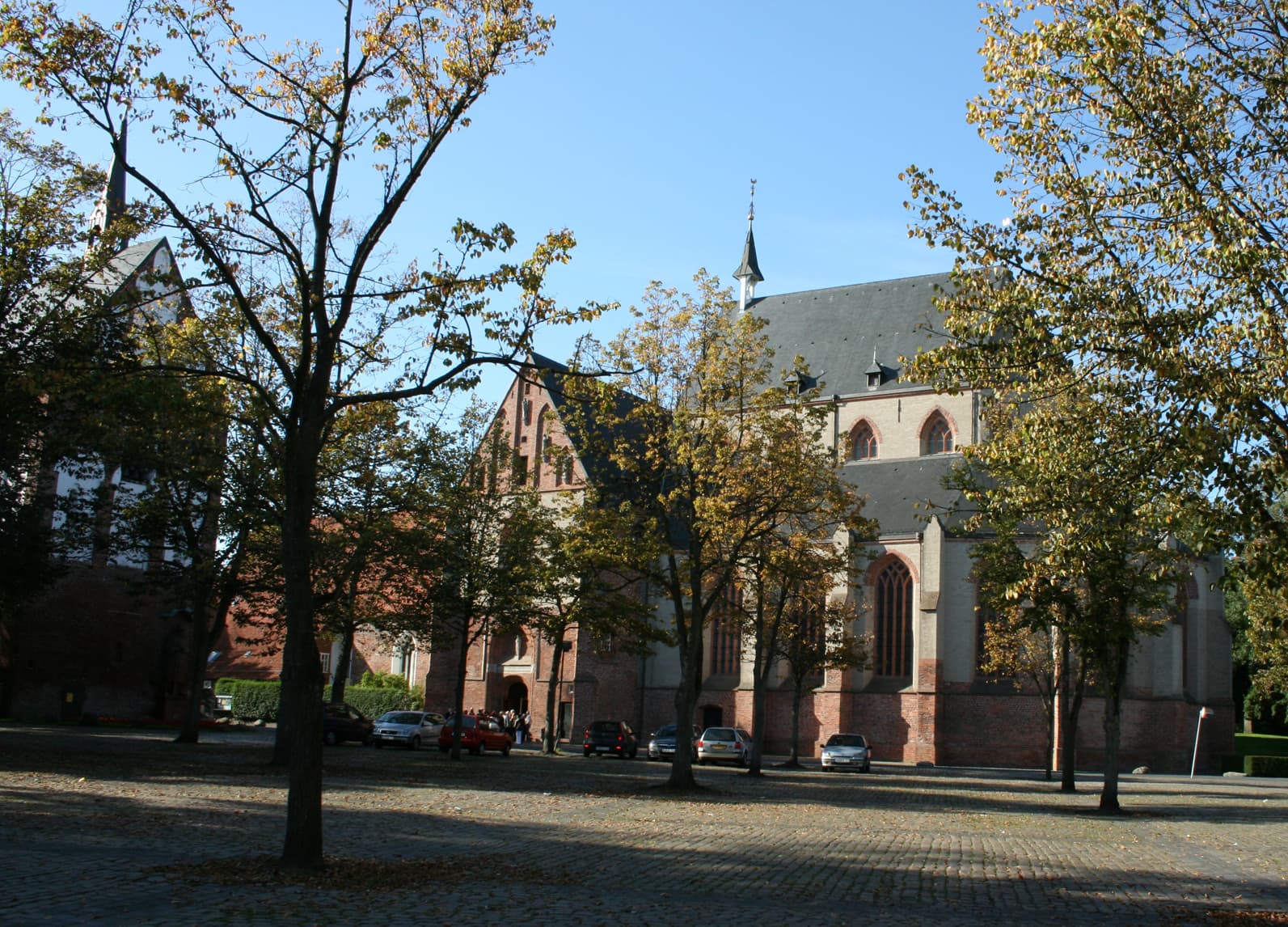
L'une des plus grandes places de marché du nord de l'Allemagne n'est pas seulement un espace ouvert ; c'est un parc vivant et respirant.
One of Northern Germany's largest market squares is not just open space; it is a living, breathing park.
Découvrez tous les secrets de Norden
Chaque adresse, chaque révélation en entier — dans ton oreille, là où elle s'est passée.
Tu choisis tes lieux. Tu marches. La voix te révèle ce que les autres ignorent.


Votre visite audioguidée de Norden vous attend — choisissez vos lieux, votre langue, et lancez-vous dès votre arrivée.
AcheterLume intègre un guide en réalité augmentée. Levez votre téléphone : sa caméra montre la rue devant vous, avec une flèche lumineuse posée sur l'image réelle qui pointe toujours vers votre prochain arrêt — aucune carte à déchiffrer, aucun mauvais virage. Comme tout dans Lume, ça fonctionne entièrement hors-ligne.
Norden, une ville tranquille de Basse-Saxe en Allemagne, offre une évasion paisible au bord de la mer du Nord. C'est un endroit où l'air frais, rafraîchi par le sel, revigore, et où le rythme de vie encourage une exploration tranquille. En tant que l'une des plus anciennes villes de Frise orientale, Norden préserve soigneusement son patrimoine culturel, mêlant rues et traditions anciennes avec le confort moderne.
Les voyageurs sont attirés par Norden pour sa proximité avec le parc national de la mer des Wadden, classé au patrimoine mondial de l'UNESCO, ses musées du thé captivants et ses plages pittoresques parfaites pour les promenades au coucher du soleil. Que vous recherchiez une immersion culturelle ou une relaxation côtière, Norden offre un mélange harmonieux des deux, ce qui en fait une destination idéale pour se détendre et découvrir la culture unique de la Frise orientale.
L'emplacement de la ville sert également de porte d'entrée vers les îles de la Frise orientale de Juist et Norderney, avec des ferries partant du port voisin de Norddeich. Cette connexion aux îles, associée à son importance historique et à sa beauté naturelle, fait de Norden une destination de voyage captivante.
Les découvertes archéologiques suggèrent que la région de Norden est habitée depuis la préhistoire, avec des établissements fixes apparaissant probablement vers le VIe siècle. Le nom de la ville, signifiant « nord » en bas allemand et en néerlandais, reflète sa position géographique. Norden a la particularité d'être l'une des plus anciennes villes de Frise orientale, sa première mention écrite fiable datant de 1255.
Au XIVe siècle, alors que le système de liberté frisonne commençait à décliner, des chefs prirent le pouvoir dans des régions comme le Norderland, construisant des châteaux et affirmant leur autorité. La puissante dynastie Cirksena prit progressivement le contrôle de ces châteaux. Le 14 juin 1463, l'empereur Frédéric III les proclama « Comte de Norden », établissant le comté éphémère de Norden. L'existence de ce comté fut brève, car il fut incorporé au comté de Frise orientale un peu plus d'un an plus tard, le 1er octobre 1464.
La vie économique de Norden était historiquement façonnée par le commerce et un système unique d'utilisation des terres connu sous le nom de Norder Theelacht. Cette communauté coopérative d'agriculteurs est considérée comme l'une des plus anciennes d'Europe, avec des racines remontant potentiellement à une bataille du IXe siècle. La place du marché de la ville, établie comme un centre névralgique, reflète le développement classique d'une ville commerçante prospère.
Le XIXe siècle a apporté des changements significatifs avec l'arrivée du chemin de fer, qui a non seulement facilité la logistique des marchandises, mais a également inauguré l'ère du tourisme de masse, reliant le port continental aux traversées en ferry vers les îles de la Frise orientale. Norden a également acquis une reconnaissance internationale dans l'industrie maritime avec la création d'une station de radio côtière, assurant la sécurité maritime en mer du Nord tout au long du XXe siècle. Dans les années 1970, la fusion administrative avec le village côtier de Norddeich a réorienté l'économie de la ville vers les services et le tourisme de bien-être.
Norden offre une variété d'attractions qui mêlent histoire, culture et nature. L'église Ludgeri, une église de style roman et gothique datant du XIIIe siècle, est un monument central avec un intérieur impressionnant et un orgue Arp Schnitger de 1619 de renommée mondiale.
Le musée du thé de la Frise orientale, situé dans l'ancien hôtel de ville, propose un voyage captivant dans la culture du thé séculaire de la région, avec des expositions sur la culture, le commerce et les cérémonies traditionnelles du thé. À proximité, le musée du chemin de fer côtier de la Frise orientale propose des promenades nostalgiques en train à travers des paysages pittoresques avec des locomotives à vapeur historiques.
Pour les amoureux de la nature, le parc du château de Lütetsburg est l'un des plus beaux jardins paysagers du nord de l'Allemagne, abritant un séquoia rare de plus de 400 ans. Le Waloseum donne vie au monde des baleines et de la mer du Nord, avec un squelette de baleine de 15 mètres de long. Le centre du parc national Seehundstation est un sanctuaire de phoques qui permet aux visiteurs d'observer les animaux marins et d'en apprendre davantage sur la mer des Wadden. De plus, le musée de l'automobile et du jouet présente des voitures anciennes, des motos et des jouets.
À une courte distance en voiture, le moulin de Westgaster est un impressionnant moulin hollandais abritant une galerie. La plage de Norddeich, bordant la mer des Wadden, offre des opportunités de détente, de baignade et de promenades, avec des chaises de plage à louer et une aire de jeux.
Norden connaît un climat maritime tempéré avec des saisons distinctes. La période la plus agréable pour les activités par temps chaud est de début juillet à début septembre, avec des températures moyennes maximales supérieures à 18°C (64°F). Août est généralement le mois le plus chaud, avec des maximales moyennes autour de 21°C (69°F). Bien que les étés soient doux, préparez-vous à des précipitations fréquentes, bien que pas toujours abondantes.
Le printemps (avril-juin) et l'automne (septembre-octobre) sont également considérés comme idéaux, offrant des températures douces et moins de foules. Le printemps apporte des paysages fleuris, tandis que l'automne présente des paysages colorés. Les hivers (décembre-février) sont frais mais généralement doux, avec des températures moyennes supérieures à zéro. Quelle que soit la saison, il est conseillé d'emporter un parapluie ou un imperméable en raison des risques constants de pluie.
Norden se découvre idéalement à pied ou à vélo pour apprécier pleinement son attrait côtier. Les transports en commun à Norden comprennent diverses lignes de bus. La gare de Norden est un carrefour sur la ligne de chemin de fer d'Emsland et dessert également un chemin de fer historique avec des services les dimanches de juin à octobre. Depuis Norden, vous pouvez facilement accéder aux îles de la mer du Nord de Norderney et Juist en ferry depuis Norddeich.
Pour ceux qui arrivent par avion, Norden n'a pas son propre aéroport. Les options les plus proches sont l'aéroport de Groningue Eelde (GRQ) aux Pays-Bas, à environ 67 km, ou l'aéroport de Brême (BRE) en Allemagne, à environ 122 km. Des liaisons ferroviaires depuis les grandes villes allemandes comme Berlin sont disponibles, bien qu'elles puissent impliquer des correspondances. La ville offre un éventail d'hébergements, y compris des hôtels et des locations de vacances. La monnaie locale est l'euro (€), et l'allemand et l'anglais sont couramment parlés.
Norden en coréen, en chinois ou en hébreu — et dans 29 autres langues, chaque étape narrée par une voix native. La plus large gamme de langues de tous les audioguides autoguidés.
Disponible en :