El nombre "São Miguel dos Milagres"
El nombre de la ciudad, que significa "San Miguel de los Milagros", no es solo poético; proviene de una leyenda local que involucra un descubrimiento milagroso.
La historia completa se desbloquea en el tour
 Sitenl / CC BY-SA 4.0, via Wikimedia Commons
Tour de audio autoguiado de São Miguel dos Milagres — ruta GPS a pie, reproducción offline, narración en 32 idiomas.
“Donde la marea esmeralda se encuentra con costas bordeadas de cocoteros, y el tiempo se ralentiza al ritmo del mar.”
No las postales. Las historias que ni los locales conocen — al oído, justo donde ocurrieron.
El nombre de la ciudad, que significa "San Miguel de los Milagros", no es solo poético; proviene de una leyenda local que involucra un descubrimiento milagroso.
Mientras que muchas ciudades costeras brasileñas ofrecen emocionantes paseos en buggy directamente sobre la arena, São Miguel dos Milagres tiene un enfoque diferente.
São Miguel dos Milagres es una parte clave de la 'Ruta Ecológica', una designación que va más allá de la mera marca turística.
Descubre todos los secretos de São Miguel dos Milagres
Cada dirección, cada revelación al completo — a tu oído, justo donde ocurrió.
Eliges tus paradas. Caminas. La voz te revela lo que los demás ignoran.
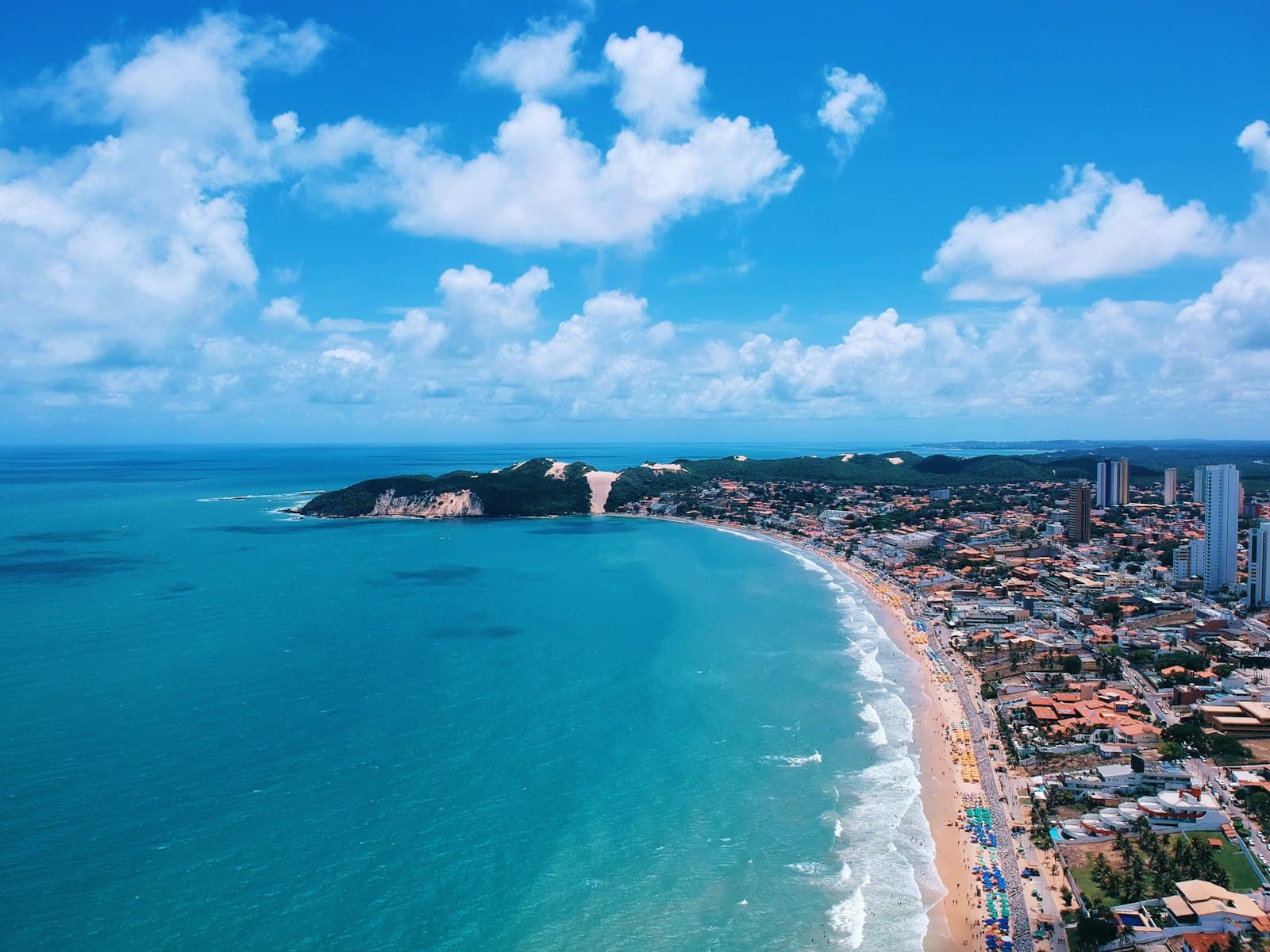
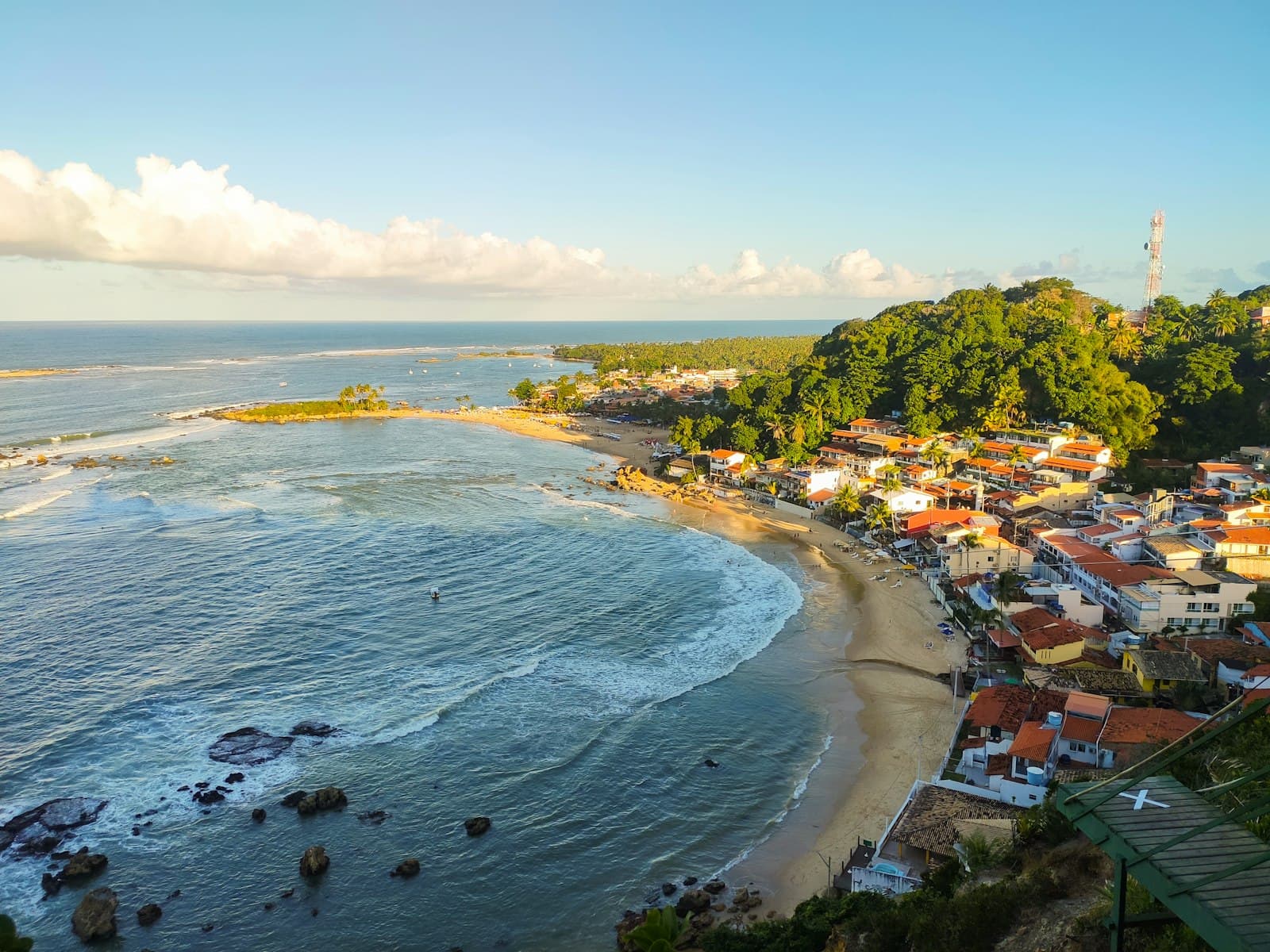
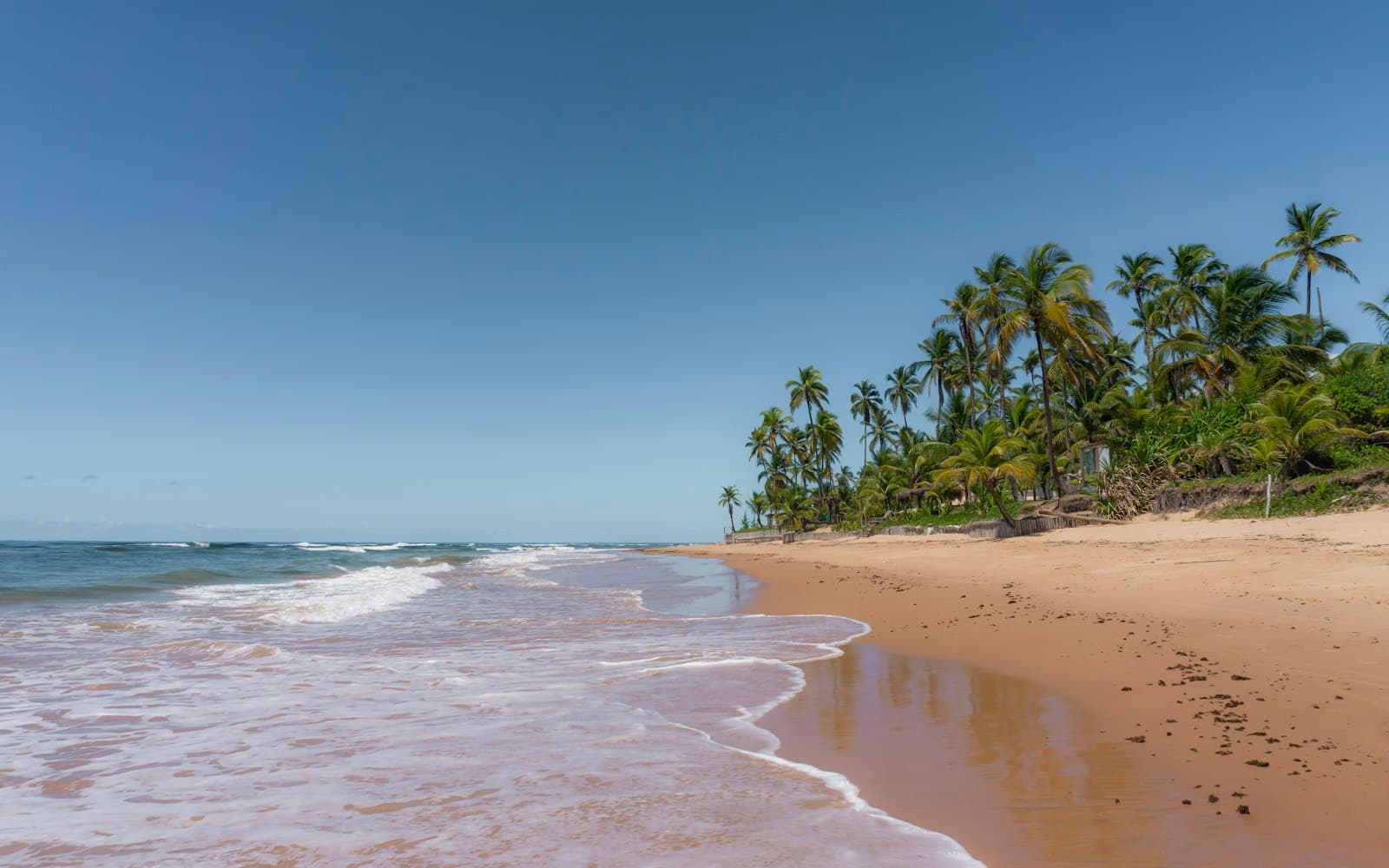
Tu tour de audioguía por São Miguel dos Milagres te espera — elige tus lugares, tu idioma y empieza al llegar.
ComprarLume incluye una guía de realidad aumentada. Levanta el móvil y su cámara muestra la calle que tienes delante, con una flecha luminosa sobre la imagen real que siempre apunta a tu próxima parada — sin mapas que descifrar, sin giros equivocados. Como todo en Lume, funciona completamente sin conexión.
São Miguel dos Milagres, a menudo llamado simplemente "Milagres", es un tranquilo pueblo costero en la costa norte de Alagoas, Brasil. Es un destino que se distingue, conocido por sus playas vírgenes, aguas cristalinas de color verde esmeralda y una atmósfera relajada que prioriza la naturaleza y la cultura local sobre el turismo de masas.
Este pequeño pueblo es una parte central de la "Rota Ecológica", un tramo de costa donde la preservación ambiental es profundamente valorada. Aquí encontrará encantadoras posadas y exclusivas casas de vacaciones en lugar de grandes resorts, lo que fomenta una experiencia de viaje íntima y auténtica. La temperatura promedio durante todo el año oscila entre 25°C y 30°C (77-86°F), lo que garantiza aguas cálidas perfectas para nadar en cualquier estación.
La historia de São Miguel dos Milagres está profundamente entrelazada con su entorno natural y leyendas locales. Se dice que el nombre de la ciudad, que significa "San Miguel de los Milagros", se origina en el descubrimiento de una estatua de San Miguel Arcángel por un pescador local en una playa. Se creía que esta estatua tenía poderes curativos, lo que consolidó la identidad de la ciudad.
Si bien las fechas históricas específicas para el asentamiento inicial están menos documentadas, la historia reciente de la región está en gran parte definida por el establecimiento de la "Rota Ecológica". Esta iniciativa ha sido crucial para convertir a São Miguel dos Milagres en el destino que es hoy. A diferencia de muchas áreas costeras de Brasil en rápido desarrollo, la Ruta Ecológica enfatiza el turismo sostenible y la preservación ambiental. Esto significa un esfuerzo consciente para evitar el desarrollo excesivo, manteniendo la belleza natural y el ritmo tranquilo de la zona.
En las últimas décadas, São Miguel dos Milagres ha ganado reconocimiento como un destino para viajeros que buscan una experiencia más tranquila e íntima, lejos de las multitudes de centros turísticos más grandes como Maceió o Maragogi. La ausencia de grandes cadenas hoteleras y edificios de gran altura es un resultado directo de este compromiso de preservar su encanto auténtico y sus tradiciones locales. Este enfoque en una escapada más exclusiva y aislada lo ha hecho cada vez más popular, especialmente para aquellos que buscan un telón de fondo sereno para bodas íntimas en la playa.
Hoy, São Miguel dos Milagres continúa evolucionando como un destino que equilibra la simplicidad rústica con una infraestructura turística de alta calidad, aunque discreta. Sigue siendo un lugar donde el ritmo del océano y la preservación de sus ecosistemas naturales son primordiales, ofreciendo una visión única de un lado más virgen de la costa noreste de Brasil.
El principal atractivo de São Miguel dos Milagres reside en su belleza natural y el ritmo relajado que ofrece. Las piscinas naturales son un punto culminante, formadas por arrecifes de coral a pocos metros de la costa y reveladas con la marea baja. Estas piscinas cristalinas, típicamente de 50 cm a 1.5 metros de profundidad, son ideales para nadar, flotar y observar la vida marina. Los tours en balsa o en pequeños botes, que suelen durar unas dos horas, llevan a los visitantes a estos lugares donde se pueden ver peces de colores, estrellas de mar y, a veces, pequeñas tortugas.
Más allá de las piscinas, la región ofrece varias playas tranquilas. Praia do Toque es conocida por su arena suave y aguas tranquilas y poco profundas, protegidas por el arrecife, lo que la hace perfecta para un día relajado. Patacho Beach, ubicada a unos 8 kilómetros del centro de la ciudad, también ofrece arena suave y agua tranquila. Puede explorar estas y otras playas desiertas, a menudo bordeadas de cocoteros, en un tour en cuatrimoto, que suele durar de 2 a 3 horas.
La Capilla de los Milagres es otro lugar icónico, reconocida por su arquitectura minimalista con piso de arena, bancos de madera y el mar como telón de fondo. Es un lugar popular para bodas de destino y un lugar sereno para la contemplación. Para una perspectiva diferente, considere el kayak o el stand-up paddleboarding, con alquileres disponibles en Porto da Rua. El área también forma parte de la Costa dos Corais, la segunda barrera de coral más grande del mundo, que ofrece oportunidades para hacer snorkel y buceo para explorar diversos ecosistemas marinos.
São Miguel dos Milagres disfruta de un clima agradable durante todo el año, con temperaturas promedio entre 25°C y 30°C (77-86°F). La mejor época para visitar es durante la estación seca, de septiembre a marzo, cuando las lluvias son menos frecuentes y el clima es ideal para actividades de playa, natación y tours en balsa a las piscinas naturales.
Alternativamente, para menos multitudes y buen clima, considere los períodos de marzo a mayo o de agosto a noviembre. Los meses de junio y julio experimentan lluvias breves, lo que puede llevar a precios más bajos y un paisaje más verde.
São Miguel dos Milagres se encuentra aproximadamente a 100 km (62 millas) al norte de Maceió, la capital de Alagoas. El aeropuerto principal más cercano es el Aeropuerto Internacional Zumbi dos Palmares (MCZ) en Maceió, a aproximadamente 1.5 a 2 horas en coche. Desde Recife, el viaje es más largo, alrededor de 3.5 a 4 horas.
Si bien hay furgonetas programadas disponibles desde Maceió, a menudo se recomienda alquilar un coche para tener flexibilidad al explorar las tranquilas playas y pueblos a lo largo de la carretera costera, ya que el transporte público dentro del área es escaso y los taxis pueden ser caros. Muchas posadas ofrecen bicicletas de cortesía, que son excelentes para moverse, especialmente durante la marea baja cuando la arena está firme.
Es aconsejable llevar efectivo, ya que la aceptación de tarjetas puede estar limitada a algunas posadas y restaurantes. Hay cajeros automáticos disponibles, pero pueden quedarse sin efectivo o rechazar tarjetas extranjeras, por lo que retirar efectivo en Maceió de antemano es una buena práctica. Es costumbre dejar una propina de alrededor del 10% en los restaurantes por un buen servicio.
São Miguel dos Milagres en coreano, en chino o en hebreo — y 29 idiomas más, cada parada narrada por una voz nativa. La mayor variedad de idiomas de cualquier audioguía autoguiada.
Disponible en: