The name 'Sisal'
The town that lent its name to a global fiber actually carries a name with a chilling origin.
Full story unlocks in the tour
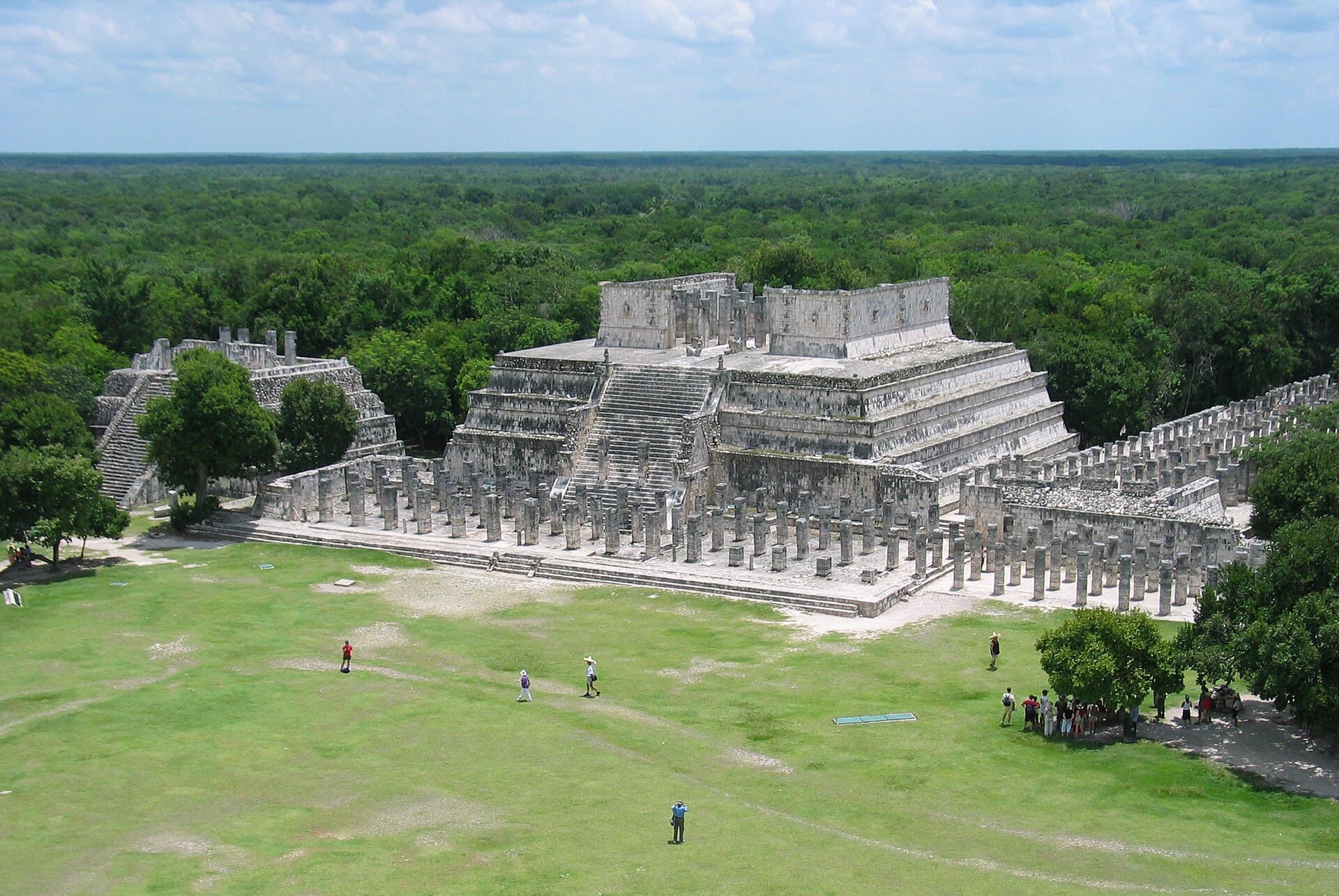 Keith Pomakis / cc by-sa 2.5, via Wikimedia Commons
Self-guided audio walking tour of Sisal — GPS route, offline playback, story-driven narration in 32 languages.
“Where Gulf currents meet a forgotten past, and flamingos streak the sky with rose.”
Not the postcards. The stories even locals don't know — whispered in your ear, right where they happened.
The town that lent its name to a global fiber actually carries a name with a chilling origin.
A European empress once arrived in the Yucatán, not through a bustling capital, but a quiet port town.
Sisal's historic fort was not merely ornamental; it was a crucial defense against a persistent menace.
Discover every secret of Sisal
Every address, every reveal in full — in your ear, right where it happened.
You pick your stops. You walk. The voice reveals what the others miss.


Your self-guided audio tour of Sisal is ready — pick your landmarks, choose your language, and start the moment you arrive.
BuyLume has a built-in augmented-reality guide. Hold your phone up and its camera shows the street ahead of you, with a glowing arrow laid over the real view that always points to your next stop — no map to puzzle over, no wrong turns. Like everything in Lume, it works fully offline.
Sisal, a tranquil fishing village on the Gulf Coast of Mexico's Yucatán Peninsula, offers a serene escape from the region's more bustling tourist destinations. Just a short drive northwest of Mérida, this Pueblo Mágico (Magic Town) is a place where time seems to slow, inviting visitors to connect with its enduring history, abundant wildlife, and pristine natural beauty.
Once the Yucatán's most important port, Sisal's colonial past is evident in its historic fort, lighthouse, and charming architecture. Beyond its historical landmarks, Sisal is a gateway to diverse ecosystems, including vast wetlands and mangroves teeming with birdlife, most notably the graceful flamingos.
Whether you're seeking a quiet beach day, an immersive nature tour, or a taste of authentic Yucatecan coastal life, Sisal delivers an experience that feels genuinely off the beaten path. It's a destination for those who appreciate the subtle rhythms of a real fishing village, where fresh seafood is a daily tradition and sunsets over the Gulf paint the sky in unforgettable hues.
## From Mayan Outpost to Colonial Gateway Sisal's story stretches back to pre-Hispanic times when it was a lightly occupied Mayan settlement, likely used as a minor port, though without a permanent settlement. The name 'Sisal' itself is thought to derive from a Mayan phrase, 'Place where the cold is heavy and penetrating,' a surprising origin for a warm coastal town.
The Spanish took control of the port in 1585, naming it 'Santa María de Zizal.' During the colonial era, all trade from the Yucatán Peninsula to Spain was legally routed through Campeche. However, Mérida's residents petitioned for a closer port, and in 1810, a Spanish royal decree granted Sisal this right. The new port of Sisal was officially founded in 1811.
Piracy was a significant threat during this period, leading to the construction of the Fuerte de Santiago (Fort of Santiago) in the late 16th century, with plans drawn in 1596, to defend the port. This fort, which later incorporated a lighthouse in 1845, was the last fort built by Spain in Mexico.
Sisal's commercial importance grew rapidly after Yucatán's independence from Spain, especially as the primary export hub for henequen. This agave-derived fiber, used for ropes and other products, became so vital that it adopted the port's name internationally, becoming known simply as 'sisal.' The town flourished, attracting wealthy merchants and traders. Empress Carlota of Mexico even disembarked here during her 1865 visit to the Yucatán.
However, Sisal's golden era was relatively short-lived. The port's poor conditions, difficult swampy roads to Mérida, and insufficient defenses against pirates hampered its long-term growth. The development of the more modern and accessible port of Progreso to the east, along with the advent of synthetic ropes, ultimately led to Sisal's decline in commercial importance by the late 19th and mid-20th centuries. Today, Sisal has transformed into a tranquil fishing village, now recognized as a Pueblo Mágico for its historical and natural significance.
Begin your exploration at the Fuerte de Santiago, the colonial-era fort built to guard against pirates. Ascend the adjacent lighthouse, added in 1845, for sweeping views of the town and the Gulf of Mexico. The fort and lighthouse are iconic landmarks, offering a glimpse into Sisal's defensive past.
Stroll along the historic pier (Muelle Sisal), where countless tons of henequen were once shipped worldwide. It remains a popular spot for local fishermen and offers a perfect vantage point for feeling the ocean breeze and watching the sunset. Nearby, you can admire the red exterior of the Casa de la Emperatriz, where Empress Carlota once stayed.
The former Maritime Customs Building (Edificio de la Aduana), once the heart of Sisal's trading activity, is currently undergoing renovation to become a museum, expected to open in early 2026. This will offer six exhibition halls detailing Sisal's maritime and cultural history.
Beyond the historical sites, immerse yourself in nature. Take a guided tour through the mangroves and estuaries of the Reserva Estatal El Palmar. These wetlands are a birdwatcher's paradise, home to flamingos, pelicans, cormorants, herons, and various duck species, especially between October and March. You might even spot endangered Hawksbill sea turtles and crocodiles.
For beach lovers, Playa Sisal offers kilometers of soft white sand and calm, clear Gulf waters, ideal for swimming and sunbathing. On a tranquil day, you can even spot the outline of a 19th-century shipwreck lying in about 8 meters of water just offshore.
The best time to visit Sisal is during the winter months, from December to March. During this period, the weather is typically sunny and dry with mild temperatures, perfect for outdoor activities like swimming, sunbathing, and exploring the town. This season also offers prime opportunities for flamingo spotting, as hundreds of these birds migrate to the region between November and April.
October and November are also good months, with cooler temperatures and fewer tourists. While summers (May to September) can be hot and humid, the ocean breeze can provide some relief, and it's the best time for diving to explore the shipwreck.
Sisal is easily accessible, located about 53-56 km (33-35 miles) northwest of Mérida, the state capital. The drive from Mérida typically takes 55-70 minutes. You can reach Sisal by rental car, taxi, private transfer, or local transportation. Buses and colectivo vans depart from Mérida's Terminal Noreste, often requiring a change in Hunucmá, and the journey takes around 90 minutes.
Within Sisal, the town is small and easily explored on foot or by bicycle. Bike rentals are available, and moto-taxis offer another convenient way to get around. When it comes to payments, cash (MXN) is paramount in Sisal. Small operators and beachside establishments may not accept cards, and there is only one ATM in town. Insect repellent is essential, especially if you plan to visit the mangroves. For tours, you can often find guides upon arrival, but booking in advance with a local ecotourism company is recommended, particularly for popular activities like kayak tours through the mangroves.
Sisal in Korean, in Chinese or in Hebrew — and 29 more languages, every stop narrated by a native voice. The widest language range of any self-guided audio tour.
Available in: