The original town name, Potsdam
Before it was Stuart, this city carried a different, distinctly European name.
Full story unlocks in the tour
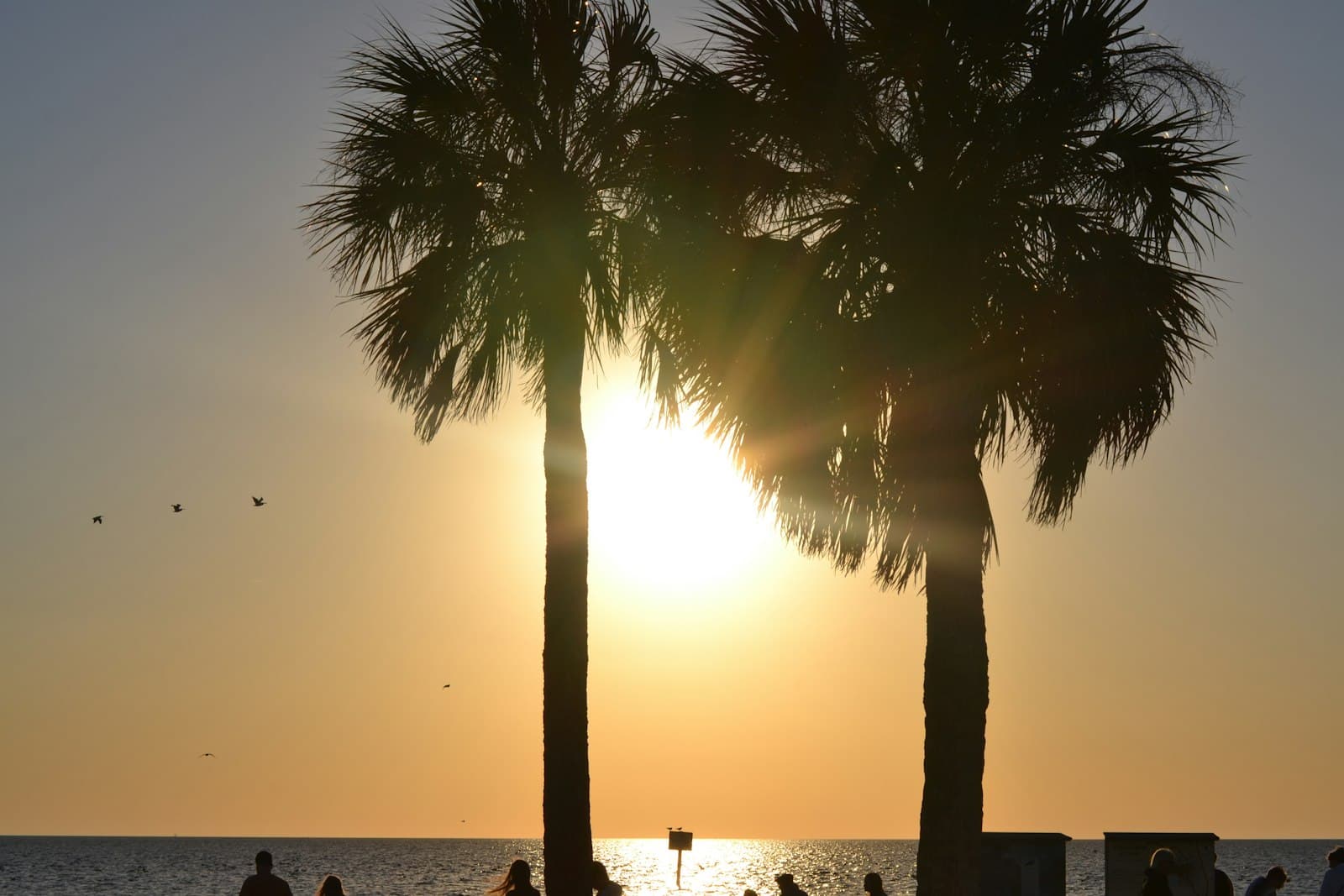 Photo: Meadow Marie / Unsplash
Self-guided audio walking tour of Stuart — GPS route, offline playback, story-driven narration in 32 languages.
“Where the St. Lucie River meets the Atlantic, and history echoes through banyan-lined streets.”
Not the postcards. The stories even locals don't know — whispered in your ear, right where they happened.
Before it was Stuart, this city carried a different, distinctly European name.
The city's current name is not a random selection; it acknowledges a pivotal figure in its early growth.
Locals recognize this intersection for its intricate traffic flow, but few realize its historical markers tell a deeper narrative.
Discover every secret of Stuart
Every address, every reveal in full — in your ear, right where it happened.
You pick your stops. You walk. The voice reveals what the others miss.


Your self-guided audio tour of Stuart is ready — pick your landmarks, choose your language, and start the moment you arrive.
BuyStuart, often known as the "Sailfish Capital of the World," presents a distinct fusion of coastal allure and lively culture along Florida's Treasure Coast. Positioned along the St. Lucie River and near the Indian River Lagoon, this city offers abundant opportunities for water activities, from boating and fishing to kayaking and paddleboarding. Its scenic downtown, recognized as one of America's happiest seaside towns and best coastal small towns, serves as a center for distinctive shops, acclaimed restaurants, and a flourishing arts community.
The city's dedication to preserving its natural splendor and small-town atmosphere is evident in its unobstructed views and numerous green spaces. Stuart is a destination where the pace is a little gentler, allowing visitors to fully immerse themselves in outdoor explorations, uncover historic locations, and partake in a lively community spirit. Whether you are walking the Riverwalk, discovering local art, or simply relaxing by the water, Stuart provides a delightful escape with a distinctive Old Florida character.
The area now known as Stuart first saw non-Native American settlement in 1870. Before it officially became Stuart, the community held a brief but intriguing identity as Potsdam from 1893 to 1896. This name was chosen by Otto Stypmann, a German immigrant who, with his brother Ernest, established a successful pineapple farming operation on the land that now forms downtown Stuart.
The arrival of Henry Flagler's Florida East Coast Railway in 1892 marked a pivotal moment, profoundly altering pioneer life by improving transportation for goods like fish and pineapples and bolstering the burgeoning tourist industry. The town was renamed Stuart in 1895, honoring Homer Hine Stuart Jr., an early landowner who donated land for a railway depot. Stuart was officially incorporated as a town in 1914 and later chartered as a city in 1925, becoming the county seat of the newly formed Martin County.
The completion of the Dixie Highway and a bridge across the St. Lucie River in the 1910s fueled the Great Florida Land Boom of the 1920s, attracting further development to the region. During World War II, Stuart contributed to the war effort with the construction of Witham Field for Navy pilot training and Camp Murphy, a large U.S. Army Signal School in nearby Hobe Sound, much of which later became Jonathan Dickinson State Park.
In 1957, Stuart formally adopted its enduring slogan, "Sailfish Capital of the World," a testament to the plentiful sailfish off the coast and the efforts of local conservationists and fishing guides. The city has also received numerous distinctions for its beauty and quality of life, including being named "America's Happiest Seaside Town" and "Best Coastal Small Town." Downtown Stuart, which faced a 60% vacancy rate in the 1980s, has undergone significant revitalization, transforming into the lively cultural and commercial center it is today.
Begin your exploration in Historic Downtown Stuart, where turn-of-the-century buildings house over 50 locally-owned shops, restaurants, and art galleries. Walk along the Stuart Riverwalk, a scenic boardwalk offering views of the St. Lucie River, often featuring live music during the weekly Rock'n Riverwalk concert series on Sundays.
Delve into local history at the Stuart Heritage Museum, located in the former George W. Parks General Merchandise Store, built in 1901. For a deeper understanding of the region's natural wonders, visit the Florida Oceanographic Coastal Center, where you can interact with marine life like sea turtles and stingrays. The Elliott Museum offers compelling exhibits on art, history, and vintage cars. Do not miss Gilbert's Bar House of Refuge on Hutchinson Island, the oldest structure in Martin County and a unique piece of Florida's maritime past.
For outdoor enthusiasts, Stuart Beach provides a family-friendly environment with amenities, while Bathtub Beach is known for its calm, reef-protected waters ideal for snorkeling. You can also explore the quieter, wilder side of Stuart by venturing inland to places like Maggy's Hammock Park for walking through scrublands and hammocks.
The most favorable times to visit Stuart for comfortable, warm-weather activities are from early February to early May and again from late October to late December. During these periods, Stuart enjoys mild temperatures, lower humidity, and minimal precipitation, making it ideal for exploring beaches, enjoying outdoor dining, and engaging in water sports. While summers are hot and humid with frequent afternoon thunderstorms from June to September, the ocean water remains warm, suitable for swimming and other water activities. Winter months offer pleasant, mild spring-like weather, perfect for outdoor exploration without the intense heat.
Stuart is conveniently located off I-95 and the Florida Turnpike, making it easily accessible by car. The nearest major airport is Palm Beach International Airport (PBI), approximately 40 minutes south, and Stuart also has Witham Field for private and charter flights. The downtown area is quite walkable, with many shops, restaurants, and attractions within easy reach. A free trolley service is also available for exploring downtown.
Stuart offers a range of accommodations, including boutique hotels, waterfront resorts, and bed and breakfasts. While generally more affordable than other South Florida coastal cities, property values are rising. The city operates its own water system and provides essential services like paved streets, sidewalks, and local police and fire departments.
Stuart in Korean, in Chinese or in Hebrew — and 29 more languages, every stop narrated by a native voice. The widest language range of any self-guided audio tour.
Available in: