La Porte de Cléopâtre
Cette arche romaine porte le nom d'une reine légendaire, mais la porte que vous voyez aujourd'hui n'est pas tout à fait celle par laquelle elle a navigué.
L'histoire complète se débloque dans le tour
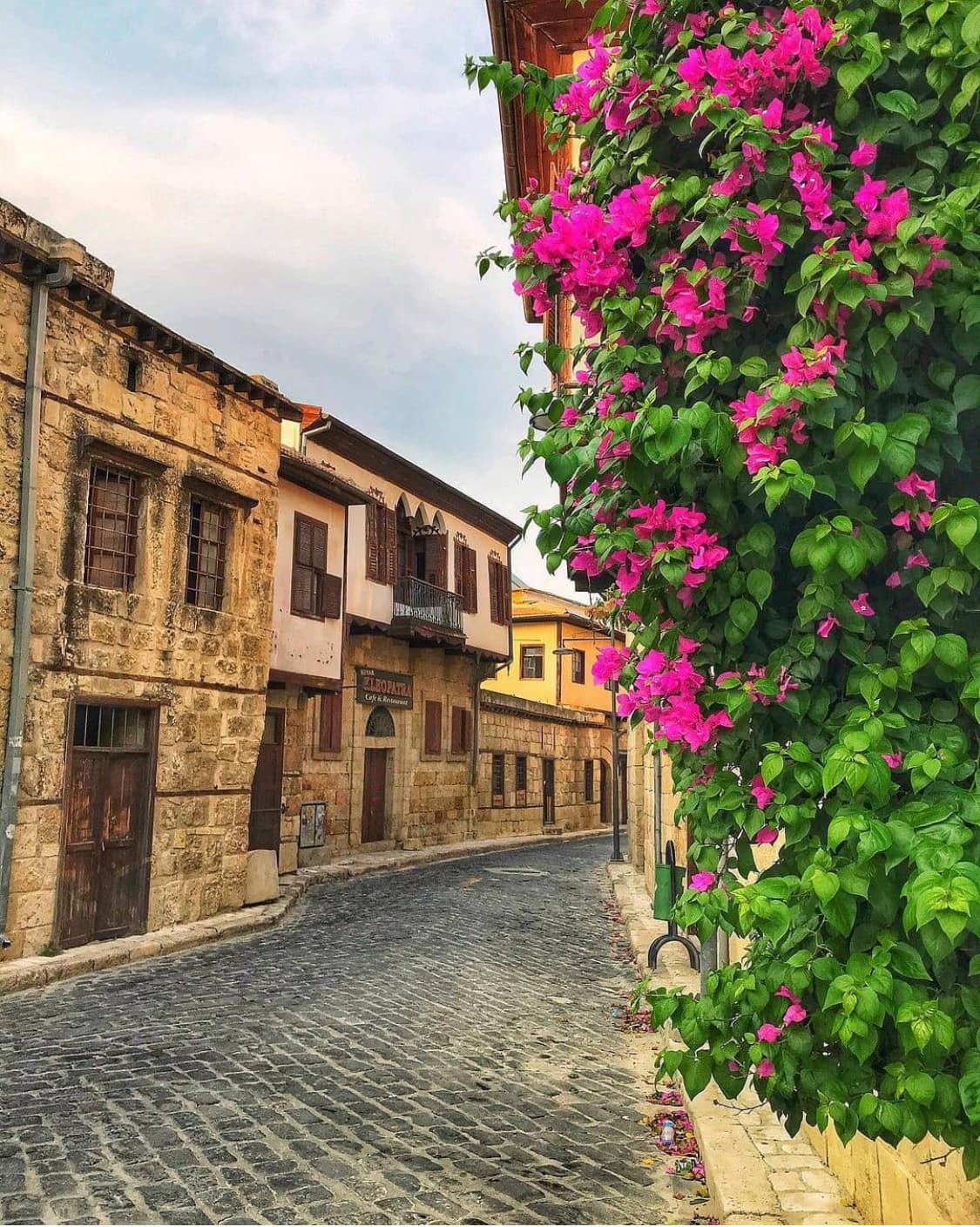 The Mersinli / CC BY-SA 4.0, via Wikimedia Commons
Visite audio autoguidée de Tarse — parcours GPS à pied, lecture hors ligne, narration en 32 langues.
“Là où les empires convergeaient et les légendes flottent dans l'air que vous respirez.”
Pas les cartes postales. Les histoires que même les habitants ignorent — soufflées à l'oreille, là où elles se sont passées.
Cette arche romaine porte le nom d'une reine légendaire, mais la porte que vous voyez aujourd'hui n'est pas tout à fait celle par laquelle elle a navigué.
Lieu prisé pour les pique-niques et pour se rafraîchir, cette cascade cache un secret sous ses eaux impétueuses qui ne se révèle qu'en saison sèche.
Cette ruine romaine colossale, connue localement sous le nom de « Pierre Gelée », devait être l'un des plus grands temples du monde antique, mais sa construction n'a jamais été entièrement achevée.
Découvrez tous les secrets de Tarse
Chaque adresse, chaque révélation en entier — dans ton oreille, là où elle s'est passée.
Tu choisis tes lieux. Tu marches. La voix te révèle ce que les autres ignorent.


Votre visite audioguidée de Tarse vous attend — choisissez vos lieux, votre langue, et lancez-vous dès votre arrivée.
AcheterTarse, une ville de la province turque de Mersin, est un lieu où des couches d'histoire sont visibles à chaque tournant, une destination où les légendes anciennes semblent remarquablement proches. Avec une histoire de peuplement continu s'étendant sur plus de 6 000 ans, Tarse a été un carrefour essentiel pour les civilisations, laissant une marque indélébile sur son paysage et sa culture.
De la grande arrivée de Cléopâtre aux premiers pas de Saint Paul, cette ville a accueilli des figures qui ont façonné le cours de l'histoire. En vous promenant dans ses rues, vous rencontrerez des vestiges des périodes romaine, byzantine, seldjoukide et ottomane, chacune contribuant au caractère unique de Tarse. Au-delà de ses trésors archéologiques, Tarse offre un aperçu de la vie turque authentique, avec des marchés animés et une scène culinaire savoureuse.
Pour ceux qui recherchent un voyage à travers le temps, Tarse propose une exploration tranquille de l'Antiquité, offrant un mélange de profondeur historique et de charme local qui la distingue des destinations touristiques plus conventionnelles. C'est une ville qui vous invite à découvrir ses histoires à votre propre rythme, promettant une expérience vraiment inoubliable.
L'histoire de Tarse commence à l'ère néolithique, avec les premières colonies apparaissant dans la plaine fertile de Cilicie il y a plus de 6 000 ans. Son emplacement stratégique sur la rivière Berdan (ancien Cydnus), offrant un accès à la Méditerranée, et à l'intersection des principales routes commerciales, a assuré son importance tout au long de l'Antiquité. La ville a prospéré sous la domination hittite entre 1600 et 1180 avant notre ère, passant plus tard sous l'influence des Assyriens et des Perses.
L'arrivée d'Alexandre le Grand en 333 avant notre ère a inauguré une ère hellénistique, et Tarse est rapidement devenue un centre intellectuel et culturel de premier plan, rivalisant avec des villes comme Athènes et Alexandrie. La période romaine a marqué un zénith pour Tarse, car elle est devenue la capitale de la province romaine de Cilicie. C'est à cette époque, en 41 avant notre ère, que Marc Antoine a célèbrement convoqué Cléopâtre à Tarse, un événement qui a déclenché l'une des romances les plus célèbres de l'histoire. La visite de Jules César a également laissé un impact durable, la ville se renommant brièvement Juliopolis en son honneur et recevant un statut d'exemption fiscale.
Tarse revêt une profonde signification pour plusieurs confessions. C'est le lieu de naissance de l'apôtre Paul, originaire de Saul de Tarse, qui a joué un rôle déterminant dans le développement précoce du christianisme. La ville abritait des communautés juives, chrétiennes et musulmanes, favorisant un environnement unique de coexistence. Au 7e siècle, Tarse s'est transformée en un puissant avant-poste frontalier arabe à la frontière avec l'Empire byzantin, déplaçant son objectif du commerce à l'importance militaire.
Des travaux publics ont été entrepris dans la ville sous l'empereur byzantin Justinien Ier, y compris des modifications du cours de la rivière Cydnus et la reconstruction d'un pont. Les murs de la ville, qui protégeaient autrefois ses trois portes principales, ont été largement démolis en 1835 par Ibrahim Pacha d'Égypte pendant la guerre égypto-ottomane, laissant la Porte de Cléopâtre comme seule survivante. Aujourd'hui, Tarse continue de révéler son passé entrelacé à travers des découvertes archéologiques continues, offrant un lien tangible avec les empires et les légendes qui ont façonné son héritage durable.
Commencez votre exploration à la Porte de Cléopâtre, le dernier vestige des anciens remparts de la ville, par laquelle la reine légendaire serait entrée à Tarse. À proximité, découvrez l'Ancienne Voie Romaine, une rue pavée de basalte découverte en 1993, offrant un aperçu de la vie quotidienne dans la Tarse romaine. Continuez jusqu'au Puits de Saint Paul, un important site de pèlerinage où beaucoup croient que boire l'eau apporte la guérison, situé dans la cour de ce que l'on pense être le lieu de naissance de l'Apôtre.
Visitez l'Église Saint Paul, qui fonctionne désormais comme un musée et a accueilli des symposiums organisés par le Vatican. Explorez la Mosquée Makam-ı Danyal, censée abriter la tombe du prophète Daniel. Ne manquez pas les ruines colossales du Temple Romain de Donuktaş, une structure monumentale inachevée du 2e siècle de notre ère. Pour une pause rafraîchissante, dirigez-vous vers la Cascade de Tarse sur la rivière Berdan, où, pendant les mois les plus secs, vous pourrez apercevoir d'anciennes tombes romaines sous les cascades.
Plongez plus profondément dans le passé de la ville au Musée Archéologique de Tarse, qui a ouvert ses portes en 2022 et expose des chambres funéraires et des artefacts de l'époque romaine. Promenez-vous dans les vieux quartiers pour voir l'Ancienne Mosquée, une ancienne église, et les vestiges partiels d'un Bain Romain (Altından Geçme), où d'anciens éléments architecturaux ont été réutilisés. À quelques minutes en voiture au nord de la ville, la Voie Romaine près du village de Sağlıklı offre un tronçon plus long et bien conservé d'ancienne voie romaine avec un arc de triomphe.
Les périodes les plus agréables pour visiter Tarse sont le printemps (avril-mai) et l'automne (septembre-octobre). Pendant ces mois, les températures sont confortablement chaudes, allant de 20°C à 30°C (68°F à 86°F), ce qui est idéal pour explorer les nombreux sites historiques de la ville et profiter des activités de plein air. Les étés (juin-septembre) peuvent être très chauds, avec des températures atteignant les trente-cinq degrés (90°F), ce qui pourrait rendre les visites prolongées inconfortables. Les hivers (novembre-mars) sont généralement doux, mais peuvent être frais avec des précipitations plus élevées, et certains hôtels côtiers peuvent fermer.
Tarse est facilement accessible par divers modes de transport. L'aéroport le plus proche est l'aéroport international de Çukurova (anciennement aéroport Adana Şakirpaşa, ADA), à environ 40 minutes, avec des bus horaires reliant Tarse. Tarse est également bien desservie par la route, située sur l'autoroute D400, et dispose de services réguliers de bus et de trains vers les grandes villes turques. L'Otogar de Tarse (gare routière) se trouve à environ 5 km à l'est du centre-ville, nécessitant un court trajet en dolmuş (taxi partagé) ou en taxi.
Une fois en ville, de nombreuses attractions historiques centrales, y compris la Porte de Cléopâtre, le Puits de Saint Paul et la Mosquée Makam-ı Danyal, sont accessibles à pied les unes des autres. Envisagez de laisser votre véhicule dans un parking approprié et d'explorer le centre-ville à pied pour une expérience plus immersive. Les options d'hébergement vont du budget au milieu de gamme, avec des emplacements pratiques près des sites historiques ou du parc culturel de Tarse. Pour la sécurité, se promener dans les zones centrales, bien éclairées et animées comme la promenade de Yarenlik est généralement confortable.
Tarse en coréen, en chinois ou en hébreu — et dans 29 autres langues, chaque étape narrée par une voix native. La plus large gamme de langues de tous les audioguides autoguidés.
Disponible en :