Auberge Ravoux, Zimmer Nr. 5
Das letzte Zimmer von Vincent van Gogh blieb jahrzehntelang nach seinem Tod unberührt.
Die ganze Geschichte wird in der Tour freigeschaltet
 P.poschadel / CC BY-SA 2.0 fr, via Wikimedia Commons
Selbstgeführte Audio-Walking-Tour durch Auvers-sur-Oise — GPS-Route, Offline-Wiedergabe, erzählerische Narration in 32 Sprachen.
“Wo Van Gogh seine letzte, leidenschaftliche Muse fand.”
Nicht die Postkarten. Die Geschichten, die selbst Einheimische nicht kennen – dir ins Ohr geflüstert, genau dort, wo sie geschahen.
Das letzte Zimmer von Vincent van Gogh blieb jahrzehntelang nach seinem Tod unberührt.
Die Gräber von Vincent und Theo van Gogh sind durch ein lebendiges Symbol verbunden.
Die örtliche katholische Kirche weigerte sich zunächst, Van Goghs Trauerfeier auszurichten.
Entdecke jedes Geheimnis von Auvers-sur-Oise
Jede Adresse, jede Enthüllung vollständig – in deinem Ohr, genau dort, wo es geschah.
Du wählst deine Stationen. Du gehst. Die Stimme enthüllt, was andere übersehen.
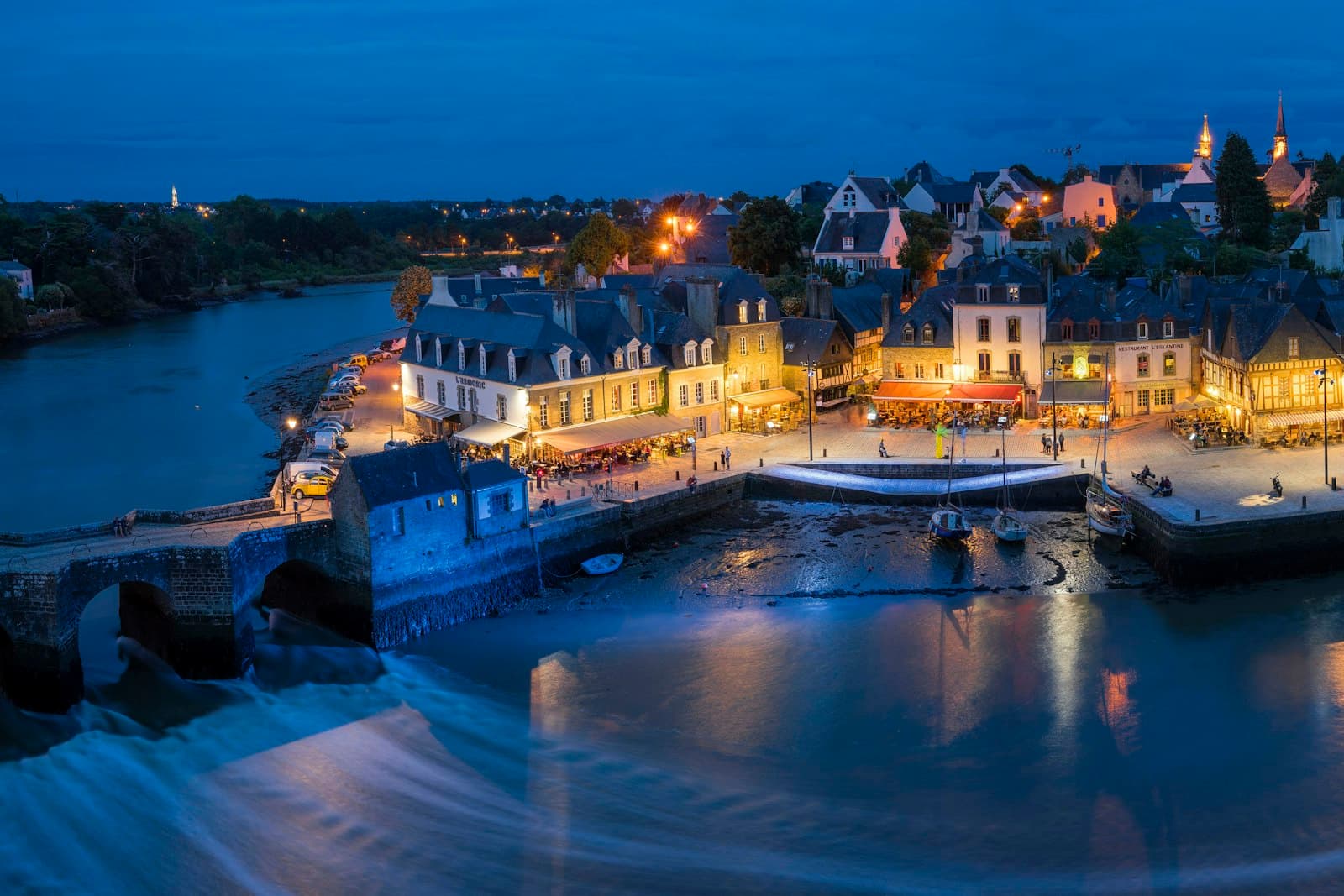
Deine selbstgeführte Audio-Tour durch Auvers-sur-Oise ist bereit – wähle deine Sehenswürdigkeiten, deine Sprache und starte, sobald du ankommst.
KaufenLume enthält einen integrierten Augmented-Reality-Guide. Halten Sie Ihr Handy hoch: Die Kamera zeigt die Straße vor Ihnen, mit einem leuchtenden Pfeil über dem echten Bild, der immer auf Ihren nächsten Stopp zeigt — keine Karte zum Rätseln, keine falschen Abzweigungen. Wie alles bei Lume funktioniert es komplett offline.
Auvers-sur-Oise, ein Dorf im französischen Département Val-d'Oise, nimmt einen bedeutenden Platz in der Kunstgeschichte ein als letzter Zufluchtsort von Vincent van Gogh. Nur 30 Kilometer nordwestlich von Paris gelegen, zog diese reizvolle Stadt eine Reihe von impressionistischen und post-impressionistischen Künstlern an, die Inspiration in ihren friedlichen Landschaften und ländlichen Atmosphäre suchten.
Van Gogh verbrachte hier die letzten 70 Tage seines Lebens. Er kam im Mai 1890 an, nachdem er eine Heilanstalt in Saint-Rémy verlassen hatte. Während dieser intensiv produktiven Zeit schuf er über 80 Gemälde und 64 Skizzen und fing die Essenz von Auvers-sur-Oise mit seinem unverwechselbaren Stil ein. Das Dorf bietet eine einzigartige Gelegenheit, auf den Spuren des Meisters zu wandeln und die Szenen zu erleben, die einige seiner ikonischsten Werke inspirierten.
Die Anziehungskraft von Auvers-sur-Oise auf Künstler begann lange vor Van Goghs Ankunft. Mitte bis Ende des 19. Jahrhunderts machten seine malerische Landschaft, die Nähe zu Paris und die Eisenbahnverbindung es zu einem beliebten Reiseziel und förderten eine Künstlerkolonie, vergleichbar mit Barbizon. Maler wie Charles-François Daubigny, Paul Cézanne, Camille Pissarro, Honoré Daumier und Jean-Baptiste-Camille Corot gehörten zu denen, die in dem Dorf Inspiration fanden.
Charles-François Daubigny, ein bedeutender Landschaftsmaler, war einer der Ersten, der sich in Auvers niederließ und einen künstlerischen Knotenpunkt etablierte. Sein Haus-Atelier mit seinen vollständig bemalten Wänden zeugt von der Kreativität dieser Künstler.
Vincent van Gogh kam am 20. Mai 1890 in Auvers-sur-Oise an, auf der Suche nach Ruhe und Frieden, während er in der Nähe seines Bruders Theo in Paris blieb. Er suchte auch die Betreuung von Dr. Paul Gachet, einem homöopathischen Arzt und Amateurmaler, der sich auf Melancholie spezialisiert hatte und zu einem Freund wurde. Van Gogh mietete Zimmer Nr. 5, ein kleines Dachzimmer im Auberge Ravoux, für 3,50 Francs pro Tag, inklusive Halbpension. Trotz seiner psychischen Probleme war er unglaublich produktiv und malte oft fast ein Werk pro Tag.
Seine Zeit in Auvers war geprägt von fieberhafter Schaffenskraft, in der er Werke wie Porträt von Dr. Gachet, Weizenfeld mit Krähen und Die Kirche von Auvers schuf. Ein Besuch bei Theo Anfang Juli 1890, als er von Theos Plänen erfuhr, seinen Job zu kündigen, verstärkte jedoch Van Goghs Sorgen um seine finanzielle Zukunft. Diese Unsicherheit, gepaart mit seinen anhaltenden psychischen Problemen, war zu viel, um sie zu ertragen. Am 27. Juli 1890 schoss sich Van Gogh auf einem Weizenfeld nieder und starb zwei Tage später in seinem Zimmer im Auberge Ravoux, mit Theo an seiner Seite. Er wurde am 30. Juli 1890 auf dem Friedhof von Auvers beigesetzt.
Beginnen Sie Ihre Erkundung im Auberge Ravoux, auch bekannt als Haus von Van Gogh. Hier können Sie Zimmer Nr. 5 besuchen, das bescheidene Dachzimmer, in dem Van Gogh lebte und starb. Dieser erhaltene Raum, absichtlich leer gelassen, bietet einen ergreifenden Einblick in seine letzten Tage. Der Speisesaal des Gasthofs behält noch seine Einrichtung aus dem 19. Jahrhundert und serviert klassische französische Küche.
Ein kurzer Spaziergang führt Sie zur Église Notre-Dame-de-l'Assomption, dem Motiv von Van Goghs berühmtem Gemälde Die Kirche von Auvers. Diese römisch-katholische Pfarrkirche, die im späten 11. Jahrhundert gegründet und im 12. Jahrhundert wieder aufgebaut wurde, zeigt eine Mischung aus spätromanischen und frühgotischen Baustilen. Ihr eleganter Glockenturm ist einer der ersten gotischen Glockengiebel der Region Vexin.
Weiter geht es zum Friedhof von Auvers-sur-Oise, wo Vincent van Gogh neben seinem Bruder Theo begraben liegt. Vom Friedhof aus können Sie die Weizenfelder erreichen, die viele von Van Goghs letzten Werken inspirierten, darunter Weizenfeld mit Krähen. Informationstafeln im ganzen Dorf zeigen Reproduktionen seiner Gemälde an den genauen Orten, an denen sie entstanden sind.
Das Château d'Auvers-sur-Oise, ein Gebäude aus dem 17. Jahrhundert, bietet ein immersives Kulturerlebnis mit seiner Ausstellung „Vision Impressionniste“, die die Geschichte des Impressionismus und seinen Einfluss auf Künstler wie Van Gogh und Cézanne nachzeichnet. Das Schloss ist von neun Hektar bewaldetem Parkland und erhaltenen Gärten umgeben.
Weitere bemerkenswerte Sehenswürdigkeiten sind das Haus von Dr. Gachet, Van Goghs Arzt und Freund, das kostenlos für Besucher geöffnet ist und einen Heilkräutergarten beherbergt. Sie können auch das Musée Daubigny und das Haus-Atelier von Daubigny besuchen, das das Werk und den Wohnraum von Charles-François Daubigny zeigt.
Die beste Zeit für einen Besuch von Auvers-sur-Oise für Aktivitäten bei warmem Wetter ist von Mitte Juni bis Mitte September, wenn die Temperaturen durchschnittlich zwischen 17 °C und 25 °C liegen. Das Wetter ist im Allgemeinen angenehm und die Landschaft steht in voller Blüte. Direkte Züge von Paris verkehren an Wochenenden von April bis November, was diese Monate ideal für einen Besuch macht. Wenn Sie die Weizenfelder in einem Zustand sehen möchten, der Van Goghs Gemälden ähnelt, planen Sie die Wochen vor Mitte Juli ein, vor der Ernte.
Auvers-sur-Oise ist von Paris aus leicht erreichbar. Direkte Züge vom Pariser Gare du Nord verkehren an Wochenenden von April bis November. An Wochentagen ist in der Regel ein Umstieg erforderlich, oft in Valmondois oder Pontoise, mit einer Gesamtfahrzeit von etwa einer Stunde. Alternativ können Sie mit dem Auto fahren, was etwa 38 Minuten dauert. Sobald Sie in Auvers sind, wird eine Karte vom Besucherzentrum empfohlen, um die weitläufigen Attraktionen zu navigieren.
Zum Essen bietet Auvers-sur-Oise eine Auswahl an Restaurants, darunter das Le Relais des Peintres und das Restaurant im Auberge Ravoux, das klassische französische Küche in einem Ambiente des 19. Jahrhunderts serviert. Geführte Touren, die sich auf Van Goghs Leben und Werke konzentrieren, sind verfügbar und beinhalten oft Besuche wichtiger Sehenswürdigkeiten. Viele Attraktionen, wie das Auberge Ravoux, bieten geführte Besichtigungen in kleinen Gruppen an.
Auvers-sur-Oise — Koreanisch, Chinesisch, Hebräisch und 29 weitere Sprachen, jede Station von einer muttersprachlichen Stimme erzählt. Die größte Sprachauswahl aller selbstgeführten Audiotouren.
Verfügbar auf: