Galerías Subterráneas
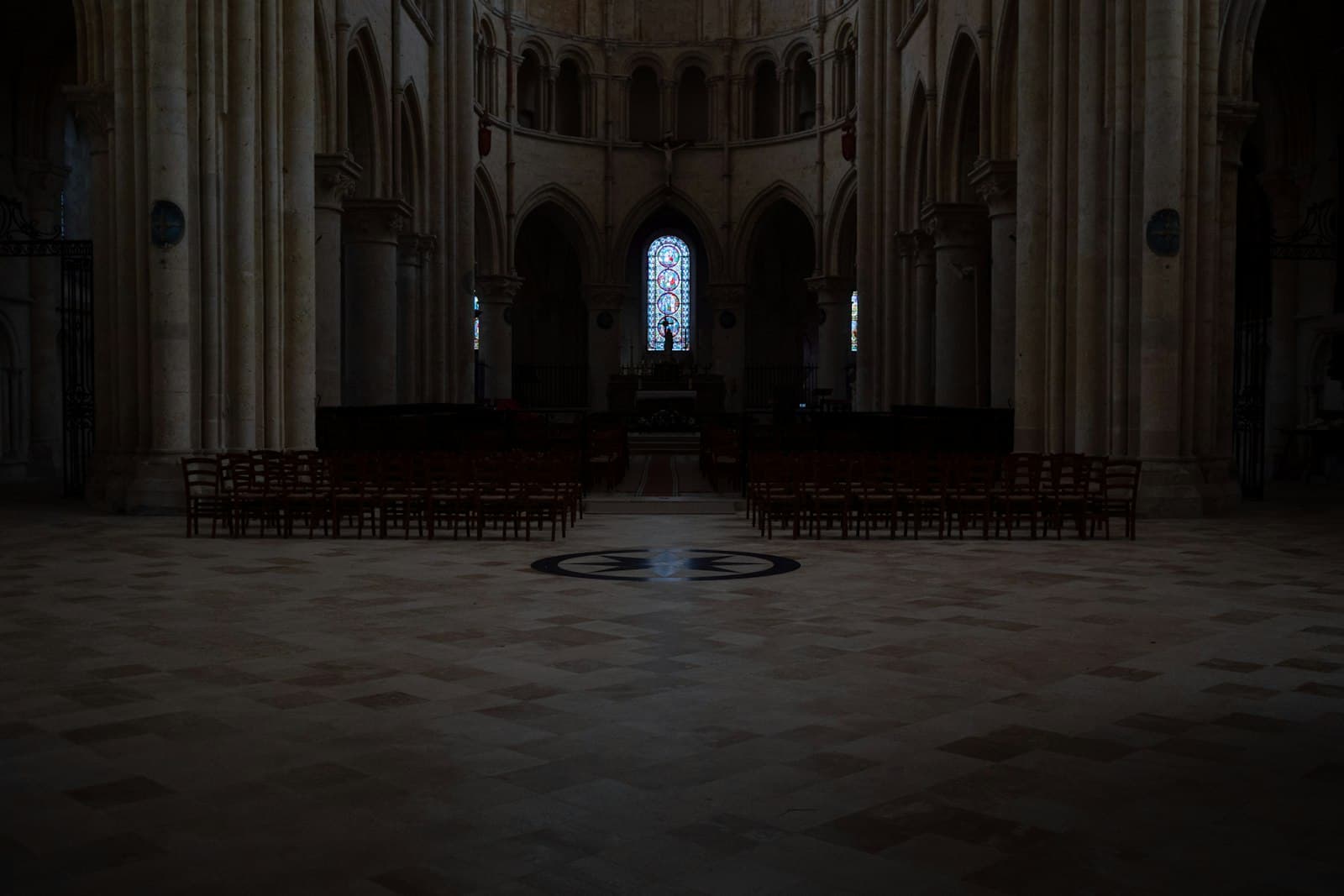
Bajo las antiguas piedras de Provins, una red de túneles guarda un sorprendente secreto sobre el comercio medieval.
La historia completa se desbloquea en el tour
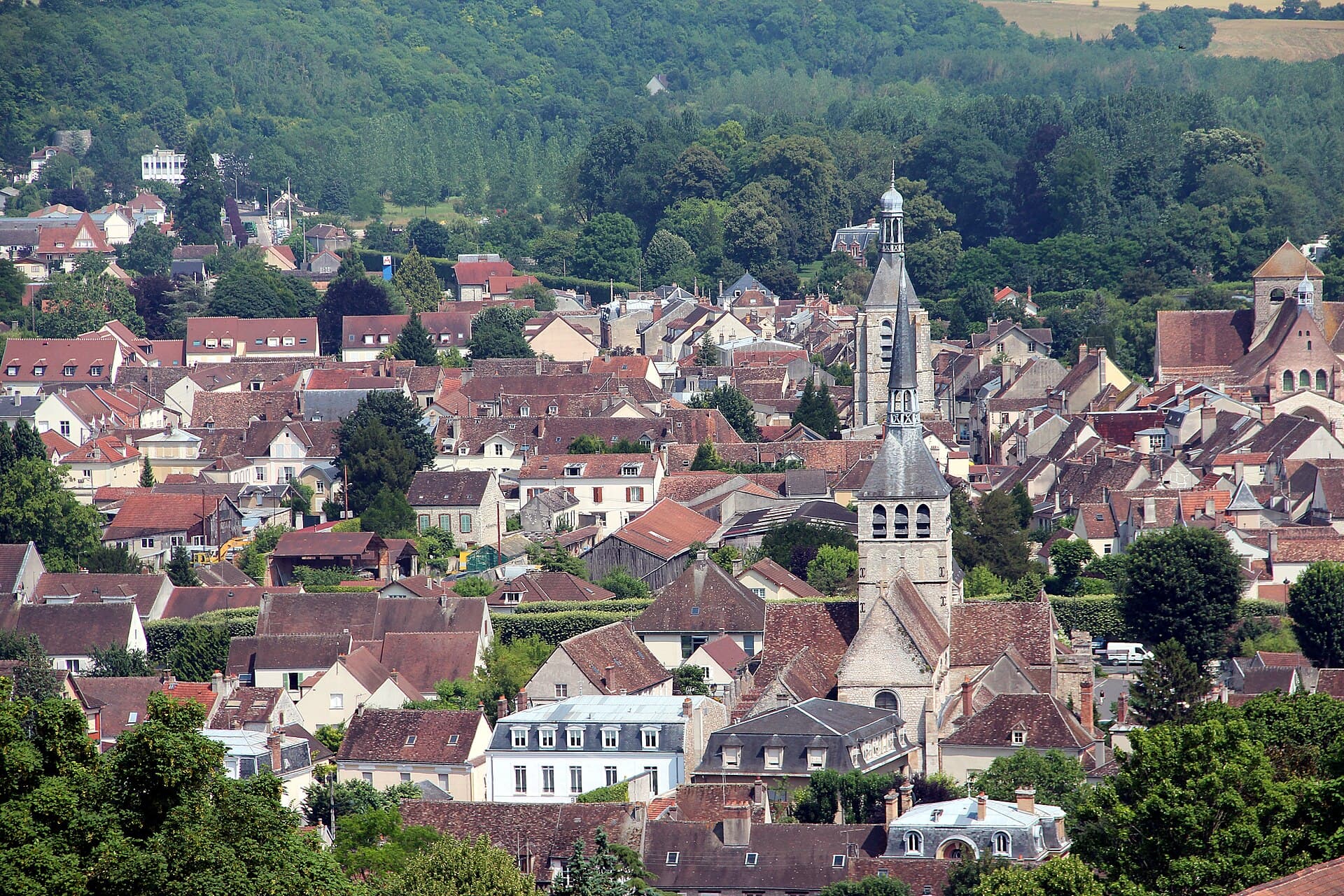 Jean-Pol GRANDMONT / CC BY 4.0, via Wikimedia Commons
Tour de audio autoguiado de Provins — ruta GPS a pie, reproducción offline, narración en 32 idiomas.
“Donde los ecos medievales perduran en piedra y aroma.”
No las postales. Las historias que ni los locales conocen — al oído, justo donde ocurrieron.
Bajo las antiguas piedras de Provins, una red de túneles guarda un sorprendente secreto sobre el comercio medieval.
Esta imponente iglesia, una característica prominente de la ciudad alta, comparte una conexión inesperada con una de las figuras más legendarias de Francia.
La Rosa Gallica Officinalis, o 'Rosa de Provins', es más que una hermosa flor; desempeñó un papel significativo en la economía de la ciudad e incluso en la historia real.
Descubre todos los secretos de Provins
Cada dirección, cada revelación al completo — a tu oído, justo donde ocurrió.
Eliges tus paradas. Caminas. La voz te revela lo que los demás ignoran.


Lume incluye una guía de realidad aumentada. Levanta el móvil y su cámara muestra la calle que tienes delante, con una flecha luminosa sobre la imagen real que siempre apunta a tu próxima parada — sin mapas que descifrar, sin giros equivocados. Como todo en Lume, funciona completamente sin conexión.
Provins, Patrimonio de la Humanidad por la UNESCO desde 2001, transporta a los visitantes a la Edad Media con su arquitectura notablemente conservada y su carácter perdurable. Situada aproximadamente a 80 kilómetros al sureste de París, en la región de Isla de Francia, esta ciudad fortificada ofrece una visión tangible de una era pasada. Dividida en una ciudad baja y una ciudad alta, Provins muestra tanto la vida francesa moderna como el atractivo duradero de su pasado medieval, con sus imponentes muros de piedra y estructuras históricas dominando las alturas.
Antigua capital económica de los Condes de Champaña, Provins prosperó en los siglos XII y XIII como un importante centro comercial europeo, albergando las renombradas Ferias de Champaña que conectaban el norte de Europa con el Mediterráneo. Hoy en día, la ciudad invita a la exploración de sus antiguas murallas, pasajes subterráneos y un animado calendario de eventos de temática medieval, lo que la convierte en un destino ideal para aquellos que buscan sumergirse en la historia y la cultura.
Provins remonta sus orígenes alrededor del año 1000, estableciéndose en tierras gobernadas por los influyentes Condes de Champaña. Para el siglo IX, la creciente importancia de la ciudad era clara, ya que comenzó a acuñar su propia moneda, el denier provinois. La ubicación estratégica de Provins en el cruce de importantes rutas comerciales fue fundamental en su ascenso. Bajo la protección de los Condes de Champaña, Provins se convirtió en un centro neurálgico para las Ferias de Champaña, que fueron cruciales para la economía europea medieval. Estas ferias internacionales, celebradas dos veces al año y con una duración de varias semanas, atraían a comerciantes de toda Europa, transformando Provins en un bullicioso centro de comercio y banca.
Durante su apogeo en los siglos XII y XIII, Provins fue una de las ciudades más importantes de Francia, con una población que algunas estimaciones sitúan en hasta 80.000 habitantes, lo que la convertía en la tercera ciudad más grande de la región después de París y Ruan. La ciudad era un próspero centro de producción de lana, y sus ferias facilitaban el intercambio de bienes de regiones lejanas, incluyendo vino español y portugués, cueros rusos, especias orientales, minerales sirios y lana inglesa. El trazado arquitectónico de Provins fue diseñado específicamente para albergar estas masivas ferias, un testimonio de su importancia económica. La prosperidad de la ciudad también fomentó el intercambio cultural, atrayendo no solo a comerciantes, sino también a prestamistas, abogados, poetas e intelectuales.
La edad de oro de Provins comenzó a declinar a principios del siglo XIV. En 1314, el rey Felipe IV gravó fuertemente la ciudad, lo que provocó una disminución de las ferias y una posterior huida de residentes. El auge del comercio marítimo, junto con los estragos de la peste y la guerra, contribuyeron aún más a la disminución de la prominencia de la ciudad. A pesar de este declive, Provins no fue ampliamente reconstruida ni modernizada, lo que permitió que sus edificios y trazado medievales se mantuvieran notablemente conservados. Esta excepcional preservación llevó a su designación como Patrimonio de la Humanidad por la UNESCO en 2001, reconociendo su ilustración única del desarrollo comercial temprano de Europa Occidental.
Provins ofrece una gran cantidad de sitios medievales. Comience en la Torre César (Tour César), una torre del homenaje del siglo XII y antigua prisión, que ofrece amplias vistas de la ciudad y el campo circundante. Explore las Murallas de Provins, originalmente de 5 kilómetros de largo, con aproximadamente 1,2 kilómetros aún accesibles para paseos y vistas panorámicas. El Granero de los Diezmos (Grange aux Dîmes), un edificio de los siglos XII y XIII, ahora funciona como un museo que muestra la artesanía medieval y las actividades mercantiles, con tiendas y talleres reconstruidos.
Una visita guiada a las Galerías Subterráneas (Les Souterrains de Provins) revela una misteriosa red de pasajes, que alguna vez fueron canteras de tierra de batán y luego se utilizaron para almacenamiento y refugio. Visite la Colegiata de Saint-Quiriace, una iglesia inacabada del siglo XII con hermosas tallas de piedra y vidrieras. Para una experiencia diferente, la Rosaleda de Provins (La Roseraie de Provins) cuenta con más de 450 variedades de rosas, incluida la famosa Rosa gallica officinalis, y ofrece una sala de té con especialidades con sabor a rosa. Asista a los diversos espectáculos medievales, como las exhibiciones de cetrería en Las Águilas de las Murallas o las justas en Las Leyendas de los Caballeros, que se realizan desde finales de marzo hasta principios de noviembre.
La época ideal para visitar Provins para actividades de clima cálido y exploración al aire libre es desde mediados de junio hasta principios de septiembre, con un pico a finales de julio. Durante este período, la Rosaleda de Provins está en plena floración. El renombrado Festival Medieval de Provins, uno de los más grandes de Europa, suele tener lugar durante un fin de semana a principios o mediados de junio, transformando la ciudad en un teatro al aire libre con desfiles, música y actuaciones. Espectáculos como la cetrería y las justas se realizan regularmente desde finales de marzo hasta principios de noviembre. Para aquellos interesados en el mercado navideño, este suele celebrarse a mediados de diciembre.
Provins es fácilmente accesible desde París en tren directo (Línea P) desde la Gare de l'Est, con un trayecto de aproximadamente 1 hora y 20 minutos. La ciudad tiene dos áreas distintas: la ciudad baja cerca de la estación de tren y la ciudad alta, donde se encuentran la mayoría de las atracciones medievales. Hay aproximadamente 2 kilómetros a pie desde la estación de tren hasta la oficina de turismo en la ciudad alta, con una sección cuesta arriba hacia el final. Un Pase Provins está disponible en la oficina de turismo, cubriendo la entrada a varias atracciones clave como la Torre César, el Granero de los Diezmos, las Galerías Subterráneas, el Museo de Provins y el Priorato de Saint-Ayoul, a menudo a un precio reducido en comparación con las entradas individuales. Se recomiendan las visitas guiadas a las Galerías Subterráneas y se pueden reservar con antelación. Si bien muchas atracciones están abiertas todo el año, algunas pueden tener horarios reducidos durante los días laborables de invierno. Es aconsejable consultar el sitio web oficial de turismo de Provins para obtener la información más reciente sobre horarios de apertura y programas de eventos.
Provins en coreano, en chino o en hebreo — y 29 idiomas más, cada parada narrada por una voz nativa. La mayor variedad de idiomas de cualquier audioguía autoguiada.
Disponible en: