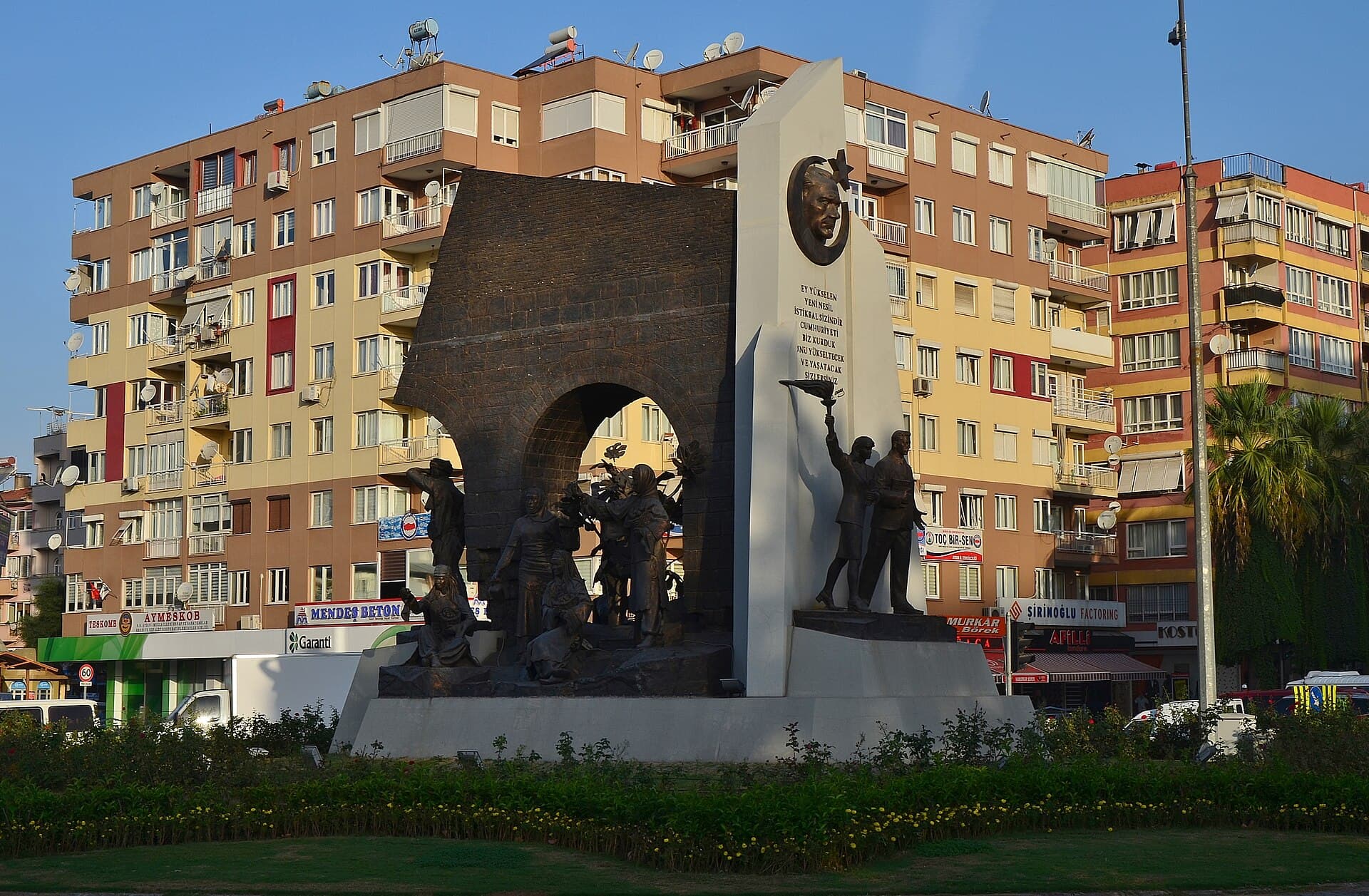
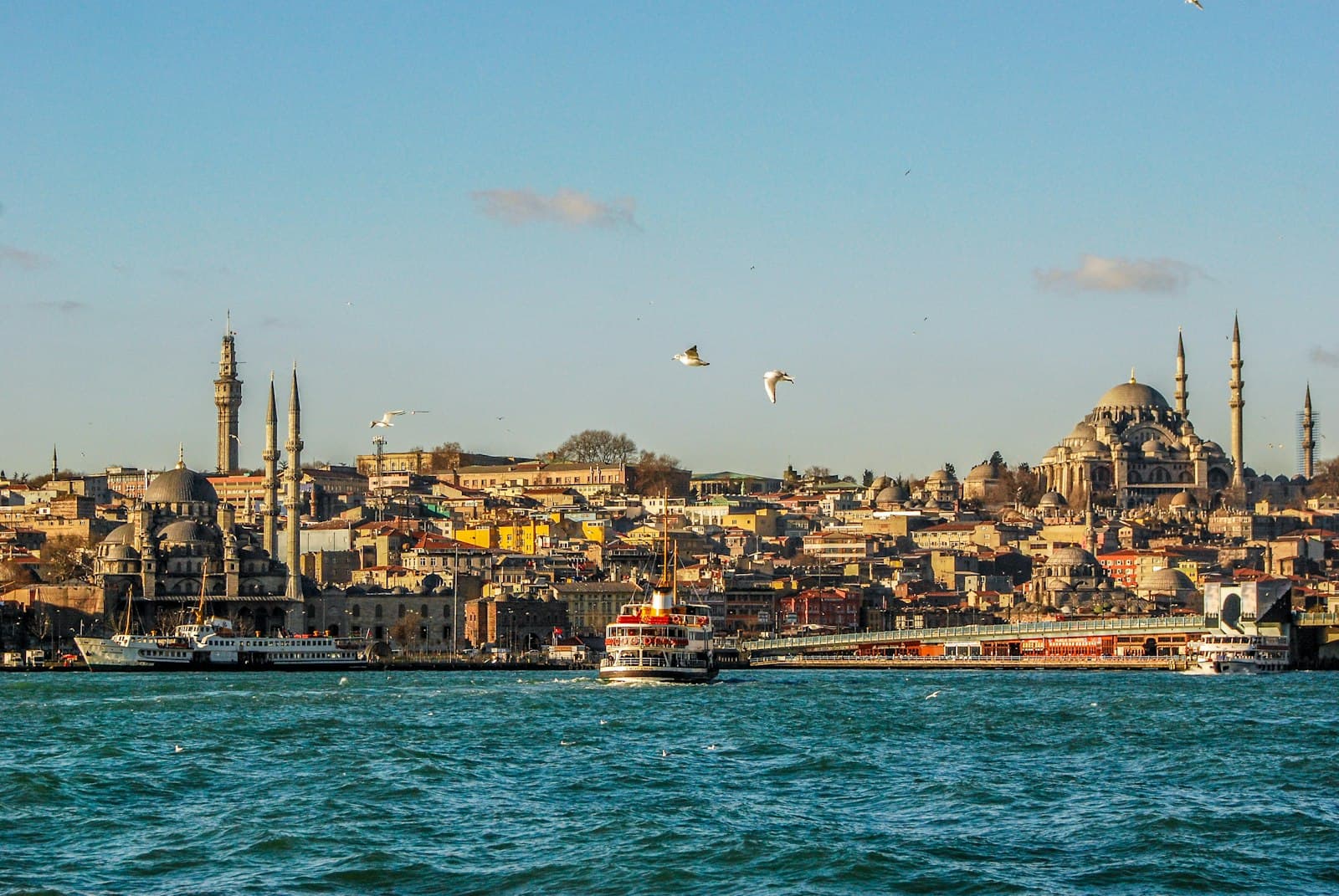
Aydın, TurkeyCeeGee / CC BY-SA 4.0, via Wikimedia Commons
TR

Aydın

Self-guided audio walking tour of Aydın — GPS route, offline playback, story-driven narration in 32 languages.

Where ancient echoes meet Aegean breezes and the scent of fig trees.

The secrets of Aydın

Aydın, as no one tells it.

Not the postcards. The stories even locals don't know — whispered in your ear, right where they happened.

3 secrets below. Many more wait inside the tour.
Tralles Ancient City

Just beyond the modern city of Aydın lie the remains of Tralles, an ancient city with a surprising connection to one of the world's most iconic architectural marvels.

Full story unlocks in the tour
Aydın's Fig Fields

Aydın is celebrated for a particular fruit, so much so that it holds a global title for it.

Full story unlocks in the tour
Ortaklar Town

There is a specific dish in a nearby town that locals will tell you is unlike any other, and its secret lies in an unexpected ingredient and preparation.

Full story unlocks in the tour
The full tour

Discover every secret of Aydın

Every address, every reveal in full — in your ear, right where it happened.

Get the key to Aydın

You pick your stops. You walk. The voice reveals what the others miss.

Choose your time

How long do you have in Aydın?

Your self-guided audio tour of Aydın is ready — pick your landmarks, choose your language, and start the moment you arrive.

Buy
About Aydın

The story of Aydın

Aydın, a city in Turkey's Aegean region, offers a captivating blend of ancient history and authentic modern Turkish life. Unlike more frequented coastal resorts, Aydın provides a genuine glimpse into local culture, making it an excellent base for curious travelers and history enthusiasts.

Situated in the fertile Büyük Menderes River valley, with the Aydın Mountains to the north, the city is built atop the ancient settlement of Tralles, founded nearly 3,000 years ago. Today, Aydın is a bustling urban center, energized by the students of Adnan Menderes University, where locals are known for their warmth and hospitality, often ready to share a cup of tea or coffee.

From exploring Ottoman-era architecture and lively markets to embarking on day trips to some of Turkey's most impressive archaeological sites, Aydın promises an enriching and affordable travel experience.

History

From Ancient Tralles to Ottoman Aydın

The history of Aydın is a rich narrative woven from millennia of human settlement, beginning with the ancient city of Tralles, established nearly 3,000 years ago. According to historical accounts and legends, Tralles was founded by a mix of Argive and Thracian settlers, quickly becoming a significant center within the ancient Lydian and Carian kingdoms. The city experienced periods of Persian, Hellenistic, and Roman influence, reaching its zenith of prosperity during the Roman era. Its strategic location on a wide plateau overlooking the fertile Great Maeander River valley, coupled with control over a vital trade route to the port of Ephesus, fueled its development. Tralles was also a hub for crafts, art, and intellectual pursuits, even producing architects who contributed to the design of Constantinople's Hagia Sophia.

Over the centuries, the city absorbed layers of diverse cultures. In the 13th century, under the Turkmen Menteşe emirs, it was known as Güzelhisar, meaning "Beautiful Castle." The city received its modern name in the 14th century when it became the capital of the Aydinid Beylik, named after the ruling Aydinid dynasty. The Aydinids were a powerful force in the Aegean region, rivaling the Ottomans in their influence. Aydın was eventually annexed into the Ottoman Empire around 1390, though it briefly regained its principality after Timur's conquest in 1402 before being recaptured by the Ottomans.

Modern Transformations and Resilience

The 19th century saw Aydın continue to thrive, benefiting from its central position in the fertile Menderes valley. A significant milestone was the opening of the İzmir–Aydın railway line in 1866, the first railway in modern Turkey, which dramatically boosted trade and connectivity. However, the city faced immense destruction in September 1922, when retreating Greek forces set it ablaze during the Turkish War of Independence. The city remained in ruins until its recapture by the Turkish army on September 7, 1922, a date still celebrated annually. Local resistance fighters, such as the efe Yörük Ali, became national heroes for their guerrilla warfare against the Greek army.

With the proclamation of the Republic of Turkey in 1923, Aydın became the administrative center of its namesake province. The establishment of Adnan Menderes University in 1992 transformed Aydın into an important educational hub for the Aegean region, infusing the city with youthful energy. In 2012, Aydın gained metropolitan status, further expanding its administrative boundaries and powers. Today, Aydın stands as a dynamic city, a testament to its enduring spirit, seamlessly blending its ancient past with its energetic present.

What to see

Aydın offers a compelling mix of historical sites and local experiences, both within the city and as a base for day trips. Start your exploration in the city center, where pedestrian streets buzz with local life, boutiques, patisseries, and tea gardens. Wander along İstiklal Caddesi for a glimpse into daily Turkish rhythms.

For a deeper dive into the region's past, the Aydın Archaeological Museum is a vital visit. It houses a compelling collection of artifacts from Tralles, Nysa, Magnesia, and other regional sites, including Roman sculptures, sarcophagi, and ceramics. Do not miss the dramatic reliefs from the theatre of Nysa on the second floor.

Just outside the modern city lie the Tralles Ruins, the remnants of the ancient settlement upon which Aydın was built. While largely unexcavated, these scattered marble columns and crumbling arches offer a tangible connection to its storied past. Architectural enthusiasts will appreciate the Cihanoğlu Mosque, an 18th-century Ottoman marvel known for its distinctive stonework and soaring minarets. Other notable Ottoman-era structures include the Nasuh Paşa Complex and the Süleyman Bey Mosque.

Aydın is also an ideal launchpad for exploring some of Turkey's most significant archaeological sites. The UNESCO World Heritage site of Aphrodisias, often considered one of Turkey's finest archaeological sites, is easily accessible. Its well-preserved Tetrapylon, stadium, baths, and museum filled with exquisite sculptures are extraordinary. The ancient city of Nysa, with its beautifully preserved theatre, agora, and unique underground tunnels, offers a peaceful and atmospheric experience. Other nearby ancient cities include Miletus, known as the birthplace of philosophy, with its magnificent 19,000-capacity theatre, and Priene, offering insights into ancient urban planning.

For natural beauty, the Dilek Peninsula-Büyük Menderes Delta National Park offers diverse bird species, abundant plant life, and striking scenery. Bafa Lake Nature Park, with its olive groves and ancient ruins like the Temple of Athena, provides a tranquil setting for kayaking or birdwatching. And for sweeping city views, especially at sunset, head to the Aytepe Picnic Area.

When to visit

The best times to visit Aydın are late spring (April to June) and early autumn (September to October). During these months, the weather is pleasantly warm, ideal for exploring archaeological sites and enjoying outdoor activities, with temperatures ranging from 15°C to 25°C. The summer months (July and August) are very hot, with average daily temperatures often reaching 36°C, making sightseeing less comfortable, though perfect for coastal activities. Winters (November to March) are mild but can be rainy, with temperatures rarely dropping below 3°C at night. While cooler, winter offers fewer crowds at major attractions.

Practical

Aydın is a budget-friendly destination, offering affordable options for food, transport, and accommodation. While the city center is walkable, renting a car is highly recommended to explore the surrounding archaeological sites and natural wonders at your own pace. Roads are generally good, and car rental is affordable.

Turkish SIM cards are inexpensive and provide excellent coverage. English is not widely spoken, so a language app or phrasebook can be helpful for communicating with locals. Modest dress is recommended, especially when visiting rural areas or religious sites; women should carry a scarf to cover their heads for mosque visits.

Public transportation within Aydın primarily consists of local minibuses (dolmuş), which are frequent and cheap. For longer distances, intercity buses are reliable and connect Aydın to major transport hubs like İzmir and Denizli. İzmir Adnan Menderes Airport (ADB) is the closest international airport, about an hour away, with train and HAVAŞ bus services available to Aydın.

Embrace the local tea culture; you will find it everywhere. For dining, Aydın offers some of the best and most affordable food in Turkey, with local specialties like traditional gözleme, slow-cooked tandır kebab, and Ortaklar çöp şiş.

Good to know
What is Aydın known for?
Aydın is known for its abundant agricultural output, particularly figs, for which it holds the title of the world capital. It is also a gateway to numerous ancient cities like Aphrodisias, Tralles, and Nysa, and offers an authentic glimpse into everyday Turkish life away from mass tourism.
Is Aydın safe for tourists?
Aydın is generally considered a safe destination for travelers. Standard precautions, such as safeguarding belongings and being aware of your surroundings, are advisable, especially in crowded areas.
What local dishes should I try in Aydın?
Be sure to try traditional *gözleme*, slow-cooked *tandır kebab*, and hearty *lokanta* meals. The *Ortaklar çöp şiş* (lamb skewers) are a regional specialty, and do not miss desserts flavored with mastic or citrus. Olive oil dishes made with local herbs are also popular.
How can I get around Aydın and the surrounding areas?
Within Aydın, local minibuses (dolmuş) are a common and affordable way to get around. For exploring the numerous archaeological sites and natural attractions outside the city, renting a car is highly recommended for flexibility and convenience.
What language is spoken in Aydın?
The official language is Turkish. While some English may be spoken in tourist-heavy areas, it is not widely understood, so having a translation app or a basic Turkish phrasebook can enhance your interactions with locals.
Are there any unique festivals or events in Aydın?
Aydın hosts several unique events throughout the year, including the Traditional Incirliova Camel Wrestling Festival in January, the Yenipazar Camel Wrestling Festival in February, and the Efeler Gastronomy Festival in March. The Aydın Köşk Fig and Shopping Festival in August celebrates its most famous crop.
On the map
More cities in Aegean
Aydın
€9.90
No booking · activate anytime · 12h to walk it
Load on Wi-Fi, then walk offline — no roaming abroad
Get the key to Aydın