Teatro dei Differenti
Le théâtre historique de Barga a un lien surprenant avec un compositeur d'opéra de renommée mondiale.
L'histoire complète se débloque dans le tour
 Unknown author / CC BY-SA 3.0, via Wikimedia Commons
Visite audio autoguidée de Barga — parcours GPS à pied, lecture hors ligne, narration en 32 langues.
“Là où les échos écossais rencontrent la pierre toscane, et chaque ruelle murmure une histoire.”
Pas les cartes postales. Les histoires que même les habitants ignorent — soufflées à l'oreille, là où elles se sont passées.
Le théâtre historique de Barga a un lien surprenant avec un compositeur d'opéra de renommée mondiale.
Examinez attentivement l'extérieur du Duomo – un détail particulier fait allusion à un passé beaucoup plus ancien et mystérieux.
Comment une petite ville toscane est-elle devenue connue sous le nom de « Barga d'Écosse » ?
Découvrez tous les secrets de Barga
Chaque adresse, chaque révélation en entier — dans ton oreille, là où elle s'est passée.
Tu choisis tes lieux. Tu marches. La voix te révèle ce que les autres ignorent.


Votre visite audioguidée de Barga vous attend — choisissez vos lieux, votre langue, et lancez-vous dès votre arrivée.
AcheterLume intègre un guide en réalité augmentée. Levez votre téléphone : sa caméra montre la rue devant vous, avec une flèche lumineuse posée sur l'image réelle qui pointe toujours vers votre prochain arrêt — aucune carte à déchiffrer, aucun mauvais virage. Comme tout dans Lume, ça fonctionne entièrement hors-ligne.
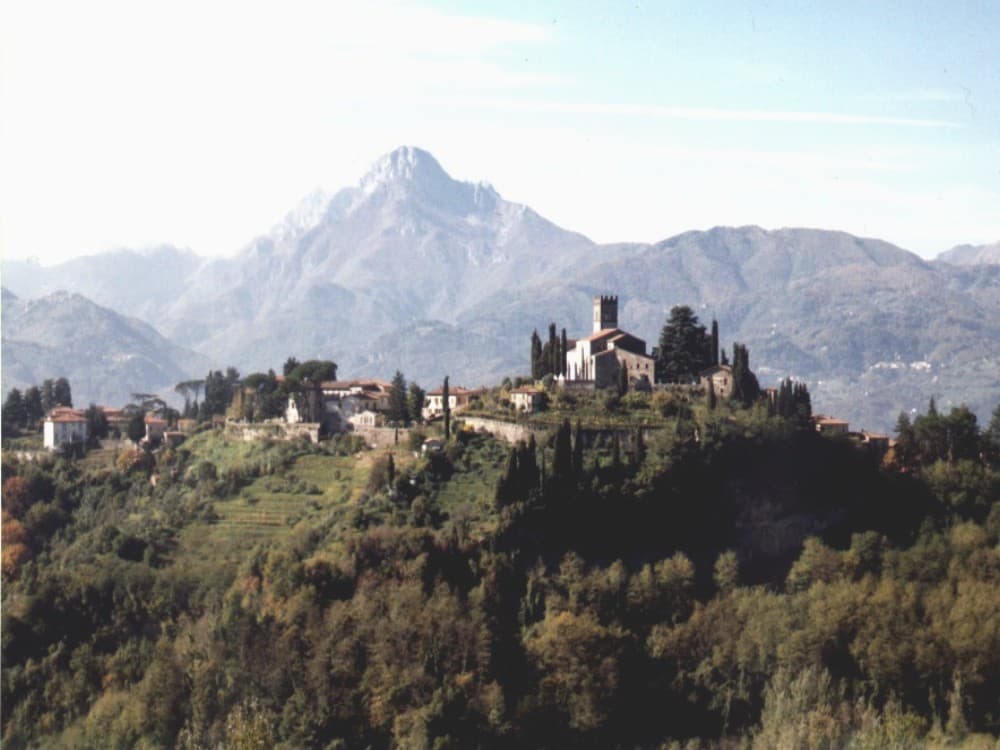
Ville médiévale, Barga se dresse sur une colline, dominant la vallée du Serchio en Toscane, semblant suspendue dans le temps. Ses rues étroites, pavées de pierres, montent en serpentin, révélant des toits en terre cuite, des piazzas baignées de soleil et des vues imprenables sur les Alpes Apuanes et la région environnante de la Garfagnana. Barga offre un mélange unique de charme toscan et d'influences culturelles inattendues.
Ce qui distingue vraiment Barga, c'est son lien remarquable avec l'Écosse. Pendant plus d'un siècle, une partie importante de la population de Barga a émigré en Écosse, en particulier à Glasgow, pour travailler. Beaucoup sont revenus depuis, apportant avec eux un mélange fascinant de traditions écossaises, de langue et même de cuisine, créant une identité anglo-italienne vraiment unique qui imprègne la ville. Cette fusion culturelle, associée à son patrimoine artistique et à son cadre naturel captivant, fait de Barga une destination qui récompense les voyageurs curieux à la recherche de plus qu'une simple expérience toscane typique.
De son imposant Duomo aux ateliers intimes des artisans locaux, Barga invite à l'exploration à un rythme tranquille. La scène culturelle animée de la ville, y compris son célèbre festival de jazz, garantit que si l'histoire est omniprésente, Barga reste un endroit engageant à visiter. C'est un endroit où le parfum de la cuisine toscane se mêle à l'écho lointain d'un accent écossais, offrant une rencontre vraiment mémorable.
## Du bastion lombard au centre toscan Les origines de Barga remontent à l'époque pré-romaine, des preuves suggérant des établissements ligures et étrusques. Cependant, son importance stratégique a véritablement commencé à se consolider pendant la période lombarde, vers le VIe siècle, lorsqu'elle est devenue un castrum fortifié gardant les routes commerciales vitales à travers la vallée du Serchio. Le nom de la ville lui-même proviendrait du mot lombard 'barga', signifiant 'hutte' ou 'abri'.
Au Xe siècle, Barga était sous le contrôle de la puissante famille Rolandinghi, qui a encore renforcé ses défenses. L'imposant Duomo, dédié à San Cristoforo, a commencé sa construction à cette époque, évoluant au cours des siècles pour devenir la magnifique structure que l'on voit aujourd'hui. Sa position élevée et son architecture robuste n'étaient pas seulement destinées au culte, mais servaient également de poste d'observation crucial et de refuge final pendant les conflits.
Tout au long de la période médiévale, Barga s'est retrouvée prise dans les luttes perpétuelles entre les puissances rivales de Pise et de Lucques. Son allégeance a changé plusieurs fois, les deux républiques se disputant le contrôle de cette place forte stratégiquement importante. Les remparts défensifs bien conservés de la ville, les portes comme Porta Reale, et l'« Arringo » (le lieu de rassemblement public devant le Duomo) sont autant de rappels tangibles de cette époque turbulente.
Au début du XIVe siècle, Barga a pris une décision capitale, s'alignant sur Florence. Cette alliance s'est avérée bénéfique, accordant à Barga une période de stabilité et de prospérité relatives sous la protection florentine. La ville est devenue un centre important pour la production et le commerce de la soie, et bon nombre des élégants palazzi qui bordent ses rues aujourd'hui datent de cette période d'influence florentine.
Les XIXe et XXe siècles ont vu un changement démographique important avec l'émigration massive vers l'Écosse, en particulier Glasgow. Ce phénomène unique a valu à la ville le surnom affectueux de « Barga d'Écosse ». Si beaucoup sont revenus, ramenant des coutumes écossaises et même la langue, le lien reste fort, célébré chaque année par des festivals et des échanges culturels. Aujourd'hui, Barga embrasse fièrement son histoire stratifiée, de ses racines anciennes et de ses conflits médiévaux à ses liens écossais uniques, offrant une riche expérience aux visiteurs à explorer.
Commencez votre exploration au Duomo di San Cristoforo, la gloire de Barga. Ce chef-d'œuvre roman, construit en pierre d'albarese locale, offre des vues imprenables depuis sa position élevée. À l'intérieur, admirez l'impressionnant crucifix en bois et la chaire ornée.
Descendez par les rues médiévales (Via di Mezzo est un bon point de départ) pour découvrir de charmantes piazzas comme Piazza Salvo Salvi et Piazza Angelio, parfaites pour un café ou une glace. Cherchez le Teatro dei Differenti, un théâtre du XVIIIe siècle magnifiquement conservé avec une histoire détaillée, y compris des visites de Giacomo Puccini.
Un court trajet en voiture ou une agréable promenade en dehors de la ville principale mène à la Casa Pascoli, l'ancienne demeure du célèbre poète italien Giovanni Pascoli. Aujourd'hui un musée, elle offre un aperçu poignant de sa vie et de son œuvre, conservée presque telle qu'il l'a laissée.
Ne manquez pas le Convento di San Francesco, un complexe serein avec un beau cloître et un petit musée. Les vues depuis ses jardins sont particulièrement agréables. Pour un avant-goût du lien écossais unique de Barga, cherchez l'un des fish and chips shops authentiques de la ville – un délice culinaire surprenant en Toscane.
Barga est attrayante toute l'année, mais le printemps (avril-mai) et le début de l'automne (septembre-octobre) offrent le temps le plus agréable pour explorer à pied, avec des températures confortables et moins de monde. Les mois d'été (juin-août) sont plus chauds et apportent une atmosphère animée avec divers festivals, y compris le célèbre Festival de Jazz de Barga.
Si vous êtes intéressé par le lien écossais, envisagez de visiter pendant le Festival Écossais de Barga en septembre, qui célèbre le patrimoine unique de la ville avec de la musique, de la danse et des jeux écossais traditionnels.
Barga est mieux explorée à pied, car le centre historique est en grande partie piétonnier et présente des rues escarpées et pavées. Des chaussures de marche confortables sont essentielles. Un parking est disponible à l'extérieur des murs principaux, avec plusieurs parkings payants facilement accessibles.
Bien que l'italien soit la langue principale, vous constaterez que de nombreux habitants, en particulier ceux qui ont des liens écossais, parlent anglais. L'argent liquide est largement accepté, mais les cartes de crédit sont courantes dans les grands établissements. Des distributeurs automatiques de billets sont disponibles en ville. Pour se déplacer dans la région plus vaste de la Garfagnana, une voiture est recommandée, bien que des bus locaux relient Barga aux villes voisines et à Lucques.
Envisagez d'acheter une « Garfagnana and Media Valle del Serchio Card » si vous prévoyez de visiter plusieurs musées et attractions de la région, car elle peut offrir des économies.
Barga en coréen, en chinois ou en hébreu — et dans 29 autres langues, chaque étape narrée par une voix native. La plus large gamme de langues de tous les audioguides autoguidés.
Disponible en :