Bolton Town Hall
Beneath the grand Victorian architecture of Bolton Town Hall lies a secret designed for a very different kind of civic emergency.
Full story unlocks in the tour
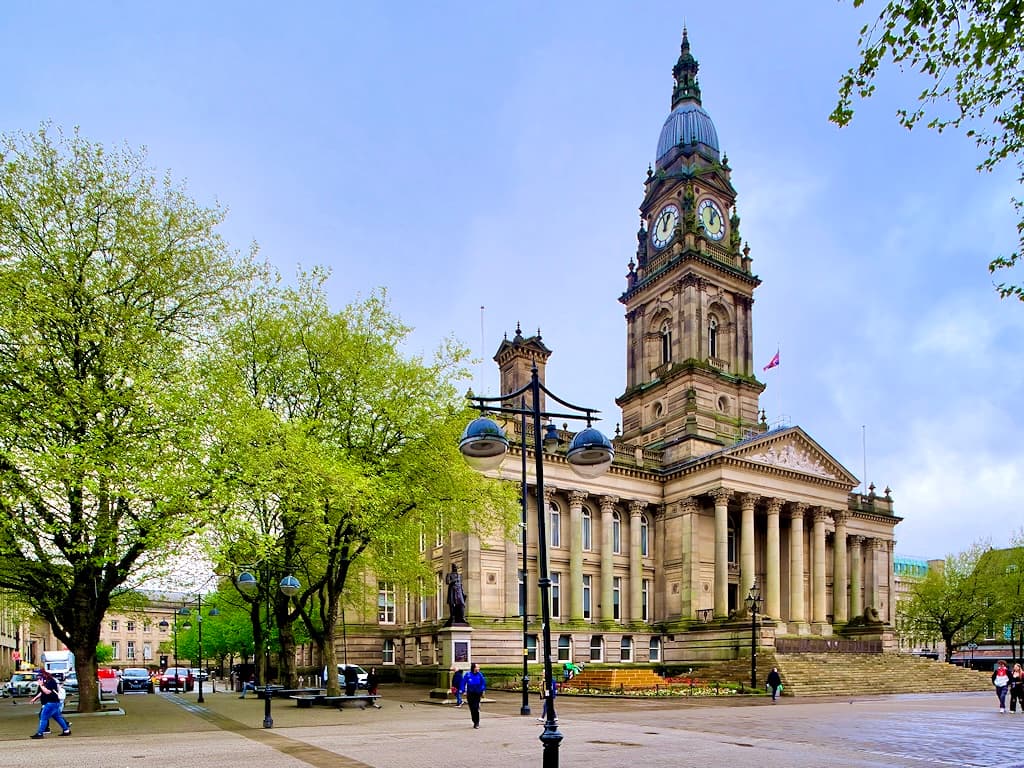 David Dixon / CC BY-SA 2.0, via Wikimedia Commons
Self-guided audio walking tour of Bolton — GPS route, offline playback, story-driven narration in 32 languages.
“From industrial might to unexpected tranquility, Bolton holds more than meets the eye.”
Not the postcards. The stories even locals don't know — whispered in your ear, right where they happened.
Beneath the grand Victorian architecture of Bolton Town Hall lies a secret designed for a very different kind of civic emergency.
One of Britain's oldest pubs, Ye Olde Man & Scythe, holds a grim relic from the English Civil War within its walls.
Bolton's Market Hall was once considered the largest covered market in the entire kingdom, but its grand opening was more than just a ribbon-cutting.
Discover every secret of Bolton
Every address, every reveal in full — in your ear, right where it happened.
You pick your stops. You walk. The voice reveals what the others miss.
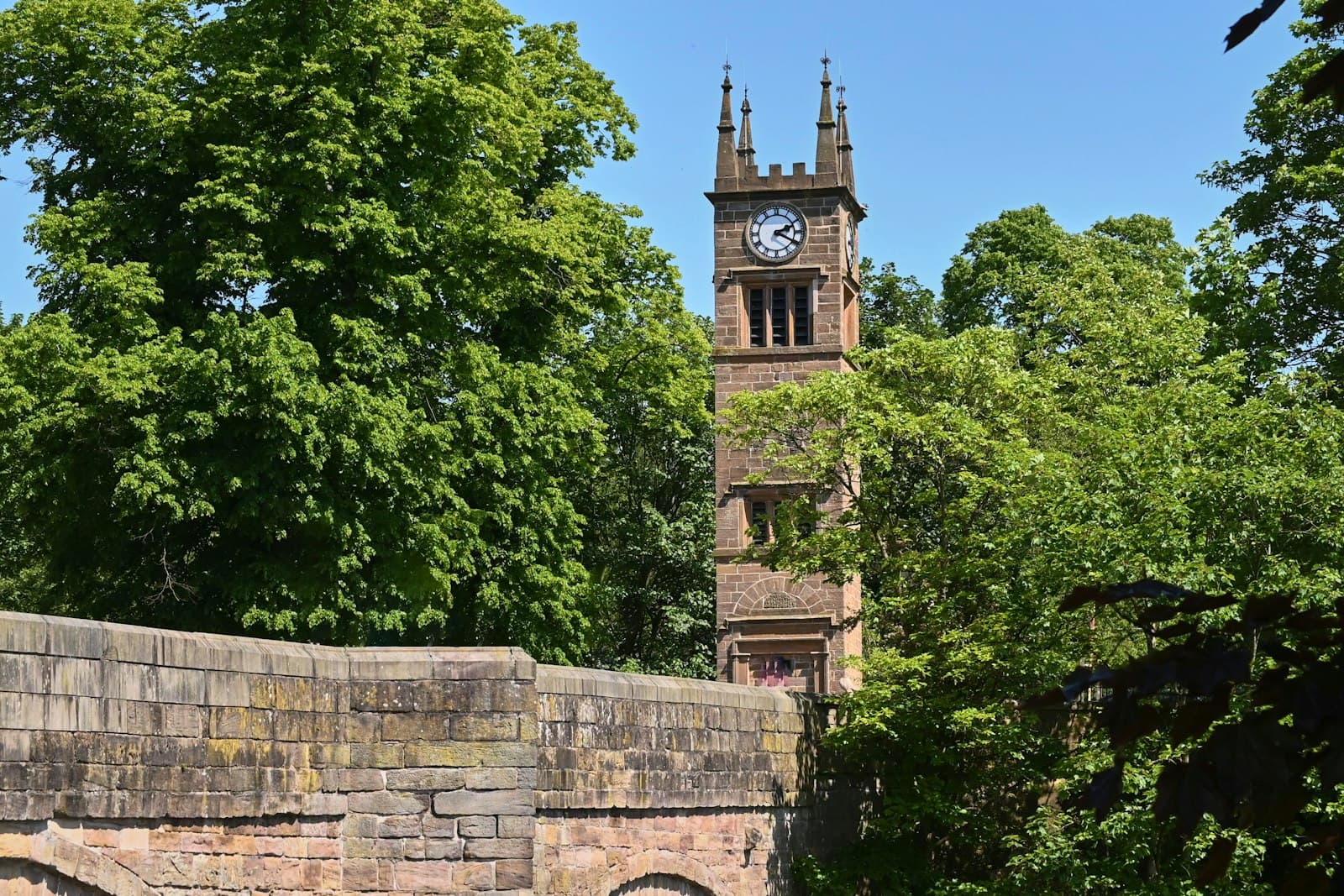
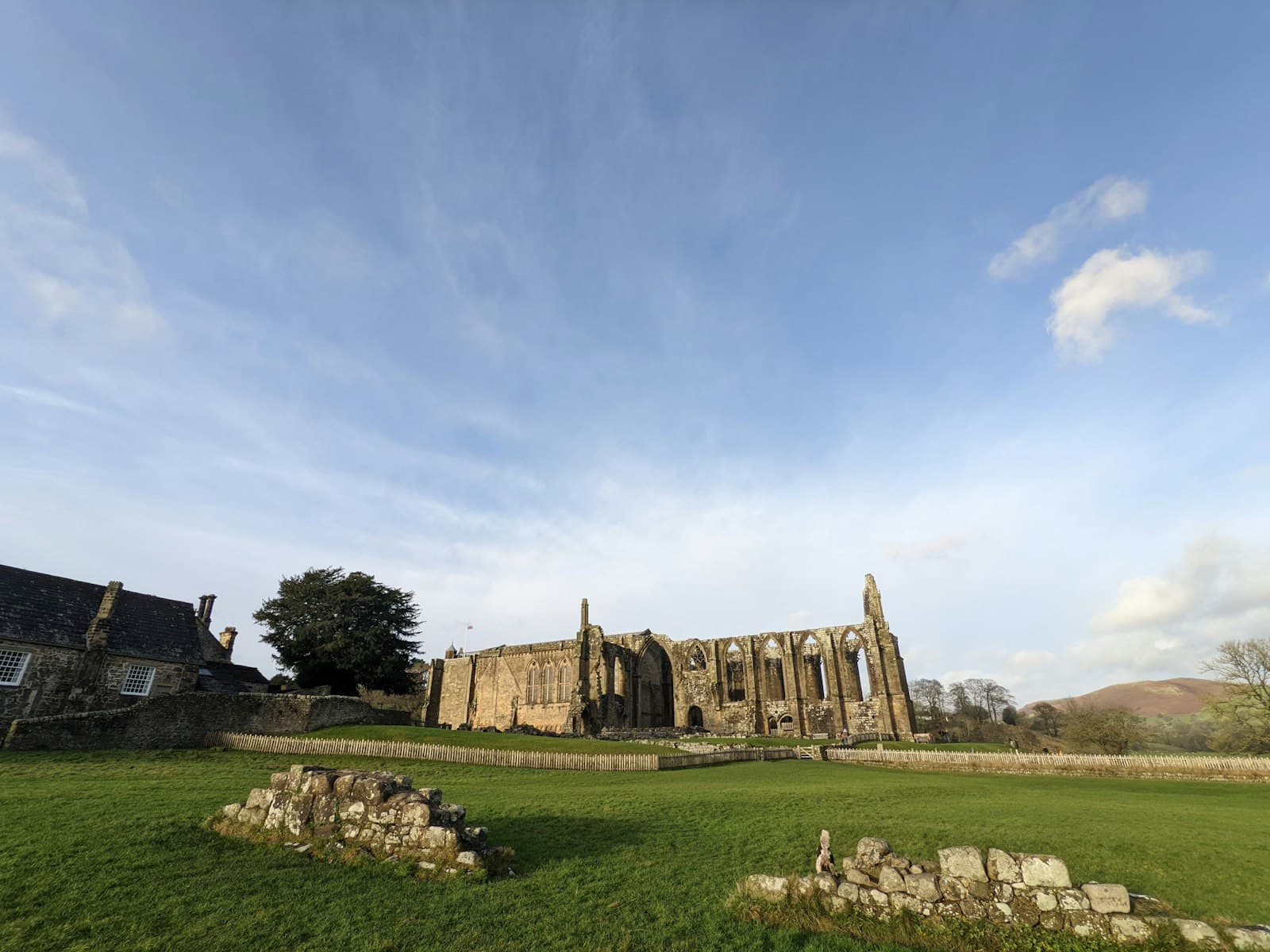
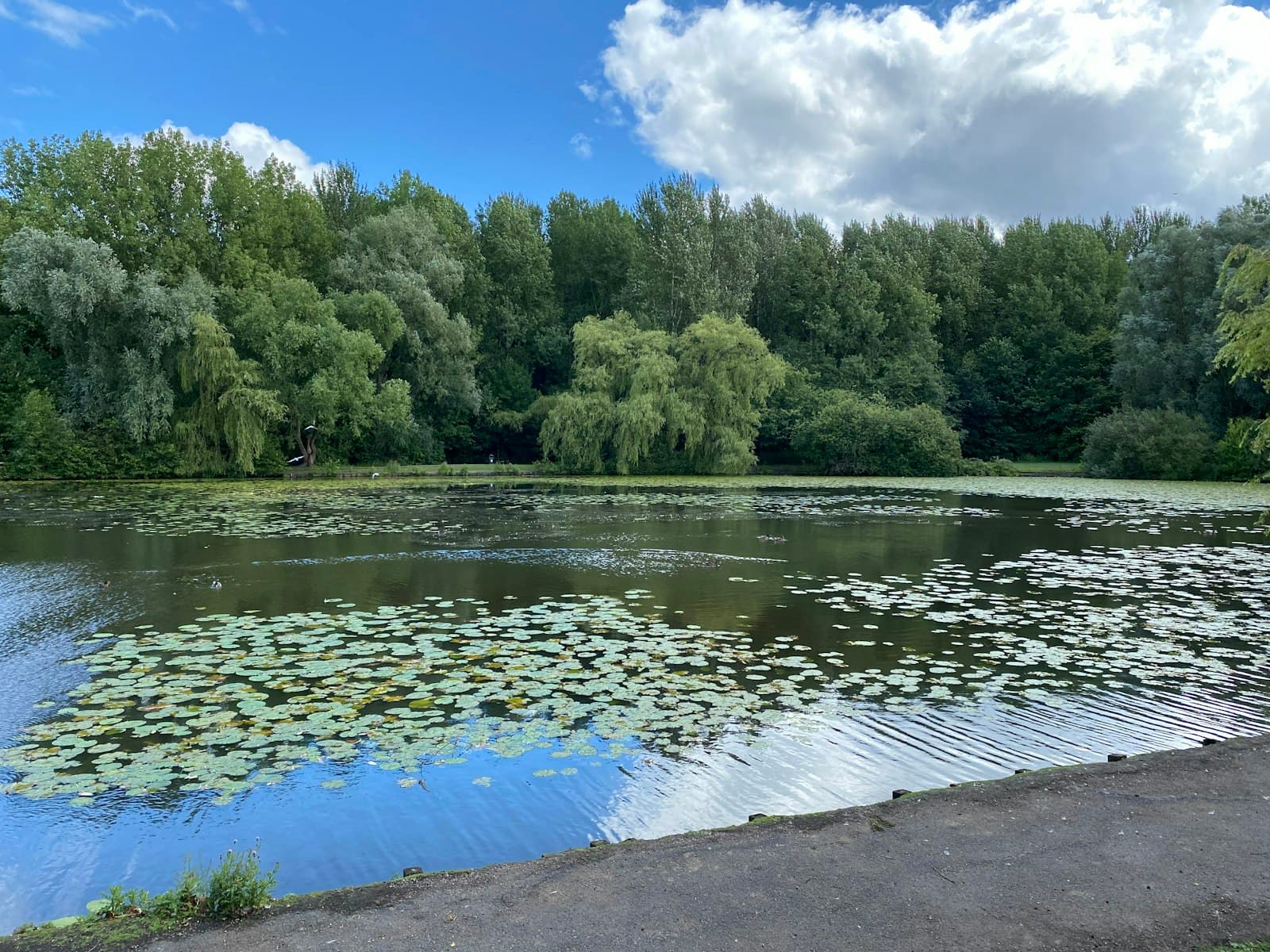
Your self-guided audio tour of Bolton is ready — pick your landmarks, choose your language, and start the moment you arrive.
BuyLume has a built-in augmented-reality guide. Hold your phone up and its camera shows the street ahead of you, with a glowing arrow laid over the real view that always points to your next stop — no map to puzzle over, no wrong turns. Like everything in Lume, it works fully offline.
Bolton, a substantial town in Greater Manchester, England, offers a compelling blend of industrial heritage, cultural activity, and proximity to dramatic natural landscapes. Situated approximately 10 miles (16 km) northwest of Manchester, it serves as a gateway to the scenic West Pennine Moors. Once a global epicentre of textile production, Bolton's skyline, though now largely free of the countless chimneys that once defined it, still echoes its 'Worktown' past.
The town's motto, "Supera Moras," meaning "overcome difficulties" or "delays," is a clever pun on its historical name, Bolton-le-Moors. Today, Bolton is recognized for its diverse cultural offerings, including a thriving theatre scene, a well-regarded museum with a significant Egyptology collection, and a lively food and drink festival. Its friendly, down-to-earth atmosphere provides an authentic Northern English experience, inviting exploration of both its urban core and the surrounding countryside.
Bolton's evolution from a small moorland settlement to a significant urban centre is a testament to its resilience and adaptability. With a population of over 184,000 within the town and nearly 300,000 in the wider metropolitan borough, it holds a unique position in the region. Whether you're drawn to its industrial legacy, its cultural institutions, or the allure of its natural surroundings, Bolton presents a multifaceted destination waiting to be discovered.
## From Ancient Roots to Cotton King Bolton's story stretches back to the Bronze Age, with evidence of early settlements found on the surrounding moors. Its name, derived from the Old English 'Bothl-tun,' simply means 'a settlement with a dwelling.' The town officially gained its market charter from King Henry III in 1251, establishing it as a trading hub. By 1337, Flemish weavers had settled in Bolton, introducing woollen cloth manufacturing, a tradition that continued with a second wave of Huguenot weavers in the 17th century, who brought with them the weaving of fustian, a linen and cotton blend.
## The Civil War and Industrial Boom During the English Civil War, Bolton found itself a Parliamentarian stronghold in a predominantly Royalist region. This allegiance led to a brutal event in 1644, known as the Bolton Massacre, when Royalist troops stormed the town, resulting in significant casualties and prisoners. Despite this setback, the mid-17th century saw the cotton weaving industry begin to flourish, laying the groundwork for Bolton's future prosperity.
The late 18th and 19th centuries marked Bolton's transformation into a powerhouse of the Industrial Revolution. Local innovators like Richard Arkwright and Samuel Crompton, who invented the spinning mule in 1779, revolutionized textile production. The abundance of streams feeding the River Croal provided the necessary water for bleach works, further cementing Bolton's role. By 1851, Bolton's population had swelled, and it was globally recognized as a leading centre for cotton weaving and bleaching. At its peak in 1929, the town contained 216 cotton mills and 26 bleaching and dyeing works.
## Post-Industrial Evolution The cotton industry's decline after the First World War led to a significant shift in Bolton's economy. By the 1980s, cotton manufacturing had largely ceased. However, Bolton adapted, transitioning to more high-tech industries and becoming a commuter town for nearby Manchester. The town has successfully diversified, embracing education with the University of Bolton, and developing a cultural and leisure scene, while still preserving its industrial heritage.
Begin your exploration at the imposing Bolton Town Hall in Victoria Square, a magnificent Victorian edifice opened by the Prince of Wales in 1873. Nearby, Le Mans Crescent offers a striking architectural backdrop, often seen in film and TV productions. Delve into the town's past at the Bolton Museum, Art Gallery and Aquarium, which houses a diverse collection including local history, natural fauna, and a significant Egyptology exhibition.
For a deeper dive into Bolton's industrial legacy, the Bolton Steam Museum showcases an impressive array of stationary steam engines rescued from former textile factories. Experience the town's enduring market tradition at Bolton Market on Ashburner Street, open several days a week and featuring a new food hall. Step back in time at medieval manor houses like Smithills Hall and Hall i' th' Wood Museum, the latter being the former home of spinning mule inventor Samuel Crompton.
For outdoor pursuits, Queen's Park offers a classic Victorian green space with gardens and a boating lake. The nearby West Pennine Moors provide extensive opportunities for walking, cycling, and enjoying panoramic views, with popular spots like Rivington Pike.
The best time to visit Bolton for pleasant weather and outdoor activities is from June through September. July is typically the warmest month, with average highs around 19-20°C (66-68°F). While precipitation is common year-round, April tends to be the driest month. For fewer crowds and potentially better value, consider visiting between December and March, though the weather will be cooler. September is a particularly good time to experience the annual Bolton Food and Drink Festival.
Bolton is well-connected by road, with the M61 and M60 motorways easily accessible. For those arriving by train, Bolton Interchange is a central hub, offering regular services from Manchester, Preston, and other regional destinations. Manchester International Airport (MAN) is approximately a 30-minute drive away.
Within Bolton, public transport is primarily served by an extensive bus network. Taxis and ride-sharing services like Uber are also readily available. The town centre is pedestrian-friendly, and for exploring the surrounding countryside, cycling routes are well-established. A typical itinerary for Bolton might range from one to two days to see key sites, extending to three or four days to fully enjoy local dining and explore the wider area.
Bolton in Korean, in Chinese or in Hebrew — and 29 more languages, every stop narrated by a native voice. The widest language range of any self-guided audio tour.
Available in: