Calvi Citadel
A prominent landmark in Calvi bears a Latin inscription that speaks volumes about the city's enduring spirit.
Full story unlocks in the tour
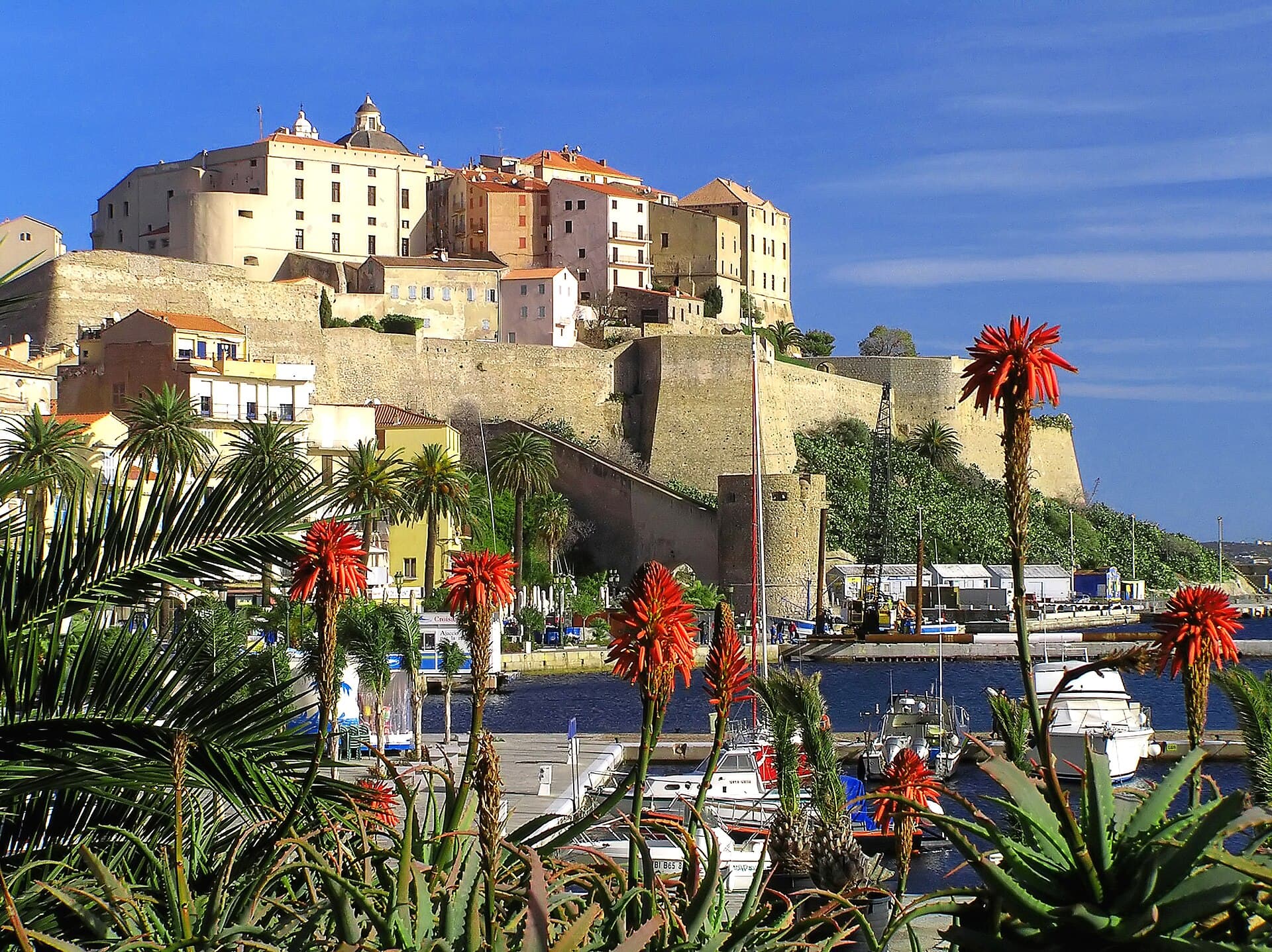 Pierre Bona / CC BY-SA 3.0, via Wikimedia Commons
Self-guided audio walking tour of Calvi — GPS route, offline playback, story-driven narration in 32 languages.
“Where ancient stones meet turquoise seas.”
Not the postcards. The stories even locals don't know — whispered in your ear, right where they happened.
A prominent landmark in Calvi bears a Latin inscription that speaks volumes about the city's enduring spirit.
The birthplace of a world-renowned explorer is said to be found within Calvi's ancient walls, though history often points elsewhere.
A legendary British admiral, famous for his naval victories, suffered a significant personal loss during a siege in Calvi.
Discover every secret of Calvi
Every address, every reveal in full — in your ear, right where it happened.
You pick your stops. You walk. The voice reveals what the others miss.
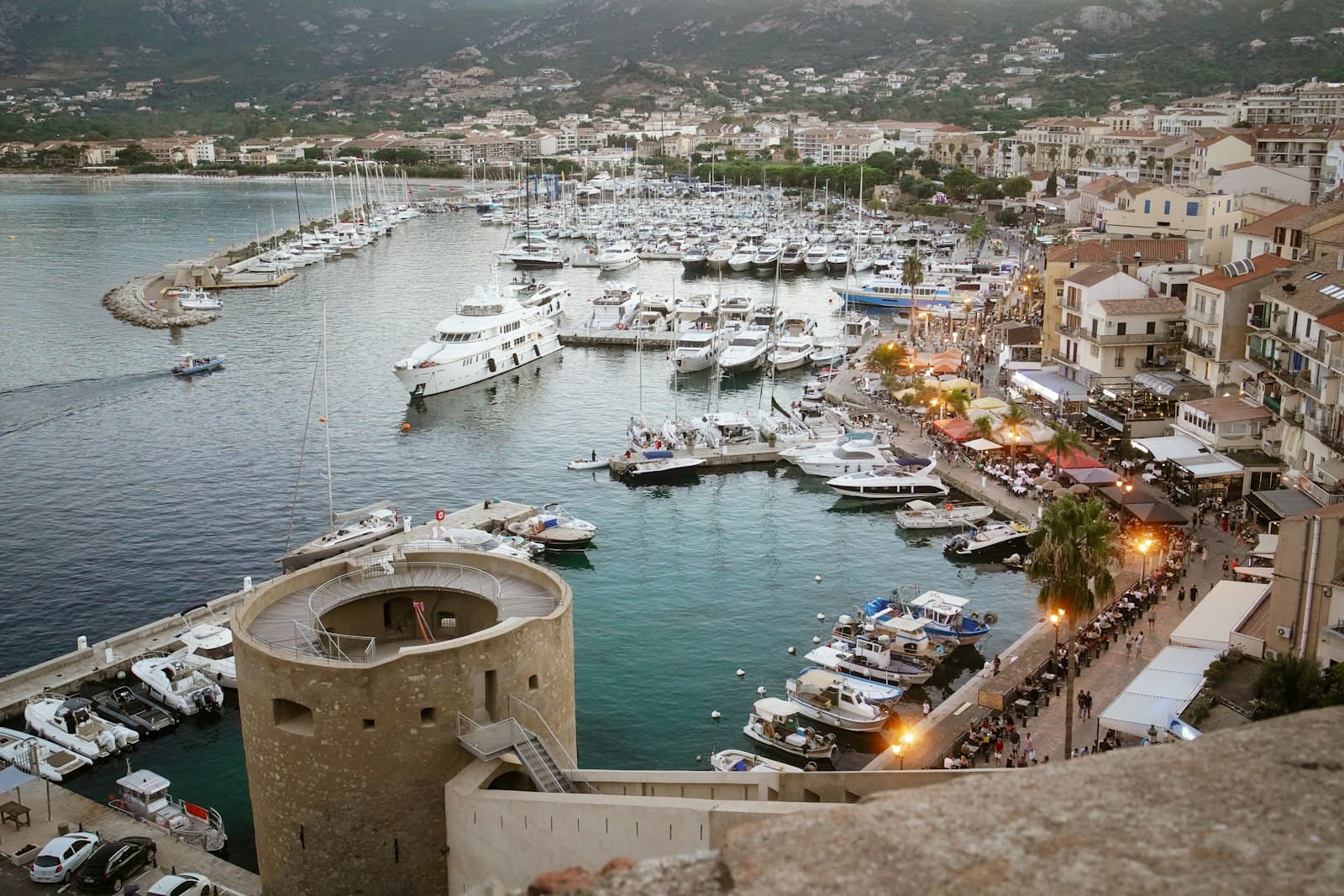


Your self-guided audio tour of Calvi is ready — pick your landmarks, choose your language, and start the moment you arrive.
BuyLume has a built-in augmented-reality guide. Hold your phone up and its camera shows the street ahead of you, with a glowing arrow laid over the real view that always points to your next stop — no map to puzzle over, no wrong turns. Like everything in Lume, it works fully offline.
Calvi, a striking town on Corsica's northwest coast, draws visitors with its formidable citadel, active marina, and wide sandy beaches. The town's dramatic setting, with its imposing fortifications overlooking the Mediterranean and backed by forested mountains, offers a blend of historical depth and natural allure. Whether you are drawn to exploring ancient, winding passages or relaxing by the clear turquoise waters, Calvi provides a memorable Corsican experience.
The town's dual character, with the historic citadel seemingly frozen in time and the lively modern town below, creates a dynamic atmosphere. From sipping rosé at the fishing harbor to discovering secluded coves, Calvi offers a balance of cultural immersion and comfortable amenities. It serves as a gateway to the Balagne region, an area abundant in artisan workshops, local producers, and appealing villages.
The history of Calvi stretches back to ancient times, with archaeological findings indicating human presence as early as the Neolithic period. The Romans established economic and commercial ties with the Calvans around 259 BC. However, the decline of Rome in the 4th century AD led to barbarian invasions that devastated the town.
Calvi's modern form began to take shape in the 13th century, during a period when Corsica was administered by the Italian republics of Pisa and Genoa. Constant conflicts between local lords prompted the citizens of Calvi to seek protection from Genoa. In 1278, the Genoese governor Giovaninello de Loreto laid the foundation for a powerful citadel on a rocky promontory, marking a pivotal moment in the city's development. This fortress was strategically important, given Calvi's location as the closest port to Genoa and the French coast, with a deep, protected bay ideal for naval fleets.
Calvi became a stronghold of loyalty to Genoa, earning the motto "Civitas Calvi Semper Fidelis" (The City of Calvi Always Faithful), which can still be seen above the citadel gates. This loyalty was tested in 1420 when King Alfonso V of Aragon besieged and conquered the city. However, his subsequent failure at Bonifacio led the Calvais to revolt and destroy the Spanish garrison. The city also heroically defended itself against a combined Franco-Turkish fleet between 1553 and 1555. In 1555, it was plundered by Dragut Reis and his Barbary pirates.
In 1768, Genoa ceded Corsica to France, initiating a period of French administration in Calvi. During the French Revolutionary Wars, British forces, including Admiral Horatio Nelson, captured Calvi in a 1794 siege, during which Nelson lost an eye. The town was retaken by Corsicans the following year, and French troops permanently secured it as part of France in 1796.
The late 19th century saw the draining of surrounding marshes, which helped combat malaria and paved the way for Calvi's transformation into a resort town. The opening of a railway line in 1890 further boosted trade and transportation. In 1943, Calvi played a crucial role as a bridgehead for the liberation of Corsica from Fascist occupation, serving as an important Allied supply base. Since 1967, the 2nd Foreign Parachute Regiment of the French Foreign Legion has been stationed in the city fortress. Today, Calvi's economy is largely driven by summer tourism, which began to flourish in the 1950s.
Begin your exploration at the Calvi Citadel, a formidable 13th-century fortress offering sweeping 360-degree views of the town, the bay, and the snow-capped Corsican mountains. Wander through its narrow, stone-paved passages, discovering the Cathédrale St-Jean Baptiste, originally founded in the 13th century and rebuilt in 1570, which houses the ebony Christ des Miracles, believed to have protected the city during a 16th-century siege. Do not overlook the former Governor's Palace and the Sampiero Barracks, dating from 1496.
Below the citadel, the Marina of Calvi is an active hub, accommodating numerous boats and lined with shops and restaurants. Enjoy fresh seafood on a terrace with harbor views. The Église Sainte Marie Majeure, with its brightly painted Baroque facade, stands out among the town's buildings and holds the Christ des Miracles crucifix.
For expansive vistas, hike to the Chapel of Notre Dame de la Serra, situated on a hill overlooking Calvi and its gulf. The Revellata Lighthouse, at the end of the Calvi peninsula, also offers scenic coastal walks and wild coves. Calvi's main beach, Plage de la Pinède, is a long stretch of white sand bordered by a pine forest, offering clear, shallow waters ideal for swimming and various water sports.
Calvi enjoys a warm Mediterranean climate, making it an appealing destination throughout much of the year. The ideal time to visit for warm-weather activities and beach enjoyment is from late June to late August, when average daily high temperatures are above 79°F (26°C) and rainfall is minimal. July is the sunniest month, with an average of 11 hours of sunshine per day.
For those who prefer fewer crowds and pleasant temperatures for hiking and exploring, late March, April, May, September, and October are excellent choices. During these shoulder seasons, the weather is comfortable, and the Corsican immortelle and lavender are in bloom in spring. Even in the off-season, Calvi remains active, with restaurants and activities available year-round.
Calvi is accessible by plane, with Calvi Sainte-Catherine Airport (CLY) located approximately 7 kilometers southeast of the city center. You can also reach Calvi by boat, with overnight crossings available from Marseille to Île Rousse and, in summer, from Toulon to Île Rousse.
Within Calvi, many attractions are walkable, especially the citadel and the marina. The Trinichellu, a small tourist train, connects Calvi with various beaches and scenic coastal villages, including L'Île Rousse and Algajola, offering picturesque views. Local bus services connect Calvi to other major towns and attractions across Corsica, though frequencies can be low. Taxis are available, with a ride from the city center to the airport typically costing €30 to €50. Car rentals offer flexibility for exploring the wider region, but be aware that Corsica's roads can be narrow and winding.
Accommodation options in Calvi range from hotels and furnished rentals to villas and apartments, catering to various preferences and budgets. Many hotels are located near the historic center, by the beach, or within the citadel itself.
Calvi in Korean, in Chinese or in Hebrew — and 29 more languages, every stop narrated by a native voice. The widest language range of any self-guided audio tour.
Available in: