Restaurant A Casarella
De nombreux visiteurs de Pigna sont attirés par un restaurant particulier, non seulement pour sa cuisine, mais aussi pour un détail réconfortant qui témoigne de son charme durable.
L'histoire complète se débloque dans le tour
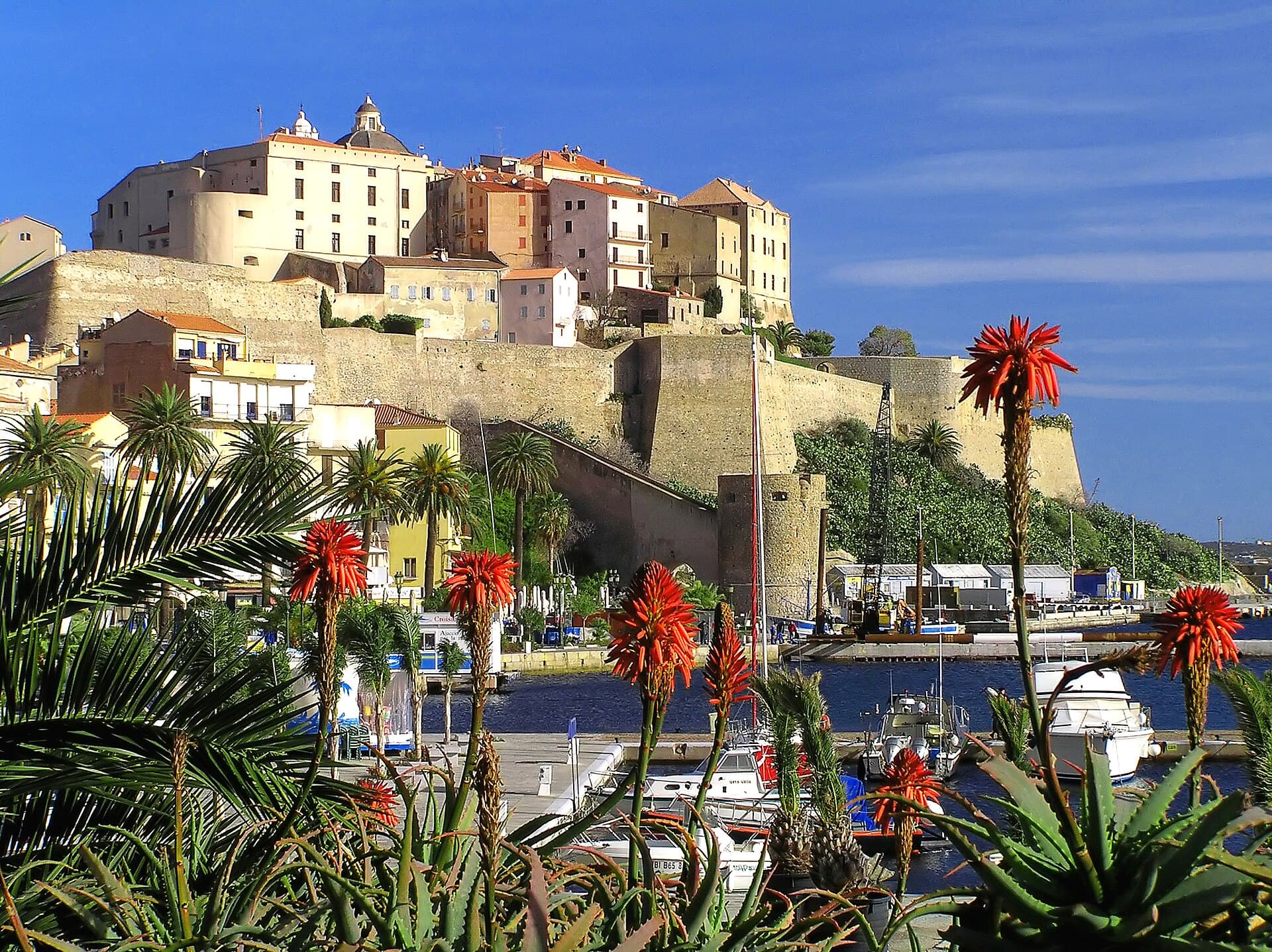 Photo of Calvi, via Wikimedia Commons
Visite audio autoguidée de Pigna — parcours GPS à pied, lecture hors ligne, narration en 32 langues.
“Là où la tradition corse prend vie, Pigna est un village de pierres dorées, de volets bleus et de mélodies intemporelles.”
Pas les cartes postales. Les histoires que même les habitants ignorent — soufflées à l'oreille, là où elles se sont passées.
De nombreux visiteurs de Pigna sont attirés par un restaurant particulier, non seulement pour sa cuisine, mais aussi pour un détail réconfortant qui témoigne de son charme durable.
Les volets bleus distinctifs qui ornent presque toutes les maisons de Pigna sont plus qu'un simple choix esthétique charmant.
Ce village, avec une population d'un peu plus d'une centaine d'habitants, abrite un auditorium construit selon une méthode ancienne et unique, témoignant de son engagement envers la préservation culturelle.
Découvrez tous les secrets de Pigna
Chaque adresse, chaque révélation en entier — dans ton oreille, là où elle s'est passée.
Tu choisis tes lieux. Tu marches. La voix te révèle ce que les autres ignorent.

Votre visite audioguidée de Pigna vous attend — choisissez vos lieux, votre langue, et lancez-vous dès votre arrivée.
AcheterLume intègre un guide en réalité augmentée. Levez votre téléphone : sa caméra montre la rue devant vous, avec une flèche lumineuse posée sur l'image réelle qui pointe toujours vers votre prochain arrêt — aucune carte à déchiffrer, aucun mauvais virage. Comme tout dans Lume, ça fonctionne entièrement hors-ligne.
Perché sur un éperon rocheux dans la région de la Balagne en Corse, Pigna est un village où le temps semble ralentir, invitant les visiteurs à flâner dans ses ruelles de pierre et à embrasser son esprit artistique. Connu comme un 'village d'artistes et d'artisans', Pigna a cultivé une identité unique, privilégiant le patrimoine culturel et l'artisanat traditionnel. De ses maisons en pierre dorée ornées de volets bleus distinctifs à ses vues imprenables sur la mer Méditerranée et la baie d'Algajola, Pigna offre un aperçu captivant de la vie corse.
Après avoir fait face au déclin, Pigna a connu une remarquable revitalisation dans les années 1960, se transformant en un centre florissant pour les musiciens et les artisans. Cet engagement à préserver et à promouvoir la culture corse est évident dans ses nombreux ateliers, galeries d'art et ses événements musicaux réputés. Une visite à Pigna n'est pas seulement une promenade dans un village pittoresque ; c'est une immersion dans une tradition vivante, où chaque recoin révèle une histoire, un métier ou une mélodie.
Les origines de Pigna remontent au IXe siècle. Le lieutenant Consalvo, envoyé par le Pape pour libérer la Corse des Sarrasins, y construisit une tour, la nommant Pigna en souvenir de sa région natale à Rome. Cela marqua le début d'une colonie qui deviendrait un village médiéval, stratégiquement positionné sur un éperon rocheux surplombant la région de la Balagne.
Pendant des siècles, Pigna, comme de nombreux villages corses, a été façonnée par son existence rurale. Au début du XVIIIe siècle, elle était l'un des seize villages composant la pieve d'Aregnu, une région connue pour son abondance agricole, notamment la production d'huile d'olive. Cependant, le XXe siècle apporta des défis importants. Le travail se faisant rare dans ces villages anciens, de nombreux habitants se sont installés dans les villes côtières, entraînant une période de déclin et de délabrement pour Pigna.
Le tournant est arrivé dans les années 1960 lorsqu'une puissante initiative a été lancée pour sauver le village. Une association a été formée dans le but de rénover les maisons et de favoriser une communauté de musiciens et d'artistes. Cette entreprise a été très fructueuse, attirant des artisans et des artistes avec des subventions pour établir des ateliers à Pigna. Cet effort de revitalisation a non seulement restauré de nombreuses maisons historiques du village, mais a également établi Pigna comme un centre animé pour la musique et les arts, une tradition qui continue de prospérer aujourd'hui. L'engagement du village envers la préservation culturelle est en outre illustré par son inclusion parmi 'Les plus beaux villages de France', un label prestigieux partagé par un seul autre village en Corse, Sant'Antonino.
Pigna invite à l'exploration à pied, car son intérieur est entièrement piétonnier. Commencez votre visite par la place principale, qui fait face à l'église de l'Immaculée Conception. Cette église de style baroque du XVIIe siècle, bien que modeste de l'extérieur avec ses quatre pilastres et ses deux petites tours, abrite des œuvres remarquables, notamment des peintures du XVIIe siècle comme 'La Rixe des Paysans' et 'La Cène', toutes deux classées Monuments Historiques.
Depuis la place, suivez les ruelles en pierre et en escalier qui serpentent à travers le village. Ces chemins mènent à de nombreuses boutiques d'artisans et galeries d'art, présentant le travail d'artisans locaux, de la poterie et des bijoux en verre aux fabricants d'instruments. Les volets bleus distinctifs et les toits en terre cuite du village sont un plaisir visuel constant.
Un site historique intéressant est l'Enclos A Vaccaghja, autrefois un enclos à bétail, maintenant transformé en un auditorium en plein air et classé Monument Historique. Pour des vues imprenables, cherchez la Piazza a l'Olmu, qui offre des vues étendues vers l'ouest, idéales pour admirer le coucher de soleil sur la mer Méditerranée et la baie d'Algajola. Pigna sert également de base excellente pour explorer d'autres villages attrayants de la Balagne comme Sant'Antonino, à seulement 45 minutes à pied.
La meilleure période pour visiter Pigna, et la Corse en général, est entre mai et septembre. Pendant ces mois, le temps est ensoleillé et chaud, parfait pour explorer le village et profiter des vues. Juillet est une période particulièrement animée, car Pigna accueille le célèbre festival Festivoce, une célébration de la musique vocale et du monde qui remplit le village de concerts et de spectacles. Pour éviter les foules estivales les plus importantes tout en profitant d'un temps agréable, envisagez de visiter en mai, juin ou septembre. Avril et octobre offrent également des conditions agréables pour une visite.
Pigna est facilement accessible en voiture, situé à une courte distance en voiture de L'Île-Rousse (environ 15 minutes) et de Calvi (environ 30 minutes). Un parking public payant est disponible à l'entrée du village, car l'intérieur de Pigna est piétonnier. En juillet et août, il est conseillé d'arriver tôt ou tard dans la journée en raison du nombre élevé de touristes.
Dans le village, vous trouverez une sélection de restaurants et de cafés. A Casarella et A Mandria di Pigna sont des choix populaires, proposant des spécialités corses et offrant souvent des terrasses avec des vues panoramiques. Pour l'hébergement, les options incluent l'Hôtel Palazzu Pigna, un hôtel 3 étoiles dans un bâtiment du XVIIIe siècle, et Casa Musicale, une maison d'hôtes sur le thème de la musique.
Portez des chaussures de marche confortables, car le village présente des chemins en pierre et un terrain inégal et en pente. La monnaie locale est l'euro, et il est conseillé d'avoir de l'argent liquide, car certains petits magasins ou cafés pourraient le préférer.
Pigna en coréen, en chinois ou en hébreu — et dans 29 autres langues, chaque étape narrée par une voix native. La plus large gamme de langues de tous les audioguides autoguidés.
Disponible en :