Place de la Libération (Place Porta)
La plaza central de Sartène esconde un detalle sobre su antigua identidad.
La historia completa se desbloquea en el tour
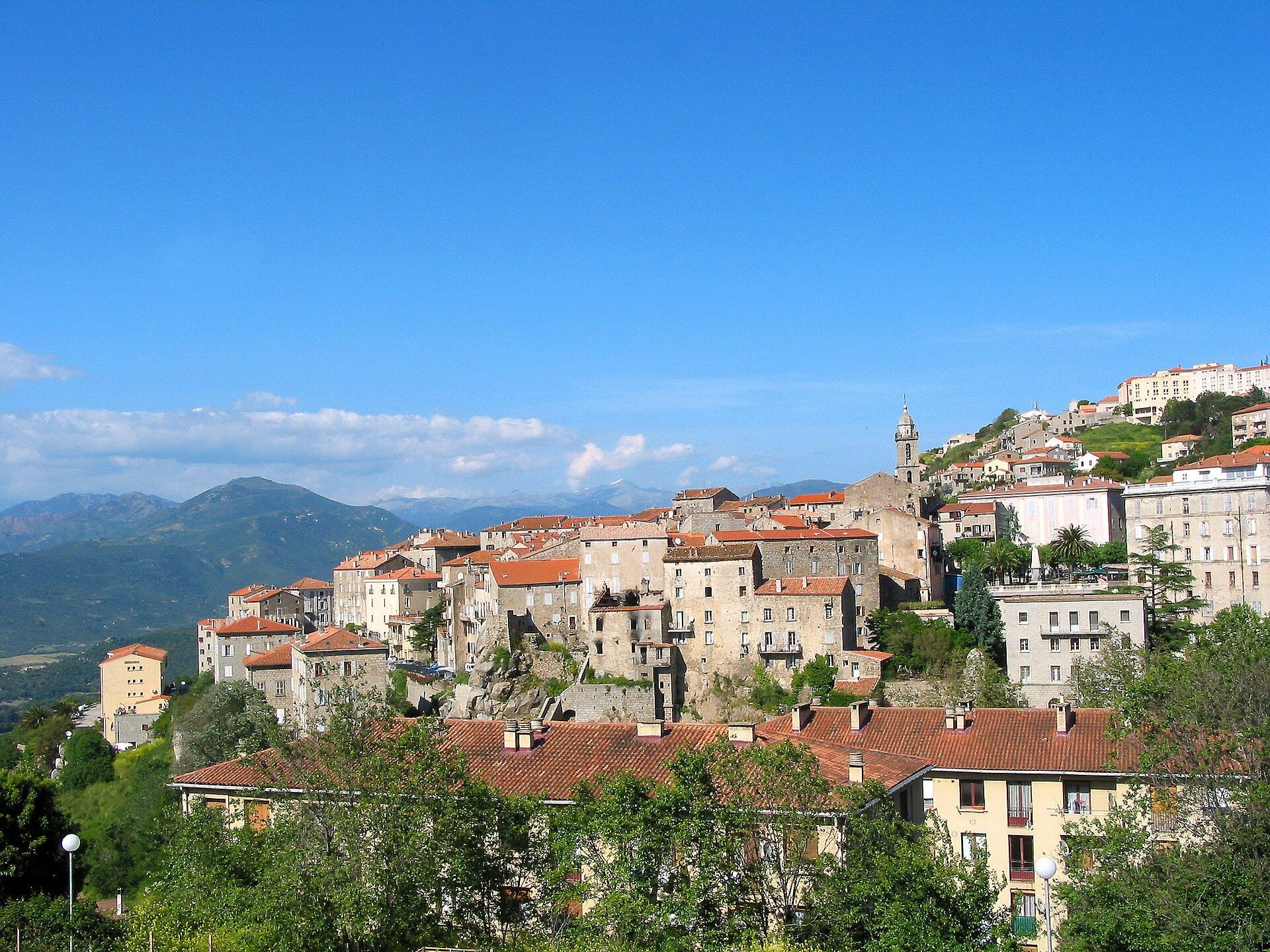 Jean-Pol GRANDMONT / CC BY 3.0, via Wikimedia Commons
Tour de audio autoguiado de Sartène — ruta GPS a pie, reproducción offline, narración en 32 idiomas.
“Sartène: Donde los acantilados de granito guardan historias ancestrales y costumbres perdurables.”
No las postales. Las historias que ni los locales conocen — al oído, justo donde ocurrieron.
La plaza central de Sartène esconde un detalle sobre su antigua identidad.
Una de las tradiciones de Pascua más impactantes de Córcega guarda un detalle sorprendente sobre su práctica histórica.
A pesar de su apariencia ancestral, el establecimiento de Sartène por los genoveses revela un origen práctico, más que puramente antiguo.
Descubre todos los secretos de Sartène
Cada dirección, cada revelación al completo — a tu oído, justo donde ocurrió.
Eliges tus paradas. Caminas. La voz te revela lo que los demás ignoran.


Tu tour de audioguía por Sartène te espera — elige tus lugares, tu idioma y empieza al llegar.
ComprarLume incluye una guía de realidad aumentada. Levanta el móvil y su cámara muestra la calle que tienes delante, con una flecha luminosa sobre la imagen real que siempre apunta a tu próxima parada — sin mapas que descifrar, sin giros equivocados. Como todo en Lume, funciona completamente sin conexión.
Sartène, a menudo llamada "la más corsa de las ciudades corsas" por el novelista francés Prosper Mérimée, se asienta dramáticamente sobre una ladera de granito en el suroeste de Córcega. Esta subprefectura de Córcega del Sur ofrece una visión auténtica del espíritu de la isla, con sus calles medievales, edificios de piedra fortificados y un evocador entorno montañoso. Las oscuras fachadas de granito y los estrechos callejones de la ciudad contribuyen a una atmósfera que se siente atemporal y profundamente arraigada en la tradición, distinguiéndola de algunos de los lugares más turísticos de la isla.
A 300 metros sobre el nivel del mar, Sartène ofrece vistas panorámicas sobre las colinas del sur y las montañas del vasto interior de Córcega. Sirve como base para explorar los variados paisajes del sur de Córcega, desde zonas costeras hasta sitios prehistóricos y pueblos de montaña. El patrimonio histórico y cultural de la ciudad es profundo, marcado por un pasado turbulento lleno de historias de vendettas y bandolerismo, sin embargo, ha logrado preservar su estilo arquitectónico distintivo y un ambiente sombrío.
El área que rodea Sartène es testigo de actividad humana que se remonta a tiempos prehistóricos, con numerosos sitios megalíticos, incluidos menhires y dólmenes, dispersos por sus fértiles tierras. Estos antiguos vestigios sugieren una presencia humana larga y continua en la región. Sin embargo, la ciudad de Sartène en sí, a pesar de su aire antiguo, fue establecida formalmente por los genoveses en 1507 después de su victoria sobre Rinuccio Della Rocca. Construyeron estratégicamente la ciudad sobre imponentes acantilados, una medida defensiva diseñada para disuadir invasiones.
A lo largo del siglo XVI, Sartène sirvió como centro administrativo genovés. Las murallas de la ciudad se construyeron entre 1550 y 1552 para reforzar aún más sus defensas. A pesar de estas fortificaciones, Sartène enfrentó desafíos significativos. En 1565, fue atacada por las tropas de Sampiero Corso, un patriota corso. Un evento más devastador ocurrió en 1583 cuando piratas de Argel, liderados por Hassan Pasha, asaltaron la ciudad, capturando y esclavizando a aproximadamente 400 de sus habitantes. Estos ataques costeros continuaron hasta el siglo XVIII, contribuyendo a una sensación predominante de inseguridad.
El feudalismo en Sartène, dominado por familias nobles corsas, a veces alineó la ciudad con Génova y más tarde con Francia, obstaculizando los movimientos independentistas liderados por figuras como Sampiero Corso y Pasquale Paoli. En 1732, el área circundante fue devastada, y en 1768, Sartène pasó a formar parte de Francia. Hoy, Sartène se erige como la comuna más grande de Córcega por área y la decimoquinta más grande de la Francia metropolitana, un testimonio de su presencia perdurable y significado histórico.
Comience su exploración en el casco antiguo medieval de Sartène, un laberinto de callejones, escaleras y edificios de granito construidos en varios niveles. La experiencia se disfruta mejor simplemente deambulando y descubriendo sus rincones tranquilos. El corazón de Sartène es la triangular Place de la Libération, bordeada de árboles, también conocida por su antiguo nombre, Place Porta. Esta plaza central alberga el Hôtel de Ville, una estructura fortificada del siglo XVI que una vez albergó al gobernador genovés, y la iglesia de granito de Sainte-Marie del siglo XVIII, que presenta un campanario y torre del reloj de tres niveles. El interior de la iglesia destaca por su vívida decoración.
Para una comprensión más profunda del pasado de la isla, visite el Musée de Préhistoire et d'Archéologie Corse, que alberga una colección de hallazgos arqueológicos de sitios cercanos como Cauria, Funtanaccia y Paddaghju. Los sitios arqueológicos de Pianu de Cauria, a poca distancia en coche de Sartène, ofrecen un paseo fácil para admirar los menhires de estatua en Stantari y Rinaju/Renaghju, y el dolmen de Funtanaccia, considerado el mejor ejemplo en Córcega. No se pierda la Echauguette, una torre genovesa del siglo XVI que ofrece vistas del valle de Rizzanese. Para vistas expansivas de Sartène y las montañas circundantes, suba al Monument de la Résistance.
La época más agradable para visitar Sartène es durante los meses de mayo, junio, julio, agosto, septiembre y octubre. Durante este período, las temperaturas son agradables, oscilando entre 20°C y 28°C. Sartène experimenta una estación seca definida de junio a agosto, siendo julio el mes más seco. Julio también ofrece la mayor cantidad de sol, con un promedio de 12.3 horas por día. La temporada cálida se extiende desde finales de junio hasta mediados de septiembre, con temperaturas máximas diarias consistentemente por encima de los 24°C. Para aquellos interesados en eventos culturales, la procesión del Catenacciu tiene lugar el Viernes Santo (típicamente en primavera), y el Carnaval de Córcega se celebra a finales de abril o principios de mayo.
Sartène se encuentra en el suroeste de Córcega, aproximadamente a 14 kilómetros de Propriano. Los aeropuertos más cercanos son Figari (FSC), a unos 44 km, y el aeropuerto de Ajaccio Napoleón Bonaparte (AJA), a aproximadamente 77 km. Desde Ajaccio, un servicio de autobús directo a Sartène tarda aproximadamente 1 hora y 45 minutos. Los autobuses y lanzaderas también conectan Sartène con otras ciudades importantes de Córcega del Sur, incluyendo Propriano, Porto-Vecchio y Bonifacio. Un servicio de minibús local de 9 plazas opera dentro de la comuna de Sartène, cubriendo las zonas periféricas de lunes a viernes.
Aunque se recomienda explorar el casco antiguo a pie, un coche ofrece flexibilidad para descubrir la región circundante, incluidas playas y sitios arqueológicos. Hay puntos de carga para vehículos eléctricos disponibles en la región. Sartène tiene una población de alrededor de 3.742 residentes a partir de 2023.
Sartène en coreano, en chino o en hebreo — y 29 idiomas más, cada parada narrada por una voz nativa. La mayor variedad de idiomas de cualquier audioguía autoguiada.
Disponible en: