Ciudadela de Saint-Florent
La imponente Ciudadela Genovesa, un centinela sobre el Golfo de Saint-Florent, guarda un secreto de una época de feroz independencia corsa.
La historia completa se desbloquea en el tour
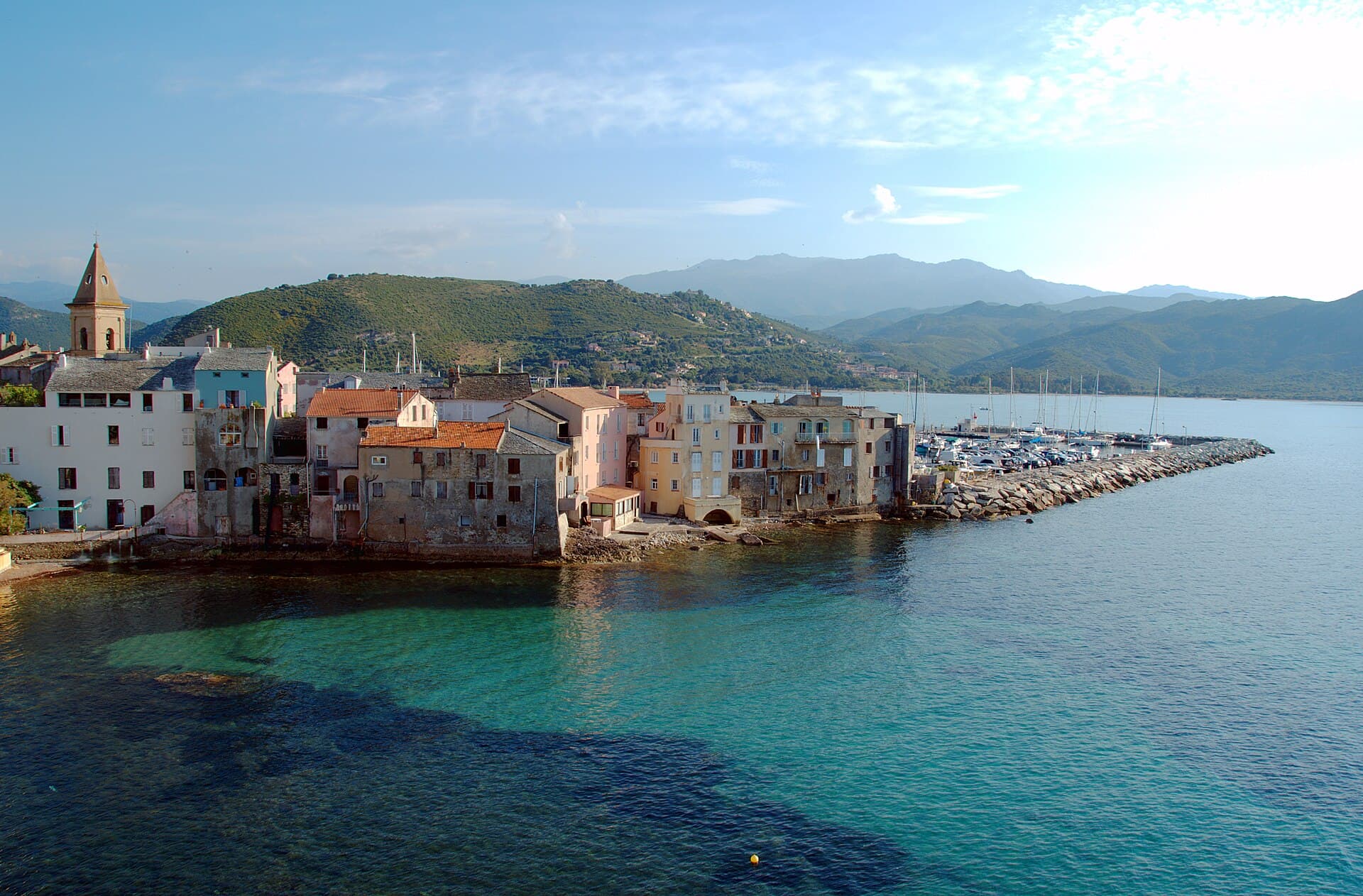 Иерей Максим Массалитин from Rabat, Maroc / CC BY-SA 2.0, via Wikimedia Commons
Tour de audio autoguiado de Saint-Florent — ruta GPS a pie, reproducción offline, narración en 32 idiomas.
“Donde las piedras ancestrales se encuentran con el abrazo del Mediterráneo, y el espíritu corso prospera.”
No las postales. Las historias que ni los locales conocen — al oído, justo donde ocurrieron.
La imponente Ciudadela Genovesa, un centinela sobre el Golfo de Saint-Florent, guarda un secreto de una época de feroz independencia corsa.
Esta modesta catedral románica del siglo XII, monumento nacional, alberga una reliquia que viajó una distancia sorprendente para descansar aquí.
Las tranquilas aguas del Golfo de Saint-Florent ocultan un dramático secreto submarino, testimonio de un brutal enfrentamiento naval.
Descubre todos los secretos de Saint-Florent
Cada dirección, cada revelación al completo — a tu oído, justo donde ocurrió.
Eliges tus paradas. Caminas. La voz te revela lo que los demás ignoran.


Tu tour de audioguía por Saint-Florent te espera — elige tus lugares, tu idioma y empieza al llegar.
ComprarLume incluye una guía de realidad aumentada. Levanta el móvil y su cámara muestra la calle que tienes delante, con una flecha luminosa sobre la imagen real que siempre apunta a tu próxima parada — sin mapas que descifrar, sin giros equivocados. Como todo en Lume, funciona completamente sin conexión.
Saint-Florent, conocida como San Fiurenzu en corso, es una cautivadora ciudad costera en la costa norte de Córcega, a menudo comparada con un Saint-Tropez más discreto. Se asienta estratégicamente en la base de la península de Cap Corse, donde las montañas de la región de Nebbio se encuentran con las claras aguas del Mediterráneo. Este antiguo pueblo de pescadores ha evolucionado hasta convertirse en un popular balneario, conservando su auténtico carácter corso mientras ofrece un bullicioso puerto deportivo lleno de barcos de pesca y yates de lujo.
Saint-Florent sirve como puerta de entrada a diversos paisajes, desde el territorio salvaje y protegido del Desierto de Agriates con sus playas vírgenes hasta los ondulantes viñedos de Patrimonio. Su mezcla de arquitectura histórica, ambiente animado y acceso a algunos de los sitios naturales más espectaculares de Córcega lo convierte en un destino atractivo para viajeros que buscan tanto relajación como aventura. Ya sea paseando por sus callejones del casco antiguo o disfrutando de mariscos frescos junto al puerto, Saint-Florent ofrece una experiencia mediterránea por excelencia.
La posición geográfica de la ciudad la ha convertido históricamente en un importante centro de comercio y una ubicación militar estratégica, influencias que aún son visibles en su arquitectura y patrimonio cultural. Hoy en día, es un lugar donde la historia antigua, la animada vida local y la sorprendente belleza natural convergen, invitando a los visitantes a explorar sus muchas facetas.
El área alrededor de Saint-Florent ha estado habitada desde el Neolítico, con excavaciones arqueológicas que revelan sus orígenes antiguos. En la antigüedad, la ciudad era conocida como Nebbio, un nombre que todavía designa la región circundante. La actual ciudad de Saint-Florent fue establecida por los genoveses en el siglo XIV. Su ubicación estratégica en una bahía natural la convirtió en un importante centro marítimo, facilitando los intercambios culturales y comerciales a través del Mediterráneo.
El monumento histórico más destacado de Saint-Florent es su imponente Ciudadela, construida en 1440 por los genoveses, específicamente a instancias de Janus Campofregoso, un político genovés. Esta fortaleza fue diseñada para defenderse de invasiones de varias potencias, incluyendo otomanos, franceses y aragoneses. A lo largo de los siglos, la ciudadela cambió de manos varias veces, cayendo bajo control aragonés, francés, anglo-corso e italiano antes de finalmente convertirse en corsa. Incluso pudo haber sido construida cerca de un antiguo santuario que, hasta el siglo XII, albergaba reliquias de Saint-Florent. La forma única y redonda de la ciudadela es un testimonio de su arquitectura militar. Aunque partes de la estructura fueron dañadas, notablemente en 1943 cuando las fuerzas alemanas detonaron un depósito de municiones, ha sido objeto de renovaciones y ahora sirve como centro cultural, albergando exposiciones de arte y festivales de música.
Saint-Florent fue históricamente la sede del Obispo de Nebbio hasta 1801. La Catedral de Nebbio, o Santa María Assunta, una estructura románica muy restaurada, data de principios del siglo XII, probablemente entre 1125 y 1140. Esta catedral se alza sobre lo que pudieron haber sido las ruinas de una basílica paleocristiana. El puerto de la ciudad, inicialmente desarrollado para la pesca, experimentó mejoras significativas a partir de 1844. Su importancia estratégica fue incluso reconocida por Napoleón Bonaparte en 1793, quien lamentó no haber podido convertirla en una capital importante. La década de 1960 marcó un punto de inflexión con la creación del puerto deportivo, consolidando aún más el papel de Saint-Florent como un destino marítimo prominente.
Comience su exploración en la Ciudadela de Saint-Florent, una fortaleza genovesa del siglo XV que corona un promontorio sobre la bahía. Explore su arquitectura y disfrute de las vistas del golfo, el puerto deportivo y Cap Corse. La ciudadela también alberga exposiciones de arte y eventos culturales, especialmente durante el verano.
Descienda al Puerto Deportivo de Saint-Florent, un animado centro donde los barcos de pesca comparten espacio con yates de lujo. Pasee por los muelles, repletos de restaurantes y cafeterías, y absorba la atmósfera mediterránea. El casco antiguo detrás del puerto es un laberinto de calles estrechas y sinuosas con fachadas ocres y contraventanas verdes, que conducen a encantadoras plazas como Place des Portes y Place Doria.
A poca distancia del centro de la ciudad, visite la Catedral de Nebbio (Santa María Assunta) del siglo XII, un edificio románico-pisano con una presencia tranquila e histórica. Para los amantes de la naturaleza, Saint-Florent es la puerta de entrada al Desierto de Agriates, un área natural protegida con hermosas y apartadas playas como Saleccia y Lotu, accesibles en barco, 4x4 o rutas de senderismo. No pierda la oportunidad de explorar los viñedos de Patrimonio, a solo 7 kilómetros, para degustar vinos y disfrutar de pintorescos paseos por el Valle de Nebbio, conocido por sus vinos AOC.
El momento ideal para visitar Saint-Florent es durante la primavera (abril a junio) y el otoño (septiembre a octubre). Durante estos meses, las temperaturas son suaves y las multitudes de turistas son más manejables que en la temporada alta de verano. Si bien julio y agosto ofrecen un clima cálido perfecto para actividades de playa y natación, también son los meses más concurridos y caros. Septiembre, en particular, suele recomendarse por su clima agradable, ambiente más tranquilo y aguas aún cálidas. La región experimenta sus temperaturas más altas en agosto, con máximas promedio de alrededor de 28 °C (83 °F), y los cielos más despejados en julio.
Saint-Florent es de fácil acceso, situado a unos 30 kilómetros (19 millas) de Bastia. El aeropuerto de Bastia-Poretta ofrece vuelos regulares desde las principales ciudades francesas. Desde Bastia, se tarda aproximadamente 40 minutos en llegar a Saint-Florent en coche. La ciudad dispone de varios aparcamientos gratuitos cerca de la explanada de la Ciudadela, el estadio, el puerto y a lo largo de las orillas del río Aliso; solo el aparcamiento central es de pago de abril a noviembre.
Explorar el casco antiguo de Saint-Florent se hace mejor a pie. Para aventurarse más lejos a las playas del Desierto de Agriates, las opciones incluyen transbordadores marítimos, excursiones en barco, vehículos 4x4 o senderismo. Muchos restaurantes a lo largo del puerto deportivo ofrecen mariscos frescos y sabores corsos locales. Se recomienda encarecidamente reservar durante los meses de verano. La ciudad también alberga un mercado nocturno de artesanos locales en verano y un mercado de ropa cada primer miércoles de mes.
Saint-Florent en coreano, en chino o en hebreo — y 29 idiomas más, cada parada narrada por una voz nativa. La mayor variedad de idiomas de cualquier audioguía autoguiada.
Disponible en: