Monte Calvario
Justo a las afueras de Castellina, una colina aparentemente ordinaria guarda un secreto que pudo haber inspirado a una de las mentes más grandes de la historia.
La historia completa se desbloquea en el tour
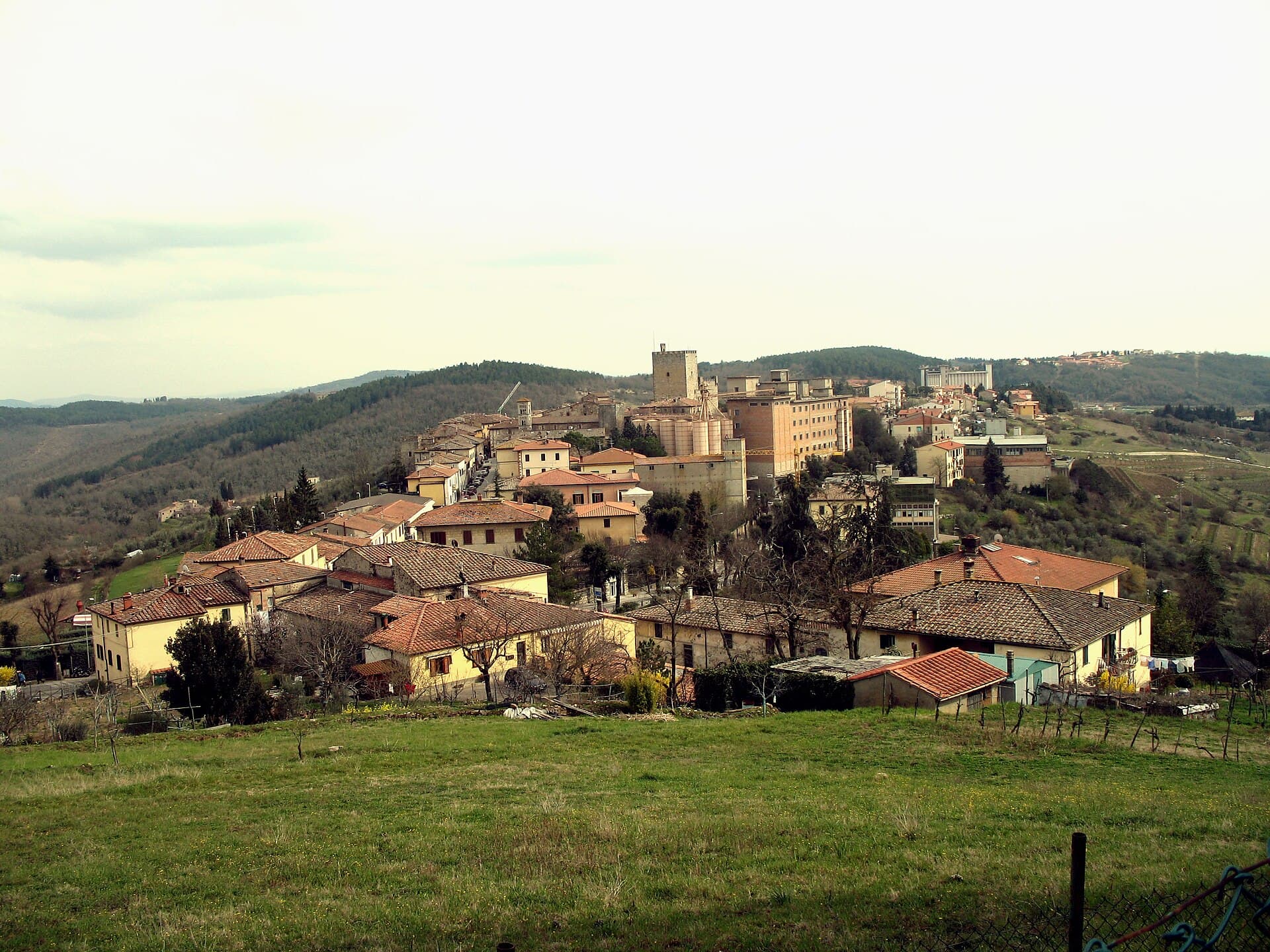 No machine-readable author provided. BetacommandBot assumed (based on copyright claims). / CC BY-SA 3.0, via Wikimedia Commons
Tour de audio autoguiado de Castellina in Chianti — ruta GPS a pie, reproducción offline, narración en 32 idiomas.
“Donde los ecos etruscos se encuentran con muros medievales y los legendarios sorbos de Chianti.”
No las postales. Las historias que ni los locales conocen — al oído, justo donde ocurrieron.
Justo a las afueras de Castellina, una colina aparentemente ordinaria guarda un secreto que pudo haber inspirado a una de las mentes más grandes de la historia.
Este encantador pasaje cubierto no es solo pintoresco; fue una innovación militar de vanguardia.
La fortaleza del pueblo tiene una doble identidad, una parte cívica, otra antigua.
Descubre todos los secretos de Castellina in Chianti
Cada dirección, cada revelación al completo — a tu oído, justo donde ocurrió.
Eliges tus paradas. Caminas. La voz te revela lo que los demás ignoran.
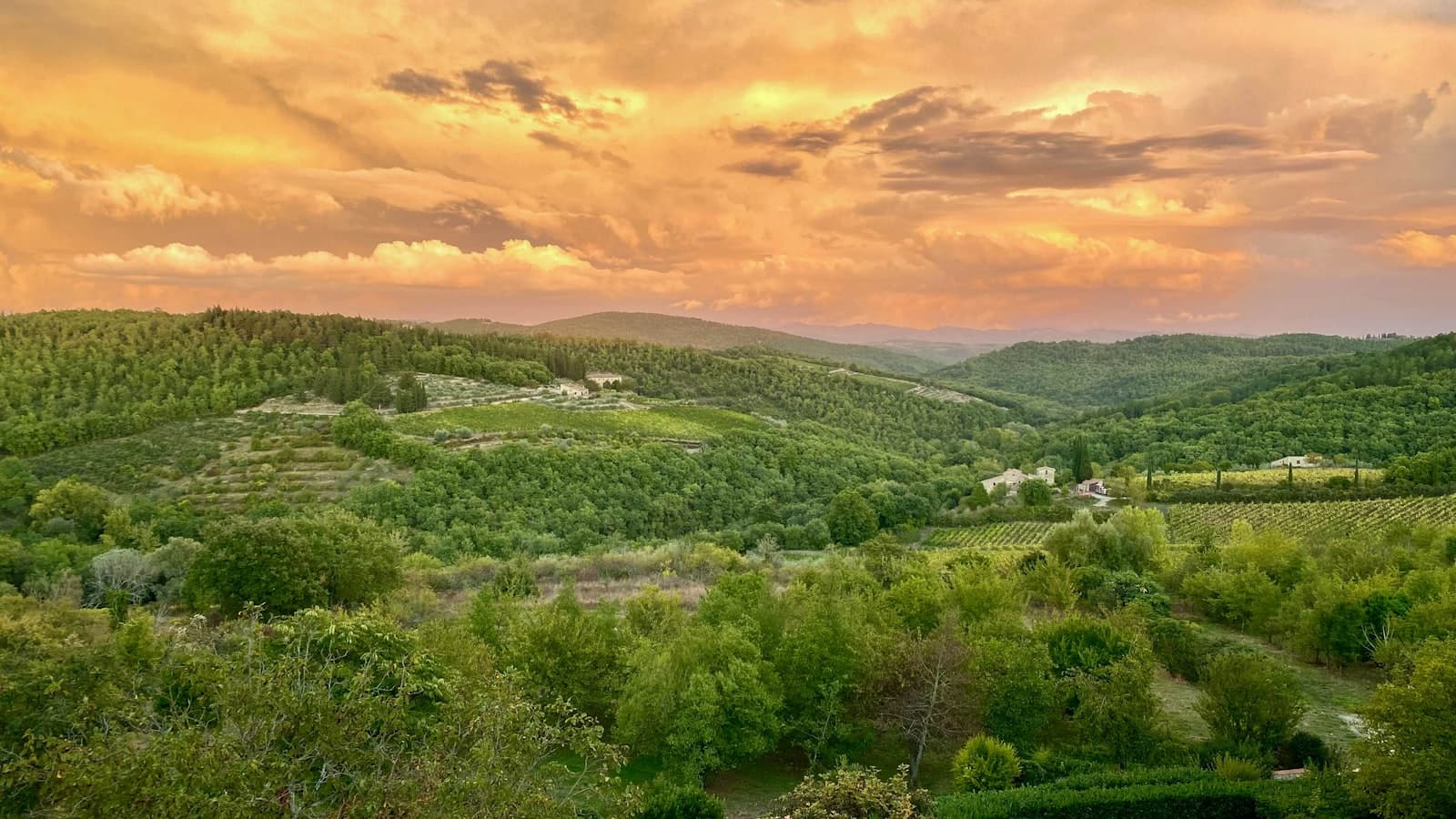
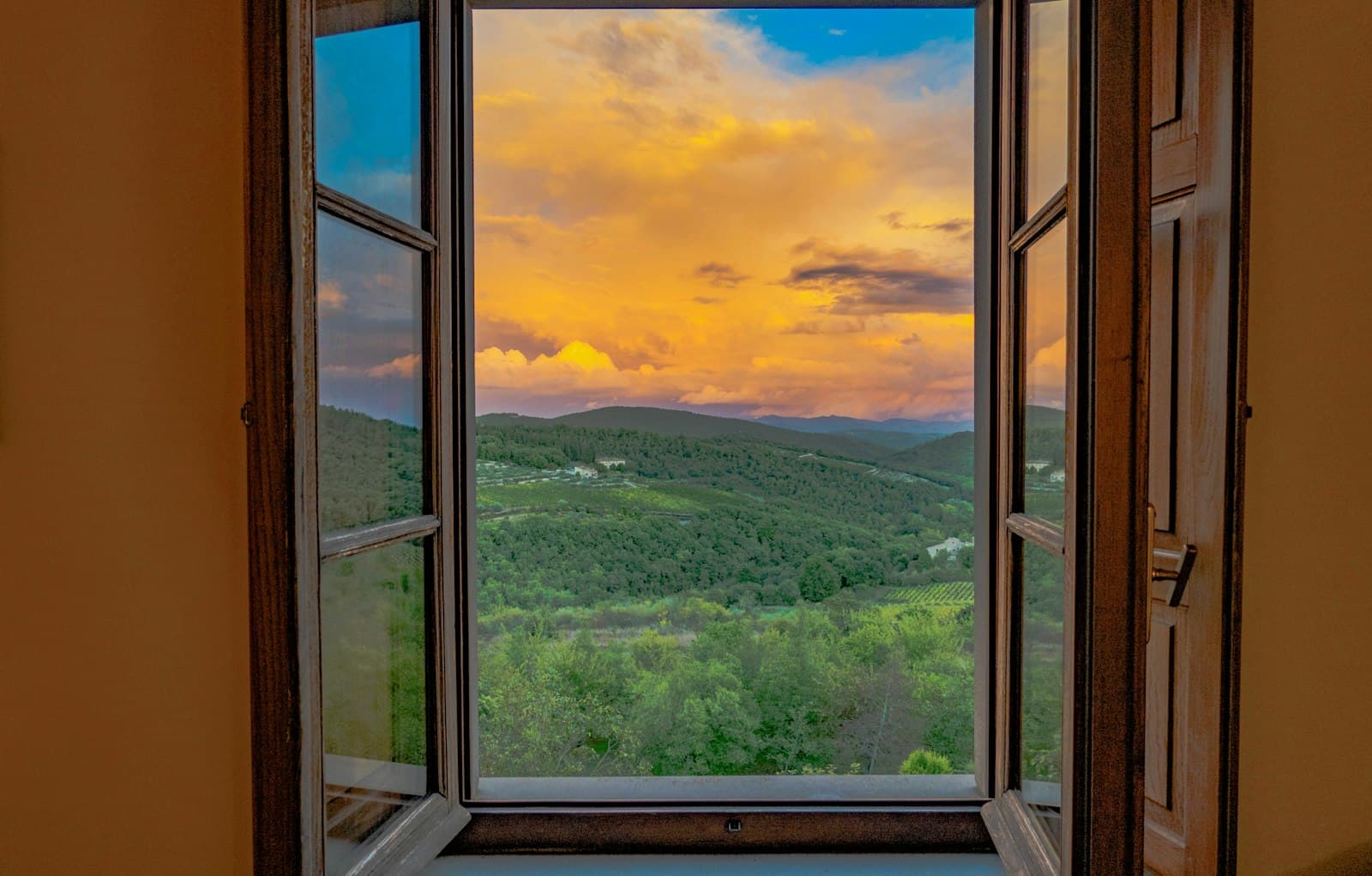
Tu tour de audioguía por Castellina in Chianti te espera — elige tus lugares, tu idioma y empieza al llegar.
ComprarLume incluye una guía de realidad aumentada. Levanta el móvil y su cámara muestra la calle que tienes delante, con una flecha luminosa sobre la imagen real que siempre apunta a tu próxima parada — sin mapas que descifrar, sin giros equivocados. Como todo en Lume, funciona completamente sin conexión.
Castellina in Chianti, un cautivador pueblo en el corazón de la región del Chianti Classico, ofrece una profunda sensación de historia, cultura y las suaves ondulaciones del paisaje toscano. Situado en una cresta, ofrece vistas panorámicas de viñedos, olivares y bosques, conectando los valles de Val d'Elsa, Val di Pesa y Arbia. Esta posición estratégica, a medio camino entre Florencia al norte y Siena al sur, ha moldeado su destino durante milenios, convirtiéndola en un lugar fundamental en las narrativas históricas de la región.
Más que una simple parada escénica, Castellina es un animado centro para los amantes del vino, con una abundancia de bodegas de Chianti Classico, muchas de las cuales exhiben con orgullo el icónico emblema del Gallo Negro. Más allá de sus célebres vinos, el pueblo invita a los visitantes a pasear por sus antiguas calles, descubrir tiendas de artesanía y saborear la cocina tradicional toscana en sus trattorias y cafés. Castellina in Chianti es un lugar donde cada rincón revela una historia, desde sus orígenes etruscos hasta sus fortificaciones medievales y su papel duradero en el mundo del buen vino.
Su centro compacto y peatonal lo hace ideal para una exploración tranquila, ya sea subiendo una torre medieval para disfrutar de amplias vistas o adentrándose en pasajes subterráneos que alguna vez sirvieron como fortalezas defensivas. Castellina ofrece una auténtica experiencia toscana, mezclando la profundidad histórica con una animada atmósfera contemporánea, lo que la convierte en una base perfecta para explorar la región más amplia del Chianti.
La historia de Castellina in Chianti se remonta al siglo VII a.C., con importantes asentamientos etruscos evidentes en toda la zona. Las excavaciones arqueológicas han revelado una red de pueblos y aldeas etruscas a lo largo de una antigua ruta comercial que conectaba ciudades etruscas marítimas como Vulci, Vetulonia y Roselle con los mercados del norte e incluso el mar Adriático. El imponente túmulo funerario de Monte Calvario, justo a las afueras de la ciudad, compuesto por cuatro bóvedas alineadas con los puntos cardinales, es un testimonio notable de este período temprano, sugiriendo la presencia de familias nobles y adineradas.
Después de un período de influencia romana, Castellina, entonces conocida como Salingolpe, entró en la era medieval, encontrándose en el corazón de la feroz rivalidad entre las poderosas ciudades-estado de Florencia y Siena. Su estratégica ubicación en la cima de una colina, con vistas a los valles de los ríos Arbia, Elsa y Pesa, la convirtió en un puesto militar crucial. A mediados del siglo XIII, Castellina se convirtió en un miembro clave de la Liga del Chianti, una alianza administrativa y militar formada por Florencia, junto con Radda y Gaiole, para gobernar el territorio del Chianti.
A lo largo de los siglos, Castellina soportó numerosas batallas, siendo a menudo destruida y reconstruida. A principios del siglo XV, Florencia fortaleció significativamente sus fronteras del sur, lo que llevó a la construcción de la formidable Rocca (fortaleza) y su enorme torre, que aún domina la plaza del pueblo hoy en día. La leyenda incluso sugiere que el renombrado arquitecto Filippo Brunelleschi contribuyó al diseño de las nuevas murallas defensivas de la ciudad, incluida la singular Via delle Volte. La forma cuadrangular de la ciudad, un vestigio de sus fortificaciones medievales, aún conserva la memoria de las muchas torres que una vez la protegieron. En 1452, la fortaleza resistió famosamente un asedio de 44 días por parte de las fuerzas aliadas, aunque más tarde cayó en 1478.
Comience su exploración en la Rocca di Castellina, la imponente fortaleza del siglo XV de la ciudad. Suba a su enorme torre para disfrutar de amplias vistas panorámicas de la campiña del Chianti, que se extiende por viñedos y olivares. Dentro de la Rocca, encontrará el Museo Arqueológico del Chianti Senese, que alberga una fascinante colección de artefactos etruscos descubiertos en los alrededores, ofreciendo una inmersión profunda en el pasado antiguo de la región.
Luego, pasee por la Via delle Volte, un singular pasaje cubierto medieval que recorre las antiguas murallas de la ciudad. Este atmosférico pasaje, que alguna vez fue una ruta defensiva, ahora alberga atractivas tiendas y restaurantes, con aberturas en las paredes que ofrecen vistas del paisaje.
Visite la Iglesia de San Salvatore, reconstruida en estilo neorrománico después de su destrucción en la Segunda Guerra Mundial. En su interior, admire un fresco del siglo XV de la Virgen y el Niño de Maestro di Signa (o Bicci di Lorenzo, según la fuente), una estatua de madera de San Bernabé y un ciborio renacentista. No se pierda la urna que contiene las reliquias de San Fausto, el patrón de la ciudad.
Justo a las afueras de la ciudad, explore el Túmulo de Monte Calvario, un impresionante túmulo funerario etrusco que data de los siglos VII-VI a.C. Este sitio arqueológico proporciona un vínculo tangible con los antiguos orígenes de Castellina. Pasee por la Via Ferruccio, la calle principal, para empaparse de la atmósfera medieval y explorar diversas boutiques y tiendas de artesanos locales.
La mejor época para visitar Castellina in Chianti es desde la primavera (aproximadamente abril) hasta el otoño (mediados o finales de octubre). Durante estos meses, las tiendas y restaurantes están completamente abiertos, y el pueblo bulle con eventos y festivales. Mayo es particularmente agradable, ofreciendo temperaturas cálidas antes de las multitudes máximas del verano. Si bien los veranos (principios de julio a mediados de agosto) son ideales para actividades de clima cálido, puede hacer bastante calor, así que considere visitar por las mañanas o las tardes. El invierno es más tranquilo, pero algunos restaurantes y bodegas permanecen abiertos.
Considere planificar su visita en torno a eventos locales como el Festival del Vino de Pentecostés en primavera o el Festival de la Sandía a finales de agosto para probar la cultura y las festividades locales.
Se accede mejor a Castellina in Chianti en coche, ofreciendo pintorescos paseos por la campiña toscana. Desde Florencia, puede tomar la superstrada (autopista Florencia-Siena) y salir en San Donato, o disfrutar de la pintoresca carretera Chiantigiana (SR222). Desde Siena, tome la superstrada Florencia-Siena, saliendo en Monteriggioni, o siga directamente la SR222. El centro del pueblo es en gran parte peatonal, lo que lo hace ideal para caminar.
Hay aparcamiento disponible cerca del Museo Arqueológico. Para aquellos que dependen del transporte público, las opciones de autobús pueden ser limitadas, por lo que se recomienda consultar los horarios locales. Castellina es una base fantástica para explorar otros pueblos del Chianti, Siena e incluso Florencia, con muchos agroturismos y B&B en los alrededores que ofrecen auténticas experiencias toscanas. No olvide deleitarse con las delicias gastronómicas locales, incluida la cocina tradicional toscana y los renombrados vinos Chianti Classico.
Castellina in Chianti en coreano, en chino o en hebreo — y 29 idiomas más, cada parada narrada por una voz nativa. La mayor variedad de idiomas de cualquier audioguía autoguiada.
Disponible en: