Hacienda San José
Esta gran hacienda colonial, que parece un retrato de opulencia, esconde una red de pasajes ocultos bajo su elegante fachada.
La historia completa se desbloquea en el tour
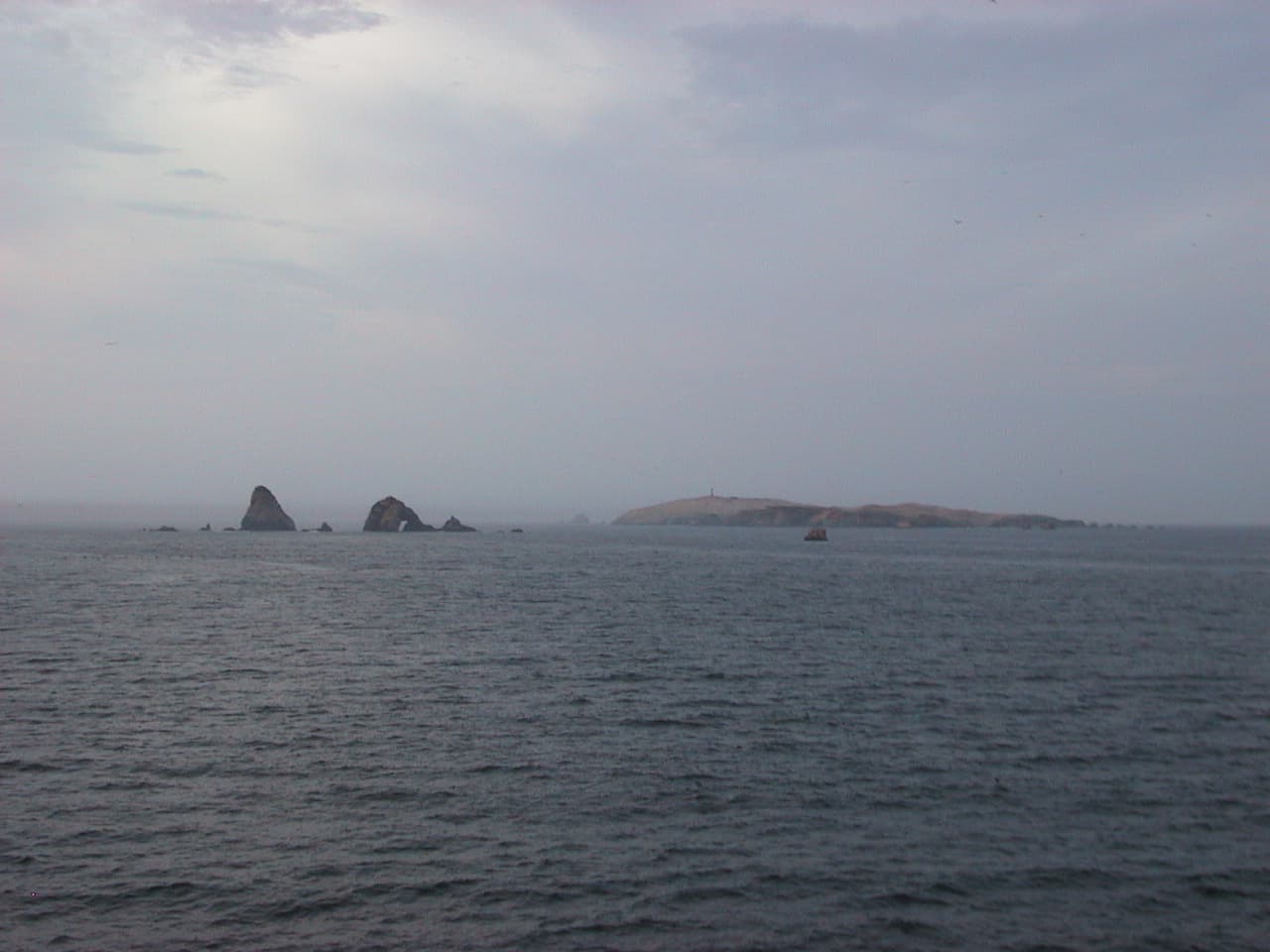 Gabriele Giuseppini / CC BY 3.0, via Wikimedia Commons
Tour de audio autoguiado de Chincha — ruta GPS a pie, reproducción offline, narración en 32 idiomas.
“Donde los ritmos afroperuanos se encuentran con los antiguos susurros del desierto.”
No las postales. Las historias que ni los locales conocen — al oído, justo donde ocurrieron.
Esta gran hacienda colonial, que parece un retrato de opulencia, esconde una red de pasajes ocultos bajo su elegante fachada.
La vibrante música y danza afroperuana de El Carmen se celebra abiertamente hoy, pero sus orígenes se arraigan en un pasado más oscuro y clandestino.
Cerca de la ciudad moderna, una antigua pirámide de adobe se erige como un testigo silencioso de un poderoso reino preincaico, insinuando un sofisticado imperio marítimo.
Descubre todos los secretos de Chincha
Cada dirección, cada revelación al completo — a tu oído, justo donde ocurrió.
Eliges tus paradas. Caminas. La voz te revela lo que los demás ignoran.

Tu tour de audioguía por Chincha te espera — elige tus lugares, tu idioma y empieza al llegar.
ComprarLume incluye una guía de realidad aumentada. Levanta el móvil y su cámara muestra la calle que tienes delante, con una flecha luminosa sobre la imagen real que siempre apunta a tu próxima parada — sin mapas que descifrar, sin giros equivocados. Como todo en Lume, funciona completamente sin conexión.
Chincha, una vibrante ciudad en la Región Ica de Perú, presenta un destino cautivador donde los ecos de antiguas civilizaciones se entrelazan con los animados ritmos de la cultura afroperuana. Situada a lo largo de la costa del Pacífico, aproximadamente a 200 kilómetros al sur de Lima, emerge como un fértil oasis en medio de una extensión desértica. La ciudad, a menudo conocida como Chincha Alta, funciona como un importante puerto en la desembocadura del río Chincha y sirve como capital de la Provincia de Chincha.
Chincha es valorada por su profunda herencia cultural, ofreciendo a los visitantes una visión singular de la vida tradicional peruana a través de su música, danza y festivales. Se erige como un importante centro cultural para la herencia afroperuana, un legado nacido del período colonial cuando africanos esclavizados fueron traídos para trabajar en las plantaciones de algodón. Esta convergencia de influencias indígenas, españolas y africanas ha esculpido a Chincha en un lugar de sabores, sonidos y tradiciones distintivos, creando una experiencia inolvidable.
La historia de Chincha se extiende milenios atrás, con asentamientos humanos a lo largo de la costa peruana que datan de al menos 10,000 años. Las primeras comunidades asentadas conocidas en el valle de Chincha, alrededor del 800 a.C., pertenecieron a la cultura Paracas, seguidas por las culturas Topará e Ica-Nazca. Sin embargo, fue la cultura Chincha, floreciendo del 900 d.C. al 1450 d.C., la que realmente definió el área. Esta compleja sociedad, aunque finalmente absorbida por el Imperio Inca alrededor de 1480, fue un poderoso estado regional reconocido por sus sofisticadas redes comerciales. Eran hábiles navegantes, empleando grandes balsas de madera para realizar un extenso comercio marítimo a lo largo de la costa, hacia las tierras altas andinas, y potencialmente tan lejos como Ecuador y Mesoamérica. El pueblo Chincha también era hábil artesano, creando cerámicas distintivas y construyendo impresionantes edificios religiosos y administrativos de adobe, como la Huaca La Centinela, su capital.
Durante el siglo XV, el Imperio Inca, bajo Pachacútec y Túpac Yupanqui, incorporó gradualmente a los Chincha a su extenso territorio. A pesar de esto, los gobernantes Chincha mantuvieron una significativa autonomía política y económica, y su importancia fue reconocida por los Incas; el señor de Chincha fue la única persona transportada en una litera junto a Atahualpa durante su fatídico encuentro con los españoles. La conquista española del Perú, que comenzó en 1532, trajo una conclusión devastadora al Reino Chincha, con enfermedades europeas y la agitación política que llevaron a un drástico declive de su población.
El período colonial fue testigo del establecimiento de grandes haciendas agrícolas en el fértil Valle de Chincha. Los colonizadores españoles trajeron africanos esclavizados a Perú para trabajar en estas plantaciones, cultivando principalmente algodón, uvas para vino y producción de pisco. Esta era marcó el génesis de la profunda cultura afroperuana de Chincha, ya que las personas esclavizadas desarrollaron su propia música, danzas y tradiciones únicas como medio de preservación y expresión cultural. Después de que Perú declarara su independencia en 1821 y la esclavitud fuera finalmente prohibida en 1856, los descendientes de estas comunidades africanas permanecieron, enriqueciendo profundamente la cultura criolla local de Chincha y su distrito de El Carmen. Desde entonces, Chincha ha superado desafíos, incluido un gran terremoto en 2007, para convertirse en una ciudad vibrante que abraza su diversa herencia.
Hoy, Chincha se erige como un testimonio viviente de esta compleja historia, donde los sitios arqueológicos precolombinos se encuentran junto a haciendas coloniales y florecen las animadas tradiciones de su comunidad afroperuana. La ciudad sigue siendo un centro de expresión cultural, particularmente a través de su música y danza, que se celebran en varios festivales a lo largo del año. Su ubicación estratégica y tierras fértiles también contribuyen a una gastronomía distintiva, mezclando influencias africanas, españolas e indígenas para crear platos únicos y sabrosos. La historia de Chincha es una de resiliencia, fusión cultural y una celebración continua de su identidad multifacética.
Comience su exploración en la Plaza de Armas, la plaza central de Chincha Alta, donde podrá observar la vida diaria y disfrutar de delicias locales. Un corto viaje lo lleva al Distrito de El Carmen, el corazón de la cultura afroperuana, donde podrá sumergirse en la música, danza y costumbres ancestrales tradicionales. No pierda la oportunidad de presenciar a los bailarines de zapateo, especialmente durante los festivales.
Viaje en el tiempo en la Hacienda San José, una histórica casa de plantación del siglo XVII. Este sitio de patrimonio cultural ofrece visitas guiadas, revelando su impresionante arquitectura, exuberantes jardines y brindando una visión del pasado colonial de la región y la historia de la esclavitud. La hacienda también es reconocida por su cóctel distintivo.
Para una visión del pasado precolombino de Chincha, visite Huaca La Centinela cerca de Chincha Baja. Este sitio arqueológico, una antigua pirámide de adobe, fue una vez la capital del poderoso Reino Chincha y presenta muros adornados con imágenes de peces y aves marinas.
En el distrito de Grocio Prado, descubra el Santuario de Melchorita Saravia Tasayco, una modesta casa que se ha convertido en un importante sitio de peregrinación para aquellos que buscan consuelo espiritual y milagros. Grocio Prado también es conocido por sus artesanías tradicionales de totora y su cachina local (vino joven).
Chincha también es reconocida por sus mercados locales, que ofrecen una variedad de artesanías y comidas tradicionales, y su proximidad a atractivas playas para ver el atardecer para relajarse y practicar deportes acuáticos.
Chincha experimenta un clima subtropical cálido árido notablemente consistente durante todo el año, con mínima variación estacional. Los meses más cálidos son típicamente de enero a abril, con temperaturas máximas diarias promedio alrededor de 27-28°C (81-83°F), mientras que los meses más frescos son julio y agosto, con máximas promedio alrededor de 22-23°C (72-73°F). Las lluvias son escasas durante todo el año, con un poco más de precipitación en enero y febrero. Los cielos más despejados se encuentran a menudo en agosto.
Para actividades de clima cálido y evitar las multitudes, el momento más favorable para visitar Chincha es generalmente de mediados de abril a mediados de octubre. Sin embargo, para experimentar los vibrantes festivales afroperuanos de Chincha, considere visitar en febrero para el festival Verano Negro o Fiesta Negra, o en noviembre para el Festival de Danzas Negras. El Día Nacional del Pisco, otra animada celebración, se celebra el tercer sábado de septiembre.
Chincha Alta está situada aproximadamente a 200 kilómetros al sur de Lima y es fácilmente accesible en autobús, con un viaje que dura menos de tres horas. El centro de la ciudad puede ser bastante animado, caracterizado por numerosos mototaxis. Si bien el español es el idioma principal, algunas lenguas indígenas, incluido el quechua chincha, todavía son habladas por adultos en ciertas comunidades.
Al explorar Chincha, los mercados locales ofrecen una excelente oportunidad para probar la cocina tradicional peruana, como la contundente carapulcra con sopa seca y los chicharrones (panceta de cerdo frita). La región también es reconocida por sus vinos y pisco locales. Es aconsejable llevar moneda local (Sol peruano) para compras más pequeñas y vendedores de mercado. Aunque generalmente es seguro, siempre se recomienda tomar precauciones de viaje estándar.
Chincha en coreano, en chino o en hebreo — y 29 idiomas más, cada parada narrada por una voz nativa. La mayor variedad de idiomas de cualquier audioguía autoguiada.
Disponible en: