El Capricho de Gaudí
Esta villa vibrante, adornada con girasoles, guarda un secreto sobre su célebre arquitecto.
La historia completa se desbloquea en el tour
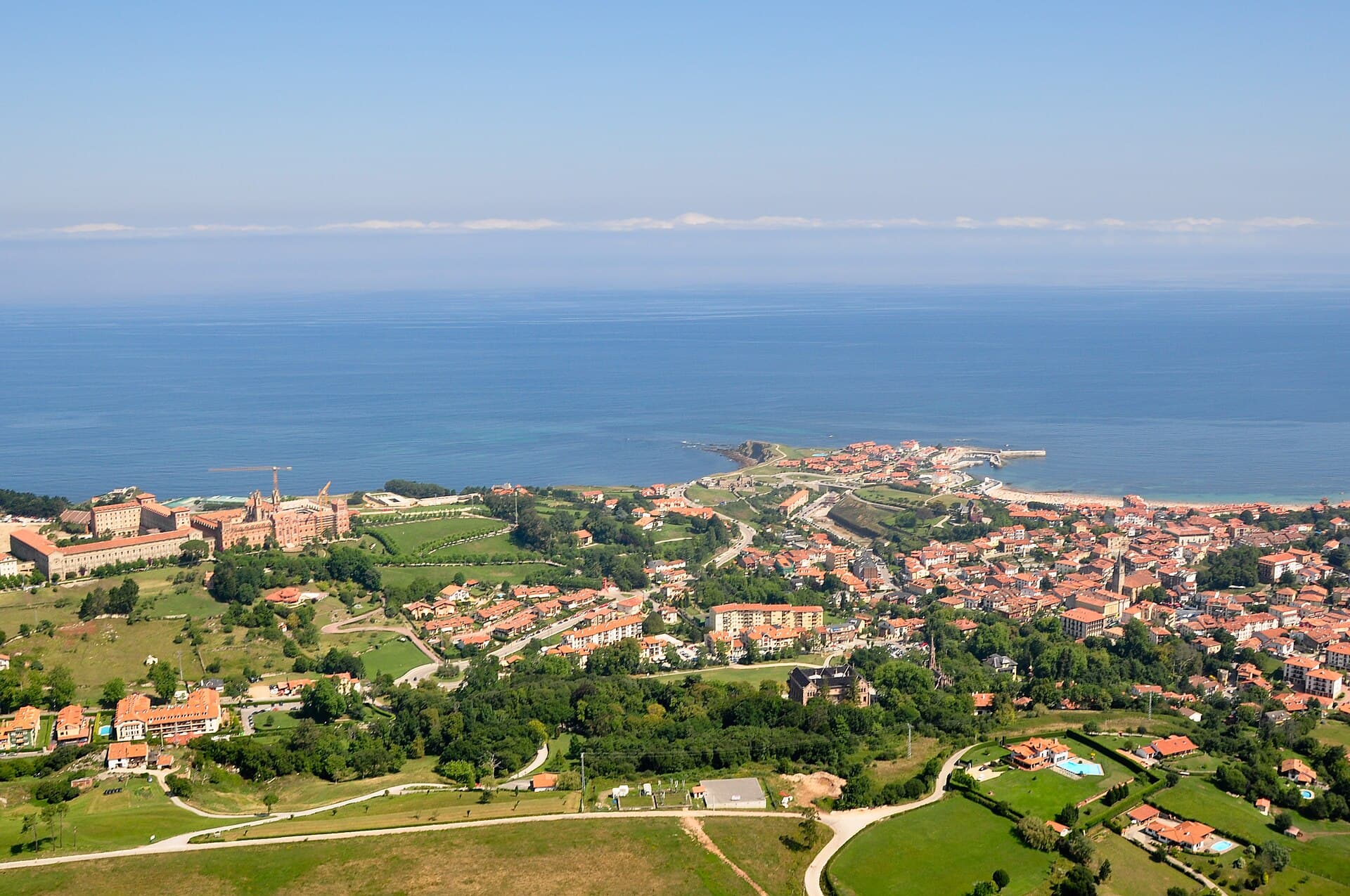 Nacho Castejón Martínez / cc by-sa 2.0, via Wikimedia Commons
Tour de audio autoguiado de Comillas — ruta GPS a pie, reproducción offline, narración en 32 idiomas.
“Donde el Modernismo se encuentra con el Cantábrico.”
No las postales. Las historias que ni los locales conocen — al oído, justo donde ocurrieron.
Esta villa vibrante, adornada con girasoles, guarda un secreto sobre su célebre arquitecto.
El gran palacio del Marqués de Comillas estuvo a la vanguardia de la innovación tecnológica en España.
Este modesto pueblo costero ostentó una sorprendente distinción nacional, aunque solo por un día.
Descubre todos los secretos de Comillas
Cada dirección, cada revelación al completo — a tu oído, justo donde ocurrió.
Eliges tus paradas. Caminas. La voz te revela lo que los demás ignoran.


Tu tour de audioguía por Comillas te espera — elige tus lugares, tu idioma y empieza al llegar.
ComprarLume incluye una guía de realidad aumentada. Levanta el móvil y su cámara muestra la calle que tienes delante, con una flecha luminosa sobre la imagen real que siempre apunta a tu próxima parada — sin mapas que descifrar, sin giros equivocados. Como todo en Lume, funciona completamente sin conexión.
Comillas, una cautivadora localidad en la costa norte de España, en Cantabria, ofrece una mezcla distintiva de grandeza arquitectónica y encanto costero. Antaño un pueblo de pescadores medieval, experimentó una notable transformación a finales del siglo XIX, evolucionando hasta convertirse en un distinguido refugio de verano para la realeza y la nobleza española. Este período vio la llegada de la arquitectura modernista catalana, creando un paisaje inusual y sorprendente con el telón de fondo del mar Cantábrico y, a lo lejos, los picos nevados de los Picos de Europa.
La ciudad es un Conjunto Histórico-Artístico declarado, reconocido por sus calles empedradas, casas ancestrales y significativos edificios modernistas. Los visitantes pueden explorar un rico legado arquitectónico que cuenta una historia de riqueza, influencia e innovación artística, todo ello mientras disfrutan de la atmósfera relajada de una comunidad costera cántabra.
## El auge de un refugio noble Comillas remonta sus orígenes a tiempos prehistóricos, con evidencias de antiguos habitantes encontradas en cavernas locales. Durante la Edad Media, fue un pequeño pueblo que subsistía de la pesca, la agricultura y la ganadería. La localidad se ganó el apodo de "Villa de los Obispos" porque cinco sacerdotes locales ascendieron a obispados en varias diócesis.
El verdadero punto de inflexión para Comillas llegó a finales del siglo XIX, en gran parte debido a Antonio López y López, un local que amasó una vasta fortuna en Cuba. A su regreso a España, se convirtió en el primer Marqués de Comillas e invirtió fuertemente en su ciudad natal. Su influencia y amistad con el rey Alfonso XII llevaron a Comillas a convertirse en un destino de verano favorito para la familia real española y la aristocracia. Esta afluencia de riqueza y prestigio atrajo a algunos de los arquitectos modernistas catalanes más prominentes de la época, incluidos Antoni Gaudí y Joan Martorell, dejando un legado arquitectónico imborrable.
## Obras maestras arquitectónicas Entre las estructuras más icónicas se encuentra El Capricho de Gaudí, una villa vibrante y caprichosa construida entre 1883 y 1885. Su fachada está adornada con azulejos cerámicos con girasoles, y su diseño muestra el interés temprano de Gaudí por la arquitectura oriental e islámica. Cerca se encuentra el Palacio de Sobrellano, un palacio neogótico diseñado por Joan Martorell y construido entre 1881 y 1888 para el primer Marqués. Esta gran residencia cuenta con muebles diseñados por Gaudí y fue, notablemente, el primer edificio en España en tener iluminación eléctrica.
Otro hito significativo es la antigua Universidad Pontificia de Comillas, una imponente estructura que domina la ciudad. Originalmente fundada como seminario en 1890 por el Papa León XIII, fue elevada posteriormente a Universidad Pontificia. Aunque la universidad finalmente se trasladó a Madrid en 1969, sus edificios originales en Comillas siguen siendo un testimonio de la importancia histórica y el esplendor arquitectónico de la ciudad. La localidad fue declarada Conjunto Histórico-Artístico en 1985.
Comience su exploración en el Palacio de Sobrellano, un impactante palacio neogótico completado en 1888. Realice una visita guiada para ver su gran salón con frescos que representan las contribuciones de la familia del Marqués a la historia de España y admire los muebles diseñados por Antoni Gaudí. Adyacente al palacio se encuentra la Capilla-Panteón, también diseñada por Martorell, que sirvió como lugar de descanso final para el Marqués y su familia.
Un corto paseo le llevará a El Capricho de Gaudí, una villa fantástica conocida por sus distintivos azulejos cerámicos de girasoles y su torre tipo minarete. Explore su diseño lúdico y aprenda sobre la visión arquitectónica temprana de Gaudí. Desde allí, ascienda a la Antigua Universidad Pontificia de Comillas, un impresionante complejo arquitectónico que ofrece amplias vistas del pueblo y sus alrededores.
Pasee por el centro histórico, con sus calles empedradas y casas tradicionales, que conducen a la Plaza de la Constitución y la Iglesia de San Cristóbal. No pase por alto el Cementerio de Comillas, que incorpora las ruinas de una iglesia del siglo XV y presenta la escultura modernista de Josep Llimona, "El Ángel Exterminador". Para saborear el mar, visite el Puerto de Comillas, una pequeña ensenada donde aún operan barcos de pesca tradicionales. La Playa de Comillas ofrece una playa de arena dorada enmarcada por la costa cantábrica, con formaciones rocosas que crean piscinas naturales con la marea baja.
La mejor época para visitar Comillas para actividades de clima cálido es desde finales de junio hasta principios de septiembre. Durante estos meses, las temperaturas diurnas promedio oscilan entre 22°C y 23°C, siendo julio el mes más despejado y soleado. Aunque julio y agosto son los más activos, visitar en mayo, junio o septiembre ofrece un clima agradable con menos visitantes. La menor cantidad de lluvia se registra en julio.
Comillas se encuentra aproximadamente a 50 kilómetros de Santander. Autobuses regulares conectan Comillas con Santander y otras ciudades cercanas, lo que la hace accesible para excursiones de un día o estancias más largas. El centro histórico de la ciudad es compacto y apto para peatones, ideal para paseos tranquilos. Para quienes llegan en coche, considere llegar temprano, especialmente los viernes de mercado, ya que el estacionamiento puede ser un desafío. Comillas está comprometida con la accesibilidad, con espacios públicos adaptados, rampas y áreas de fácil acceso en muchos de sus sitios emblemáticos como El Capricho y el Palacio de Sobrellano. La gastronomía local destaca los mariscos frescos del mar Cantábrico, siendo platos como las rabas (calamares fritos) y el marmitako (guiso de atún) opciones populares.
Comillas en coreano, en chino o en hebreo — y 29 idiomas más, cada parada narrada por una voz nativa. La mayor variedad de idiomas de cualquier audioguía autoguiada.
Disponible en: