Torre del Reloj de Lastres
La Torre del Reloj, un hito prominente, guarda un secreto sobre su verdadera edad.
La historia completa se desbloquea en el tour
 Gun Powder Ma / CC BY-SA 3.0, via Wikimedia Commons
Tour de audio autoguiado de Lastres — ruta GPS a pie, reproducción offline, narración en 32 idiomas.
“Donde el mar esculpe historias en la piedra y el tiempo se ralentiza al ritmo de un pescador.”
No las postales. Las historias que ni los locales conocen — al oído, justo donde ocurrieron.
La Torre del Reloj, un hito prominente, guarda un secreto sobre su verdadera edad.
El concurrido puerto pesquero de Lastres tiene una sorprendente conexión histórica con una criatura mucho más grande que las que se suelen pescar hoy en día.
A poca distancia del pueblo, una popular playa revela un secreto prehistórico grabado en sus rocas.
Descubre todos los secretos de Lastres
Cada dirección, cada revelación al completo — a tu oído, justo donde ocurrió.
Eliges tus paradas. Caminas. La voz te revela lo que los demás ignoran.


Tu tour de audioguía por Lastres te espera — elige tus lugares, tu idioma y empieza al llegar.
ComprarLume incluye una guía de realidad aumentada. Levanta el móvil y su cámara muestra la calle que tienes delante, con una flecha luminosa sobre la imagen real que siempre apunta a tu próxima parada — sin mapas que descifrar, sin giros equivocados. Como todo en Lume, funciona completamente sin conexión.
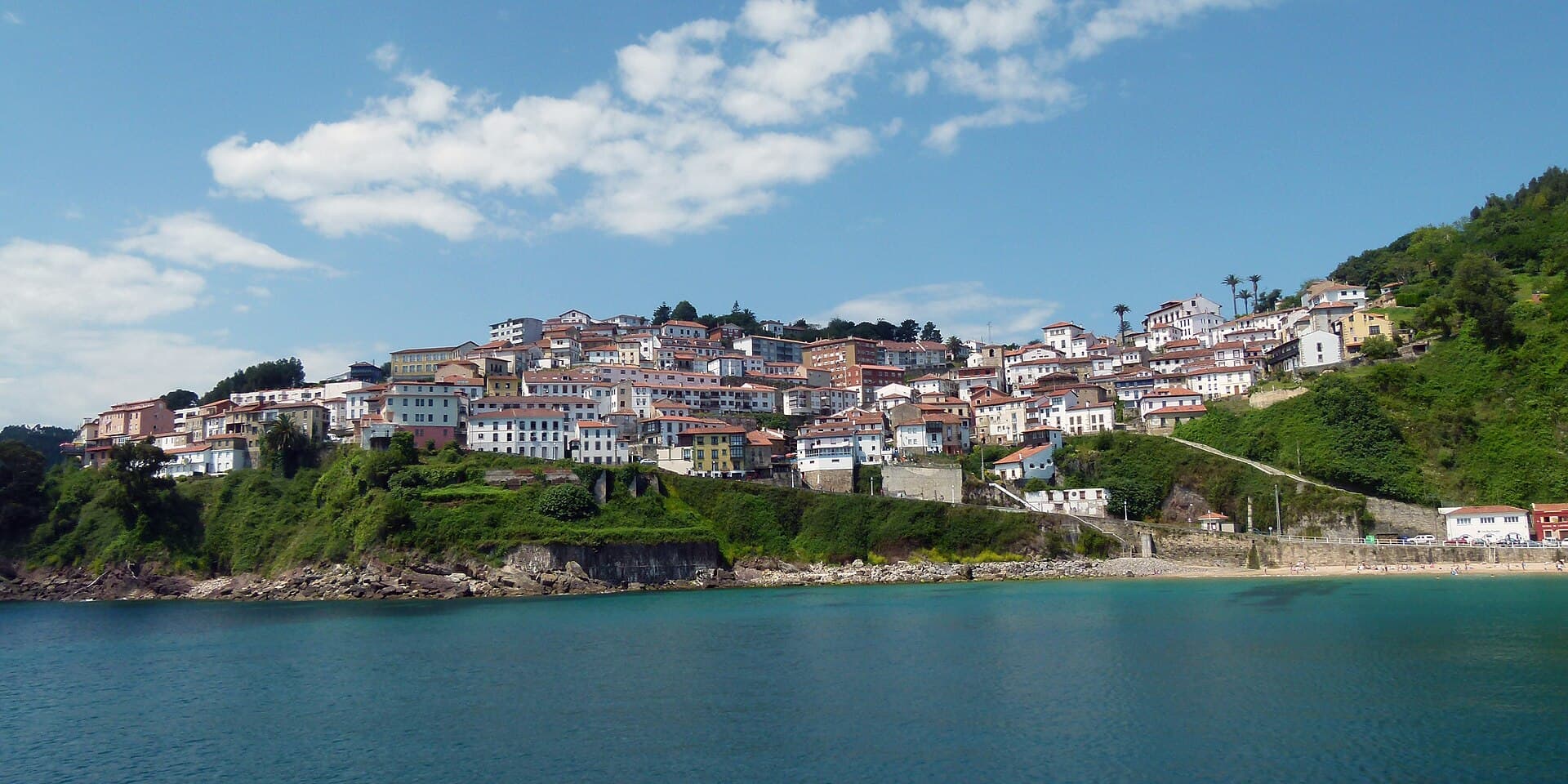
Lastres, un pueblo costero de Asturias, España, se aferra a una empinada ladera con vistas al mar Cantábrico. Sus casas, pintadas en tonos suaves, descienden en cascada hacia el puerto de trabajo, donde los barcos de pesca se mecen suavemente en el agua. El aire transporta el aroma a sal y los gritos de las gaviotas, un recordatorio constante de la profunda conexión del pueblo con el océano.
La vida aquí transcurre a un ritmo pausado, dictado por las mareas y el regreso de la flota pesquera. El pueblo invita a la exploración, sus estrechas callejuelas revelan vistas inesperadas del mar y las verdes colinas circundantes. Cada giro ofrece una nueva perspectiva, un ángulo diferente de las casas que parecen caer hacia el agua, cada una un testimonio del espíritu perdurable de esta comunidad marítima. Es un lugar donde la grandeza de la costa asturiana se encuentra con la tranquila dignidad de un pueblo trabajador, creando una atmósfera de encanto genuino y descubrimiento sin prisas.
Los orígenes de Lastres se remontan a tiempos antiguos, con evidencias que sugieren una temprana presencia humana en la región. La verdadera identidad del pueblo, sin embargo, comenzó a solidificarse con su surgimiento como comunidad pesquera. Su ubicación estratégica en la costa asturiana lo convirtió en un lugar ideal para actividades marítimas, y el mar se convirtió rápidamente en el sustento de sus habitantes. Los primeros registros indican una dependencia de la pesca y el comercio costero, dando forma a la arquitectura y el estilo de vida que persisten hasta el día de hoy.
Durante la época medieval y principios de la moderna, Lastres desempeñó un papel importante en la industria ballenera europea. Los hábiles marineros del pueblo se aventuraban en el mar Cantábrico en busca de ballenas, una empresa peligrosa pero lucrativa. El aceite extraído de estos mamíferos marinos era una mercancía valiosa, utilizada para iluminación y otros fines en toda la región. Esta era trajo un grado de prosperidad a Lastres, dejando una huella indeleble en su identidad cultural y tradiciones marítimas. El puerto, aunque ahora dedicado a capturas más pequeñas, todavía resuena con el recuerdo de estas cacerías mayores.
A medida que la industria ballenera declinó, Lastres se adaptó, centrándose en métodos de pesca tradicionales que continúan sustentando a la comunidad. El pueblo ha mantenido su carácter auténtico, resistiendo una modernización extensa en favor de preservar su patrimonio. El ritmo diario todavía gira en torno al puerto pesquero, donde se desembarca la pesca fresca. En las últimas décadas, Lastres también ha atraído a visitantes que aprecian su ambiente auténtico, su belleza escénica y la genuina calidez de su gente. El pueblo se erige como un testimonio vivo de siglos de resiliencia marítima, un lugar donde el pasado informa el presente en cada ola que rompe en sus orillas.
Comience su exploración en el Mirador de San Roque, un punto de vista que ofrece vistas panorámicas del pueblo descendiendo hacia el mar, enmarcado por la costa cantábrica. Pasee por las estrechas y sinuosas callejuelas, donde las casas tradicionales asturianas con sus característicos balcones y brillantes colores crean una escena pintoresca. Descienda al puerto pesquero en funcionamiento, observando los ritmos diarios de la flota pesquera y la bulliciosa actividad alrededor de la lonja. La Torre del Reloj, aunque en gran parte del siglo XVIII, se alza sobre cimientos más antiguos, un centinela silencioso que supervisa el pueblo. Un corto viaje desde el pueblo lleva a la Playa de la Griega, una playa famosa por sus huellas de dinosaurios bien conservadas, un vínculo tangible con la vida prehistórica.
Los meses más cálidos, de junio a septiembre, ofrecen el clima más agradable para explorar Lastres y sus alrededores, con abundante sol para paseos costeros y disfrutar de las playas. La primavera y el otoño brindan una experiencia más tranquila, con menos visitantes y temperaturas agradables, ideales para quienes buscan una escapada más serena. El invierno aporta una belleza dramática a la costa, aunque algunos servicios pueden verse reducidos.
Lastres se explora mejor a pie, ya que sus calles empinadas y estrechas no siempre son aptas para coches. Hay aparcamiento disponible en la parte alta del pueblo, cerca del Mirador de San Roque, y en la parte baja, cerca del puerto. El transporte público a Lastres es limitado, por lo que un coche ofrece la mayor flexibilidad para llegar al pueblo y explorar la costa asturiana en general. Las opciones gastronómicas se centran en el marisco fresco, reflejo de la herencia marítima del pueblo. Prepárese para las pendientes y se recomiendan zapatos cómodos para recorrer los encantadores y desiguales caminos del pueblo.
Lastres en coreano, en chino o en hebreo — y 29 idiomas más, cada parada narrada por una voz nativa. La mayor variedad de idiomas de cualquier audioguía autoguiada.
Disponible en: