Catedral de Coria
Entre los solemnes muros de la Catedral de Coria, un objeto sagrado ha atraído a peregrinos durante siglos.
La historia completa se desbloquea en el tour
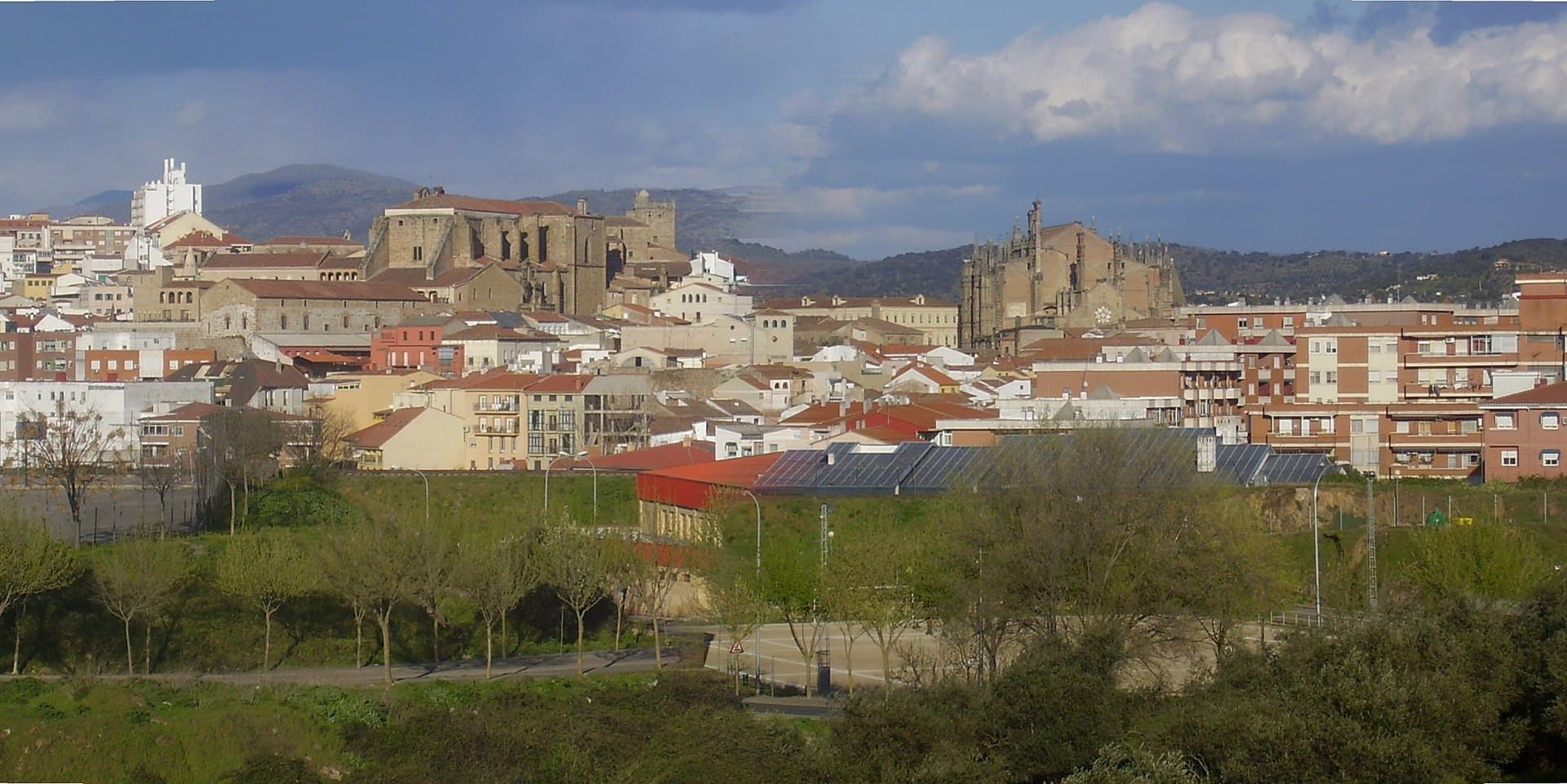 Photo of Plasencia, via Wikimedia Commons
Tour de audio autoguiado de Coria — ruta GPS a pie, reproducción offline, narración en 32 idiomas.
“Coria: Donde las piedras milenarias relatan su larga vigilia y el Alagón fluye con historias del pasado.”
No las postales. Las historias que ni los locales conocen — al oído, justo donde ocurrieron.
Entre los solemnes muros de la Catedral de Coria, un objeto sagrado ha atraído a peregrinos durante siglos.
Coria posee un puente romano, pero hoy no fluye ningún río bajo él.
Observa de cerca las murallas romanas de Coria, notablemente conservadas, y podrías discernir algo inesperado incrustado en las antiguas piedras.
Descubre todos los secretos de Coria
Cada dirección, cada revelación al completo — a tu oído, justo donde ocurrió.
Eliges tus paradas. Caminas. La voz te revela lo que los demás ignoran.
Tu tour de audioguía por Coria te espera — elige tus lugares, tu idioma y empieza al llegar.
ComprarLume incluye una guía de realidad aumentada. Levanta el móvil y su cámara muestra la calle que tienes delante, con una flecha luminosa sobre la imagen real que siempre apunta a tu próxima parada — sin mapas que descifrar, sin giros equivocados. Como todo en Lume, funciona completamente sin conexión.
Coria, una ciudad en la provincia de Cáceres, Extremadura, se erige como un testimonio vivo de milenios de esfuerzo humano. Sus orígenes se remontan a los vettones celtas en el siglo VII a.C., estableciéndola como una de las ciudades más antiguas de Extremadura y España. Situada en el río Alagón, Coria ha sido un lugar estratégico a lo largo de su existencia, un legado evidente en sus murallas romanas notablemente conservadas y un centro histórico declarado Bien de Interés Cultural.
Esta "Muy Noble y Leal Ciudad" ofrece un viaje a través del tiempo, donde las influencias romana, visigoda, musulmana y cristiana han moldeado su carácter perdurable. Desde antiguas fortificaciones hasta una catedral que contiene una venerada reliquia, Coria invita a los visitantes a descubrir sus capas de historia y experimentar una mezcla única de patrimonio y vida local.
La historia de Coria comienza como 'Caura', un importante asentamiento de los vettones celtas ya en el siglo VII a.C. Cuando llegaron los romanos, la rebautizaron como 'Caurium' y concedieron a sus ciudadanos derechos romanos, marcando un período de sustancial desarrollo urbano. Las impresionantes murallas romanas, algunas de las mejor conservadas de España y Europa, fueron erigidas en el siglo I d.C. para la defensa contra las incursiones bárbaras.
Bajo el dominio visigodo, Coria prosperó y se convirtió en el centro de una diócesis, un período de florecimiento que continuó durante siglos. En el siglo VIII, las fuerzas musulmanas conquistaron la ciudad, rebautizándola como 'Medina Cauria'. Durante siglos, Coria existió como una ciudad fronteriza crucial, cambiando de manos frecuentemente entre reinos musulmanes y cristianos. Los ejércitos cristianos la tuvieron brevemente en 1077, pero no fue hasta 1142, después de un asedio de dos meses, que Alfonso VII reconquistó definitivamente Coria, restaurando su diócesis.
Tras la Reconquista, Coria pasó de tierra real a señorío condal, llegando a formar parte del Marquesado de la Casa Ducal de Alba en 1472. Esta época vio la construcción del Castillo de los Duques de Alba, edificado sobre el emplazamiento de una fortificación templaria anterior, diseñado defensivamente incluso desde dentro de la propia ciudad. Los siglos XV al XVIII también fueron testigos de la extensa construcción de la Catedral de Santa María de la Asunción, una mezcla de estilos gótico, plateresco y barroco. La ciudad, aunque no fue tomada por los portugueses, sufrió mucho durante la Guerra contra Portugal de 1640-1668, con el campo asaltado repetidamente.
En el siglo XX, la sede episcopal de Coria comenzó a compartir su capital con Cáceres. Hoy en día, Coria sigue siendo un importante centro histórico, artístico, comercial, administrativo y judicial en el noroeste de la provincia de Cáceres, conservando su profundo pasado mientras abraza la vida moderna.
Las Murallas Romanas son una atracción principal, extendiéndose más de un kilómetro y presentando 20 torres y cuatro puertas, dos de las cuales datan del período romano. Puedes caminar a lo largo de estas gruesas murallas, que tienen hasta cuatro metros de ancho y 14 metros de alto en algunas secciones.
La Catedral de Santa María de la Asunción es un punto de referencia prominente, mostrando una mezcla de estilos gótico, plateresco y barroco. Asegúrate de visitar el Museo Catedralicio, que alberga artefactos religiosos, incluido el venerado Mantel Sagrado. Cerca, el Castillo de los Duques de Alba, construido en el siglo XV sobre un emplazamiento templario, ofrece una ventana al noble pasado de la ciudad.
Explora otros edificios históricos como la Cárcel Real del siglo XVII, ahora un museo de historia, arqueología y etnografía, y la Cárcel Eclesiástica del siglo XVIII. La Iglesia de Santiago Apóstol, de estilo gótico-renacentista, es otra parroquia importante. Da un paseo hasta el Puente Viejo, una estructura renacentista que, famosamente, se alza sobre un cauce seco. Para una escapada tranquila, el Jardín Botánico ofrece una colección de flora autóctona.
Coria experimenta un clima mediterráneo, caracterizado por inviernos suaves y húmedos y veranos muy calurosos y secos. Las temperaturas de verano a menudo superan los 35°C (95°F), a veces alcanzando más de 40°C (104°F) durante las olas de calor. Las mejores épocas para visitar Coria para actividades al aire libre en general son desde principios de mayo hasta mediados de julio y desde mediados de agosto hasta mediados de octubre, cuando el clima es agradable con temperaturas percibidas entre 18°C y 27°C (65°F y 80°F). Para actividades en clima cálido, de finales de junio a principios de septiembre es ideal. Para evitar multitudes, considera visitar durante los meses más frescos, de mediados de octubre a abril.
Coria se encuentra en la provincia de Cáceres, Extremadura, España. La ciudad tiene una población aproximada de 12.531 habitantes. Si bien un día completo suele ser suficiente para explorar las principales atracciones, se recomienda una estancia de una noche si planeas explorar los alrededores naturales o los pueblos cercanos.
Los visitantes pueden disfrutar de varios festivales y eventos durante todo el año. El más famoso son las Fiestas de San Juan, un festival de encierros que se celebra anualmente del 23 al 29 de junio, declarado fiesta de Interés Turístico Nacional. Otros eventos incluyen el Festival Internacional de Teatro de la Ciudad de Coria y las celebraciones de Semana Santa. Para los interesados en la gastronomía local, el "Coria Sabor Micológico" en otoño celebra la gastronomía basada en setas.
Coria en coreano, en chino o en hebreo — y 29 idiomas más, cada parada narrada por una voz nativa. La mayor variedad de idiomas de cualquier audioguía autoguiada.
Disponible en: