Travesía del Moral
Entre las sinuosas callejuelas del Barrio Judío de Hervás, hay una calle tan estrecha que ostenta un título único en España.
La historia completa se desbloquea en el tour
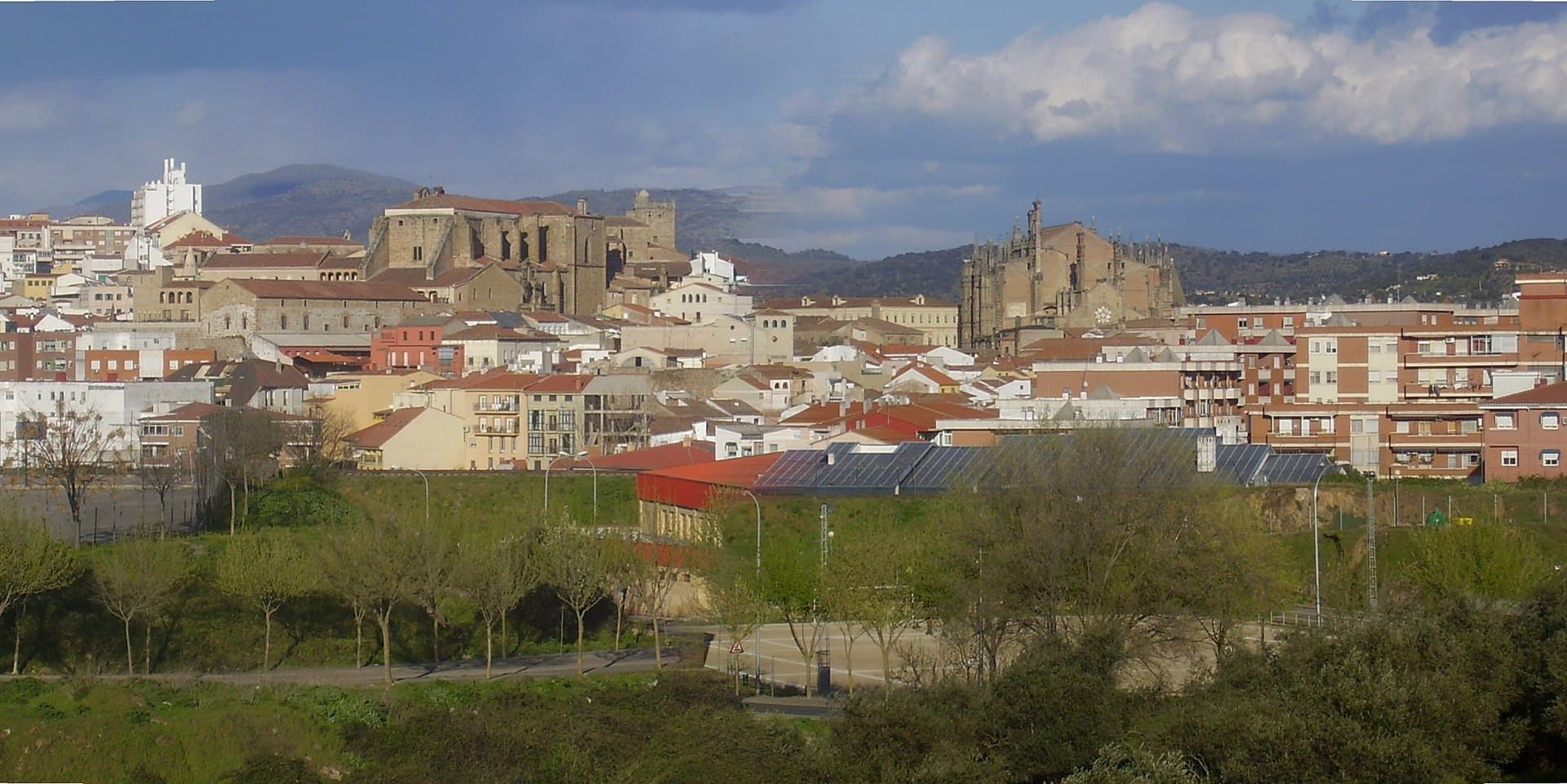 Photo of Plasencia, via Wikimedia Commons
Tour de audio autoguiado de Hervás — ruta GPS a pie, reproducción offline, narración en 32 idiomas.
“Donde la madera de castaño y las piedras ancestrales narran historias de refugio y espíritu perdurable.”
No las postales. Las historias que ni los locales conocen — al oído, justo donde ocurrieron.
Entre las sinuosas callejuelas del Barrio Judío de Hervás, hay una calle tan estrecha que ostenta un título único en España.
Aunque muchas ciudades españolas tienen barrios judíos, Hervás posee una distinción que dice mucho sobre su pasado.
La prominente iglesia del pueblo, asentada en una colina, guarda un secreto sobre sus cimientos mucho más antiguos.
Descubre todos los secretos de Hervás
Cada dirección, cada revelación al completo — a tu oído, justo donde ocurrió.
Eliges tus paradas. Caminas. La voz te revela lo que los demás ignoran.


Tu tour de audioguía por Hervás te espera — elige tus lugares, tu idioma y empieza al llegar.
ComprarLume incluye una guía de realidad aumentada. Levanta el móvil y su cámara muestra la calle que tienes delante, con una flecha luminosa sobre la imagen real que siempre apunta a tu próxima parada — sin mapas que descifrar, sin giros equivocados. Como todo en Lume, funciona completamente sin conexión.
Hervás, un pequeño pueblo en la provincia de Cáceres, al norte de España, es un lugar donde la historia y la naturaleza se entrelazan. Situado en el Valle del Ambroz, está rodeado de frondosos bosques y colinas ondulantes, lo que lo convierte en un destino para aquellos que buscan tanto la inmersión cultural como la exploración al aire libre. La característica más llamativa del pueblo es su Barrio Judío, notablemente conservado, un laberinto de calles estrechas y sinuosas bordeadas de casas tradicionales construidas con madera local de castaño y roble, y ladrillo de adobe.
Este barrio histórico, declarado Conjunto Histórico-Artístico en 1969, ofrece una visión de un pasado donde coexistieron comunidades judías, cristianas y musulmanas. Más allá de su atractivo arquitectónico, Hervás es una puerta de entrada a la belleza natural del Valle del Ambroz, brindando oportunidades para practicar senderismo, ciclismo y disfrutar de sus serenos paisajes. Es un pueblo que invita a los visitantes a desacelerar, explorar sus antiguas callejuelas y descubrir las historias grabadas en sus piedras.
Hervás remonta sus orígenes al siglo XII, cuando los Caballeros Templarios establecieron una ermita a orillas del río Santihervás. Este asentamiento inicial, llamado Santihervás en honor a los santos cristianos Gervasio y Protasio, creció gradualmente hasta convertirse en un pueblo durante los siglos XIII y XIV. La presencia templaria aún es evidente en los cimientos de la Iglesia de Santa María, que se alza en el lugar de su antiguo castillo.
El siglo XV marcó un período significativo para Hervás con la llegada de una importante comunidad judía. Estas familias judías buscaron refugio de la creciente persecución antisemita en toda Castilla, encontrando un ambiente acogedor en Hervás, un gesto raro en la época. Para 1450, 45 familias judías, incluyendo tejedores, médicos, recaudadores de impuestos y comerciantes, vivían en Hervás. Esta comunidad desempeñó un papel crucial en el desarrollo económico y cultural del pueblo, dejando una huella indeleble en su arquitectura y tradiciones.
En 1492, con la expulsión de los judíos de España ordenada por Isabel y Fernando, muchos en Hervás se vieron obligados a convertirse al cristianismo, mientras que algunos huyeron a Portugal. A pesar del decreto, muchos conversos continuaron practicando su fe judía en secreto, dando lugar a un dicho local: 'en Hervás hay muchos judíos'. El Barrio Judío, con sus distintivas casas construidas con madera de castaño local y adobe, permanece notablemente conservado, un testimonio de este legado perdurable. En el siglo XVIII, la economía del pueblo se impulsó significativamente con la industria textil, que prosperó hasta el siglo XIX. Hoy, Hervás continúa honrando su diverso pasado, particularmente a través de eventos como el Festival del Barrio Judío en julio, que celebra la coexistencia histórica de sus comunidades.
El punto culminante indiscutible de Hervás es su Barrio Judío (Judería), considerado uno de los mejor conservados de España. Pasea por sus calles estrechas y empinadas, admirando las casas tradicionales construidas con vigas de madera de castaño y adobe. Las calles clave para explorar incluyen la Calle Rabilero, conocida por sus fachadas encaladas y macetas, y la Calle Sinagoga, donde las piedras antiguas datan del siglo XIV. No te pierdas la Travesía del Moral, la calle más estrecha de España.
Asentada en una colina que domina el pueblo, la Iglesia de Santa María de Aguas Vivas ofrece vistas panorámicas de Hervás y el Valle del Ambroz. Esta iglesia del siglo XIII fue construida sobre el emplazamiento de una fortaleza templaria. Otros sitios religiosos notables incluyen la Iglesia de San Juan Bautista del siglo XVII y la Ermita de San Andrés del siglo XIV, que alberga la imagen del Cristo de la Salud, patrón de Hervás. Para una visión del arte y la historia local, visita el Museo Pérez Comendador-Leroux, ubicado en una mansión del siglo XVIII, que exhibe obras del escultor Enrique Pérez Comendador y la pintora Magdalena Leroux. Los entusiastas del automóvil pueden disfrutar del Museo de Motos y Coches Clásicos, que presenta una colección única de vehículos del siglo XX.
Más allá del núcleo urbano, la Vía Verde de la Plata ofrece una pintoresca ruta de 42 km para caminar o andar en bicicleta por el Valle del Ambroz. El Bosque de Castaños circundante brinda oportunidades para hacer senderismo y conectar con la naturaleza.
Las épocas más agradables para visitar Hervás son durante la primavera (abril a junio) y el otoño (septiembre a noviembre). Durante estas estaciones, el clima es templado y el paisaje natural, particularmente los colores cambiantes del Bosque de Castaños, está en su máxima belleza. Los veranos (julio a agosto) son cálidos, con máximas promedio alrededor de 30°C (86°F), y pueden ser animados con festivales locales. El Festival del Barrio Judío tiene lugar en julio y el Festival del Castaño en octubre.
Hervás se encuentra en la provincia de Cáceres, en la región de Extremadura, España. La moneda local es el Euro (€), y las tarjetas de crédito son ampliamente aceptadas, aunque es aconsejable llevar algo de efectivo para establecimientos más pequeños. Si bien las frases básicas en español son útiles, muchas personas en la industria del turismo hablan inglés.
Para llegar a Hervás desde Madrid, puedes tomar un autobús o tren a Plasencia, seguido de un autobús local o taxi. El viaje total suele durar entre 3 y 4 horas. Si conduces, la A-66/E-803 (Autovía Ruta de la Plata) es el punto de referencia principal; toma la salida 436 hacia Hervás (EX-205). Las opciones de alojamiento en Hervás incluyen encantadoras casas rurales, hostales, pequeños hoteles y campings. El pueblo ofrece una selección de bares de tapas y restaurantes que sirven platos locales como 'migas extremeñas' y 'caldereta de cordero'.
Hervás en coreano, en chino o en hebreo — y 29 idiomas más, cada parada narrada por una voz nativa. La mayor variedad de idiomas de cualquier audioguía autoguiada.
Disponible en: