The Name of the Town
Granadilla once bore a different name.
Full story unlocks in the tour
 Samu from Alpedrete, Spain / CC BY 2.0, via Wikimedia Commons
Self-guided audio walking tour of Granadilla — GPS route, offline playback, story-driven narration in 32 languages.
“A Spanish ghost town, forsaken by a flood that never arrived.”
Not the postcards. The stories even locals don't know — whispered in your ear, right where they happened.
Granadilla once bore a different name.
Granadilla's evacuation occurred due to an anticipated flood that never materialized.
Even after the town's desertion, one structure continued its original purpose, albeit infrequently.
Discover every secret of Granadilla
Every address, every reveal in full — in your ear, right where it happened.
You pick your stops. You walk. The voice reveals what the others miss.
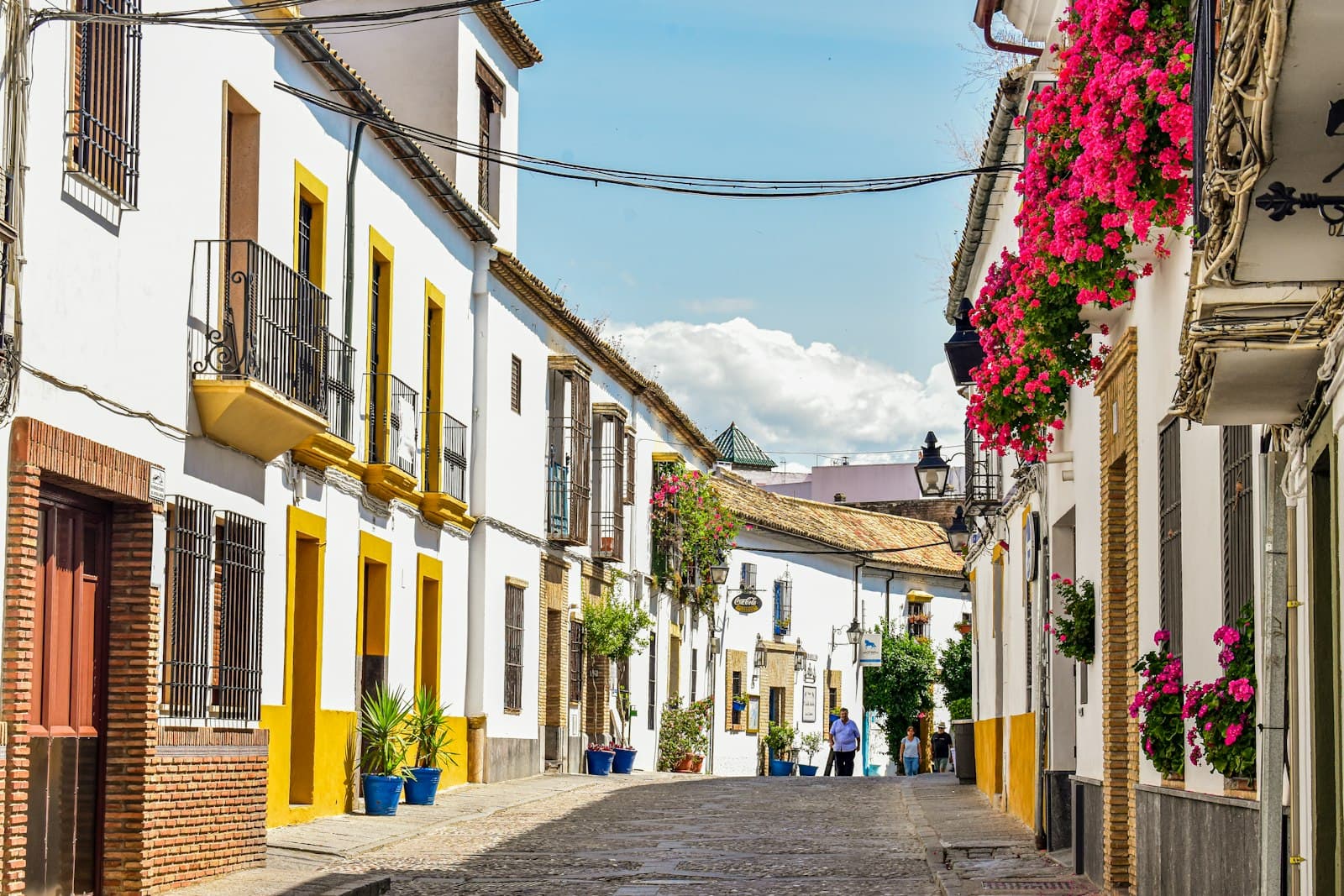
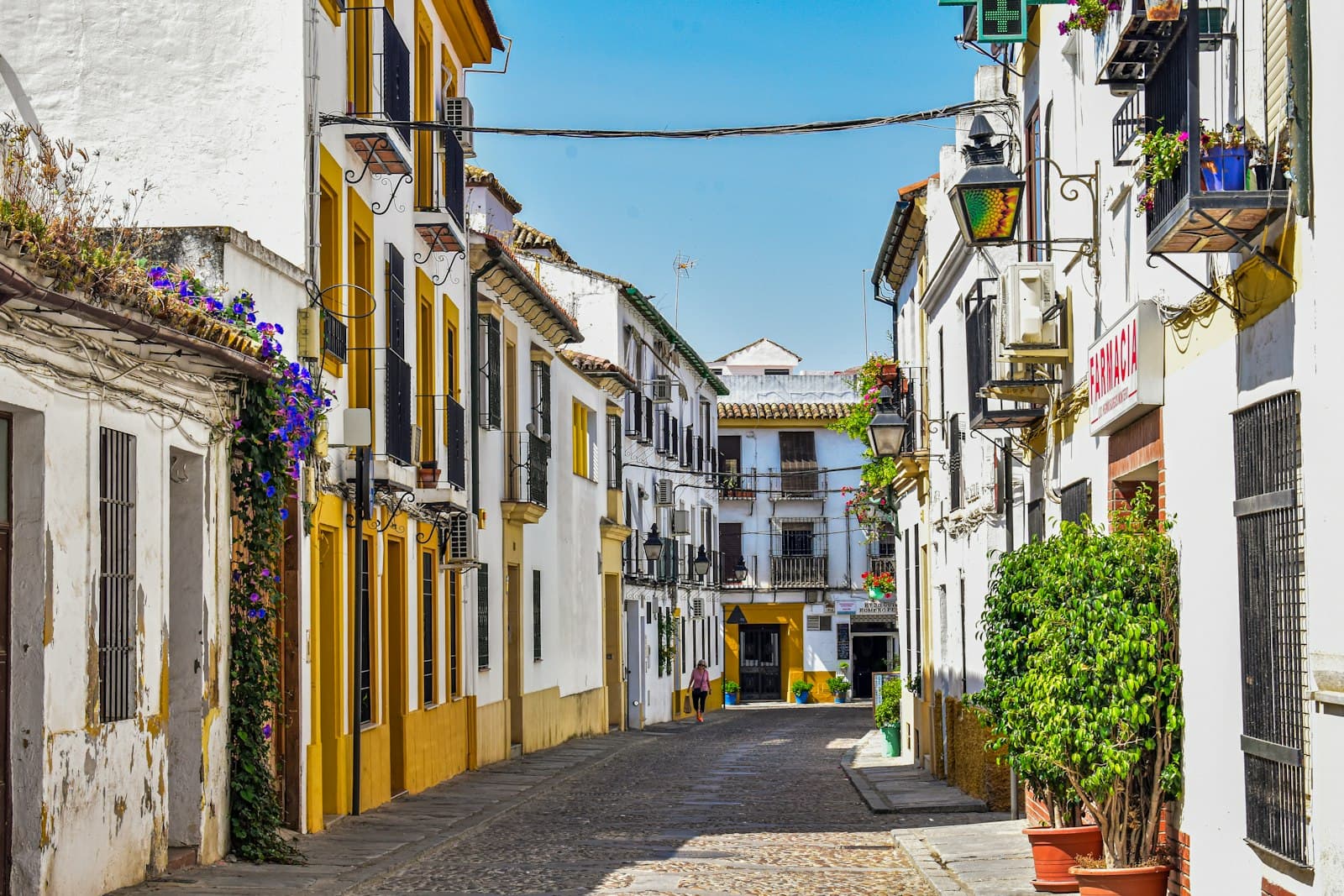
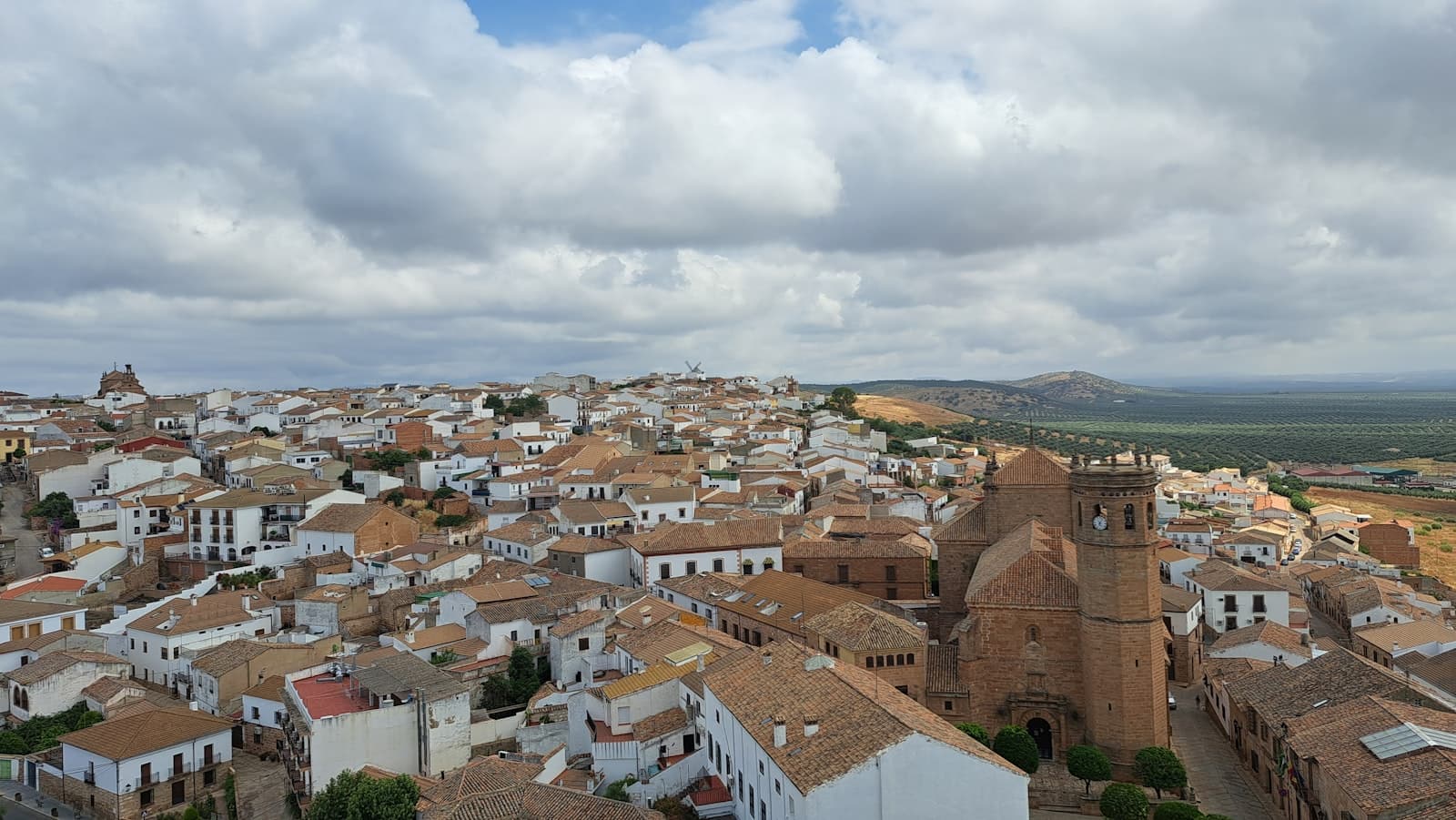
Your self-guided audio tour of Granadilla is ready — pick your landmarks, choose your language, and start the moment you arrive.
BuyLume has a built-in augmented-reality guide. Hold your phone up and its camera shows the street ahead of you, with a glowing arrow laid over the real view that always points to your next stop — no map to puzzle over, no wrong turns. Like everything in Lume, it works fully offline.
Granadilla, a compelling ghost town in Spain's Extremadura region, offers a singular glimpse into a past abruptly halted. This walled settlement, with its medieval castle and quiet lanes, was vacated in the mid-20th century under unusual circumstances. Declared a 'flood zone' in 1955 due to the construction of the Gabriel y Galán reservoir, its residents were compelled to relocate, even though the town itself remained unsubmerged.
Today, Granadilla stands as a testament to endurance and renewal. Since 1980, it has been recognized as a Historical and Artistic Site of Importance and has been part of a recovery program since 1984. Student groups from across Spain engage in educational activities, assisting in the restoration of buildings and tending gardens, breathing a new kind of vitality into its quiet avenues. Visitors can explore its remarkably preserved walls, ascend the castle for expansive views, and wander through a town frozen in time, where the echoes of its former community linger amidst ongoing restoration.
## From Moorish Outpost to Medieval Hub Granadilla's narrative commences in the 9th century, when the Moors established it as a fortified citadel. Its strategic elevated position on the 'Silver Way,' an ancient Roman road, rendered it an ideal defensive outpost, regulating passage between Spain's north and south. Initially known as Granada, the town's name was altered to Granadilla in 1492 to differentiate it from the larger Andalusian city after the Catholic Monarchs' conquest.
King Ferdinand II of León seized Granadilla from the Moors in 1160 and subsequently ordered the construction of the impressive walls that still encircle the town. During the Middle Ages, Granadilla prospered, becoming a significant regional center of influence with authority over numerous surrounding municipalities. This era saw the construction of many of the Gothic, Mudejar, and Renaissance-style buildings that endure today. The town eventually came under the dominion of the House of Alba, a prominent noble family, for over four centuries.
## The Forced Exodus and a New Beginning The mid-20th century brought an unexpected and profound shift to Granadilla. In 1955, the Spanish government, under the Franco regime, initiated the construction of the Gabriel y Galán reservoir. Despite Granadilla's elevation above the projected water level, the town was designated a 'flood zone,' and its inhabitants were commanded to evacuate. The surrounding agricultural lands, crucial for the community's sustenance, were indeed inundated, effectively isolating the town by severing all but one access road. The last residents departed in 1964.
For some years, Granadilla was left to the elements and became a target for plunderers. However, its story took a positive turn in 1980 when it was declared a Historical-Artistic Ensemble. Since 1984, Granadilla has been part of a national program for the "Recovery and Educational Use of Abandoned Villages," drawing students from across Spain to participate in its restoration and preservation. This initiative has infused new life into the town, transforming it into a distinctive educational and tourist destination, where its deep past is being carefully revealed and maintained.
Granadilla invites exploration of its remarkably preserved medieval structures and quiet lanes. Begin at The Wall, a Moorish fortification from the 9th century, considered one of Spain's finest. You can walk along sections of it, offering views of the town and the surrounding Gabriel y Galán reservoir.
The Castle, constructed in the 15th century by the first Duke of Alba, stands as the town's most imposing edifice. Its distinctive design, resembling an elaborate tower with four semi-circular turrets, includes a dungeon and vaulted rooms. Ascend to the summit for expansive vistas of the reservoir and the entire walled town.
Stroll through the Plaza Mayor, the town's central square, bordered by colorful houses and the old town hall. Nearby, you will find the Iglesia de la Asunción, a 16th-century church with Gothic and Renaissance elements. While typically closed, it opens for services on August 15th and November 1st. The Casa de Villa y Tierra, one of the oldest mansions, displays the coat of arms of the House of Alba. The restored buildings are primarily utilized for the educational program, but the castle is generally accessible to the public.
The most favorable times to visit Granadilla are during late winter or early spring, such as mid-March, when temperatures are gentle and the surrounding landscape is verdant. Spring and autumn generally offer pleasant weather for exploration. Summer can bring intense heat, making extended walks along the walls challenging due to a lack of shade. If visiting in warmer months, remember to bring a hat, sunscreen, and ample water.
Granadilla is reachable only by car, with complimentary parking available at the entrance. Public transport is unavailable. The town is typically open from Tuesday to Sunday, with varying hours depending on the season: from April to October, 10:00 AM to 1:30 PM and 4:00 PM to 8:00 PM; from November to March, 10:00 AM to 1:30 PM and 4:00 PM to 6:00 PM. Mondays are closed. Entry to the town and castle is free, and no booking is required for individual visitors or families.
There are no tourist amenities within Granadilla itself, meaning no bars, restaurants, or shops. Visitors should bring their own food and water. The nearest village with dining options is Zarza de Granadilla. While dogs are permitted, they must be kept on a lead due to farm animals and restoration areas. Allow an hour and a half to two hours to explore the castle, walls, and avenues at a comfortable pace.
Granadilla in Korean, in Chinese or in Hebrew — and 29 more languages, every stop narrated by a native voice. The widest language range of any self-guided audio tour.
Available in: