Plaza de Santa María de Guadalupe
Antes de zarpar hacia el Nuevo Mundo, Cristóbal Colón hizo una parada significativa en Guadalupe.
La historia completa se desbloquea en el tour
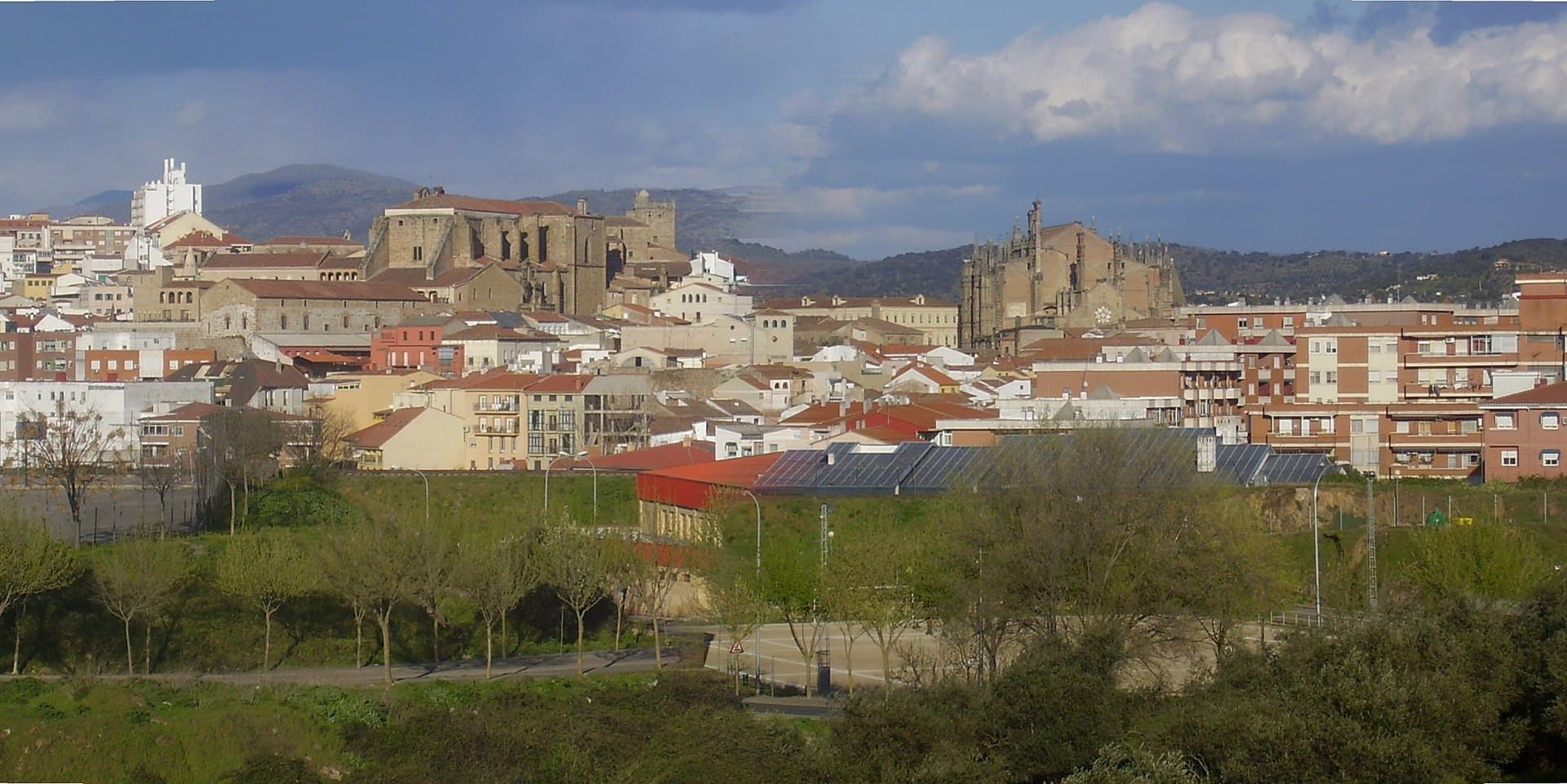 Photo of Plasencia, via Wikimedia Commons
Tour de audio autoguiado de Guadalupe — ruta GPS a pie, reproducción offline, narración en 32 idiomas.
“Donde los ecos de la historia se encuentran con un silencio sagrado.”
No las postales. Las historias que ni los locales conocen — al oído, justo donde ocurrieron.
Antes de zarpar hacia el Nuevo Mundo, Cristóbal Colón hizo una parada significativa en Guadalupe.
La venerada imagen de la Virgen María, central en la identidad de Guadalupe, tiene un origen sorprendentemente humilde.
El encanto medieval de Guadalupe se extiende más allá de su monumental monasterio, hasta su propio trazado urbano.
Descubre todos los secretos de Guadalupe
Cada dirección, cada revelación al completo — a tu oído, justo donde ocurrió.
Eliges tus paradas. Caminas. La voz te revela lo que los demás ignoran.


Tu tour de audioguía por Guadalupe te espera — elige tus lugares, tu idioma y empieza al llegar.
ComprarLume incluye una guía de realidad aumentada. Levanta el móvil y su cámara muestra la calle que tienes delante, con una flecha luminosa sobre la imagen real que siempre apunta a tu próxima parada — sin mapas que descifrar, sin giros equivocados. Como todo en Lume, funciona completamente sin conexión.
Guadalupe, un pueblo en la provincia de Cáceres, Extremadura, es un lugar donde convergen siglos de historia y devoción. Su hito principal, el Real Monasterio de Santa María de Guadalupe, es Patrimonio de la Humanidad por la UNESCO que ha moldeado la identidad del pueblo y atraído a peregrinos durante cientos de años. Más allá del monasterio, las calles empedradas y la arquitectura tradicional de Guadalupe crean una atmósfera evocadora, invitando a la exploración de un pasado entrelazado con momentos significativos de la historia española e incluso global.
Enclavado entre los bosques montañosos de la Sierra de Villuercas, Guadalupe ofrece más que solo intriga histórica. Es un destino que atrae a quienes buscan una conexión más profunda con el patrimonio cultural y religioso de España, así como a quienes aprecian la belleza sencilla de un pueblo medieval bien conservado. El pueblo sirve como testimonio de una fe perdurable y de la destreza arquitectónica de épocas pasadas, lo que lo convierte en una parada atractiva en la región de Extremadura.
La historia de Guadalupe comienza con una leyenda a finales del siglo XIII. Un humilde pastor, Gil Cordero, buscaba una vaca perdida a lo largo del río Guadalupejo cuando, según se cuenta, tuvo una aparición de la Virgen María. Ella le indicó que excavara en ese lugar, donde desenterró una estatua de la Virgen María, que se creía había sido oculta siglos antes por cristianos que huían de la invasión mora de Sevilla en el año 714 d.C. Se construyó una pequeña ermita para albergar la venerada imagen, que rápidamente se convirtió en un lugar de peregrinación.
La prominencia del santuario creció significativamente en 1340 cuando el rey Alfonso XI de Castilla atribuyó su victoria en la Batalla del Salado contra los moros a la intercesión de la Virgen. En agradecimiento, encargó la construcción de un gran monasterio jerónimo para albergar la estatua. Este Real Monasterio de Santa María de Guadalupe, una mezcla de estilos gótico, mudéjar, renacentista, barroco y neoclásico, se convirtió en uno de los centros monásticos más ricos e importantes de España. Los monjes eran conocidos por sus habilidades en miniaturismo, herrería y orfebrería, y el monasterio reunió una importante colección de obras de arte, incluyendo pinturas de Francisco de Zurbarán y Luca Giordano.
La influencia de Guadalupe se extendió mucho más allá de la devoción religiosa. Fue dentro de los muros del monasterio donde los Reyes Católicos, Isabel I de Castilla y Fernando II de Aragón, firmaron los documentos que autorizaban el primer viaje de Cristóbal Colón a las Américas en 1492. A su regreso, Colón visitó el monasterio para dar gracias, y el lugar se conectó profundamente con la exploración y evangelización española del Nuevo Mundo. El pueblo en sí, La Puebla de Guadalupe, se desarrolló alrededor del monasterio, caracterizado por su arquitectura tradicional y una red de caminos históricos que una vez lo conectaron con los principales centros de población de la Península Ibérica, sirviendo a las multitudes de peregrinos que viajaban al santuario.
La pieza central indiscutible de Guadalupe es el Real Monasterio de Santa María de Guadalupe, declarado Patrimonio de la Humanidad por la UNESCO. Esta maravilla arquitectónica exhibe una mezcla de estilos gótico, mudéjar, renacentista, barroco y neoclásico. Se requiere una visita guiada, generalmente en español, para explorar sus partes más interesantes, incluyendo el claustro mudéjar del siglo XIV, conocido por su intrincado diseño y grandes pinturas. El monasterio también alberga tres museos que exhiben vestimentas, libros históricos, manuscritos y esculturas religiosas. No pase por alto la sacristía, adornada con ocho pinturas de Francisco de Zurbarán, y el ricamente ornamentado Camarín, que alberga la venerada estatua de la Virgen.
Más allá del monasterio, pasee por el atractivo centro histórico de La Puebla. Su trazado irregular, calles empedradas y casas tradicionales con balcones de madera y soportales ofrecen una visión de la vida medieval. Los puntos de interés clave incluyen la Plaza Mayor, la Plaza de Santa María de Guadalupe con su histórica fuente, y la Plazuela de los Tres Chorros. Busque las cinco puertas medievales restantes que alguna vez formaron parte de la infraestructura defensiva del pueblo, como el Arco de Sevilla y el Arco de San Pedro. Para disfrutar de amplias vistas, diríjase al Mirador del Parque de la Constitución o al Mirador de Guadalupe.
Las épocas más cómodas para visitar Guadalupe son generalmente en mayo, junio y septiembre. Durante estos meses, el clima suele ser óptimo para explorar los sitios históricos y disfrutar de actividades al aire libre. Los veranos, particularmente julio y agosto, pueden ser muy cálidos con máximas diurnas que alcanzan alrededor de los 34°C (93°F) y menos días de lluvia. Los inviernos son más fríos, siendo enero el mes más frío, experimentando máximas promedio de 12°C (54°F) y mínimas de 3°C (37°F). Para evitar grandes aglomeraciones, evite las principales celebraciones religiosas como Semana Santa, el período navideño (que se extiende hasta el 6 de enero en España) y las festividades locales alrededor del 8 de septiembre y el 12 de octubre.
Guadalupe se encuentra en la provincia de Cáceres, Extremadura. La forma más común de llegar es en coche, lo que ofrece la mayor flexibilidad. Las opciones de transporte público incluyen autobuses desde las principales ciudades como Cáceres, Mérida, Trujillo y Madrid, aunque los horarios pueden ser poco frecuentes, especialmente los fines de semana. Es aconsejable consultar los horarios con antelación.
Hay aparcamiento disponible en el pueblo, con un gran aparcamiento público al aire libre y gratuito en la Avda. Eusebio González. La Plaza de Santa María de Guadalupe está cerrada al aparcamiento de vehículos, aunque se permiten paradas breves para dejar pasajeros. Dentro del pueblo, caminar es la mejor manera de explorar sus calles medievales. El Real Monasterio de Santa María de Guadalupe solo se puede visitar con una visita guiada, que debe adquirirse en el lugar. Tenga en cuenta que estas visitas son principalmente en español y, por lo general, está restringido tomar fotografías en el interior, excepto en el claustro mudéjar.
Guadalupe en coreano, en chino o en hebreo — y 29 idiomas más, cada parada narrada por una voz nativa. La mayor variedad de idiomas de cualquier audioguía autoguiada.
Disponible en: