Decatur Square
Este lugar de reunión central, a menudo escenario de mercados y celebraciones, una vez jugó un papel fundamental en un conflicto estadounidense decisivo.
La historia completa se desbloquea en el tour
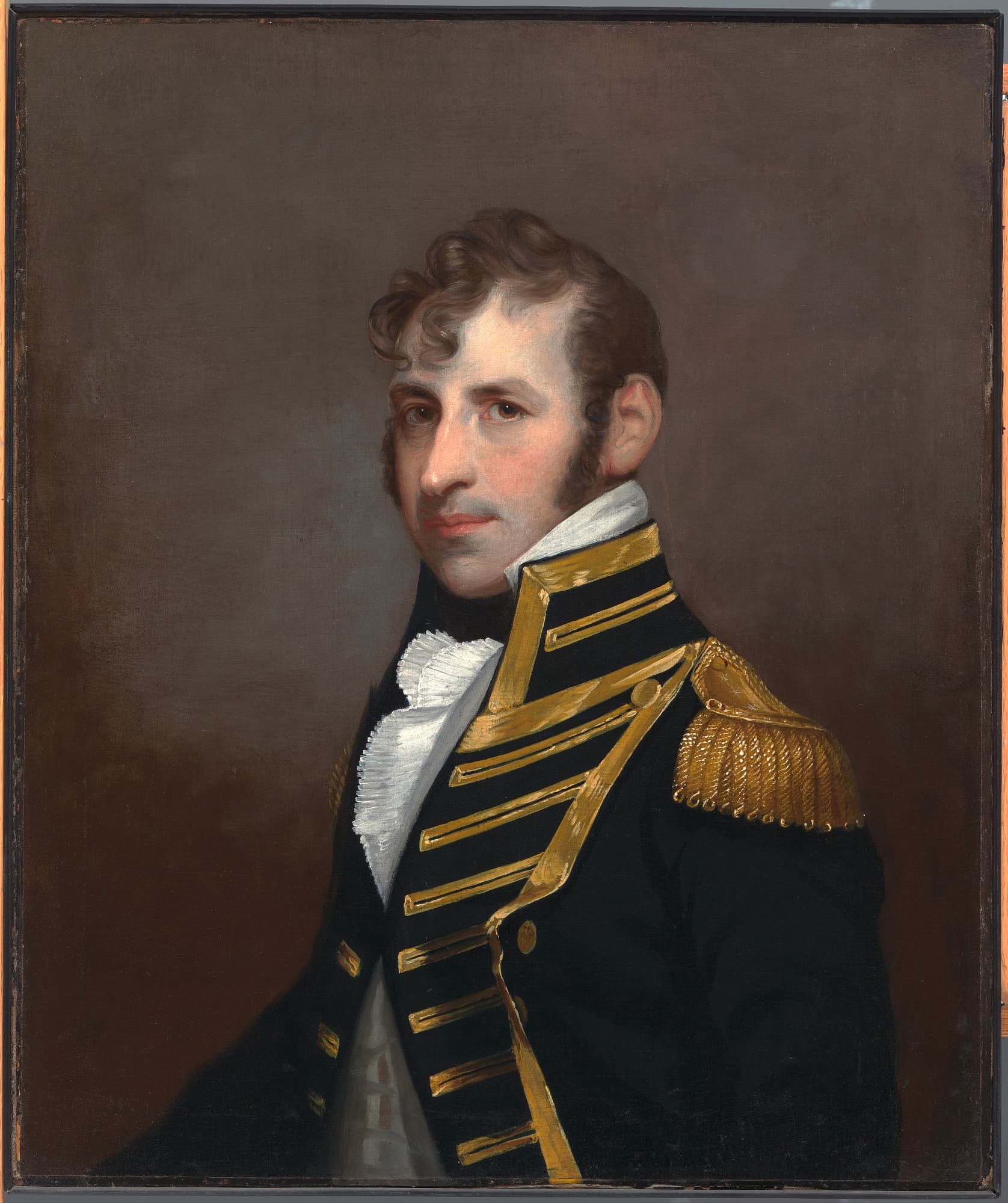 Charles Bird King / public domain, via Wikimedia Commons
Tour de audio autoguiado de Decatur — ruta GPS a pie, reproducción offline, narración en 32 idiomas.
“Una ciudad de Georgia con calles verdes, donde la innovación culinaria se une a un profundo sentido de pertenencia.”
No las postales. Las historias que ni los locales conocen — al oído, justo donde ocurrieron.
Este lugar de reunión central, a menudo escenario de mercados y celebraciones, una vez jugó un papel fundamental en un conflicto estadounidense decisivo.
Más allá de su sorprendente arquitectura gótica y rigor académico, esta universidad para mujeres ostenta una distinción única en la historia educativa de Georgia.
Este atractivo barrio, conocido por sus bungalows estilo Craftsman, tiene sus raíces en una tendencia de transporte en auge.
Descubre todos los secretos de Decatur
Cada dirección, cada revelación al completo — a tu oído, justo donde ocurrió.
Eliges tus paradas. Caminas. La voz te revela lo que los demás ignoran.
Tu tour de audioguía por Decatur te espera — elige tus lugares, tu idioma y empieza al llegar.
ComprarA solo seis millas al este del centro de Atlanta, Decatur, Georgia, ofrece una atractiva mezcla de carácter sureño de pueblo pequeño y una energía urbana decididamente progresista. Esta ciudad eminentemente transitable, la sede del condado de DeKalb, es celebrada por sus avenidas arboladas, un profundo sentido de comunidad y un animado panorama cultural y culinario que la distingue dentro del área metropolitana.
La plaza del centro de Decatur funciona como el corazón animado de la ciudad, un distrito peatonal lleno de restaurantes aclamados por la crítica, boutiques independientes y un calendario anual de celebraciones y reuniones. Desde su arquitectura perdurable hasta su sorprendente arte público, Decatur invita a la exploración, proporcionando una experiencia acogedora tanto para residentes como para visitantes que buscan un destino dinámico pero accesible.
Antes del asentamiento europeo, el área que se convertiría en Decatur estaba principalmente cubierta de bosques, con dos importantes senderos nativos americanos, el Sandtown y el Shallowford, convergiendo aquí. En 1822, esta intersección estratégica fue elegida como el sitio para el palacio de justicia del condado de DeKalb, marcando la génesis del centro de Decatur. La ciudad fue incorporada oficialmente el 10 de diciembre de 1823 y nombrada en honor a Stephen Decatur, un distinguido héroe naval estadounidense de la Guerra de 1812.
Los primeros colonos, principalmente agricultores y artesanos calificados de ascendencia inglesa, escocesa e irlandesa, emigraron de otras partes de Georgia, las Carolinas y Virginia, estableciendo granjas pequeñas y medianas en lo que entonces era una región rural y escasamente poblada. La extracción de piedra también fue una actividad económica temprana en el área circundante.
Decatur jugó un papel notable durante la Guerra Civil, sirviendo como una base operativa clave para las tropas de la Unión durante la campaña de Atlanta de William T. Sherman. Su acceso a los ferrocarriles fue estratégicamente importante para cortar los suministros confederados. Después de la guerra y la disminución de la agricultura local, Decatur experimentó un crecimiento residencial, evolucionando hacia un suburbio deseable de Atlanta.
A finales del siglo XIX y principios del XX, se desarrollaron suburbios de tranvías, como Oakhurst, que inicialmente se incorporó como una ciudad separada en 1910 antes de ser anexada por Decatur entre 1914 y 1916. Esta época también trajo la fundación de instituciones significativas, como Agnes Scott College en 1889, originalmente el Seminario Femenino de Decatur, que rápidamente se convirtió en pionera en la educación superior femenina en Georgia.
A lo largo del siglo XX, Decatur continuó expandiéndose, con sus diversos distritos y barrios desarrollando características distintivas que se han fusionado en la ciudad animada y diversa que es hoy. La ciudad ha mantenido su atractivo perdurable mientras abraza un espíritu progresista, evidente en su floreciente escena artística, variada oferta culinaria y numerosas iniciativas centradas en la comunidad. Hoy en día, Decatur es reconocida por su alta calidad de vida, su núcleo urbano transitable y un fuerte compromiso con el arte público y los eventos culturales que atraen a visitantes de toda la región.
El centro compacto y transitable de Decatur es un nexo de actividad. Comience en Decatur Square, el punto de reunión central de la ciudad, que a menudo alberga mercados de agricultores, celebraciones y música en vivo. Alrededor de la plaza, descubrirá una variedad de tiendas independientes, restaurantes aclamados y animados pubs.
Para los entusiastas del arte, Decatur es un tesoro de descubrimientos. Explore el Decatur Artway, una galería de esculturas al aire libre rotatoria con diez piezas exhibidas en los distritos comerciales de la ciudad. Busque murales animados, las caprichosas Secret Doors Decatur y las instalaciones #LookUpDecatur en los postes de luz. La Decatur Arts Alliance Gallery también presenta exposiciones rotatorias.
A poca distancia a pie de la plaza se encuentra Agnes Scott College, una universidad privada de artes liberales para mujeres establecida en 1889. Su hermosa arquitectura de estilo gótico y sus tranquilos espacios verdes la convierten en un paseo pintoresco. El campus está reconocido en el Registro Nacional de Lugares Históricos.
Para una noche de entretenimiento, considere Roaring Social, un 'speakeasy' temático de los años 20 que ofrece música en vivo, bolos boutique y cócteles artesanales. Los amantes de la música también deben consultar la programación de Eddie's Attic, un lugar legendario conocido por albergar tanto a artistas establecidos como emergentes.
Más allá del centro, el barrio de Oakhurst ofrece un atractivo distintivo con sus perdurables bungalows Craftsman, negocios locales y Harmony Park, un lugar popular para eventos comunitarios.
Decatur experimenta un clima subtropical húmedo, caracterizado por inviernos suaves y veranos cálidos y soleados. Las épocas más cómodas para visitar para actividades al aire libre son durante la primavera (principios de mayo a mediados de junio) y el otoño (finales de agosto a mediados de octubre), cuando las temperaturas son agradables y la humedad es menor. Marzo, abril, mayo, septiembre y octubre ofrecen condiciones ideales, con temperaturas promedio que oscilan entre 18°C y 28°C. Julio es el mes más cálido, con máximas promedio alrededor de 32°C, mientras que enero es el más frío, con mínimas promedio alrededor de 2°C. La ciudad alberga numerosas celebraciones durante todo el año, por lo que revisar el calendario de eventos puede ayudarlo a planificar su visita en torno a un interés específico.
Decatur es altamente accesible, situada a solo seis millas al este del centro de Atlanta. La ciudad cuenta con tres estaciones de tren MARTA (Metropolitan Atlanta Rapid Transit Authority): Decatur, East Lake y Avondale, que ofrecen un cómodo transporte público. Para quienes conducen, Decatur tiene más de 10,000 plazas de aparcamiento disponibles diariamente. La ciudad es famosa por ser transitable a pie, lo que facilita la exploración de muchas atracciones.
Decatur también es apta para bicicletas, con carriles bici en muchas de las principales vías y conectando con el sendero P.A.T.H. Foundation Stone Mountain de 19 millas, que enlaza con el Martin Luther King Center y Stone Mountain Park. Para las familias, Decatur ofrece ocho parques con parques infantiles renovados y tres piscinas, incluida una nueva piscina con acceso tipo "playa" en McKoy Park.
Los visitantes pueden encontrar alojamientos de lujo justo al norte de la plaza del centro, lo que proporciona una base conveniente para explorar Decatur y el área metropolitana de DeKalb County y Atlanta.
Decatur en coreano, en chino o en hebreo — y 29 idiomas más, cada parada narrada por una voz nativa. La mayor variedad de idiomas de cualquier audioguía autoguiada.
Disponible en: