Parque Agia Varvara
El Parque Agia Varvara, con sus manantiales y abundante vegetación, esconde una dramática historia detrás de su iglesia central.
La historia completa se desbloquea en el tour
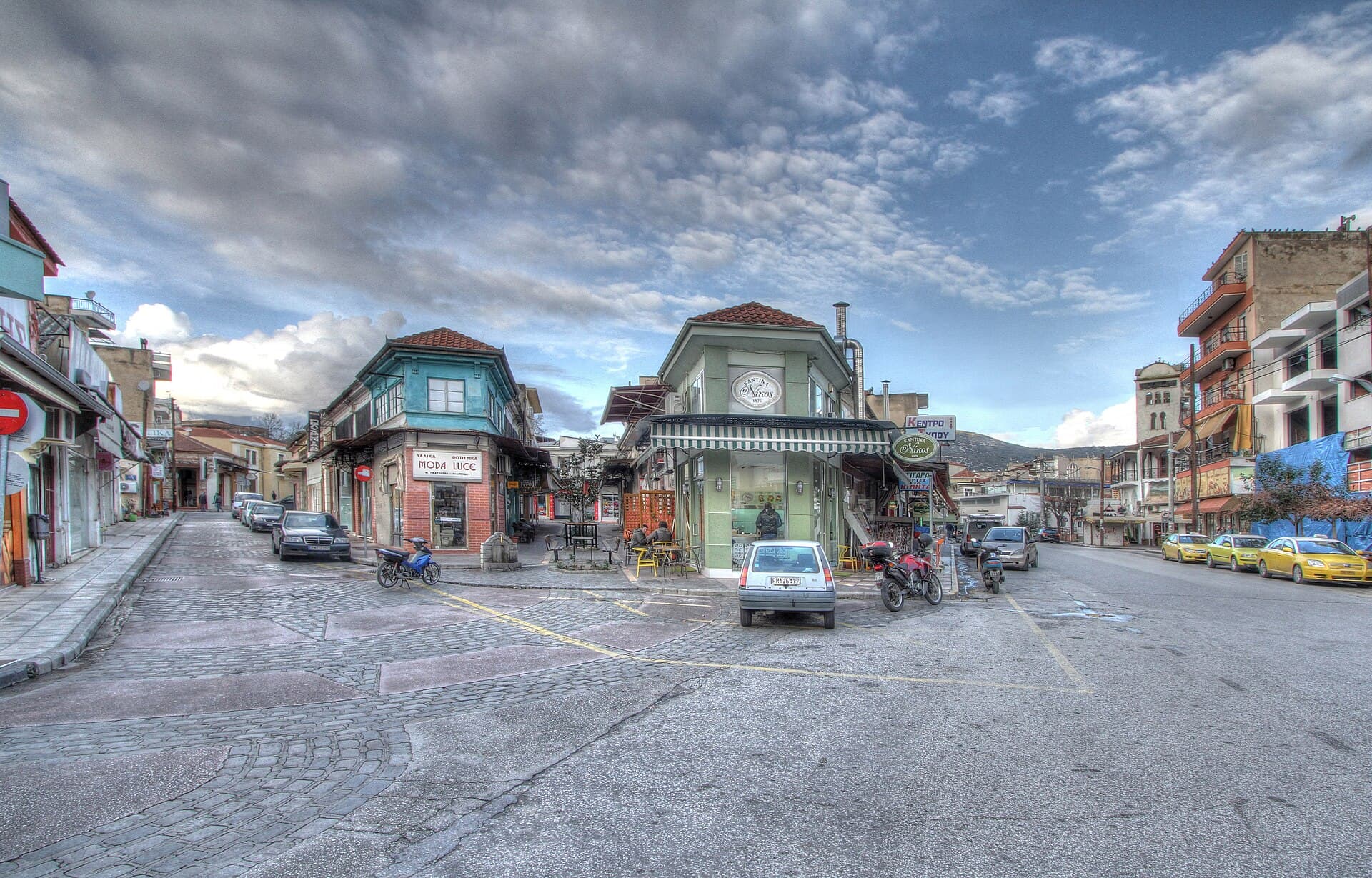 Miltos Gikas / CC BY 2.0, via Wikimedia Commons
Tour de audio autoguiado de Drama — ruta GPS a pie, reproducción offline, narración en 32 idiomas.
“Donde fluye el agua, crecen las historias.”
No las postales. Las historias que ni los locales conocen — al oído, justo donde ocurrieron.
El Parque Agia Varvara, con sus manantiales y abundante vegetación, esconde una dramática historia detrás de su iglesia central.
Este valle agrícola, aparentemente tranquilo, ostenta una sorprendente y gélida distinción dentro de Grecia.
Durante el período de la Epifanía, varios pueblos de Drama se despiertan con antiguos rituales que preceden al cristianismo.
Descubre todos los secretos de Drama
Cada dirección, cada revelación al completo — a tu oído, justo donde ocurrió.
Eliges tus paradas. Caminas. La voz te revela lo que los demás ignoran.
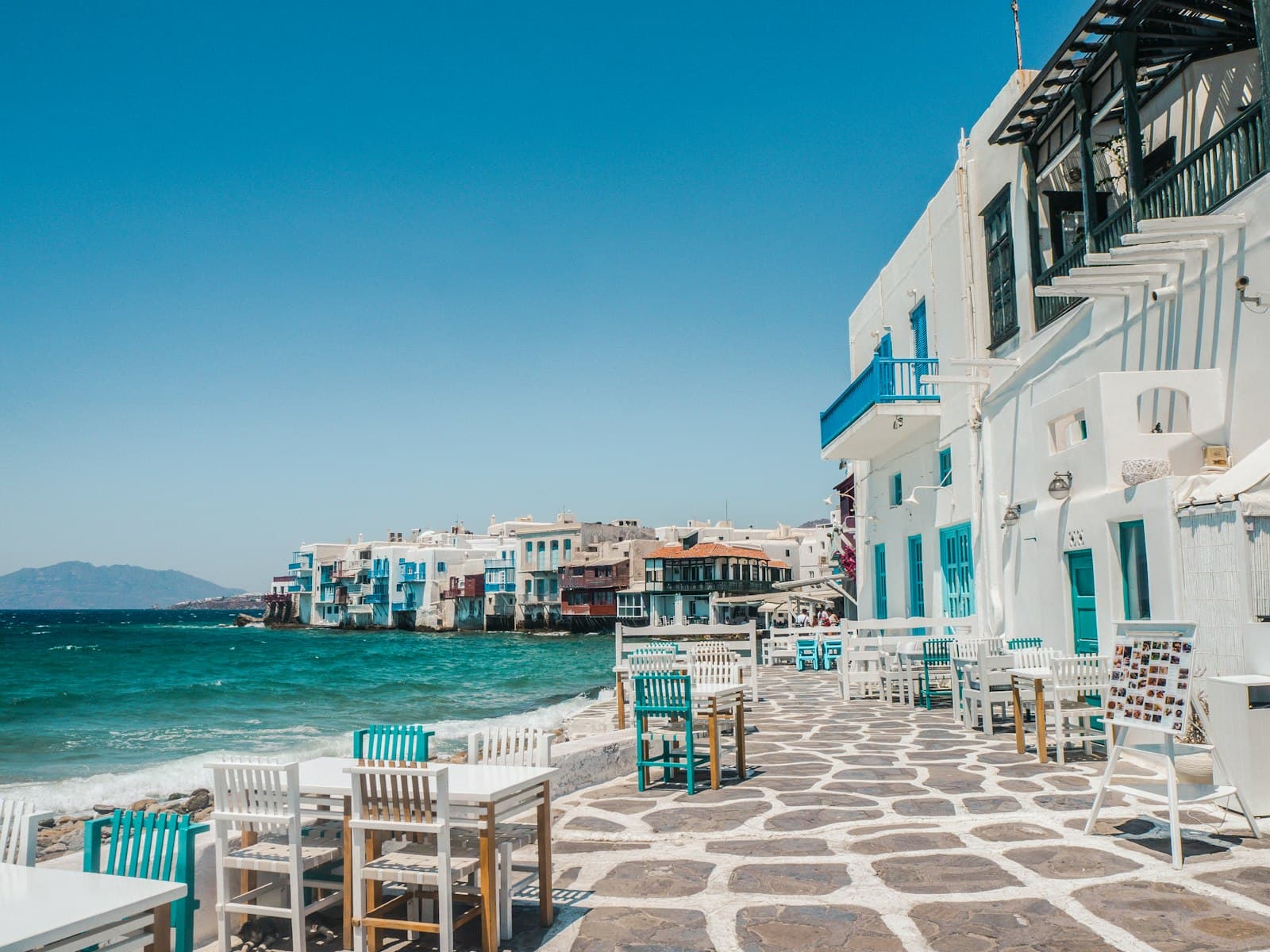
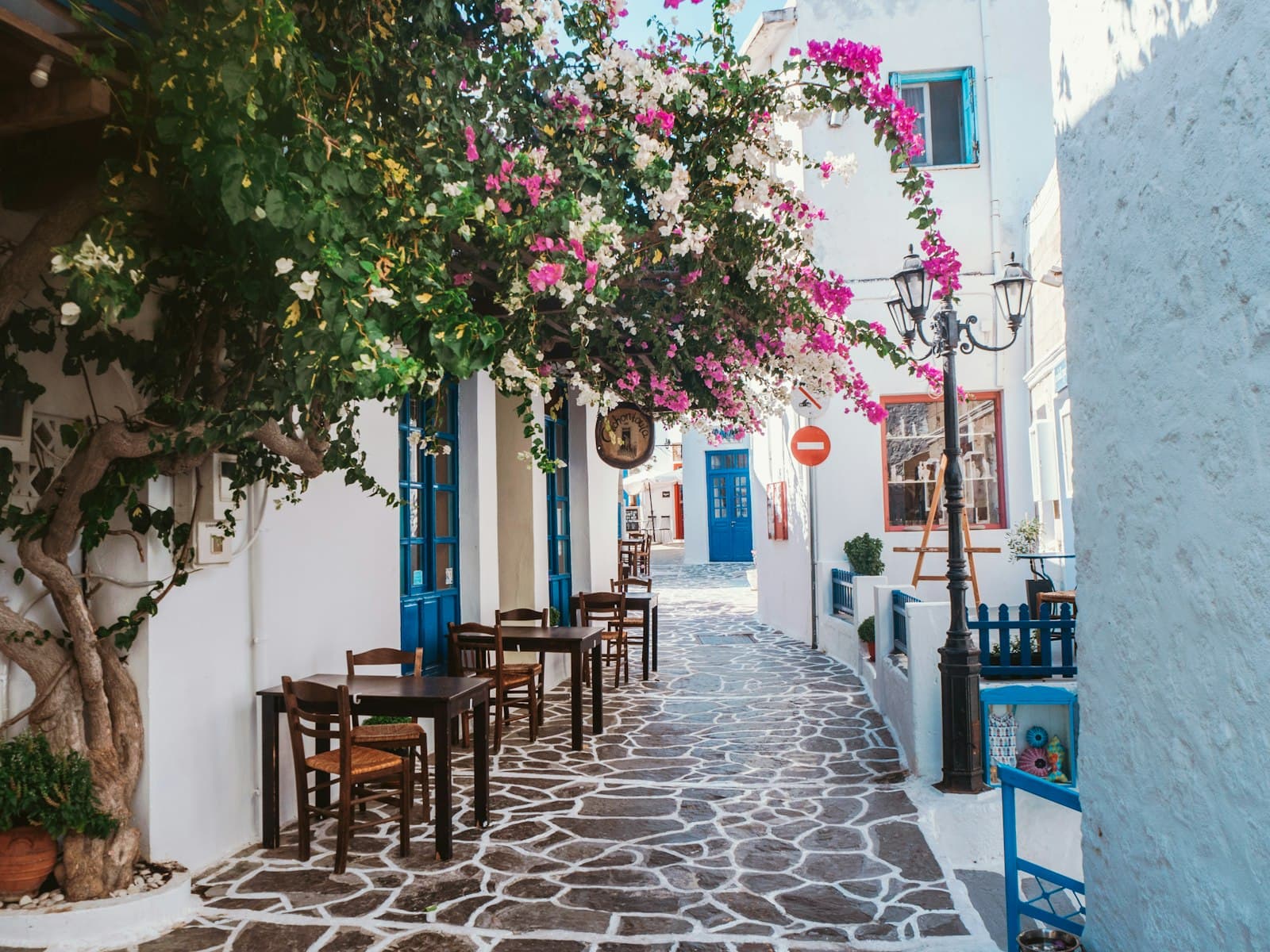
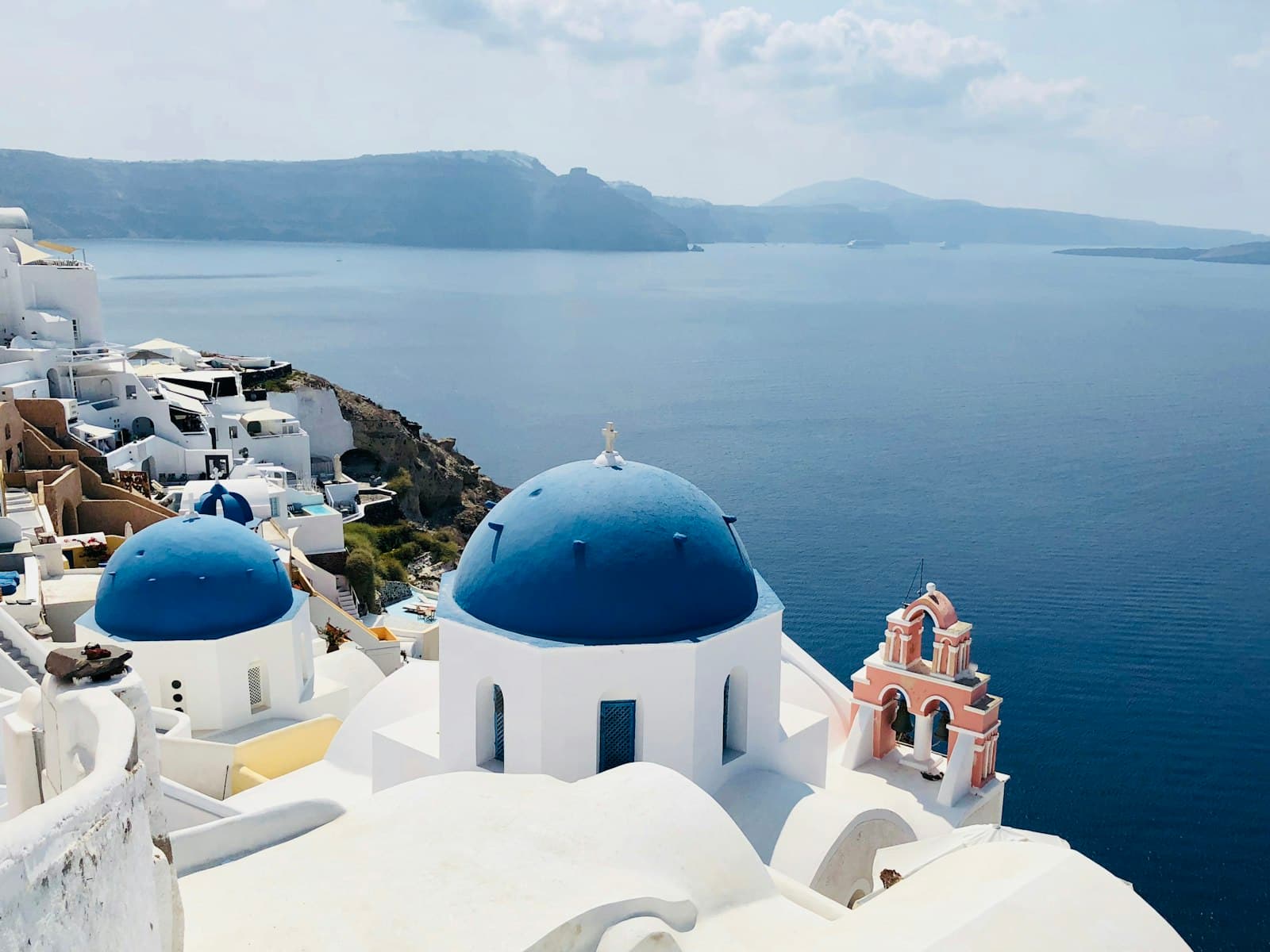
Tu tour de audioguía por Drama te espera — elige tus lugares, tu idioma y empieza al llegar.
ComprarLume incluye una guía de realidad aumentada. Levanta el móvil y su cámara muestra la calle que tienes delante, con una flecha luminosa sobre la imagen real que siempre apunta a tu próxima parada — sin mapas que descifrar, sin giros equivocados. Como todo en Lume, funciona completamente sin conexión.
Drama, una ciudad en el noreste de Grecia, ofrece una mezcla distintiva de esplendor natural y profundidad cultural. Su nombre, derivado de "Hydrama" o "Dyrama", refleja las abundantes fuentes de agua que caracterizan la región. La ciudad misma es un oasis verde, con manantiales y arroyos que fluyen por su corazón, creando una atmósfera refrescante.
Más allá del atractivo centro de la ciudad, la región de Drama se extiende en un paisaje diverso de montañas, densos bosques y valles fértiles. Es un lugar donde los entusiastas del aire libre pueden encontrar amplias oportunidades para practicar senderismo, esquí y explorar formaciones geológicas únicas. Drama permanece relativamente virgen por el turismo masivo, ofreciendo a los visitantes una experiencia griega más auténtica y tranquila.
Los orígenes de Drama se remontan a la antigüedad, con hallazgos arqueológicos que indican presencia humana desde el Paleolítico Medio, hace aproximadamente 50.000 años. El antiguo asentamiento griego aquí era conocido como Dyrama o Hydrama, un testimonio de su abundante agua. Durante el período paleocristiano, del siglo IV al VII, Drama fue un pequeño asentamiento fortificado, administrativa y religiosamente vinculado a la colonia romana de Filipos. Con el tiempo, creció hasta convertirse en el centro urbano más importante de la región, un estatus que mantuvo durante el período bizantino medio. Bajo el Imperio Bizantino, Drama fue una ciudad fortificada con un castillo, floreciendo como un cruce comercial y militar, particularmente bajo la dinastía Comneno.
La región fue conquistada por el Imperio Otomano en 1371, y en el siglo XIX, Drama se convirtió en el centro del Sanjak de Drama. La llegada del ferrocarril en 1895 y la mejora de las redes de carreteras al puerto de Kavala impulsaron el crecimiento de la población y la actividad comercial, especialmente en la producción y el comercio de tabaco. En 1912, durante la Primera Guerra de los Balcanes, las tropas búlgaras tomaron Drama de los otomanos. Tras la Segunda Guerra de los Balcanes y el Tratado de Bucarest en 1913, Drama se incorporó a Grecia, junto con el resto de Macedonia oriental. Hoy en día, la ciudad refleja esta rica variedad de influencias, con murallas bizantinas, antiguos almacenes de tabaco y edificios neoclásicos junto a la arquitectura moderna.
Comience su exploración en el Parque Agia Varvara, un oasis urbano con abundante vegetación, estanques y cascadas, reconocido como uno de los parques más hermosos de Europa. El parque también alberga la iglesia homónima con su intrigante historia. Un paseo por el casco antiguo de Drama revela una mezcla de lo antiguo y lo nuevo, con murallas bizantinas y la Iglesia de Agia Sofía. El Museo Arqueológico de Drama ofrece una visión completa de la historia de la región, exhibiendo artefactos desde la prehistoria hasta la época bizantina.
Más allá de la ciudad, abundan las maravillas naturales. Aventúrese 23 km al noroeste hasta la espectacular Cueva del Río Aggitis (también conocida como Cueva Maara), la única cueva fluvial de Grecia, con coloridas estalactitas. Las montañas Ródope, un parque nacional designado, cubren una parte significativa de la región de Drama y ofrecen amplias oportunidades para practicar senderismo, incluidas secciones del sendero europeo E6, y disfrutar de abedules y cascadas. Para los entusiastas del vino, las bodegas de la región, como Château Nico Lazaridi, ofrecen recorridos y degustaciones de vinos reconocidos internacionalmente. En invierno, el Centro de Esquí Falakro ofrece pistas para esquí, snowboard y trineo.
La época ideal para visitar Drama es generalmente desde finales de primavera hasta principios de otoño (junio a septiembre) para disfrutar de un clima cálido y actividades al aire libre. Durante este período, las temperaturas oscilan entre 26,3 °C y 30 °C, con precipitaciones mínimas y largas horas de luz. Las temporadas intermedias, como mayo y septiembre-octubre, ofrecen un equilibrio de clima agradable, menos multitudes y mejor valor de alojamiento. El invierno, particularmente de diciembre a febrero, trae temperaturas más frías y nevadas, atractivo para aquellos interesados en los deportes de invierno en el Centro de Esquí Falakro.
Drama está situada en el noreste de Grecia, aproximadamente a 150 km de Tesalónica. Puede llegar a Drama en coche a través de la autopista Egnatia desde Tesalónica (menos de 2 horas) o Kavala (alrededor de 30 minutos). También hay autobuses frecuentes desde Tesalónica y Atenas. Los aeropuertos más cercanos son el Aeropuerto Internacional de Kavala (KVA) o el Aeropuerto Internacional de Tesalónica (SKG). Aunque no hay vuelos directos a Drama, los vuelos de ida y vuelta desde las principales ciudades europeas a estos aeropuertos suelen oscilar entre 150 y 400 €+. Se recomienda encarecidamente alquilar un coche para explorar la región, con tarifas diarias estimadas entre 30 y 50 €. Las opciones de alojamiento incluyen hoteles estándar (50-90 € por noche) y casas de huéspedes o apartamentos (40-70 €). Una comida en una taberna local suele costar entre 10 y 20 € por persona.
Drama en coreano, en chino o en hebreo — y 29 idiomas más, cada parada narrada por una voz nativa. La mayor variedad de idiomas de cualquier audioguía autoguiada.
Disponible en: