Alistrati Cave
Beyond its impressive stalactites and stalagmites, this cave holds a secret about the underworld.
Full story unlocks in the tour
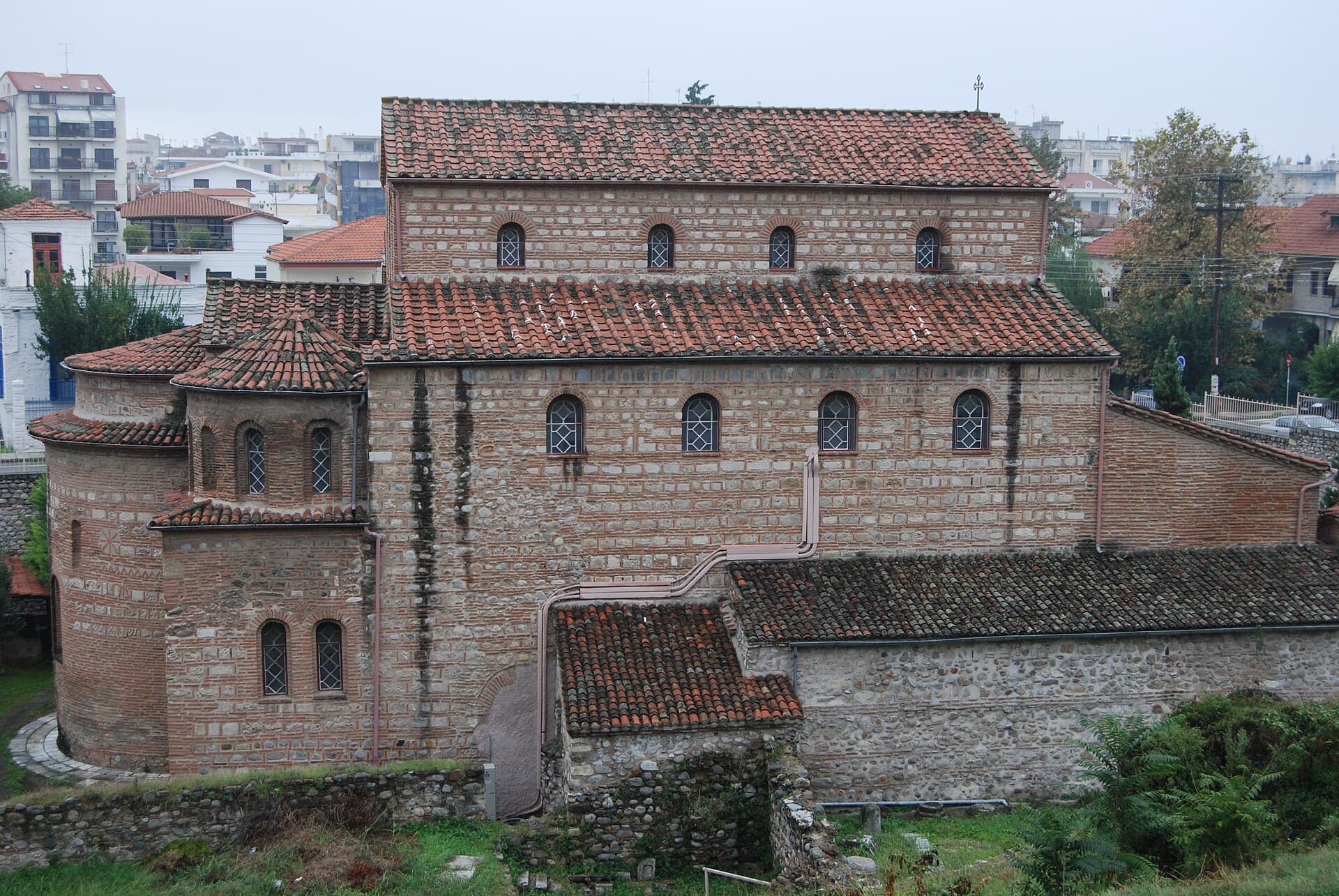 Мико / CC BY-SA 4.0, via Wikimedia Commons
Self-guided audio walking tour of Serres — GPS route, offline playback, story-driven narration in 32 languages.
“Where ancient echoes meet modern rhythms, and the grandeur of nature unfolds.”
Not the postcards. The stories even locals don't know — whispered in your ear, right where they happened.
Beyond its impressive stalactites and stalagmites, this cave holds a secret about the underworld.
Serres is home to a unique opportunity for aspiring speed demons.
A seemingly ordinary spot outside Neochori holds a cosmic distinction for Greece.
Discover every secret of Serres
Every address, every reveal in full — in your ear, right where it happened.
You pick your stops. You walk. The voice reveals what the others miss.


Your self-guided audio tour of Serres is ready — pick your landmarks, choose your language, and start the moment you arrive.
BuyLume has a built-in augmented-reality guide. Hold your phone up and its camera shows the street ahead of you, with a glowing arrow laid over the real view that always points to your next stop — no map to puzzle over, no wrong turns. Like everything in Lume, it works fully offline.
Serres, a city in Central Macedonia, Greece, presents a compelling blend of enduring history, rich culture, and the quiet beauty of its natural surroundings. It serves as the capital of the Serres regional unit and stands as the second-largest city in Central Macedonia after Thessaloniki. Situated on a fertile plain, approximately 70 meters above sea level, Serres is cradled by the Rhodope Mountains to its north and east. The city offers an authentic Greek experience, often untouched by the currents of mass tourism, making it a destination cherished by those who seek a deeper connection to place.
Serres is a modern, European city, home to over 70,000 residents. Its urban landscape features broad avenues and open squares, where the pulse of contemporary life intertwines with tangible historical elements like Ottoman-era facades and the remnants of Byzantine walls. The city functions as a significant economic, agricultural, and financial center for its prefecture, and it is recognized as a welcoming entry point to Greece from northern and eastern European countries.
From the lively city squares to the serene landscapes that stretch beyond its boundaries, Serres provides a diverse range of experiences. It is a place where visitors can wander among ancient ruins, savor local culinary delights, and traverse scenic trails, all while experiencing genuine hospitality and a harmonious balance of the old and the new.
The history of Serres reaches back over a thousand years B.C., with its earliest mention as 'Siris' by Herodotus in the 5th century B.C. The ancient city was strategically constructed on a high, steep hill, now known as Koulas, offering both protection and a commanding vantage point over potential invaders. Evidence of ancient settlements and 49 archaeological sites, including the prominent Amphipolis, confirm a long continuum of habitation in the wider Serres region.
During the Byzantine era, Serres was regarded as a 'metropolis' or 'megalopolis,' playing a significant role in Greek history from the 8th century onward. Byzantine authors frequently described it as a 'great and wonderful city,' 'powerful,' and 'rich.' The city's Byzantine heritage is visible in places of worship like Agios Nikolaos, with its frescoes, and the enduring ruins of its acropolis.
Serres came under Ottoman rule in 1383, remaining part of the empire for 530 years until its liberation. During this period, the city flourished as an important commercial crossroads between Europe and the East, exporting cereals, cotton, and textiles. Ottoman influence is still present in structures such as the 15th-century Bezesteni, a covered market that now houses the Archaeological Museum, and the Tsitsirli and Ahmet Pasha mosques. In the 18th and early 19th centuries, Serres was a self-governing cotton-producing area, exporting to various European countries, and a Greek school was established in 1735, supported by affluent Greek merchants.
The early 20th century was a tumultuous period for Serres. It was liberated from the Turks by the Bulgarians in the First Balkan War, but then became part of Greece after the Second Balkan War. The city endured significant destruction, including a major fire in 1913 set by retreating Bulgarians, which consumed much of the old Byzantine town and many Muslim quarters. Serres was occupied by the Central Powers during World War I and again by Bulgaria during World War II, experiencing campaigns of Bulgarisation. Despite these challenges, Serres has consistently rebuilt itself, emerging as a contemporary European city and a significant destination for visitors.
Begin your exploration at Koulas Hill, where the ruins of the Byzantine acropolis and fortress offer expansive views of the city and surrounding plains. The western tower, Orestes' Tower, dates back to 1350. The path to the acropolis winds through the Valley of Agii Anargyri, a verdant space with abundant vegetation and flowing waters, ideal for a contemplative walk.
In the city center, visit the Bezesteni, a 15th-century Ottoman covered market that now houses the Archaeological Museum of Serres, displaying artifacts from the region's long history. Other Ottoman monuments include the Tsitsirli and Ahmet Pasha mosques. For a glimpse into Byzantine artistry, explore the Church of Agios Nikolaos, known for its frescoes.
Beyond the city, discover the natural wonders of the Serres region. Lake Kerkini, a significant European wetland, is a sanctuary for birdwatchers, with over 300 species, including pelicans and flamingos. Take a traditional wooden boat tour (plaves) on its calm waters. The Alistrati Cave, one of Greece's most impressive, features remarkable stalactite and stalagmite formations over a 3-kilometer expanse. For those who enjoy the outdoors, Lailias Mountain offers hiking and cycling trails, and in winter, the Lailias Ski Centre. Indulge in a soothing soak at the Byzantine hammam in Agistro, believed to be Greece's oldest operational bathhouse, with waters heated to 37.5°C.
The most pleasant times to visit Serres are during late spring (May to early June) and early autumn (September to early October). During these months, the weather is mild and comfortable, ideal for exploring and outdoor activities, with moderate temperatures and less rainfall. Summers (July-August) are hot and dry, with average daytime highs reaching 30-35°C, making it suitable for festivals and markets. Winters (November-February) are cold, with potential for snow, offering opportunities for skiing at Lailias Mountain.
Serres is accessible by car, bus, and train. The nearest major airport is Thessaloniki International Airport (SKG), approximately 90 kilometers away, from which you can rent a car or take a bus to Serres. Within the city, a comprehensive road network and efficient public transport facilitate movement. Renting a car is recommended for exploring the wider region and its diverse attractions at your own pace.
The local currency is the Euro (EUR). ATMs are widely available, and credit/debit cards are accepted in most establishments. Serres is generally a safe destination, but it's always prudent to take standard precautions. Expect warm hospitality and straightforward logistics. Accommodation options range from budget-friendly hotels and guesthouses to more luxurious resorts, with traditional guesthouses available in nearby villages for a more authentic experience. Comfortable clothing and sturdy footwear are advisable, especially for walking or visiting historical sites. During summer, hats, sunglasses, and sunscreen are essential, along with staying hydrated.
Serres in Korean, in Chinese or in Hebrew — and 29 more languages, every stop narrated by a native voice. The widest language range of any self-guided audio tour.
Available in: