Sinagoga de Veria, Barrio Judío de Barbouta
La sinagoga en el histórico Barrio Judío de Veria guarda un secreto sobre sus orígenes, mucho más antiguos de lo que sugiere su fachada actual.
La historia completa se desbloquea en el tour
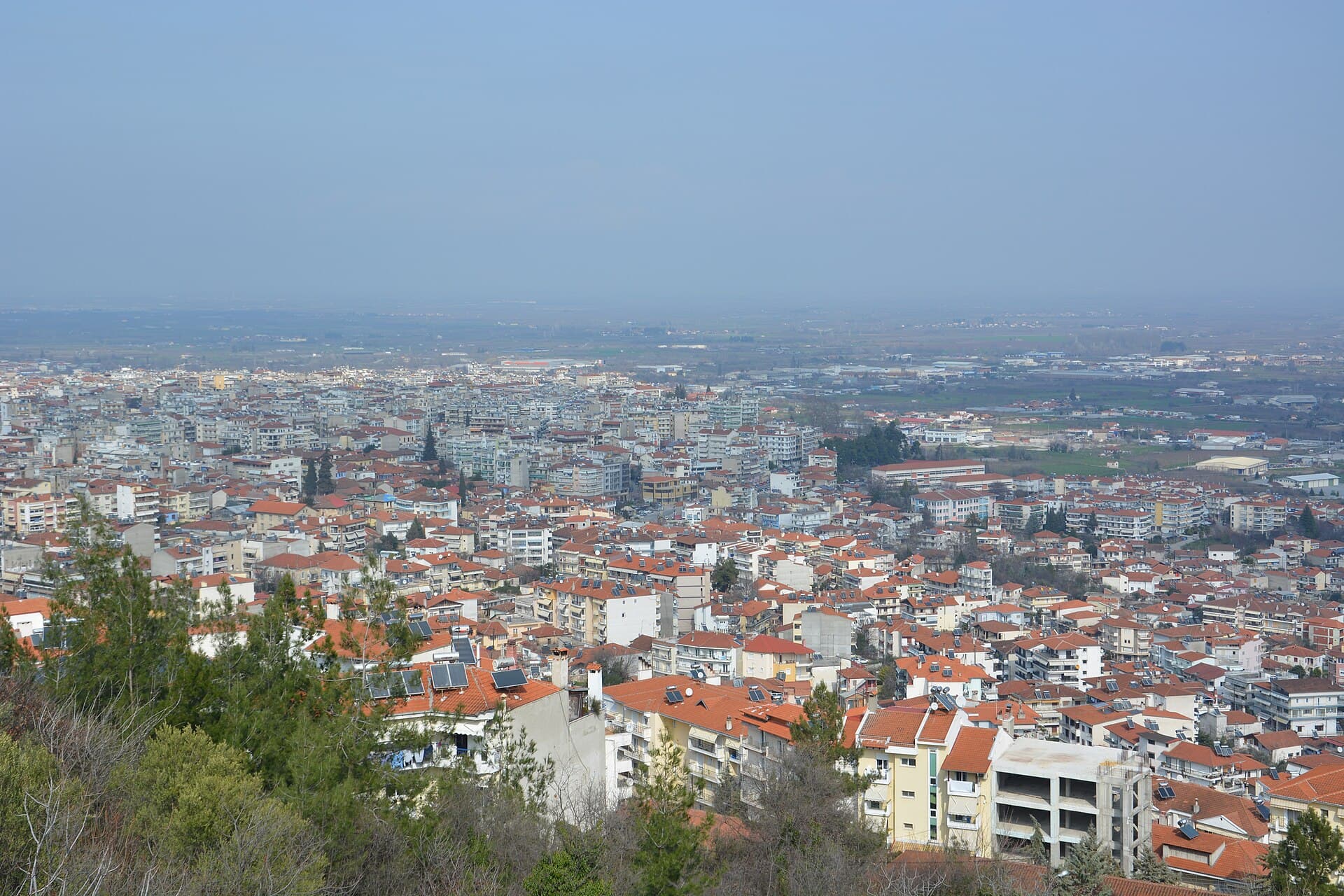 Zisis Tsampalis / CC BY-SA 3.0, via Wikimedia Commons
Tour de audio autoguiado de Veria — ruta GPS a pie, reproducción offline, narración en 32 idiomas.
“Donde los ecos antiguos se encuentran con la vida moderna, revelando capas de historia y fe.”
No las postales. Las historias que ni los locales conocen — al oído, justo donde ocurrieron.
La sinagoga en el histórico Barrio Judío de Veria guarda un secreto sobre sus orígenes, mucho más antiguos de lo que sugiere su fachada actual.
Esta grandiosa iglesia bizantina lleva marcas visibles de una fe diferente, un testimonio silencioso de siglos de cambio de poder.
A poca distancia de Veria, el río más largo de Grecia esconde un lago artificial que pocos viajeros conocen.
Descubre todos los secretos de Veria
Cada dirección, cada revelación al completo — a tu oído, justo donde ocurrió.
Eliges tus paradas. Caminas. La voz te revela lo que los demás ignoran.


Tu tour de audioguía por Veria te espera — elige tus lugares, tu idioma y empieza al llegar.
ComprarLume incluye una guía de realidad aumentada. Levanta el móvil y su cámara muestra la calle que tienes delante, con una flecha luminosa sobre la imagen real que siempre apunta a tu próxima parada — sin mapas que descifrar, sin giros equivocados. Como todo en Lume, funciona completamente sin conexión.
Veria, una ciudad a los pies del Monte Vermio en Macedonia Central, ofrece un viaje a través de milenios de historia, desde sus antiguas raíces macedonias hasta su importante papel en el cristianismo primitivo, y a través de los períodos bizantino y otomano. A menudo eclipsada por la cercana Tesalónica, Veria ofrece una experiencia auténtica para aquellos que buscan profundidad histórica sin las multitudes. La ciudad está atravesada por el río Tripotamos, lo que contribuye a su paisaje urbano.
Conocida como la "Pequeña Jerusalén" debido a sus numerosas iglesias bizantinas y post-bizantinas —más de 40, con 48 sobreviviendo solo en el centro de la ciudad— Veria ostenta un notable récord para su población. Más allá de su significado religioso, Veria es celebrada por su arquitectura tradicional, particularmente en los antiguos barrios de Kyriotissa y Barbouta, y sus delicias culinarias locales, incluyendo el famoso dulce revani.
## De la Antigua Macedonia a la Influencia Romana La historia de Veria se remonta al menos al año 1000 a.C., con su primera mención literaria por Tucídides en 432 a.C. La ciudad fue un asentamiento significativo en el Reino de Macedonia, solo superado por Aigai (la moderna Vergina), y más tarde por Pella. Durante el período helenístico, bajo la Dinastía Antigónida, Veria alcanzó su apogeo, convirtiéndose en la sede del Koinon de los Macedonios y albergando los juegos deportivos Alexandreia en honor a Alejandro Magno.
Después de la Batalla de Pidna en 168 a.C., Veria fue la primera ciudad macedonia en caer ante los romanos, convirtiéndose en un lugar de culto para ellos. El emperador Diocleciano designó a Veria como una de las dos capitales de la provincia romana de Macedonia. Fue durante esta era romana, alrededor del 50/51 o 54/55 d.C., que el Apóstol Pablo predicó a las comunidades judías y griegas en Veria, encontrando una audiencia receptiva. Este evento cimentó el papel de Veria en la historia cristiana primitiva, con sus habitantes convirtiéndose en algunos de los primeros cristianos del Imperio.
## Grandeza Bizantina y Dominio Otomano Veria floreció bajo el Imperio Bizantino, convirtiéndose en un importante centro cristiano y ganándose el apodo de "Pequeña Jerusalén" debido a sus numerosas iglesias. Se construyeron hasta 70 iglesias, con alrededor de 51 estructuras bizantinas y post-bizantinas que sobreviven hoy. La ciudad fue brevemente parte del Primer Imperio Búlgaro en el siglo IX antes de ser recapturada por el emperador Basilio II. En 1185, fue tomada por los normandos y luego por los francos en 1204 durante las Cruzadas.
El Imperio Otomano conquistó Veria en 1361, renombrándola Karaferye, que significa "Veria negra", posiblemente debido a su característica niebla matutina. Durante este período, hubo una represión de la Iglesia Cristiana, con algunas iglesias disfrazadas de otros edificios y el arzobispo Arsenios trágicamente ahorcado en 1436. Los otomanos también dejaron su huella arquitectónica, con cuatro mezquitas y el baño turco Sinan Tuzci Hamam del siglo XV aún sobreviviendo. Una comunidad judía también prosperó en Veria durante siglos.
## Veria Moderna Veria se incorporó al estado griego después de las Guerras Balcánicas en 1912. Durante la Segunda Guerra Mundial, estuvo bajo ocupación nazi de 1941 a 1944, desarrollándose un importante movimiento de resistencia en la ciudad. La comunidad judía, que había existido desde el siglo I, fue trágicamente diezmada durante el Holocausto en 1943, con muchos deportados a Auschwitz. Hoy en día, Veria es un centro comercial y la capital de la Unidad Regional de Imathia, equilibrando su pasado con una vida cultural y social.
Comienza tu exploración en el Bema de San Pablo, una plataforma de piedra semicircular adornada con mosaicos, que marca el lugar donde se cree que el Apóstol Pablo predicó en el siglo I d.C. Este sitio es una piedra angular del patrimonio religioso de Veria. Pasea por el Barrio Judío de Barbouta, uno de los barrios tradicionales de la ciudad a lo largo del río Tripotamos, caracterizado por sus casas señoriales y senderos sinuosos. Aquí encontrarás la Sinagoga de Veria, el templo judío más antiguo del norte de Grecia, con un interior ricamente decorado.
A continuación, explora el distrito tradicional de Kyriotissa, el barrio cristiano, con sus iglesias bizantinas, mansiones y callejones sinuosos. No te pierdas la Antigua Catedral Metropolitana, una basílica de tres naves del siglo XI que exhibe impresionantes frescos de los siglos XII al XIV y una mezcla de elementos arquitectónicos bizantinos y otomanos. El Museo Bizantino de Veria, ubicado en un antiguo edificio industrial, exhibe una colección de frescos, mosaicos, esculturas y otros artefactos bizantinos.
A solo 12 kilómetros de Veria se encuentra Aigai (la moderna Vergina), un sitio declarado Patrimonio de la Humanidad por la UNESCO y la primera capital de la antigua Macedonia. El Museo de las Tumbas Reales en Aigai es una visita crucial, albergando las tumbas reales, incluida la de Felipe II, padre de Alejandro Magno. Para disfrutar de amplias vistas de la llanura de Imathia, visita el Parque Elia, también conocido como la "Playa de Veria" por los lugareños, con bancos diseñados como tumbonas.
Las épocas más agradables para visitar Veria son durante la primavera (mayo-junio) y el otoño (septiembre-octubre). Estas estaciones ofrecen temperaturas suaves, ideales para caminar y explorar los sitios históricos de la ciudad sin el intenso calor del verano. La primavera es particularmente buena para la fotografía, con paisajes floreciendo. Si bien el verano (julio-agosto) trae una energía animada, también significa condiciones más calurosas, con máximas diarias promedio que alcanzan los 32°C (90°F). El invierno (diciembre-febrero) es más frío, con noches heladas, y es adecuado para aquellos que buscan una experiencia más tranquila o interesados en esquiar en el cercano Monte Vermio.
Veria está bien conectada y es de fácil acceso. Se encuentra a aproximadamente 50 minutos en coche del centro de Tesalónica y a una hora del aeropuerto de Tesalónica. La ciudad está ubicada en las principales arterias de transporte del norte de Grecia, con la Estación de Autobuses de Veria sirviendo como un enlace vital para el transporte regional. Para aquellos que viajan desde Albania, hay conexiones de autobús consistentes desde ciudades como Tirana, Durrës, Korçë y Elbasan, con precios de billetes que promedian alrededor de 40 EUR y tiempos de viaje de 5 a 6 horas desde Tirana.
Moverse por Veria es manejable, con muchos sitios históricos a poca distancia, especialmente en los barrios tradicionales. El río Tripotamos a menudo sirve como guía natural si te encuentras deambulando por los callejones. La ciudad también ofrece una vida cultural y social, con vinos locales y lugares de entretenimiento. No olvides probar el revani local, un pastel tradicional de sémola.
Veria en coreano, en chino o en hebreo — y 29 idiomas más, cada parada narrada por una voz nativa. La mayor variedad de idiomas de cualquier audioguía autoguiada.
Disponible en: