Cascada Karanos
Uno puede pasear detrás de la cascada más alta de Grecia, pero la ruta no siempre fue tan acogedora.
La historia completa se desbloquea en el tour
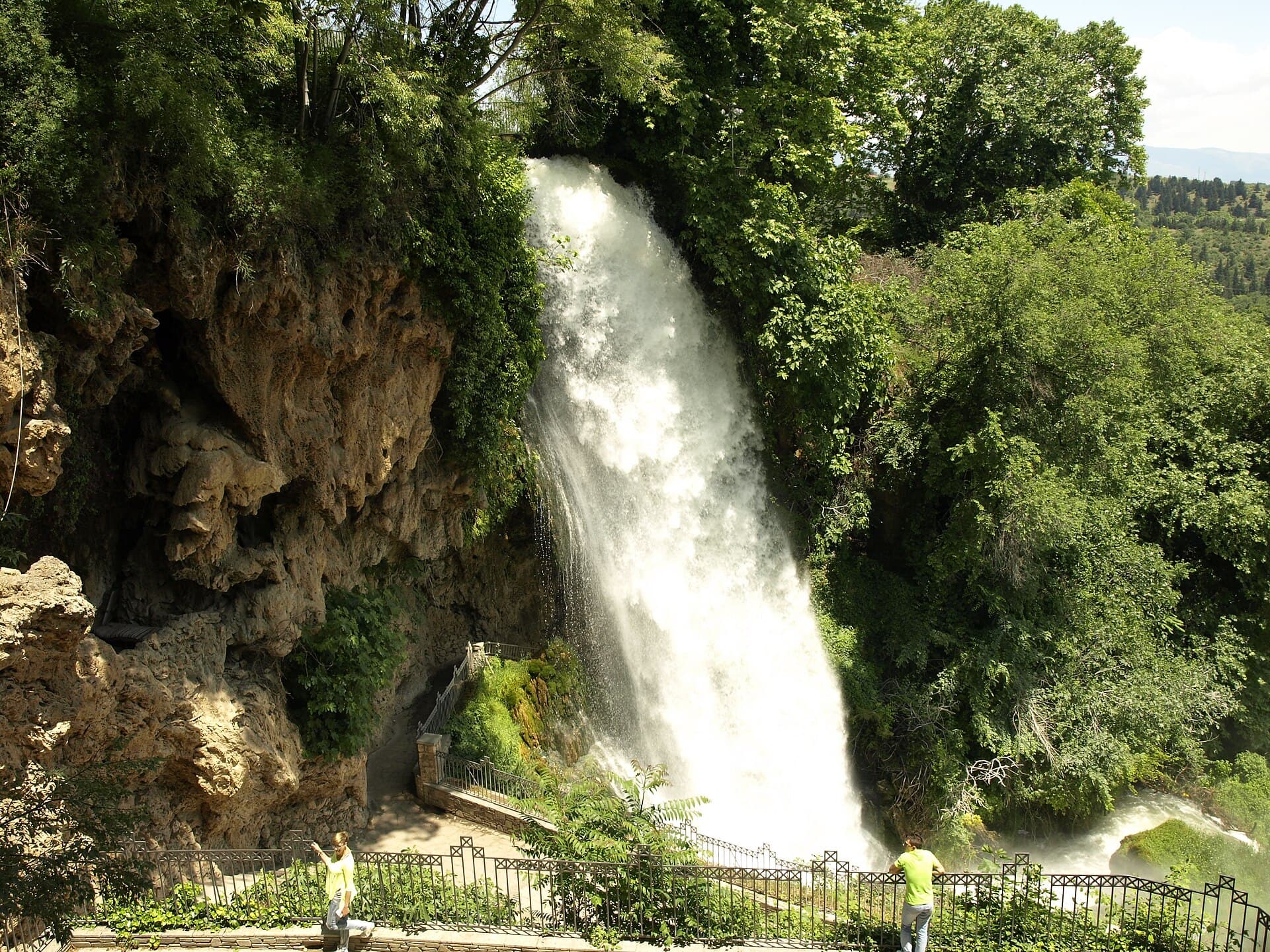 Itto Ogami / CC BY 3.0, via Wikimedia Commons
Tour de audio autoguiado de Edesa — ruta GPS a pie, reproducción offline, narración en 32 idiomas.
“Donde la esencia de la ciudad es esculpida por el agua, y su pasado sigue un curso profundo.”
No las postales. Las historias que ni los locales conocen — al oído, justo donde ocurrieron.
Uno puede pasear detrás de la cascada más alta de Grecia, pero la ruta no siempre fue tan acogedora.
Este museo trasciende el agua; revela un inesperado patrimonio industrial impulsado por la naturaleza.
La ciudad que se observa hoy no es la Edessa original, y la capital inicial de Macedonia podría no residir donde uno espera.
Descubre todos los secretos de Edesa
Cada dirección, cada revelación al completo — a tu oído, justo donde ocurrió.
Eliges tus paradas. Caminas. La voz te revela lo que los demás ignoran.


Tu tour de audioguía por Edesa te espera — elige tus lugares, tu idioma y empieza al llegar.
ComprarLume incluye una guía de realidad aumentada. Levanta el móvil y su cámara muestra la calle que tienes delante, con una flecha luminosa sobre la imagen real que siempre apunta a tu próxima parada — sin mapas que descifrar, sin giros equivocados. Como todo en Lume, funciona completamente sin conexión.
Edessa, una ciudad en el norte de Grecia, se define por sus abundantes aguas. Ríos y cascadas fluyen a través de su tejido, creando un paisaje urbano distintivo. Esta ciudad ofrece un escape refrescante, donde la presencia constante de agua en movimiento proporciona un telón de fondo relajante para la vida diaria. El sonido de los arroyos acompaña las exploraciones, desde ruinas antiguas hasta cafeterías contemporáneas, tejiendo una atmósfera serena en todo el lugar.
El diseño de la ciudad integra cuidadosamente sus características acuáticas. Los puentes se arquean sobre los arroyos y los senderos siguen el curso del agua, invitando a los visitantes a deambular y descubrir. El flujo natural del río Edesseos es aprovechado y celebrado, haciendo de la ciudad un ejemplo único de cómo la habitación humana puede coexistir armoniosamente con un poderoso elemento natural. Esta profunda conexión con el agua no es meramente estética; ha moldeado la identidad y el desarrollo de Edessa a lo largo de los siglos.
El carácter de Edessa es de movimiento tranquilo y belleza natural. Es un lugar donde el medio ambiente juega un papel activo en la experiencia urbana, ofreciendo un recordatorio constante del poder y la gracia de la naturaleza. La ciudad invita a un ritmo más lento, fomentando la contemplación y la apreciación de su entorno singular, donde cada giro revela otro atisbo de su elemento definitorio.
## Primeras Fundaciones y Conexiones Macedonias Los orígenes de Edessa se remontan a la antigüedad, con evidencia que sugiere una habitación continua durante milenios. Su nombre, que se cree deriva de la palabra frigia 'Veddy', que significa 'torre de agua' o 'ciudad sobre el agua', refleja claramente su característica geográfica definitoria. En la antigüedad, la ciudad tenía una importancia estratégica, custodiando un paso vital entre la llanura macedonia y las tierras altas. Aunque algunos relatos históricos identifican a Edessa como Aigai, la primera capital de la antigua Macedonia, los descubrimientos arqueológicos en Vergina han llevado a una reevaluación de esta afirmación, sugiriendo que Vergina es el sitio más probable de Aigai.
## Eras Romana y Bizantina Bajo el dominio romano, Edessa continuó prosperando, beneficiándose de su posición en la Vía Egnatia, una importante calzada romana que conectaba el mar Adriático con Bizancio. La ciudad se convirtió en un centro de comercio y administración, con sus recursos hídricos apoyando las industrias locales. Durante el período bizantino, Edessa mantuvo su importancia, sirviendo como centro eclesiástico y fortaleza defensiva. Sus fortificaciones se fortalecieron, reflejando la naturaleza turbulenta de la época y los frecuentes conflictos que asolaron la región.
## Dominio Otomano y Crecimiento Industrial Tras la caída del Imperio Bizantino, Edessa quedó bajo control otomano, un período que duró varios siglos. Durante este tiempo, la energía hidráulica de la ciudad se utilizó cada vez más para fines industriales. El río Edesseos impulsó numerosos molinos, transformando Edessa en un importante centro industrial, particularmente en la producción textil y de harina. Esta era vio la construcción de muchas de las fábricas impulsadas por agua cuyos restos aún son visibles hoy, ofreciendo un vínculo tangible con su pasado industrial.
## Edessa Moderna Edessa fue liberada del dominio otomano en 1912 durante las Guerras Balcánicas y pasó a formar parte del estado griego moderno. El siglo XX trajo un mayor desarrollo, aunque muchas de sus industrias tradicionales finalmente declinaron. Hoy, Edessa abraza su patrimonio natural, centrándose en el turismo y la preservación del medio ambiente. Las cascadas y el Museo del Agua al Aire Libre son fundamentales para su identidad, atrayendo a visitantes que buscan experimentar una ciudad moldeada por el flujo persistente del agua y los ecos de su larga y estratificada historia.
Comience su exploración en la Cascada Karanos, la más grande de Grecia, donde un sendero le permite caminar detrás de la cortina de agua, experimentando su poder de primera mano. Adyacente a esta, el Museo del Agua al Aire Libre revela el pasado industrial de la ciudad, mostrando antiguos molinos de agua, un molino de batanado tradicional y un molino de sésamo, todos impulsados por el río Edesseos. Esta área, conocida como el Parque de las Cascadas, ofrece senderos serenos y puntos de observación.
Viaje a la Antigua Edessa (Loggos), el sitio arqueológico en el extremo este de la ciudad, donde los restos de la antigua ciudad, incluyendo fortificaciones, una necrópolis y basílicas paleocristianas, ofrecen vislumbres de su larga historia. Pasee por el barrio de Varosi, el barrio más antiguo que se conserva, caracterizado por su arquitectura tradicional macedonia y sus callejones estrechos. El Museo Folclórico de Edessa ofrece una visión de las costumbres y tradiciones locales a través de su colección de artefactos. Para una vista panorámica, busque miradores que contemplen la ciudad y la llanura circundante, donde el paisaje se despliega bajo usted.
Los meses de primavera y otoño, de abril a junio y de septiembre a octubre, ofrecen las condiciones más agradables para visitar Edessa. Durante estos períodos, el clima es templado, ideal para explorar las atracciones al aire libre y disfrutar de las cascadas sin el calor intenso del verano o el frío del invierno. El follaje en otoño proporciona un hermoso telón de fondo para el agua que fluye.
Edessa es accesible en autobús desde Tesalónica, con servicios frecuentes que la convierten en una excursión de un día o un destino de fin de semana fácil. Una vez en la ciudad, muchas de las atracciones principales, particularmente las cascadas y el casco antiguo, están a poca distancia unas de otras. Se recomienda llevar calzado cómodo para caminar, especialmente para recorrer los senderos alrededor de las cascadas y el sitio arqueológico. Las tabernas locales ofrecen cocina griega tradicional, muchas de ellas con platos elaborados con productos locales. Se acepta dinero en efectivo, aunque los pagos con tarjeta son comunes en los establecimientos más grandes. Considere llevar una chaqueta ligera, incluso en los meses más cálidos, ya que la niebla de las cascadas puede crear un microclima más fresco.
Edesa en coreano, en chino o en hebreo — y 29 idiomas más, cada parada narrada por una voz nativa. La mayor variedad de idiomas de cualquier audioguía autoguiada.
Disponible en: