La fundación de Frankenmuth
Frankenmuth fue establecido con un doble propósito en mente, uno que rápidamente cambió de enfoque.
La historia completa se desbloquea en el tour
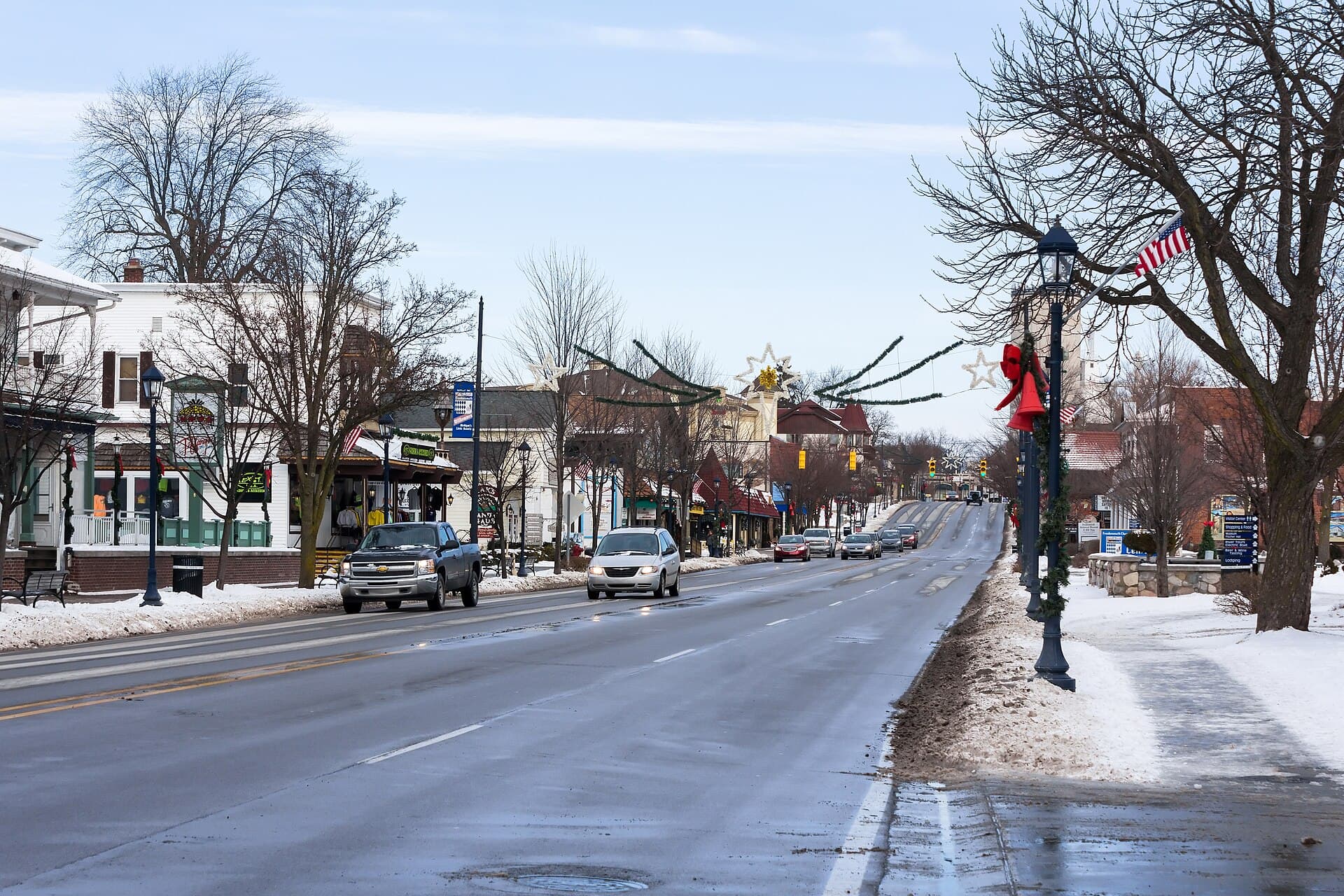 Crisco 1492 / CC BY-SA 4.0, via Wikimedia Commons
Tour de audio autoguiado de Frankenmuth — ruta GPS a pie, reproducción offline, narración en 32 idiomas.
“Donde Michigan se encuentra con Baviera, un pueblo construido con coraje y cenas de pollo.”
No las postales. Las historias que ni los locales conocen — al oído, justo donde ocurrieron.
Frankenmuth fue establecido con un doble propósito en mente, uno que rápidamente cambió de enfoque.
El nombre "Frankenmuth" no es solo un guiño a sus raíces alemanas; conlleva un significado más profundo y trascendente.
La visión de una familia transformó Frankenmuth de una tranquila comunidad agrícola en un bullicioso destino turístico.
Descubre todos los secretos de Frankenmuth
Cada dirección, cada revelación al completo — a tu oído, justo donde ocurrió.
Eliges tus paradas. Caminas. La voz te revela lo que los demás ignoran.

Tu tour de audioguía por Frankenmuth te espera — elige tus lugares, tu idioma y empieza al llegar.
ComprarFrankenmuth, Michigan, un lugar conocido cariñosamente como "Pequeña Baviera", ofrece un encuentro cultural distinto, transportando a los visitantes a un pueblo alemán. Establecido en 1845 por inmigrantes luteranos conservadores de la región de Franconia en Baviera, el pueblo ha conservado cuidadosamente su herencia a través de la arquitectura, los festivales y las tradiciones culinarias.
Desde el momento de la llegada, los edificios de estilo bávaro, con sus distintivos entramados de madera, jardineras y murales festivos, crean una atmósfera inmersiva. El río Cass serpentea por el corazón de la ciudad, cruzado por un pintoresco puente cubierto, realzando el carácter europeo. Frankenmuth es un lugar donde la hospitalidad alemana tiene prioridad, invitando a explorar sus tiendas únicas, restaurantes de estilo familiar y celebraciones durante todo el año.
Aunque su propósito inicial como colonia misionera para los nativos americanos evolucionó rápidamente, la dedicación de Frankenmuth a sus raíces alemanas solo se ha profundizado con el tiempo. Hoy, se erige como un testimonio del espíritu perdurable de sus fundadores, ofreciendo una mezcla de carácter del Viejo Mundo y atracciones contemporáneas que atraen a millones de visitantes anualmente.
## De Franconia a Michigan: El Viaje de una Misión La historia de Frankenmuth comienza en 1845 con una visión del misionero alemán Frederick Wyneken, quien solicitó ayuda para los pioneros alemanes en el Medio Oeste americano. Su súplica llegó a Wilhelm Loehe, un pastor en Neuendettelsau, Baviera, quien concibió una congregación misionera con un doble propósito: ofrecer consuelo espiritual a los inmigrantes alemanes en el Valle de Saginaw y difundir el cristianismo entre los nativos americanos.
Quince voluntarios, principalmente agricultores de la región de Franconia, guiados por el pastor August Craemer, emprendieron un viaje a través del Atlántico. Llegaron a Michigan y se establecieron a lo largo del río Cass, nombrando a su nuevo hogar "Frankenmuth", que significa "coraje de los franconios". La comunidad estaba destinada a ser exclusivamente luterana alemana, con un fuerte compromiso con la lealtad bávara y el idioma alemán.
## La Evolución de un Enclave Alemán Aunque la misión a los nativos americanos fracasó en gran medida debido a su desplazamiento, la congregación de inmigrantes floreció. Un segundo grupo de unos 90 emigrantes llegó en 1846, muchos buscando una vida mejor lejos de la pobreza y las leyes restrictivas de Baviera. El pueblo se desarrolló rápidamente más allá de su asentamiento inicial, con una presa y un molino construidos en el río Cass en 1847. Frankenmuth ganó reputación por sus molinos de harina, aserraderos y fábricas de lana, convirtiéndose en un centro para pequeños negocios que incluían herreros, talleres de carros y hoteles.
Frankenmuth se organizó formalmente como municipio en 1854, se convirtió en aldea en 1904 y se incorporó como ciudad en 1959. La cultura alemana, y particularmente la franconiana, fue diligentemente preservada y transmitida a través de generaciones. Otros asentamientos cercanos como Frankenlust, Frankentrost y Frankenhilf (ahora Richville) ilustran aún más el atractivo de la región para los emigrantes alemanes.
## Abrazando la Identidad Bávara para el Turismo Cambios significativos ocurrieron después de la Segunda Guerra Mundial con la construcción de autopistas interestatales, que abrieron Frankenmuth al turismo. La comunidad abrazó y capitalizó estratégicamente su herencia bávara. Un momento crucial llegó a finales de la década de 1950 cuando la familia Zehnder redecoró el Hotel Fischer con una arquitectura de "estilo alpino", rebautizándolo como Frankenmuth Bavarian Inn. Esta iniciativa impulsó a otros negocios locales a adoptar estéticas bávaras similares, incluso influyendo en la infraestructura pública como el puente cubierto y las farolas.
Hoy en día, Frankenmuth es celebrada por su distintiva arquitectura alemana, sus festivales durante todo el año y sus atracciones familiares, atrayendo a millones de visitantes anualmente y solidificando su identidad como "La Pequeña Baviera de Michigan".
Frankenmuth ofrece una deliciosa variedad de lugares de interés que se inclinan hacia su identidad bávara. Camine por Main Street, donde la arquitectura en sí misma es una atracción, con edificios con entramado de madera adornados con jardineras y murales. El Bavarian Inn Restaurant y Zehnder's of Frankenmuth son icónicos por sus cenas de pollo estilo familiar y su cocina alemana, encarnando la hospitalidad de la ciudad.
Cruce el Puente Cubierto Holz Brücke, una pintoresca estructura de madera que atraviesa el río Cass, ofreciendo vistas panorámicas y un toque de carácter del viejo mundo. Para un ambiente festivo durante todo el año, Bronner's CHRISTmas Wonderland es una parada memorable, que se autoproclama la tienda de Navidad más grande del mundo, con una Capilla Conmemorativa de Noche de Paz al aire libre. El Museo Histórico de Frankenmuth, ubicado en un hotel restaurado de 1905, ofrece una inmersión más profunda en el pasado único de la ciudad, desde sus orígenes misioneros hasta su transformación en un destino turístico. Disfrute de un paseo tranquilo en el Bavarian Belle Riverboat o realice un paseo en carruaje tirado por caballos para experimentar la ciudad desde una perspectiva diferente.
Frankenmuth es un destino durante todo el año, y cada estación ofrece atracciones únicas. El verano y el otoño son particularmente populares, con el Festival Bávaro en junio y el Oktoberfest en septiembre atrayendo a grandes multitudes para disfrutar de la cultura, la comida y la música alemanas. El invierno trae una atmósfera mágica, especialmente durante las vacaciones, con Bronner's CHRISTmas Wonderland en pleno apogeo y el Zehnder's SnowFest en enero, que exhibe impresionantes esculturas de nieve y hielo. La primavera ofrece una experiencia más tranquila con un clima agradable, ideal para explorar tiendas y disfrutar de las flores en ciernes.
Frankenmuth se encuentra junto a la I-75, al sur de Saginaw y a unos 145 kilómetros al norte de Detroit. La ciudad es muy transitable a pie, especialmente el centro con sus principales atracciones. El estacionamiento suele estar disponible, con varias opciones de aparcamiento en lotes y en la calle. Aunque no hay un transporte público extenso dentro de la pequeña ciudad, los paseos en carruaje tirado por caballos ofrecen una forma encantadora de recorrer los principales lugares de interés. Muchos alojamientos, incluido el Bavarian Inn Lodge, están ubicados en el centro, lo que facilita el acceso a tiendas y restaurantes. Es aconsejable reservar alojamiento y cenas populares con antelación, especialmente durante las temporadas altas de festivales. El Museo Histórico de Frankenmuth es una excelente primera parada para obtener una visión general de la historia de la ciudad.
Frankenmuth en coreano, en chino o en hebreo — y 29 idiomas más, cada parada narrada por una voz nativa. La mayor variedad de idiomas de cualquier audioguía autoguiada.
Disponible en: