Río Pere Marquette
El río que atraviesa Ludington una vez llevó un nombre con un origen bastante gráfico.
La historia completa se desbloquea en el tour
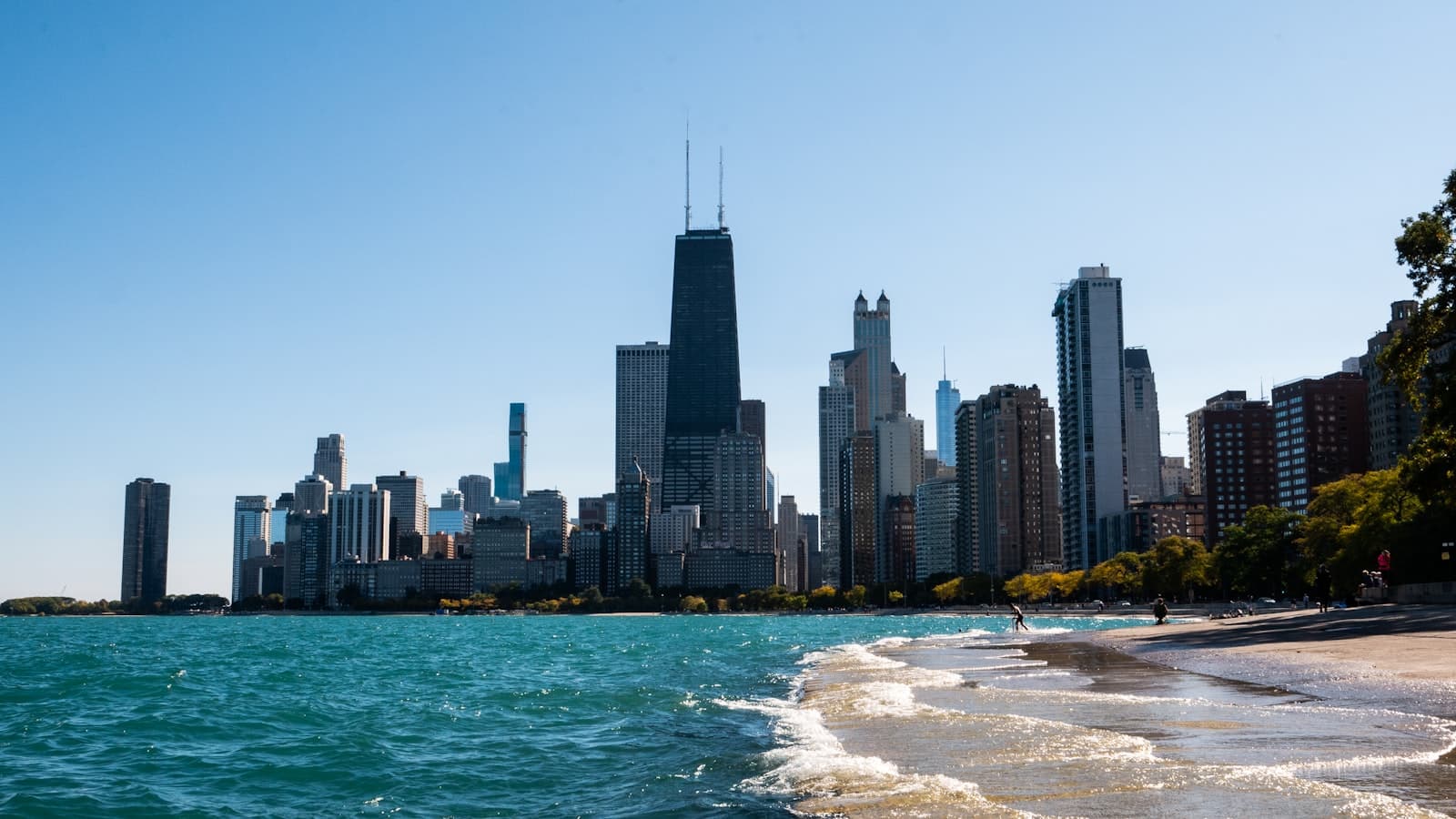 Photo: Dylan LaPierre / Unsplash
Tour de audio autoguiado de Ludington — ruta GPS a pie, reproducción offline, narración en 32 idiomas.
“Donde las historias del lago Michigan están grabadas en arena, piedra y vapor.”
No las postales. Las historias que ni los locales conocen — al oído, justo donde ocurrieron.
El río que atraviesa Ludington una vez llevó un nombre con un origen bastante gráfico.
El corazón de Ludington estuvo una vez casi completamente consumido por un desastre ardiente.
Mientras el S.S. Badger todavía cruza el lago Michigan, otro histórico transbordador de automóviles en Ludington ofrece una experiencia nocturna única.
Descubre todos los secretos de Ludington
Cada dirección, cada revelación al completo — a tu oído, justo donde ocurrió.
Eliges tus paradas. Caminas. La voz te revela lo que los demás ignoran.
Tu tour de audioguía por Ludington te espera — elige tus lugares, tu idioma y empieza al llegar.
ComprarLudington, Michigan, es una ciudad donde la vasta extensión de agua dulce del lago Michigan se encuentra con un paisaje moldeado por bosques, dunas y una profunda herencia marítima. Situado en la desembocadura del río Pere Marquette en el condado de Mason, este destino ofrece una mezcla de belleza natural y carácter de pueblo pequeño. Ludington es conocida por sus extensas playas de arena, sus prominentes faros y la presencia duradera del transbordador S.S. Badger, que continúa sus viajes estacionales a través del lago Michigan hasta Manitowoc, Wisconsin.
Más allá de su pintoresca costa, Ludington ofrece una puerta de entrada a aventuras al aire libre, desde senderismo y ciclismo a través de los diversos ecosistemas del Parque Estatal Ludington hasta kayak en lagos interiores. La zona del centro, apta para caminar, invita a la exploración con su variedad de tiendas, restaurantes y cervecerías locales, lo que refleja un espíritu comunitario que prospera durante todo el año. Ya sea que busque relajación junto al agua, descubrimientos históricos o actividades activas, Ludington ofrece una experiencia distintiva en los Grandes Lagos.
La tierra que se convertiría en Ludington fue habitada originalmente por tribus nativas americanas, especialmente los Ottawa. El río Pere Marquette, una vía fluvial central, fue inicialmente conocido por los Ottawa como "Notapekagon", un nombre que refleja un evento histórico significativo donde las cabezas de las tribus derrotadas fueron colocadas en palos a lo largo de sus orillas. La primera presencia no nativa americana registrada fue en 1675, cuando el misionero y explorador jesuita Padre Jacques Marquette murió cerca de la desembocadura del río Pere Marquette en lo que ahora es la península de Buttersville. Un monumento y una cruz de hierro de 40 pies fueron erigidos en 1955 para marcar este sitio histórico.
El asentamiento europeo permanente comenzó en 1847 con Burr Caswell y su familia, quienes establecieron una pequeña comunidad inicialmente conocida como el pueblo de Pere Marquette. Los densos bosques de pinos de la zona atrajeron rápidamente a los barones madereros, transformando el pueblo en una próspera ciudad maderera. James Ludington, un empresario de Milwaukee, se convirtió en una figura fundamental a mediados de la década de 1850, asumiendo la propiedad de un aserradero e invirtiendo en el desarrollo del canal para facilitar el transporte de madera. A finales del siglo XIX, 14 aserraderos operaban a lo largo del lago Pere Marquette, y el descubrimiento de depósitos de sal impulsó aún más el crecimiento de la ciudad. En 1873, la ciudad fue oficialmente constituida y renombrada Ludington en honor a James Ludington, quien fue fundamental en su desarrollo, financiando carreteras, puentes y un ferrocarril.
La ubicación estratégica de Ludington en el lago Michigan la convirtió en un importante puerto marítimo de los Grandes Lagos. En 1898, el Ferrocarril Pere Marquette introdujo su primer transbordador de automóviles, estableciendo un enlace vital a través del lago Michigan hasta Wisconsin. Esta innovación llevó a Ludington a convertirse en el puerto de transbordadores de automóviles más grande del mundo a mediados de la década de 1950. Hoy en día, el S.S. Badger continúa este legado, siendo uno de los dos únicos transbordadores de automóviles que cruzan el lago Michigan y el último buque de pasajeros a carbón en los Grandes Lagos.
A pesar de un devastador incendio en 1881 que destruyó gran parte de su centro, Ludington se reconstruyó y continuó evolucionando. Los esfuerzos por preservar su historia perdurable son evidentes en atracciones como Historic White Pine Village, un museo al aire libre que muestra el pasado del condado de Mason, y el Museo Marítimo del Puerto de Ludington, ubicado en una antigua estación de la Guardia Costera de EE. UU. La importancia histórica de Ludington también es reconocida como parte de la Hoja de Ruta de Turismo Cultural/Patrimonial para el Suroeste de Michigan, una ruta patrimonial a lo largo de la US-31 que abrió tierras de dunas escénicas y facilitó el turismo en la región.
Comience su exploración en el Parque Estatal Ludington, una extensa área natural bordeada por el lago Michigan y el lago Hamlin. Aquí, puede caminar por senderos panorámicos como el Skyline Trail para disfrutar de vistas de las dunas, visitar el icónico faro de Big Sable Point con sus rayas blancas y negras, o disfrutar de la histórica Casa de Playa de estilo Arts-and-Crafts construida por el Cuerpo Civil de Conservación. Para una experiencia diferente con faros, camine por el muelle de hormigón de casi medio kilómetro hasta el Faro del Rompeolas Norte de Ludington, que ofrece vistas del transbordador S.S. Badger mientras entra y sale del puerto.
El centro de Ludington ofrece un distrito peatonal lleno de tiendas, restaurantes y galerías, muchas de ellas ubicadas en edificios históricos. Pasee por Waterfront Park para ver nueve grandes esculturas de bronce que representan escenas de la historia de Ludington y disfrute de las vistas del S.S. Badger. Sumérjase en la historia local en el Museo Marítimo del Puerto de Ludington, ubicado en un edificio del Registro Nacional de Lugares Históricos, que cubre desde transbordadores de automóviles hasta naufragios de los Grandes Lagos. Justo a las afueras de la ciudad, Historic White Pine Village ofrece una experiencia de historia viva con 30 edificios de exhibición históricos, incluido el Palacio de Justicia original del condado de Mason. Para un encuentro marítimo único, recorra el S.S. City of Milwaukee, un transbordador de automóviles histórico que ahora funciona como museo y bed and breakfast.
Ludington es un destino para todo el año, pero los meses cálidos de mayo a septiembre son ideales para disfrutar de muchas de sus atracciones al aire libre. Agosto y septiembre son particularmente buenos para nadar en el lago Michigan, y los meses de verano ofrecen temperaturas suaves, humedad confortable y mucho sol. El otoño, desde mediados de septiembre hasta finales de octubre, trae oportunidades para observar el colorido follaje en el Parque Estatal Ludington y el cercano Bosque Nacional Manistee. Si bien los inviernos son fríos y nevados, ofrecen un tipo diferente de belleza, con oportunidades para ver exhibiciones de luces invernales y explorar paisajes cubiertos de nieve.
Ludington se encuentra en el condado de Mason, Michigan, aproximadamente a 60 millas al norte de Muskegon y 100 millas al sur de Traverse City. Es fácilmente accesible en coche a través de la US-31. Para aquellos que llegan en avión, el aeropuerto más cercano es el Aeropuerto Blacker del Condado de Manistee (MBL), a unos 33 millas de distancia, que ofrece vuelos hacia y desde Chicago O'Hare. Otras opciones incluyen el Aeropuerto del Condado de Muskegon (MKG), el Aeropuerto Cherry Capital (TVC) en Traverse City y el Aeropuerto Internacional Gerald R. Ford (GRR) en Grand Rapids.
El transbordador S.S. Badger ofrece una forma única de llegar, conectando Ludington con Manitowoc, Wisconsin, tanto para pasajeros como para vehículos. Una vez en Ludington, el centro de la ciudad es transitable a pie, y varias marinas ofrecen amarres para navegantes recreativos. Las opciones de alojamiento van desde alquileres vacacionales y hoteles hasta campings, incluyendo opciones como Vacation Station y Poncho's Pond.
Ludington en coreano, en chino o en hebreo — y 29 idiomas más, cada parada narrada por una voz nativa. La mayor variedad de idiomas de cualquier audioguía autoguiada.
Disponible en: