Teatro de la Ópera de Gravenhurst
Antes de su transformación en un preciado monumento cultural, el Teatro de la Ópera de Gravenhurst llevaba el apodo de 'La Locura de Mickle'.
La historia completa se desbloquea en el tour
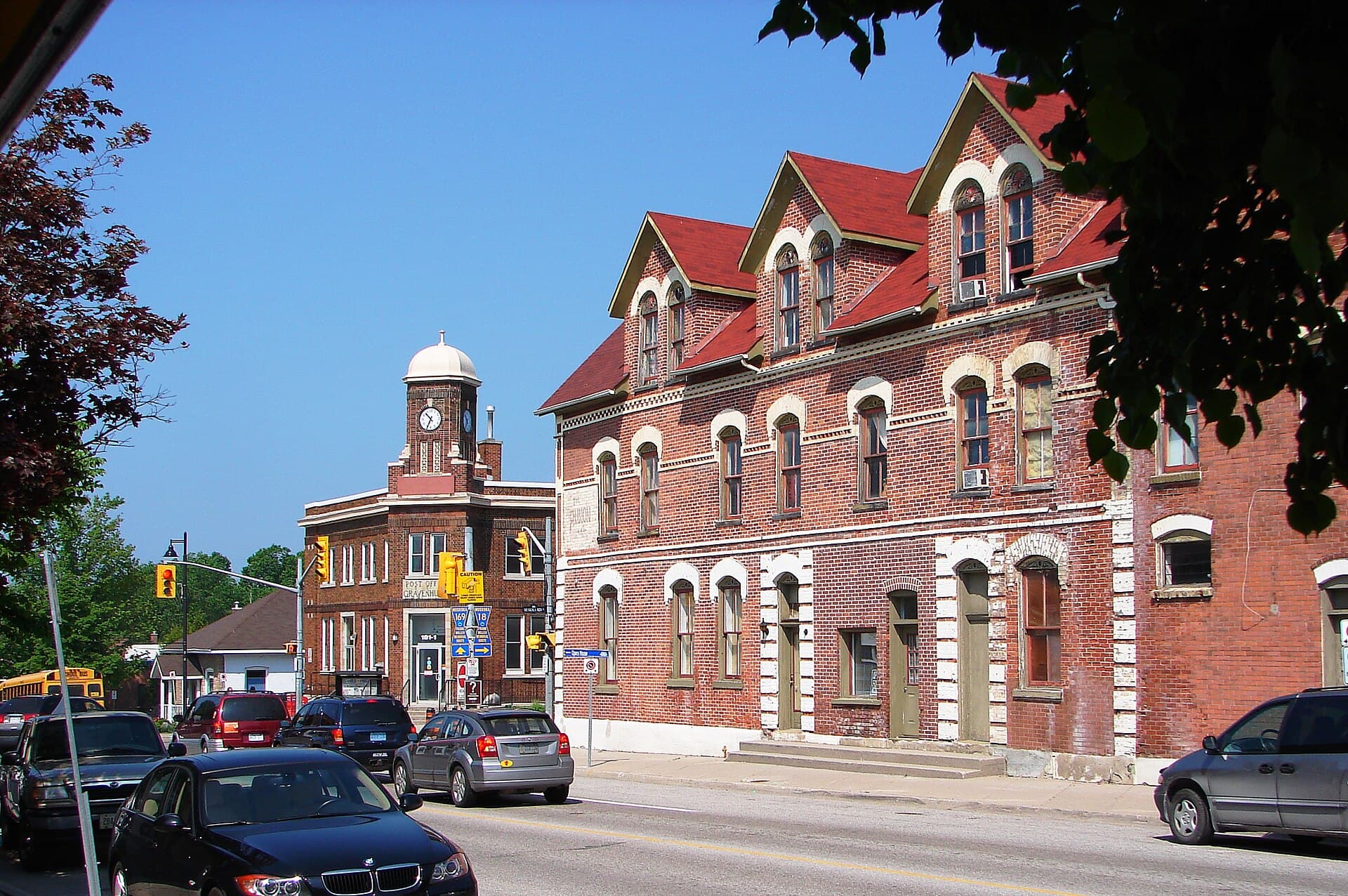 P199 / CC BY-SA 3.0, via Wikimedia Commons
Tour de audio autoguiado de Gravenhurst — ruta GPS a pie, reproducción offline, narración en 32 idiomas.
“Donde el legado del pasado de Muskoka converge con su dinámico presente.”
No las postales. Las historias que ni los locales conocen — al oído, justo donde ocurrieron.
Antes de su transformación en un preciado monumento cultural, el Teatro de la Ópera de Gravenhurst llevaba el apodo de 'La Locura de Mickle'.
La tranquila extensión del Parque Gull Lake esconde una narrativa inesperada de un período turbulento de la historia.
El lugar de nacimiento de un pionero médico canadiense es honrado en un rincón inesperado del mundo.
Descubre todos los secretos de Gravenhurst
Cada dirección, cada revelación al completo — a tu oído, justo donde ocurrió.
Eliges tus paradas. Caminas. La voz te revela lo que los demás ignoran.
Tu tour de audioguía por Gravenhurst te espera — elige tus lugares, tu idioma y empieza al llegar.
ComprarLume incluye una guía de realidad aumentada. Levanta el móvil y su cámara muestra la calle que tienes delante, con una flecha luminosa sobre la imagen real que siempre apunta a tu próxima parada — sin mapas que descifrar, sin giros equivocados. Como todo en Lume, funciona completamente sin conexión.
Gravenhurst, frecuentemente conocida como la "Puerta de Muskoka", es una ciudad de Ontario, aproximadamente a 170 km al norte de Toronto. Se encuentra en el extremo sur del lago Muskoka, con su centro urbano bordeando tanto el lago Muskoka como el lago Gull. Esta pintoresca ciudad, con una población que supera los 13,000 residentes a partir de 2021, es un destino muy solicitado, particularmente durante la temporada de verano. Los visitantes se sienten atraídos por su combinación de esplendor natural, peso histórico y un ambiente acogedor de pueblo pequeño.
Gravenhurst ofrece una variedad de experiencias, desde explorar su animado paseo marítimo en el Muskoka Wharf hasta adentrarse en su pasado a través de sitios históricos y recorridos a pie. La ciudad sirve como centro de actividades culturales, presentando entretenimiento en vivo, mercados locales y oportunidades para aventuras al aire libre en sus numerosos lagos y senderos. Ya sea que busque un reposo tranquilo junto al lago o una exploración activa de la región, Gravenhurst proporciona un punto de partida ideal para descubrir la zona más amplia de Muskoka.
Los orígenes de Gravenhurst se remontan a la década de 1860, cuando inicialmente se conocía como McCabe's Landing, llamado así por los primeros colonos James y Letitia McCabe. También se la llamaba Sawdust City (Ciudad del Aserrín) debido a su creciente industria maderera. La ciudad recibió oficialmente su nombre actual en 1862, inspirada en el tratado de William Smith, "Gravenhurst: O Pensamientos sobre el Bien y el Mal", y se incorporó en 1887.
La prosperidad económica de la ciudad creció significativamente con la construcción de una carretera de colonización en la década de 1850 y la llegada de los barcos de vapor a los lagos Muskoka en la década de 1860. La importante ubicación de Gravenhurst como término norte del Ferrocarril Toronto, Simcoe y Muskoka Junction solidificó aún más su papel como la "Puerta de los Lagos Muskoka". Esto llevó al desarrollo del Muskoka Wharf, que se convirtió en un centro crucial para el transporte, uniendo los viajes en tren y barco de vapor para inmigrantes, turistas y veraneantes.
Gravenhurst también ha desempeñado un papel único en la historia de la medicina, con el primer sanatorio de tuberculosis de Canadá, el Muskoka Cottage Sanatorium, abriendo aquí en 1897. También fue el sitio del tercer sanatorio de tuberculosis del mundo. Durante la Segunda Guerra Mundial, de 1940 a 1946, la ciudad albergó el Campamento 20, un campo de internamiento para prisioneros de guerra nazis. La Real Fuerza Aérea Noruega también trasladó su campamento de entrenamiento, conocido como "Pequeña Noruega", a un aeródromo cercano en 1942, permaneciendo hasta casi el final de la guerra.
A pesar de un incendio destructivo el 21 de septiembre de 1887, que consumió casi 100 negocios y hogares, Gravenhurst resistió y continuó desarrollándose. Hoy en día, su patrimonio es honrado a través de varias iniciativas, incluyendo un recorrido a pie autoguiado que destaca casas y negocios históricos en el centro de la ciudad.
Gravenhurst presenta una variedad de atracciones, comenzando con el Muskoka Wharf, un área de 89 acres a lo largo del lago Muskoka que cuenta con un paseo marítimo, tiendas, restaurantes y muelles públicos. Desde este punto, se puede embarcar en un crucero a bordo del histórico RMS Segwun, el barco de vapor en funcionamiento más antiguo de América del Norte, o el Wenonah II, una réplica contemporánea. El Muskoka Discovery Centre, también en el Wharf, ofrece exhibiciones interactivas sobre el pasado, presente y futuro de la región, incluida su herencia de barcos de madera.
Para una dosis de cultura, considere visitar el Gravenhurst Opera House, un monumento histórico abierto desde 1901 que alberga teatro en vivo, música y comedia durante todo el año. Explore el Bethune Memorial House National Historic Site, el lugar de nacimiento del Dr. Norman Bethune, un célebre cirujano y humanitario canadiense. Los entusiastas del aire libre pueden disfrutar del Gull Lake Rotary Park, que ofrece playas, áreas de pícnic y un parque infantil. La ciudad también ofrece seis playas públicas, muchas rutas de senderismo y excelentes oportunidades para jugar al golf. No pase por alto el Gravenhurst Farmers' Market en el Wharf, que se celebra semanalmente de mayo a octubre, ofreciendo productos locales y artesanías.
El momento ideal para visitar Gravenhurst depende en gran medida de las actividades deseadas. El verano, de junio a agosto, representa la temporada alta, ofreciendo un clima cálido perfecto para actividades acuáticas, eventos animados y festivales. Para aquellos que prefieren una experiencia más tranquila y un brillante follaje otoñal, se recomienda el otoño (septiembre a octubre). El invierno brinda oportunidades para deportes de nieve y una cómoda relajación junto a la chimenea, mientras que la primavera ofrece flores en flor y paseos tranquilos, aunque puede ser húmeda con la aparición de insectos a mediados o finales de abril. Junio a menudo se destaca como el mes más soleado.
Gravenhurst está aproximadamente a dos horas en coche al norte de Toronto. El acceso en coche es directo a través de la autopista 400 norte hasta la autopista 11, luego tomando la carretera Muskoka 169 (Bethune Drive) hacia el centro. Tenga en cuenta que los viajes de verano pueden ser largos debido a su popularidad como destino turístico. Si bien el servicio de autobús comercial es limitado, Ontario Northland ofrece servicio de autobús a Gravenhurst. El centro de la ciudad y el área de Muskoka Wharf son transitables a pie, pero se recomienda un coche para explorar las áreas circundantes. Los alojamientos van desde cabañas junto al lago y acogedores B&B hasta complejos turísticos. Los servicios para visitantes están disponibles en el centro de Gravenhurst, junto al Teatro de la Ópera.
Gravenhurst en coreano, en chino o en hebreo — y 29 idiomas más, cada parada narrada por una voz nativa. La mayor variedad de idiomas de cualquier audioguía autoguiada.
Disponible en: