Fort Henry
Debajo de los imponentes muros de Fort Henry, una red de pasajes ocultos ofrecía una ventaja sorprendente.
La historia completa se desbloquea en el tour
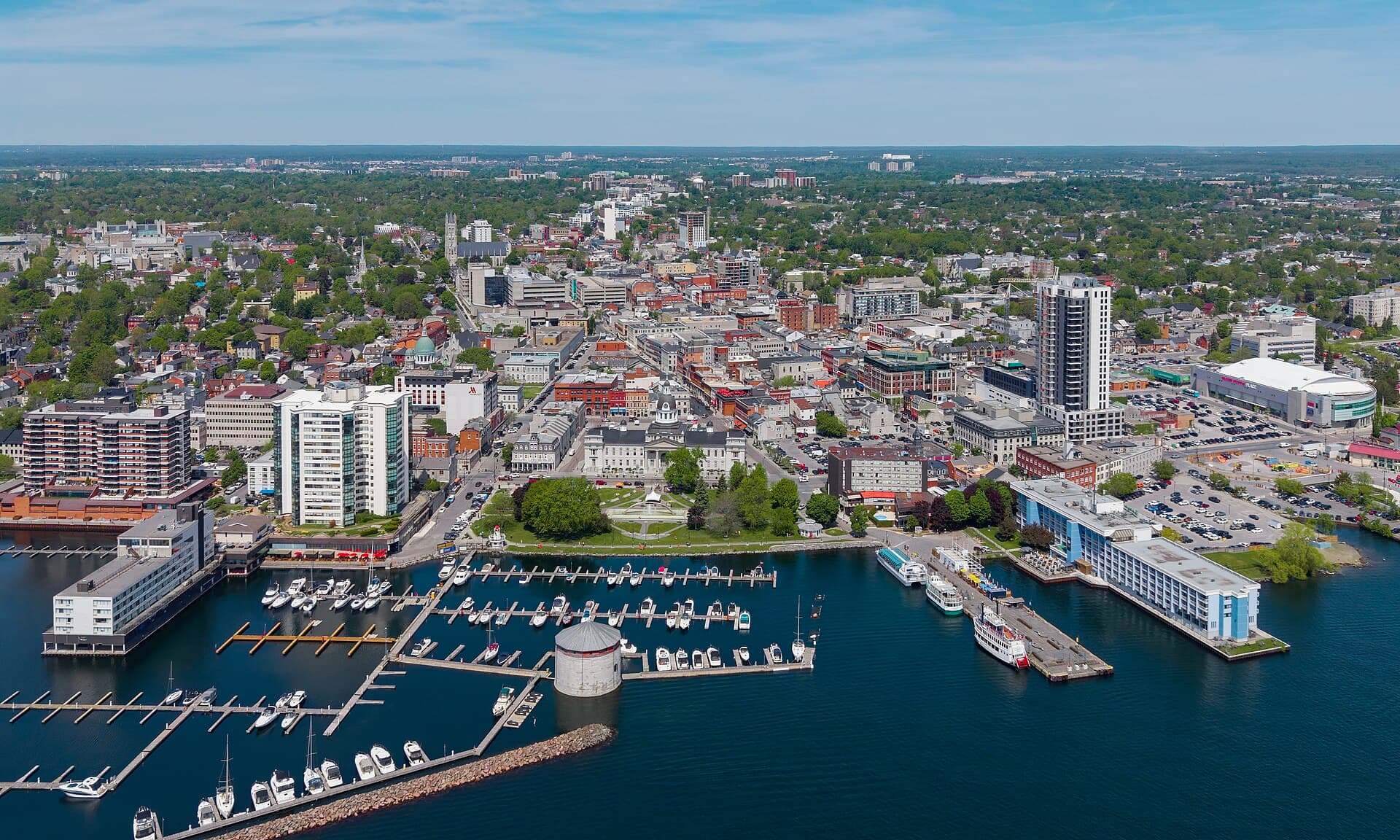 Quintin Soloviev / CC BY 4.0, via Wikimedia Commons
Tour de audio autoguiado de Kingston — ruta GPS a pie, reproducción offline, narración en 32 idiomas.
“Susurros de piedra caliza y brisas isleñas: El encanto perdurable de Kingston.”
No las postales. Las historias que ni los locales conocen — al oído, justo donde ocurrieron.
Debajo de los imponentes muros de Fort Henry, una red de pasajes ocultos ofrecía una ventaja sorprendente.
Entre los majestuosos edificios de piedra caliza de la Universidad Queen's, una peculiar tradición estudiantil implica un atrevido robo culinario.
Among the stately limestone buildings of Queen's University, a peculiar student tradition involves a daring culinary heist.
Descubre todos los secretos de Kingston
Cada dirección, cada revelación al completo — a tu oído, justo donde ocurrió.
Eliges tus paradas. Caminas. La voz te revela lo que los demás ignoran.


Tu tour de audioguía por Kingston te espera — elige tus lugares, tu idioma y empieza al llegar.
ComprarLume incluye una guía de realidad aumentada. Levanta el móvil y su cámara muestra la calle que tienes delante, con una flecha luminosa sobre la imagen real que siempre apunta a tu próxima parada — sin mapas que descifrar, sin giros equivocados. Como todo en Lume, funciona completamente sin conexión.
Kingston, Ontario, a menudo llamada la "Ciudad de Piedra Caliza" por sus distintivos edificios históricos, es donde el lago Ontario se encuentra con el río San Lorenzo y el Canal Rideau. Esta ubicación estratégica ha moldeado su identidad, desde sus orígenes como Katarokwi, un sitio significativo para los pueblos indígenas, hasta su breve pero impactante papel como la primera capital de Canadá. Hoy, Kingston es una ciudad que combina armoniosamente su pasado perdurable con una animada escena cultural, ofreciendo un centro transitable lleno de tiendas independientes, cafeterías y restaurantes.
La orilla de Kingston es una característica central, que proporciona acceso al lago Ontario y vistas de las Mil Islas. Los visitantes pueden explorar sitios históricos, disfrutar de cruceros en barco o participar en diversas actividades al aire libre. La ciudad también es un destino para los entusiastas de la comida, con un diverso paisaje culinario que incluye productores locales y microcervecerías.
La historia de Kingston se remonta al siglo XVII, cuando la zona era conocida como Katarokwi y tenía una gran importancia para los pueblos indígenas en el punto de encuentro de los ríos San Lorenzo y Cataraqui con el lago Ontario. El asentamiento europeo comenzó en el siglo XVII, con los franceses estableciendo un fuerte militar y puesto comercial en 1673, inicialmente llamado Fort Cataraqui y más tarde Fort Frontenac. Los británicos tomaron el control del fuerte en 1758 y renombraron el asentamiento Kingston en honor al rey Jorge III.
Después de la Guerra de 1812, la importancia estratégica de Kingston creció, lo que llevó a la construcción de fortificaciones como Fort Henry y la finalización del Canal Rideau en 1832. Estos desarrollos hicieron de Kingston un centro militar y económico principal en el Alto Canadá. En 1841, Kingston fue designada la primera capital de la Provincia Unida de Canadá, un papel que mantuvo hasta 1844. Aunque su tiempo como capital fue corto, el gran Ayuntamiento de la ciudad fue diseñado para reflejar este estatus nacional. Kingston se incorporó como pueblo en 1838 y como ciudad en 1846.
A lo largo de los siglos XIX y XX, la economía de Kingston se diversificó más allá de sus raíces militares y navieras, con períodos de fabricación textil, construcción naval y obras de locomotoras. Se establecieron instituciones como la Penitenciaría de Kingston, la Universidad Queen's y el Royal Military College, consolidando el papel de la ciudad como centro institucional. Hoy, Kingston continúa abrazando su patrimonio, con más de 20 Sitios Históricos Nacionales, y está trabajando activamente para fomentar un enfoque más inclusivo de su historia.
Comience su exploración en el Sitio Histórico Nacional Fort Henry, una fortificación del siglo XIX que ofrece visitas guiadas, demostraciones militares y vistas panorámicas de Kingston y el lago Ontario. Adéntrese en la historia penal de Canadá con una visita guiada a la desmantelada Penitenciaría de Kingston, que fue la prisión de máxima seguridad más antigua del país. Cerca, el Museo de la Penitenciaría de Canadá ofrece más información sobre las penitenciarías federales.
Pasee por el centro de Kingston, admirando la distintiva arquitectura de piedra caliza y explorando las tiendas, cafeterías y galerías. No se pierda Springer Market Square, el mercado público más antiguo de Ontario, que ha estado funcionando desde 1801. Para una experiencia artística única, visite Martello Alley, un pasaje transformado en una calle de estilo parisino que exhibe artistas locales.
Descubra el pasado marítimo de Kingston en el Museo de los Grandes Lagos, donde podrá subir a bordo del meticulosamente restaurado S.S. Keewatin, un transatlántico eduardiano. Realice un crucero por las Mil Islas desde la orilla para experimentar la belleza escénica del río San Lorenzo. Para los entusiastas del aire libre, el Breakwater Park y el Lake Ontario Park ofrecen senderos para caminar, áreas para nadar y lugares para hacer picnic. Considere un Paseo Encantado de Kingston por la noche para escuchar historias de leyendas locales y avistamientos inexplicables.
El momento ideal para visitar Kingston para actividades al aire libre y un clima agradable es de mayo a septiembre, cuando las temperaturas son cálidas y la ciudad alberga numerosos eventos. El otoño, particularmente septiembre y octubre, ofrece hermosos follajes de otoño a lo largo de los senderos. Aunque los inviernos son fríos, nevados y ventosos, son adecuados para deportes de invierno. La ciudad recibe la mayor afluencia de turistas de diciembre a abril.
Kingston está convenientemente ubicada entre Ottawa, Montreal y Toronto, y se puede llegar en coche por la autopista 401, en tren con VIA Rail o en avión al aeropuerto de Kingston. El centro y la orilla son muy transitables, y se pueden alquilar bicicletas, lo que facilita la exploración a pie o en bicicleta. También hay transporte público y servicios de taxi disponibles.
Kingston se encuentra en la zona horaria del este (GMT-5), observando el horario de verano de marzo a noviembre. La ciudad ofrece una variedad de alojamientos, desde hoteles céntricos y bed & breakfasts hasta alojamientos universitarios de verano. El Centro de Visitantes de Kingston puede proporcionar información adicional y asistencia para planificar su viaje.
Kingston en coreano, en chino o en hebreo — y 29 idiomas más, cada parada narrada por una voz nativa. La mayor variedad de idiomas de cualquier audioguía autoguiada.
Disponible en: