El Museo de Guntersville
Esta estructura similar a un castillo tuvo una vez un propósito muy diferente y mucho más serio.
La historia completa se desbloquea en el tour
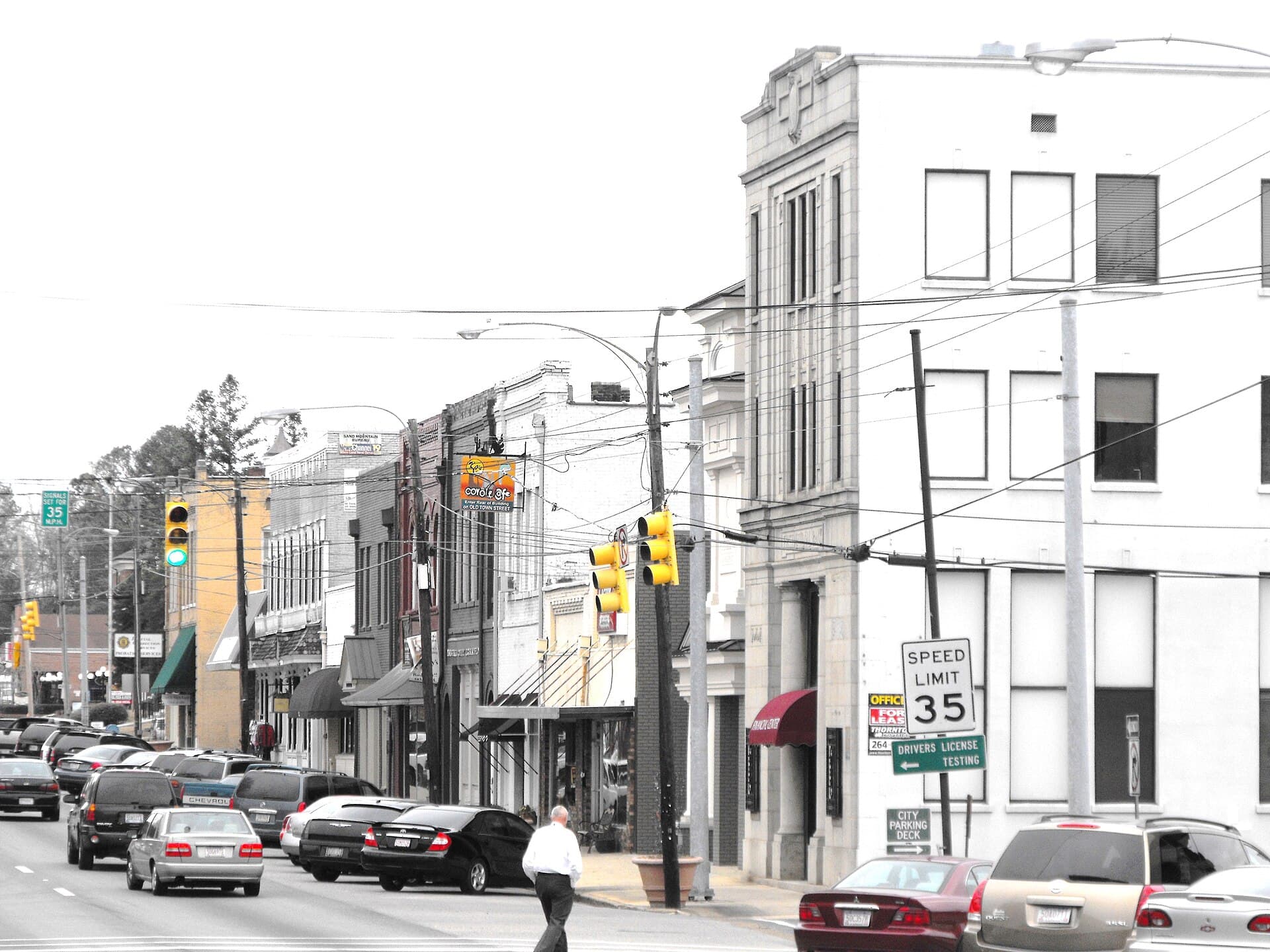 Smalltownalabama / CC BY-SA 3.0, via Wikimedia Commons
Tour de audio autoguiado de Guntersville — ruta GPS a pie, reproducción offline, narración en 32 idiomas.
“Donde el río Tennessee se curva, las historias emergen.”
No las postales. Las historias que ni los locales conocen — al oído, justo donde ocurrieron.
Esta estructura similar a un castillo tuvo una vez un propósito muy diferente y mucho más serio.
Antes de ser conocido por la pesca de lobina, este lago fue el escenario de un espectáculo de alta velocidad.
Una figura local prominente, conocida por su destreza médica, tenía una sorprendente conexión con la realeza.
Descubre todos los secretos de Guntersville
Cada dirección, cada revelación al completo — a tu oído, justo donde ocurrió.
Eliges tus paradas. Caminas. La voz te revela lo que los demás ignoran.

Tu tour de audioguía por Guntersville te espera — elige tus lugares, tu idioma y empieza al llegar.
ComprarGuntersville, Alabama, a menudo llamada "La Ciudad del Lago de Alabama", es un destino distintivo situado en una península casi completamente rodeada por las extensas aguas del Lago Guntersville y el río Tennessee. Esta geografía única, esculpida por la Autoridad del Valle de Tennessee (TVA) en la década de 1930 con la construcción de la Presa de Guntersville, ofrece amplias vistas del agua desde casi cualquier punto. La ciudad combina la belleza natural con una historia en capas, desde sus raíces indígenas como un pueblo Cheroqui hasta su papel fundamental como puesto comercial fluvial y sus experiencias durante la Guerra Civil.
Más allá de sus paisajes escénicos, Guntersville ofrece una comunidad cálida y acogedora que se enorgullece de su herencia y hospitalidad. Los visitantes pueden explorar encantadoras tiendas en el centro, galerías de arte y restaurantes locales, sumergiéndose en la auténtica cultura de la región. Ya sea que le atraiga el encanto de la pesca de lobina de clase mundial en el Lago Guntersville, la tranquilidad de su parque estatal o el deseo de descubrir las capas de su pasado, Guntersville ofrece una convincente mezcla de aventura al aire libre, intriga histórica y encanto de pueblo pequeño.
La historia de Guntersville comienza mucho antes de su incorporación formal, en tierras que fueron hogar de varias tribus nativas americanas, especialmente la Nación Cheroqui. La zona, originalmente conocida como Tall, era un importante pueblo Cheroqui en la curva más al sur del río Tennessee. En 1785, John Gunter, un comerciante galés-inglés de las Carolinas, llegó y estableció un asentamiento que eventualmente llevaría su nombre. Gunter, un rico propietario de minas de sal, llegó a un acuerdo con el jefe Cheroqui, casándose con su hija, Ghe-No-He-Li (también conocida como Katy o Cathrine), y acordando proporcionar sal a la tribu a cambio de tierras. Este período temprano fomentó un intercambio cultural único entre colonos y la población indígena, con Gunter operando el primer ferry en el río para 1820, solidificando el papel del asentamiento como un centro de transporte vital.
En 1836, el Condado de Marshall fue establecido oficialmente por la Legislatura de Alabama, con Guntersville convirtiéndose en su sede de condado. La ciudad fue incorporada formalmente como "Gunter's Landing" en 1848, cambiando más tarde su nombre a Guntersville en 1854. Mediados del siglo XIX trajo la agitación de la Guerra Civil Americana, durante la cual la ubicación estratégica de Guntersville en el río Tennessee la convirtió en un objetivo. A finales de 1864, la Armada de los Estados Unidos desplegó cañoneras en el río, y en enero de 1865, un barco de la Unión, el USS General Grant, intentó destruir la ciudad en represalia por la resistencia Confederada, quemando gran parte de ella.
Después de la Guerra Civil, Guntersville experimentó un período de crecimiento como ciudad fluvial. La llegada del ferrocarril en 1892 impulsó aún más su economía, conectándola con mercados más grandes. Sin embargo, la transformación más profunda llegó en el siglo XX con la Autoridad del Valle de Tennessee (TVA). La construcción de la Presa de Guntersville en la década de 1930, completada en 1939, creó el vasto Lago Guntersville, remodelando el paisaje local y convirtiendo la ciudad en una península distintiva. Este desarrollo marcó el comienzo de una nueva era de recreación, turismo y oportunidad económica, solidificando la identidad de Guntersville como una próspera comunidad junto al lago.
Comience su exploración en el Museo de Guntersville, ubicado en un distintivo edificio de piedra caliza almenada que una vez sirvió como armería militar. Aquí, puede adentrarse en el pasado de la ciudad, desde artefactos nativos americanos hasta exhibiciones sobre personalidades locales y el impacto de la Guerra Civil y la TVA.
Ninguna visita a Guntersville está completa sin experimentar el Parque Estatal del Lago Guntersville. Este extenso parque de 6,000 acres, situado a lo largo del lago, ofrece una gran cantidad de actividades al aire libre, incluyendo rutas de senderismo con amplias vistas, tirolinas, un campo de golf de 18 hoyos, campamentos y un albergue turístico. El parque también cuenta con un popular complejo de playa, perfecto para nadar y relajarse, especialmente durante los meses más cálidos. Para los entusiastas de la vida silvestre, el lago es el hogar durante todo el año de águilas calvas, con su número máximo en enero, y águilas pescadoras anidando en boyas en primavera y verano.
Pasee por el Centro Histórico de Guntersville para descubrir encantadoras tiendas de antigüedades, boutiques locales y restaurantes. El Puerto de la Ciudad en el Lago Guntersville es un desarrollo más reciente frente al mar que ofrece restaurantes, tiendas y música en vivo, proporcionando un ambiente animado. A poca distancia en coche de Guntersville, el Parque Estatal Cathedral Caverns es un lugar para ver, con una de las entradas de cuevas más grandes del mundo, formaciones masivas como 'Goliath' y la cascada congelada más grande en cualquier cueva conocida.
Guntersville experimenta cuatro estaciones distintas, cada una con su propio atractivo. Para actividades de clima cálido como paseos en bote, natación y exploración del lago, los mejores momentos para visitar son desde principios de mayo hasta mediados de junio y desde mediados de agosto hasta mediados de octubre. El verano ofrece días más largos y condiciones ideales para la recreación acuática, aunque la humedad puede ser alta. Si el clima agradable es su prioridad, considere abril a mayo y mediados de septiembre a octubre, cuando las temperaturas son suaves y la humedad es menor. El otoño trae una vívida exhibición de follaje otoñal, perfecto para paseos escénicos y caminatas. El invierno es suave, con ocasionales olas de frío, y es el mejor momento para ver el mayor número de águilas calvas.
Guntersville se encuentra en el condado de Marshall, Alabama. La Ruta 431 de EE. UU. es la carretera principal que atraviesa la ciudad, conectándola con Huntsville (aproximadamente 37 millas al noroeste) y Albertville (aproximadamente 10 millas al sureste). Para viajes aéreos, el Aeropuerto Internacional de Huntsville (HSV) está a menos de una hora en coche. Si bien Guntersville ofrece una variedad de opciones de alojamiento, incluyendo hoteles, campamentos y listados de Airbnb, se recomienda reservar el alojamiento con anticipación, especialmente durante las temporadas altas. La ciudad mantiene 175 acres de parques junto al lago con senderos para caminar, parques infantiles y áreas de natación. El Museo de Guntersville ofrece entrada gratuita y está abierto de martes a viernes de 10 a.m. a 4 p.m., y los sábados y domingos de 1 p.m. a 4 p.m., cerrado los lunes.
Guntersville en coreano, en chino o en hebreo — y 29 idiomas más, cada parada narrada por una voz nativa. La mayor variedad de idiomas de cualquier audioguía autoguiada.
Disponible en: