La calle principal del Pueblo Viejo
Las casas encaladas que ves hoy tienen un pasado ardiente, uno que remodeló el pueblo más de una vez.
La historia completa se desbloquea en el tour
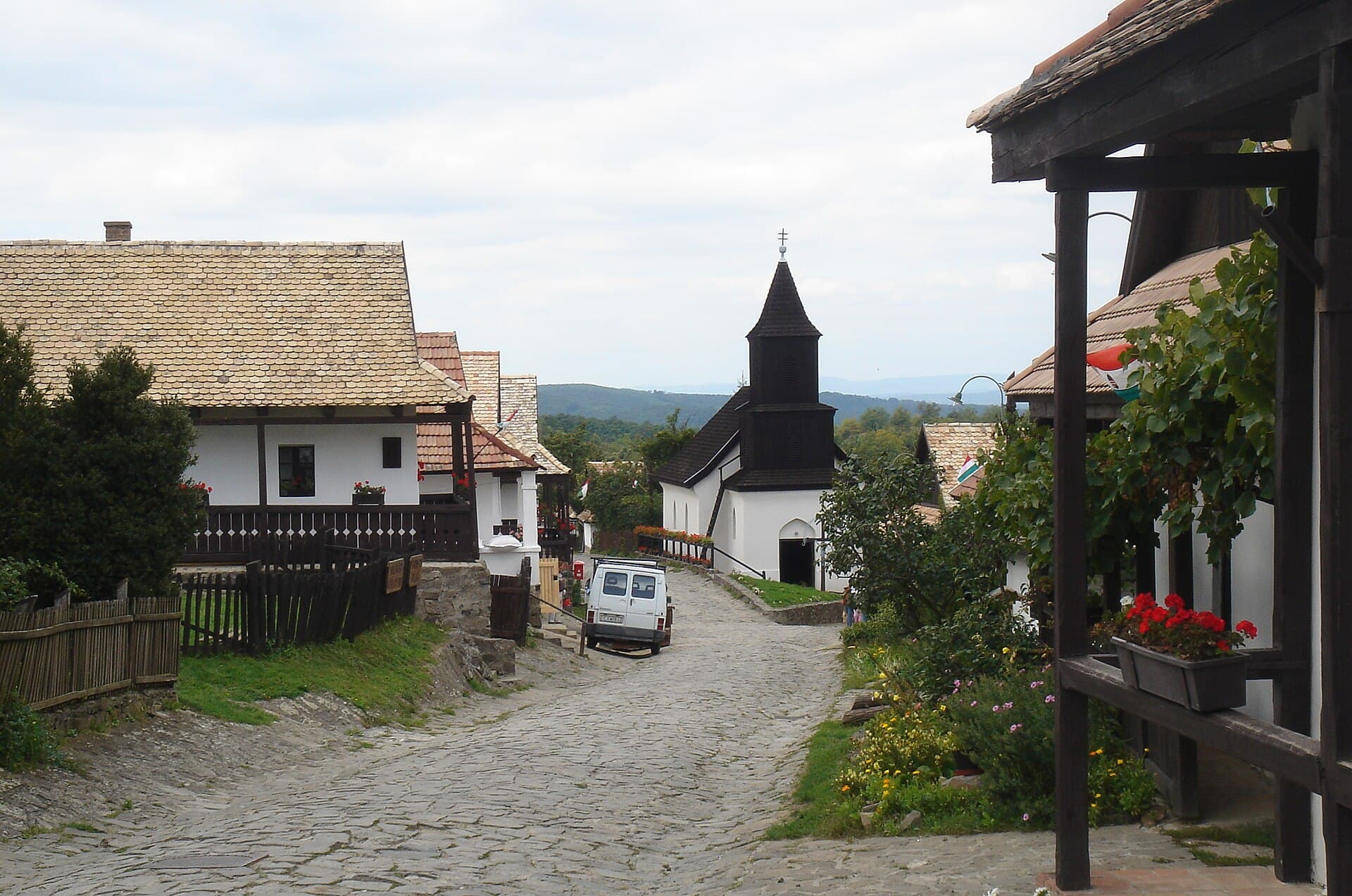 Kfbs06 / CC BY-SA 3.0, via Wikimedia Commons
Tour de audio autoguiado de Hollókő — ruta GPS a pie, reproducción offline, narración en 32 idiomas.
“Donde el tiempo se ralentiza y las tradiciones ancestrales respiran.”
No las postales. Las historias que ni los locales conocen — al oído, justo donde ocurrieron.
Las casas encaladas que ves hoy tienen un pasado ardiente, uno que remodeló el pueblo más de una vez.
El nombre del castillo, 'Piedra de Cuervo', es más que un término descriptivo; está ligado a una dramática historia de secuestro e intervención sobrenatural.
Durante la Pascua, podrías presenciar una tradición que implica más que solo huevos pintados y comidas festivas.
Descubre todos los secretos de Hollókő
Cada dirección, cada revelación al completo — a tu oído, justo donde ocurrió.
Eliges tus paradas. Caminas. La voz te revela lo que los demás ignoran.

Tu tour de audioguía por Hollókő te espera — elige tus lugares, tu idioma y empieza al llegar.
ComprarLume incluye una guía de realidad aumentada. Levanta el móvil y su cámara muestra la calle que tienes delante, con una flecha luminosa sobre la imagen real que siempre apunta a tu próxima parada — sin mapas que descifrar, sin giros equivocados. Como todo en Lume, funciona completamente sin conexión.
Hollókő, un sitio declarado Patrimonio de la Humanidad por la UNESCO en el norte de Hungría, ofrece una rara visión de un asentamiento rural preservado que mantiene activamente sus tradiciones y arquitectura Palóc de los siglos XVIII y XIX. Ubicado en el condado de Nógrád, dentro de las colinas de Cserhát, el pueblo es un ejemplo etnográfico vivo de una forma de vida que desapareció en gran medida en otros lugares después de la revolución agrícola del siglo XX.
A diferencia de un museo al aire libre, Hollókő es una comunidad próspera donde alrededor de 300 habitantes continúan practicando sus costumbres, vistiendo trajes folclóricos ricamente bordados en días festivos y participando en artesanías tradicionales. El pueblo proporciona una conexión tangible con el pasado de Hungría, invitando a los visitantes a observar e incluso participar en una cultura que se siente arraigada en lugar de escenificada.
La historia de Hollókő comienza a mediados del siglo XIII, después de la invasión mongola, cuando se inició la construcción del Castillo de Hollókő como medida defensiva. El castillo, documentado por primera vez en 1310, fue inicialmente propiedad del clan noble Kacsics. El pueblo original se desarrolló directamente debajo de las murallas del castillo.
Durante los siguientes 150 años, el castillo vio un control alterno entre las fuerzas otomanas y húngaras después de su captura por los otomanos en 1552. Al final de la era otomana en 1683, tanto el castillo como el pueblo original fueron abandonados. El pueblo actual surgió en su ubicación actual, un poco más abajo en la colina, asentado por la nobleza Palóc de la Alta Hungría.
El carácter arquitectónico de Hollókő, que presenta principalmente estructuras de madera tradicionales con tejados de paja, hizo que fuera repetidamente devastado por incendios. La reconstrucción más significativa ocurrió después de un devastador incendio en 1909, con esfuerzos de reconstrucción posteriores que se adhirieron meticulosamente al estilo arquitectónico Palóc original. Este compromiso con la preservación, mostrando la vida rural antes de la revolución agrícola del siglo XX, le valió a Hollókő su designación como Patrimonio de la Humanidad por la UNESCO en 1987, convirtiéndolo en el primer pueblo del mundo en recibir esta distinción.
El corazón de Hollókő es su Pueblo Viejo (Ófalu), caracterizado por casas encaladas con porches y tejados a dos aguas, que bordean una única calle principal. Estas 67 casas protegidas, algunas de las cuales son residencias privadas y otras convertidas en museos, tiendas y restaurantes, ofrecen una conexión tangible con las tradiciones Palóc.
En el centro del Pueblo Viejo se encuentra la Iglesia de San Martín, una iglesia católica romana con una distintiva torre de tejas, construida en 1889. Sobre el pueblo, el Castillo de Hollókő ofrece amplias vistas de las colinas de Cserhát y el campo circundante. Los visitantes pueden explorar las exposiciones históricas del castillo, incluyendo armas y trajes tradicionales.
Más allá de la calle principal, explore el Museo del Pueblo para aprender sobre la historia de Hollókő y las costumbres Palóc, o visite el Museo Postal, el Museo de Muñecas y la Casa de los Tejedores para obtener información específica sobre la vida y las artesanías locales. Para aquellos que buscan belleza natural, los senderos fáciles en las colinas de Cserhát ofrecen un escape tranquilo, con un mirador conocido como 'La Palma de Dios' que ofrece vistas excepcionales.
Hollókő es un destino gratificante durante todo el año, con distintas experiencias estacionales. La época más animada para visitar es durante las principales festividades, especialmente el Festival de Pascua (típicamente del 3 al 6 de abril en 2026), cuando el pueblo cobra vida con trajes folclóricos, música tradicional, danza, mercados de artesanía y la famosa costumbre del 'rociado de agua'. Otras épocas populares incluyen Pentecostés, el 20 de agosto y el Día de San Martín, que también presentan celebraciones tradicionales. Para un clima agradable ideal para hacer turismo y explorar, los meses de mayo a septiembre ofrecen temperaturas diurnas promedio que oscilan entre 22°C y 28°C.
Hollókő se encuentra aproximadamente a 90-100 kilómetros al noreste de Budapest, lo que lo hace adecuado para una excursión de un día. La forma más fácil de llegar al pueblo es en coche, un viaje de unos 90 minutos a dos horas a través de la cordillera de Cserhát. También hay servicios de autobús público desde la estación de autobuses Stadion de Budapest, con un tiempo de viaje de alrededor de dos horas.
Aunque pasear por las calles del pueblo es gratuito, algunos museos y atracciones pueden requerir una tarifa de entrada. Muchas casas en el Pueblo Viejo tienen doble propósito como hogares y espacios orientados al turismo, ofreciendo artesanías y gastronomía local. La cocina local Palóc, incluyendo platos como la sopa Palóc y el asado Palóc, está disponible en los restaurantes del pueblo.
Hollókő en coreano, en chino o en hebreo — y 29 idiomas más, cada parada narrada por una voz nativa. La mayor variedad de idiomas de cualquier audioguía autoguiada.
Disponible en: