Basílica Menor de la Inmaculada Concepción
La construcción de la gran basílica de Jardín, una maravilla neogótica, implicó una petición inusual de su sacerdote fundador.
La historia completa se desbloquea en el tour
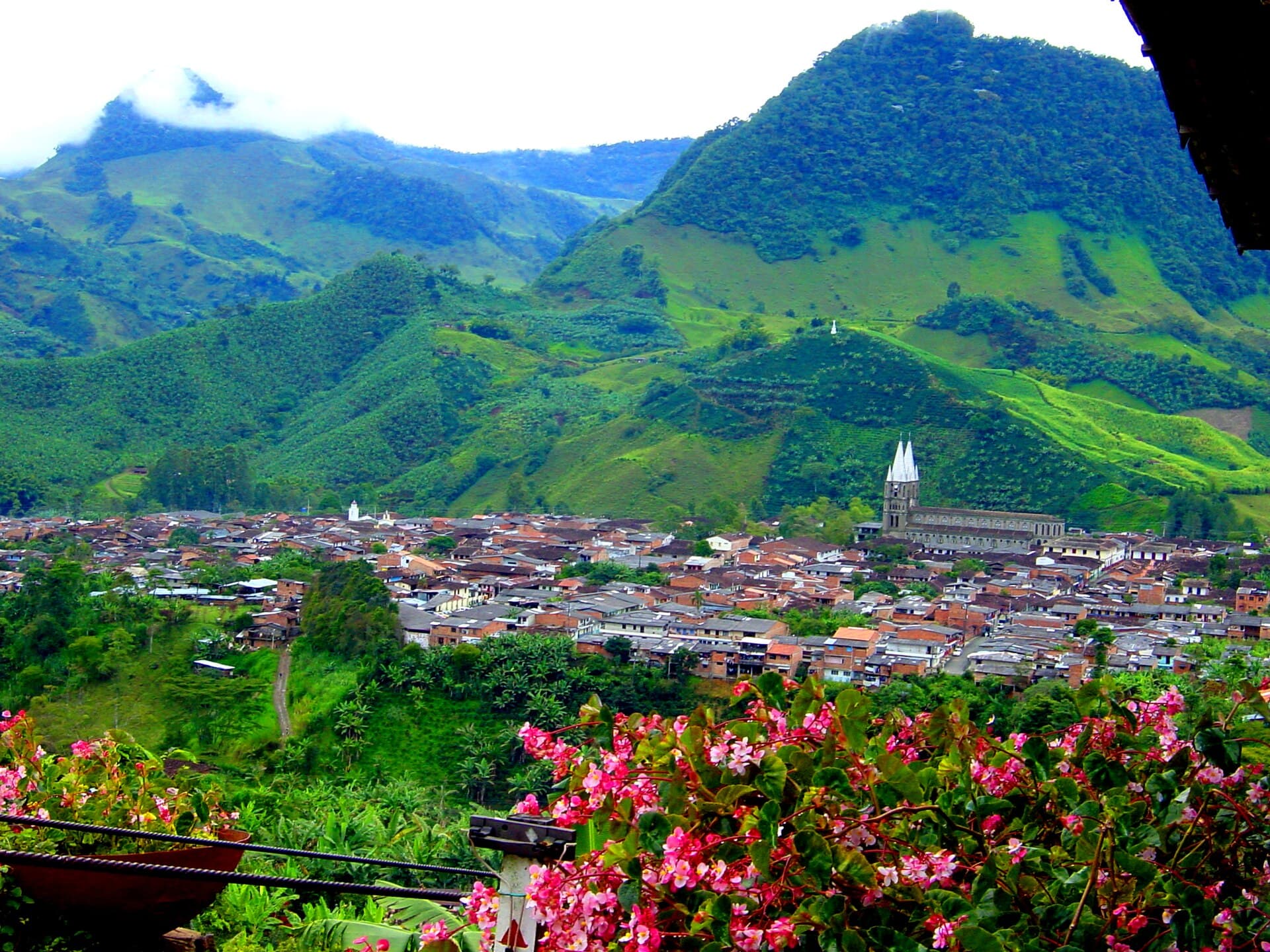 No machine-readable author provided. Scabredon~commonswiki assumed (based on copyright claims). / Public domain, via Wikimedia Commons
Tour de audio autoguiado de Jardín — ruta GPS a pie, reproducción offline, narración en 32 idiomas.
“Donde los campos de café se encuentran con el suave pulso de un pueblo de montaña.”
No las postales. Las historias que ni los locales conocen — al oído, justo donde ocurrieron.
La construcción de la gran basílica de Jardín, una maravilla neogótica, implicó una petición inusual de su sacerdote fundador.
El teleférico de Jardín ofrece más que solo vistas panorámicas; cumple un propósito fundamental para muchos residentes locales.
Las sillas de colores brillantes que llenan el parque principal de Jardín, invitando a los visitantes a demorarse tomando café, son más que simples asientos.
Descubre todos los secretos de Jardín
Cada dirección, cada revelación al completo — a tu oído, justo donde ocurrió.
Eliges tus paradas. Caminas. La voz te revela lo que los demás ignoran.


Tu tour de audioguía por Jardín te espera — elige tus lugares, tu idioma y empieza al llegar.
ComprarLume incluye una guía de realidad aumentada. Levanta el móvil y su cámara muestra la calle que tienes delante, con una flecha luminosa sobre la imagen real que siempre apunta a tu próxima parada — sin mapas que descifrar, sin giros equivocados. Como todo en Lume, funciona completamente sin conexión.
Jardín, un pueblo en el departamento de Antioquia, Colombia, ofrece una inmersión vívida en la vida tradicional colombiana. Frecuentemente es considerado uno de los pueblos coloniales más hermosos de Colombia, un sentimiento reforzado por su designación como uno de los 17 Pueblos Patrimonio, reconocidos por su significado cultural. El pueblo está situado en la región andina, aproximadamente a cuatro horas al sur de Medellín, y se caracteriza por su patrimonio arquitectónico conservado, abundante vegetación y numerosos ríos y quebradas.
La vida en Jardín gira en torno a su plaza principal, el Parque Principal, también conocido como plaza El Libertador, un Monumento Nacional de Colombia. Aquí, edificios de colores pastel con puertas y ventanas brillantemente pintadas enmarcan la plaza, creando un entorno pintoresco. Los visitantes pueden observar el ritmo pausado de la vida local, con los residentes a menudo reunidos en cafés al aire libre, sorbiendo café y conversando. Esta atmósfera tranquila, combinada con las montañas verdes y las plantaciones de café circundantes, hace de Jardín un destino atractivo para aquellos que buscan una auténtica experiencia colombiana.
El área ahora conocida como Jardín fue históricamente habitada por grupos indígenas, incluidos los pueblos Caramanta y Embera Chamí, mucho antes de la llegada de los españoles. La historia registrada del pueblo comienza a mediados del siglo XIX, durante la conquista española. La tradición sugiere que cuando los fundadores llegaron por primera vez al 'Alto de las Flores' desde la vereda Sietecueros, quedaron cautivados por la vista de un valle abundante en yarumos blancos y guayacanes amarillos y rosados, una densa selva atravesada por dos pequeños ríos. Este esplendor natural los inspiró a nombrar el asentamiento 'Jardín'.
Jardín fue fundado oficialmente el 23 de mayo de 1863, con Indalecio Peláez reconocido como un fundador clave. Su desarrollo fue impulsado principalmente por el cultivo de café, un cultivo que sigue siendo central para la economía e identidad del pueblo. La arquitectura del pueblo refleja la colonización antioqueña de los Andes, con un diseño típico de los pueblos coloniales españoles del siglo XIX: una plaza central, una iglesia prominente y una cuadrícula de calles. Lo que hace a Jardín particularmente notable es que en gran medida evitó la modernización significativa o los desastres naturales en el siglo XX, permitiendo que su estilo arquitectónico de la década de 1880, caracterizado por edificios de bahareque (paredes de bambú y arcilla cubiertas de cal), permanezca notablemente intacto.
En 1985, por decreto presidencial, la iglesia y el parque de Jardín fueron declarados Monumento Nacional. Más recientemente, en 2024, Jardín fue reconocido como uno de los Mejores Pueblos Turísticos por la OMT, consolidando aún más su estatus como un destino de patrimonio cultural significativo.
El corazón de Jardín es su Parque Principal, un animado centro rodeado de coloridos edificios coloniales. Aquí, puedes sentarte en uno de los muchos cafés al aire libre, disfrutar de una taza de café local y observar la vida diaria. Dominando la plaza está la Basílica Menor de la Inmaculada Concepción, una impactante iglesia neogótica construida con piedra tallada a mano, con un interior que presenta intrincados vitrales y un techo turquesa.
Para vistas panorámicas del pueblo y los paisajes circundantes, toma un paseo en el Teleférico La Garrucha. Este transporte único ofrece una perspectiva diferente de Jardín y sus alrededores rurales. Otro mirador es el Mirador del Cristo Rey, accesible a pie, que ofrece vistas impresionantes.
Los entusiastas de la naturaleza encontrarán mucho que explorar. La Reserva Natural Jardín de Rocas es una parada esencial para los observadores de aves, ofreciendo la oportunidad de ver el brillante Gallito de Roca Andino. La Cueva del Esplendor es una notable cascada que desciende dentro de una cueva, accesible mediante una caminata guiada o un paseo a caballo a través de exuberantes bosques. Los amantes del café pueden recorrer una finca cafetera local para aprender sobre el cultivo y procesamiento de los renombrados granos de Colombia.
Jardín experimenta un clima tropical con temperaturas constantes durante todo el año, promediando alrededor de 23°C durante el día y 18°C por la noche. Aunque las lluvias ocurren regularmente, los períodos más secos, y por lo tanto los momentos más agradables para visitar, son de mediados de diciembre a mediados de marzo y de mediados de junio a mediados de agosto. Visitar durante la semana puede ayudar a evitar mayores aglomeraciones de turistas colombianos que frecuentan el pueblo los fines de semana.
Jardín se encuentra aproximadamente a 4 horas en coche al sur de Medellín. El viaje ofrece vistas panorámicas de la región cafetera colombiana. No hay aeropuerto en Jardín, por lo que el viaje es principalmente en coche o autobús. Los autobuses desde Medellín son una opción común y asequible.
Muchos establecimientos en Jardín operan solo con efectivo, por lo que es aconsejable llevar suficientes pesos colombianos. Aunque hay un cajero automático en la plaza principal, depender únicamente de las tarjetas puede ser un desafío. Los taxis y mototaxis (tuk-tuks) están fácilmente disponibles para moverse por el pueblo y hacia las atracciones cercanas. Las opciones de alojamiento van desde campamentos hasta hoteles familiares y opciones más exclusivas, y se recomienda reservar con anticipación, especialmente durante festivos y fines de semana.
Jardín en coreano, en chino o en hebreo — y 29 idiomas más, cada parada narrada por una voz nativa. La mayor variedad de idiomas de cualquier audioguía autoguiada.
Disponible en: