Fortezza Vecchia
Deze oude vesting, een stille wachter bij de Medici-haven, herbergt een geheim met betrekking tot het baanbrekende werk van Galileo Galilei.
Volledig verhaal ontgrendeld in de tour
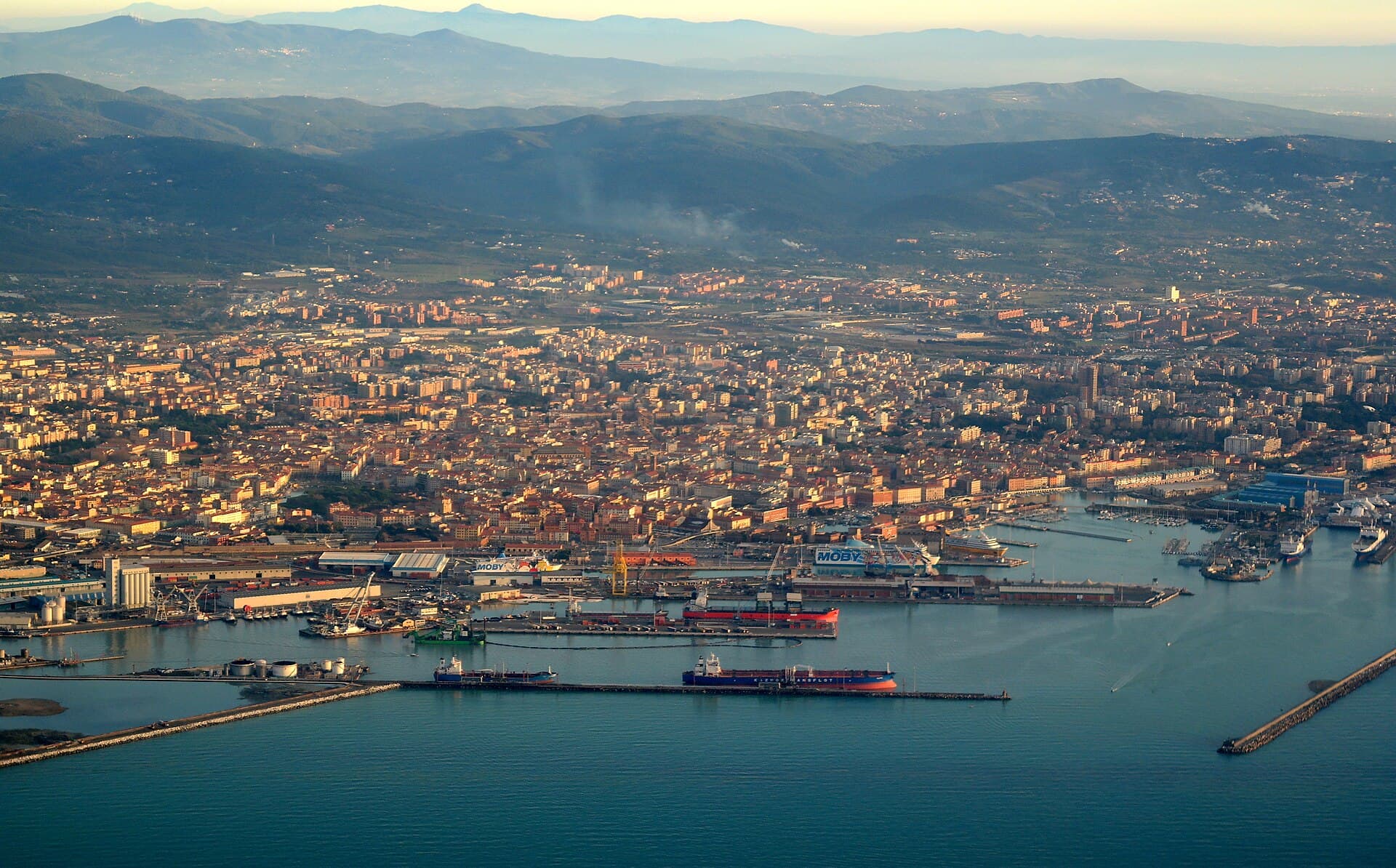 Luca Aless / CC BY-SA 4.0, via Wikimedia Commons
Zelfgeleide audiowandeling door Livorno — GPS-route, offline afspelen, meeslepende vertelling in 32 talen.
“Livorno: Kanalen fluisteren over handel, en een geblokte promenade begroet de zee.”
Niet de ansichtkaarten. De verhalen die zelfs locals niet kennen — gefluisterd in je oor, precies waar ze gebeurden.
Deze oude vesting, een stille wachter bij de Medici-haven, herbergt een geheim met betrekking tot het baanbrekende werk van Galileo Galilei.
Onder de levendige kraampjes van de grote 19e-eeuwse markt van Livorno ligt een verbinding met de Toscaanse marine.
De kenmerkende zwart-witte schaakbordpromenade langs de kust draagt een naam die veranderde met de politieke stromingen van Italië.
Ontdek elk geheim van Livorno
Elk adres, elke onthulling volledig — in je oor, precies waar het gebeurde.
Jij kiest je stops. Jij wandelt. De stem onthult wat de anderen missen.
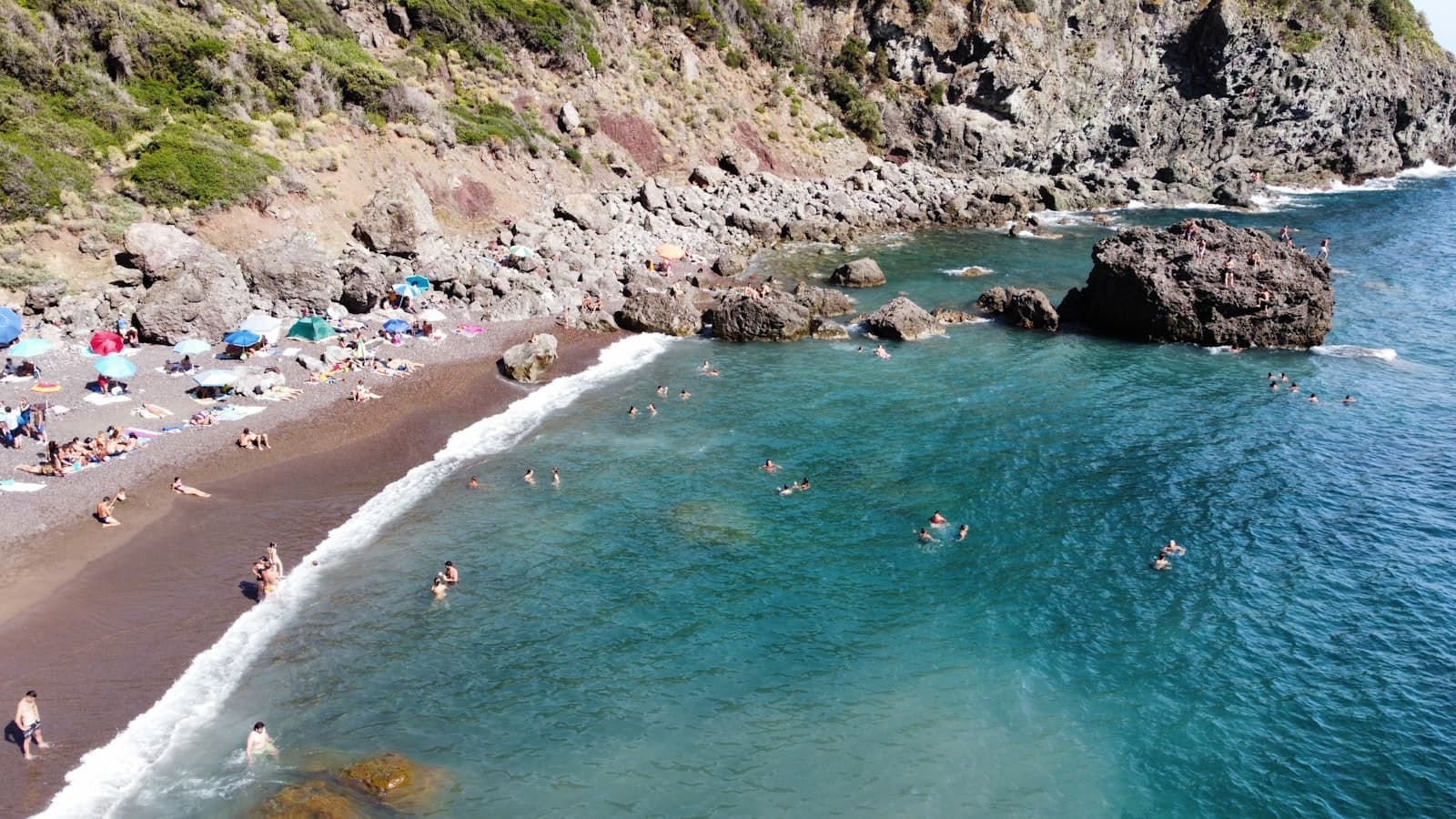
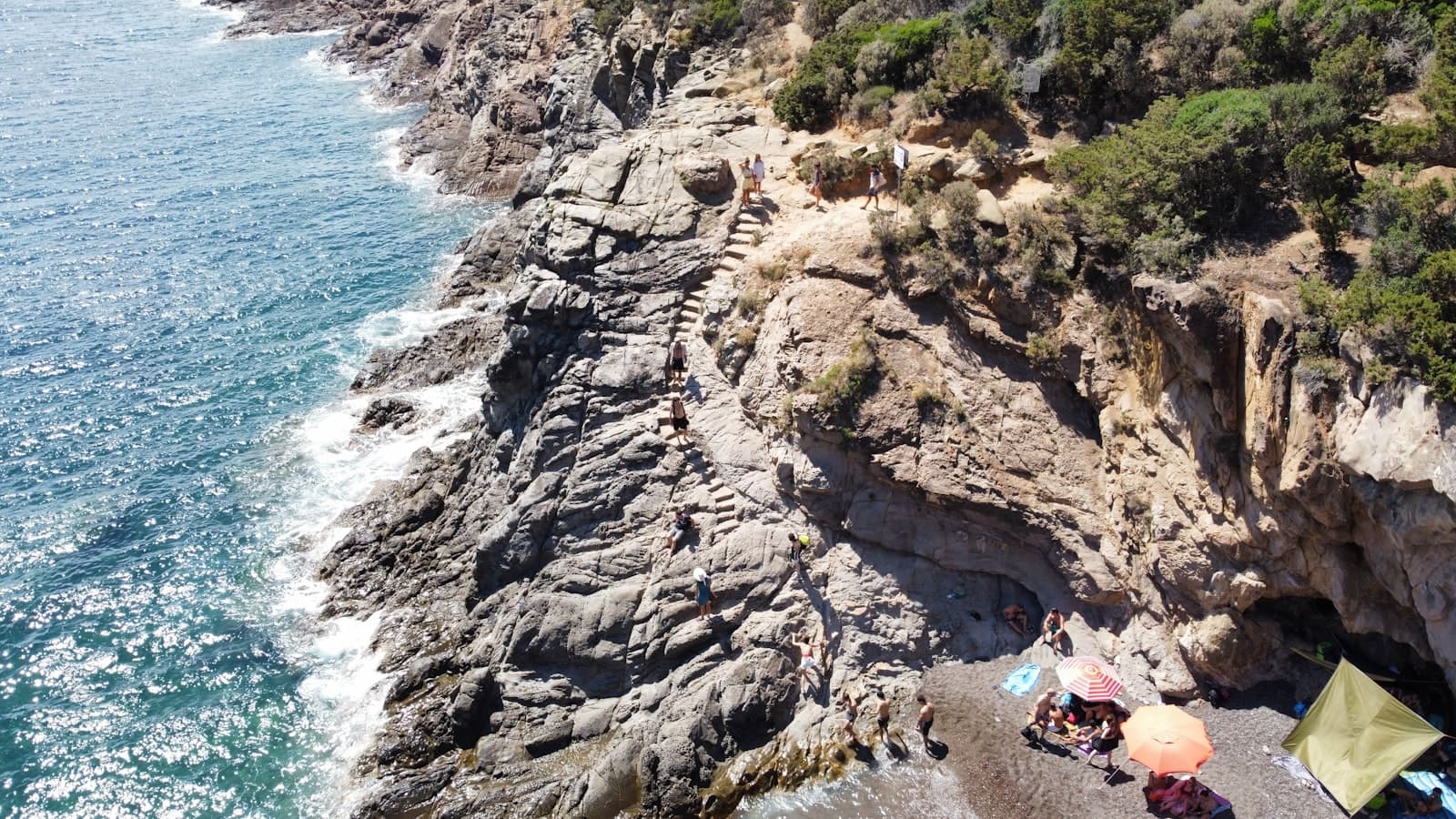
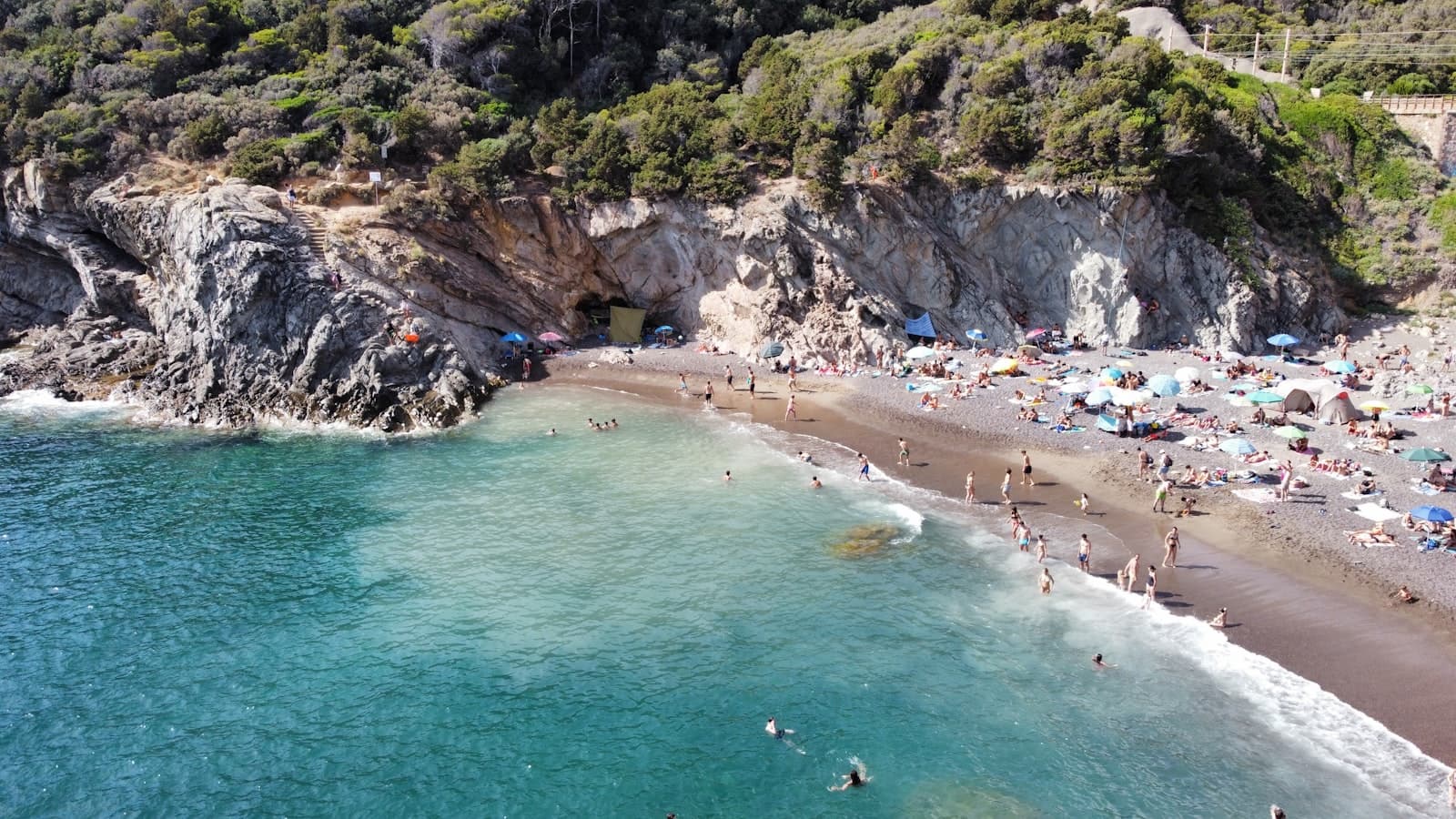
Lume heeft een ingebouwde augmented-reality-gids. Houd je telefoon omhoog: de camera toont de straat voor je, met een oplichtende pijl over het echte beeld die altijd naar je volgende stop wijst — geen kaart om uit te puzzelen, geen verkeerde afslagen. Zoals alles in Lume werkt het volledig offline.
Livorno, een boeiende havenstad aan de westkust van Toscane, biedt een ervaring die verschilt van de meer traditionele heuvelstadjes van de regio. Hoewel het misschien niet de schilderachtige middeleeuwse aantrekkingskracht heeft die elders in Toscane te vinden is, ligt de charme van Livorno in zijn aanzienlijke maritieme verleden, doelbewuste Renaissance-architectuur en dynamische multiculturele sfeer. Van zijn begin als een kleine vissersnederzetting, transformeerde Livorno tot een belangrijke haven onder de Medici-familie, en werd het een knooppunt voor internationale handel en een smeltkroes van culturen.
De stad, vaak 'het Venetië van Toscane' genoemd, onderscheidt zich door zijn ingewikkelde netwerk van kanalen, met name in de wijk Venezia Nuova, die een gevoel oproepen van de iconische kanaalstad van Noord-Italië. Dit unieke stedelijke landschap, in combinatie met zijn historische verdedigingswerken en een levendige hedendaagse cultuur, maakt Livorno tot een intrigerende bestemming voor wie een ander facet van het Italiaanse leven zoekt.
Het verhaal van Livorno gaat terug tot de oudheid, met het gebied dat voor het eerst werd genoemd als 'Livorno' in 1017. Oorspronkelijk een klein vissersdorp, stimuleerde de strategische ligging aan de Ligurische Zee de vroege evolutie ervan. Gedurende de Middeleeuwen werd het geregeerd door de Republiek Pisa, vervolgens verkocht aan Milaan in 1399, Genua in 1407, en uiteindelijk aan Florence in 1421, waar het de daaropvolgende drie eeuwen onder het bewind van de Medici bleef.
De ware bloei van de stad begon in de 16e eeuw onder de Medici-familie. Groothertog Francesco I vertrouwde architect Bernardo Buontalenti de opdracht toe om Livorno eind 16e eeuw te ontwerpen als een 'ideale stad', met een rasterachtige structuur, brede lanen en functionele kanalen. Deze innovatieve stadsplanning trachtte de humanistische idealen van schoonheid, orde en praktische bruikbaarheid te belichamen. In 1591 verklaarde Ferdinando I de' Medici Livorno tot een vrije haven, een cruciaal moment dat handelaren en diverse gemeenschappen aantrok - waaronder Grieken, Joden, Armeniërs en Nederlanders - wat bijdroeg aan zijn kosmopolitische karakter en economische welvaart.
De bouw van aanzienlijke verdedigingswerken kenmerkte deze periode van expansie. De Fortezza Vecchia (Oude Vesting), gebouwd tussen 1521 en 1534, omvatte eerdere middeleeuwse structuren, waaronder een 11e-eeuwse donjon en een 14e-eeuwse Pisanse vesting. De Fortezza Nuova (Nieuwe Vesting), gebouwd tussen 1590 en 1607, versterkte de verdediging van de stad verder. Deze forten, samen met de pentagonale stadsmuren en de bevaarbare Mediceïsche grachten, waren integraal onderdeel van Buontalenti's visie.
Livorno bloeide als vrije haven van 1675 tot het in 1860 deel ging uitmaken van het Koninkrijk Italië, hoewel zijn handelsbetekenis in de 19e eeuw afnam na het verlies van deze status. De stad kende aanzienlijke groei en welvaart in de 19e eeuw, met de aanleg van nieuwe infrastructuur zoals het aquaduct van Colognole en het Cisternone.
Livorno liep aanzienlijke schade op tijdens de bombardementen van de Tweede Wereldoorlog vanwege zijn strategische belang als marinebasis en handelshaven. Veel historische gebouwen, waaronder de kathedraal en de synagoge, werden verwoest of zwaar beschadigd. De stad heeft sindsdien aanzienlijke wederopbouw en restauratie ondergaan, waarbij de kathedraal opnieuw is opgebouwd en in 1962 een nieuwe synagoge is opgericht. Tegenwoordig is Livorno nog steeds een belangrijke Italiaanse zeehaven en een vitaal commercieel centrum in de Middellandse Zee.
Begin uw verkenning bij de Fortezza Vecchia, de Oude Vesting, die aan de rand van de Medici-haven ligt. Deze indrukwekkende vesting, met oorsprong die teruggaat tot de 11e eeuw, biedt een kijkje in het begin van Livorno en biedt uitzicht op de Tyrreense Zee. In de buurt nodigt het Venezia Nuova district, een 17e-eeuwse wijk gebouwd door Venetiaanse ambachtslieden, uit tot rustige wandelingen langs de kanalen en bruggen, een weerspiegeling van het handelsverleden van de stad. Overweeg een boottocht door deze waterwegen voor een uniek perspectief.
Voor een weids uitzicht op zee bezoekt u de Terrazza Mascagni, een grote schaakbordpromenade langs de kust. Dit uitgestrekte plein, versierd met 4.000 zuilen, is een favoriete plek voor zowel de lokale bevolking als bezoekers, vooral bij zonsondergang. De Mercato Centrale (Centrale Markt) is essentieel voor foodliefhebbers, een uitgestrekte 19e-eeuwse ijzeren en glazen structuur met meer dan 200 kraampjes die verse vis, lokale producten en Toscaanse specialiteiten aanbieden. Vergeet niet het Museo Civico Giovanni Fattori, gelegen in Villa Fabbricotti, te bezoeken, waar schilderijen van Giovanni Fattori en andere kunstenaars worden tentoongesteld. De Fortezza Nuova, of Nieuwe Vesting, nu een openbaar park, is een andere historische vesting die de moeite waard is om te verkennen.
Livorno heeft een mild zeeklimaat zonder uitgesproken droge seizoenen. De meest gunstige tijden om te bezoeken zijn het late voorjaar (mei-juni) en het vroege najaar (september). Gedurende deze maanden is het weer aangenaam om te wandelen en te fietsen, en zijn er minder drukte. De zomer (juli-augustus) is het hoogseizoen voor toerisme, met warme tot hete temperaturen rond de 28°C en aangename zeebriesjes. Hoewel het warm kan zijn, is het over het algemeen minder extreem dan in het binnenland van Toscane, waardoor het geschikt is voor strandactiviteiten. De regenval is het laagst in juli.
Livorno is goed verbonden en gemakkelijk bereikbaar. Het treinstation van Livorno biedt goede verbindingen met Florence en Pisa, waardoor het handig is voor zowel korte bezoeken als langere verblijven. Als u over zee aankomt, vaart u rechtstreeks de historische Medici-haven binnen. Het compacte centrum van de stad en het district Venezia Nuova kunnen het beste te voet worden verkend. Openbaar vervoer is beschikbaar om verder weg gelegen attracties te bereiken. Voor degenen die dagtochten plannen, is Livorno een uitstekende uitvalsbasis om nabijgelegen Toscaanse hoogtepunten zoals Lucca en Pisa te verkennen, beide minder dan een uur rijden. De stad dient ook als toegangspoort voor veerboten naar eilanden zoals Capraia. De lokale keuken, met name de visgerechten, is een hoogtepunt, met veel restaurants die verse vangsten aanbieden.
Livorno — Koreaans, Chinees, Hebreeuws en nog 29 talen, elke stop verteld door een moedertaalspreker. Het grootste taalaanbod van alle zelfgeleide audiotours.
Beschikbaar in: