El río Ciuffenna
El río que da a Loro Ciuffenna la mitad de su nombre no es solo un telón de fondo escénico; guarda un secreto de la propia identidad del pueblo.
La historia completa se desbloquea en el tour
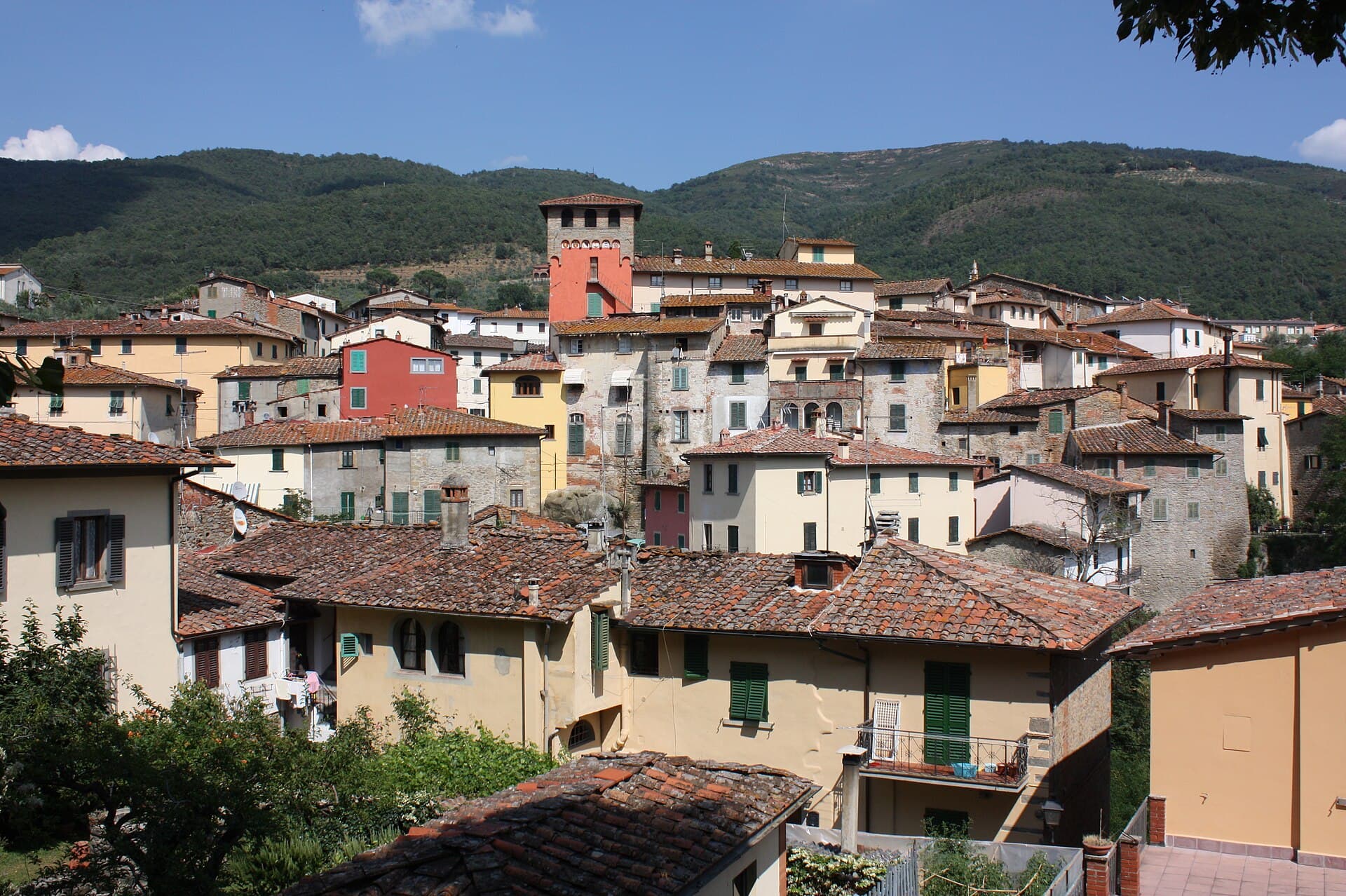 Grzegorz Gołębiowski / cc by-sa 3.0, via Wikimedia Commons
Tour de audio autoguiado de Loro Ciuffenna — ruta GPS a pie, reproducción offline, narración en 32 idiomas.
“Donde los molinos antiguos aún giran y los ecos romanos perduran junto a un arroyo impetuoso.”
No las postales. Las historias que ni los locales conocen — al oído, justo donde ocurrieron.
El río que da a Loro Ciuffenna la mitad de su nombre no es solo un telón de fondo escénico; guarda un secreto de la propia identidad del pueblo.
Uno de los molinos de agua en funcionamiento más antiguos de la Toscana todavía opera aquí, pero su función perdurable apunta a un producto tradicional específico.
Justo a las afueras del pueblo, una iglesia románica guarda capas de historia bajo sus cimientos, insinuando prácticas espirituales mucho más antiguas.
Descubre todos los secretos de Loro Ciuffenna
Cada dirección, cada revelación al completo — a tu oído, justo donde ocurrió.
Eliges tus paradas. Caminas. La voz te revela lo que los demás ignoran.


Tu tour de audioguía por Loro Ciuffenna te espera — elige tus lugares, tu idioma y empieza al llegar.
ComprarLume incluye una guía de realidad aumentada. Levanta el móvil y su cámara muestra la calle que tienes delante, con una flecha luminosa sobre la imagen real que siempre apunta a tu próxima parada — sin mapas que descifrar, sin giros equivocados. Como todo en Lume, funciona completamente sin conexión.
Loro Ciuffenna, un pueblo medieval en la Toscana, se aferra dramáticamente a los acantilados donde el arroyo Ciuffenna excava una garganta en el paisaje. Las casas de piedra se elevan desde la roca, conectadas por un antiguo puente románico, creando una escena cautivadora. Este no es un lugar que exija atención; más bien, te invita a bajar el ritmo, a pasear por sus callejones estrechos y empedrados, y a escuchar el murmullo constante del agua de abajo.
Situado en el Valdarno Superiore, en las laderas de las montañas de Pratomagno, Loro Ciuffenna ofrece una mezcla de encanto histórico, belleza natural y una sensación tangible de un pasado que sigue vivo en su arquitectura y tradiciones bien conservadas. Es un lugar donde el aroma de la harina fresca de castaña puede mezclarse con el aroma del laurel silvestre, y donde cada giro revela una nueva perspectiva del antiguo puente, el arroyo impetuoso o las dramáticas formaciones geológicas conocidas como las Balze que rodean el pueblo.
## Fundaciones Etruscas y Romanas Los orígenes de Loro Ciuffenna se remontan a la época etrusca, con evidencia arqueológica que sugiere un asentamiento permanente ya en el siglo IV a.C. Se cree que el propio nombre 'Ciuffenna' es de origen etrusco, derivado del nombre personal romano Clufennius, vinculando el pueblo a su profundo pasado antiguo. La zona era estratégicamente importante, ya que se encontraba a lo largo de la antigua Cassia Vetus, conocida hoy como Via Setteponti (la carretera de los siete puentes), que conectaba las ciudades romanas de Fiesole y Arezzo.
## Florecimiento Medieval Aunque las influencias etruscas y romanas son evidentes, el carácter más visible del pueblo es medieval. Loro Ciuffenna se menciona en documentos ya en el año 939 d.C., y en 1050, el nombre 'Loro' (derivado del latín 'laurus' para laurel) ya estaba en uso. El pueblo se desarrolló alrededor de un castillo fortificado, con muros defensivos construidos directamente sobre la garganta del Ciuffenna. Durante siglos, el pueblo fue un punto de contención entre poderosas familias feudales como los Ubertini y los condes Guidi, que tenían jurisdicción sobre el territorio. Sin embargo, en 1293, Florencia afirmó su control, revocando la jurisdicción de los Guidi e invirtiendo recursos en modernizar y expandir el pueblo, reconociendo su importancia estratégica debido a su proximidad a Florencia, la fértil llanura del Valdarno y la carretera Cassia.
## Tradiciones Duraderas A pesar del paso del tiempo y de varios gobernantes, Loro Ciuffenna ha mantenido gran parte de su trazado y encanto medievales. El icónico puente románico, todavía perfectamente transitable, y el antiguo molino de agua, que data de alrededor del año 1100 y todavía muele harina de castaña hoy en día, son testimonios de las tradiciones duraderas del pueblo. La Torre del Reloj, que una vez fue una puerta defensiva, ahora sirve como un hito prominente. El centro histórico del pueblo, con sus calles estrechas y sinuosas y sus casas de piedra, ofrece una conexión tangible con el pasado.
Comience su exploración en el Puente Románico, un solo arco de piedra que se extiende elegantemente sobre el arroyo Ciuffenna. Es un lugar ideal para fotografías, ofreciendo vistas del agua agitada de abajo y las casas aferradas a la garganta. Desde aquí, pase por la Porta dell'Orologio (Torre del Reloj), que una vez fue una puerta defensiva medieval, hacia el corazón del centro histórico.
Pasee por Via Dante, la arteria principal, y adéntrese en los estrechos callejones empedrados del antiguo barrio de Fondaccio, donde antaño prosperaron los talleres artesanos. Visite el Antiguo Molino de Agua, uno de los molinos en funcionamiento más antiguos de la Toscana, que todavía se utiliza para moler harina de castaña. A menudo se puede presenciar el proceso de molienda tradicional. La Iglesia de Santa Maria Assunta, situada en una tranquila plaza, fue una vez la capilla del castillo de los Condes Guidi y alberga importantes obras de arte, incluido un políptico de Lorenzo di Bicci.
Para los entusiastas del arte, el Museo Venturino Venturi en el Ayuntamiento exhibe esculturas y dibujos del artista contemporáneo nacido en Loro Ciuffenna. Justo a las afueras del pueblo, a poca distancia en coche o a pie, se encuentra la Pieve di San Pietro a Gropina, una obra maestra de la arquitectura románica conocida por sus capiteles intrincadamente tallados y un raro púlpito del siglo VIII. No se pierda las singulares formaciones geológicas conocidas como Las Balze en la zona circundante del Valdarno, dramáticos acantilados de arcilla y arena que ofrecen paisajes cautivadores.
Las épocas más agradables para visitar Loro Ciuffenna son durante la primavera (abril a junio) y el otoño (septiembre y octubre). Durante estos meses, el clima es templado, ideal para explorar el pueblo y su belleza natural circundante. La primavera trae colinas verdes y vibrantes, mientras que el otoño transforma los bosques de Pratomagno en tonos dorados, con el aire a menudo llevando el aroma de las castañas asadas. Los veranos pueden ser cálidos, pero la elevación del pueblo y el arroyo cercano ofrecen cierto alivio, y a menudo se celebran festivales locales. El invierno es más tranquilo, ofreciendo una experiencia más serena para aquellos que buscan soledad.
Loro Ciuffenna se encuentra en la provincia de Arezzo, a unos 40 kilómetros de Florencia. Si conduce, tome la salida Valdarno de la A1 (Autostrada del Sole) y siga las indicaciones durante aproximadamente 8 kilómetros. La estación de tren más cercana es Montevarchi, a unos 15 minutos, con conexiones de autobús o taxi al pueblo. Los aeropuertos más cercanos son el Amerigo Vespucci (FLR) de Florencia y Pisa (PSA).
El centro histórico es en gran parte peatonal, así que planifique estacionar al pie del pueblo y explorar a pie. Medio día es suficiente para ver los principales lugares de interés dentro del pueblo, incluyendo el molino y la Torre del Reloj. Sin embargo, para experimentar plenamente la cercana Pieve de Gropina o las Balze, se recomienda un día completo o incluso una estancia de una noche para permitir un ritmo más lento y disfrutar de los alrededores. Los zapatos cómodos son esenciales para navegar por las calles empedradas y los posibles senderos para caminar.
Loro Ciuffenna en coreano, en chino o en hebreo — y 29 idiomas más, cada parada narrada por una voz nativa. La mayor variedad de idiomas de cualquier audioguía autoguiada.
Disponible en: