Le Rocher en Larmes de Niobé
Une formation rocheuse à Manisa semble pleurer, et les habitants attribuent cela aux larmes d'une mère au cœur brisé de la mythologie grecque.
L'histoire complète se débloque dans le tour
 Dosseman / CC BY-SA 4.0, via Wikimedia Commons
Visite audio autoguidée de Manisa — parcours GPS à pied, lecture hors ligne, narration en 32 langues.
“Là où les mythes anciens résonnent des rochers en larmes et où les mères de sultans inspirent de douces traditions.”
Pas les cartes postales. Les histoires que même les habitants ignorent — soufflées à l'oreille, là où elles se sont passées.
Une formation rocheuse à Manisa semble pleurer, et les habitants attribuent cela aux larmes d'une mère au cœur brisé de la mythologie grecque.
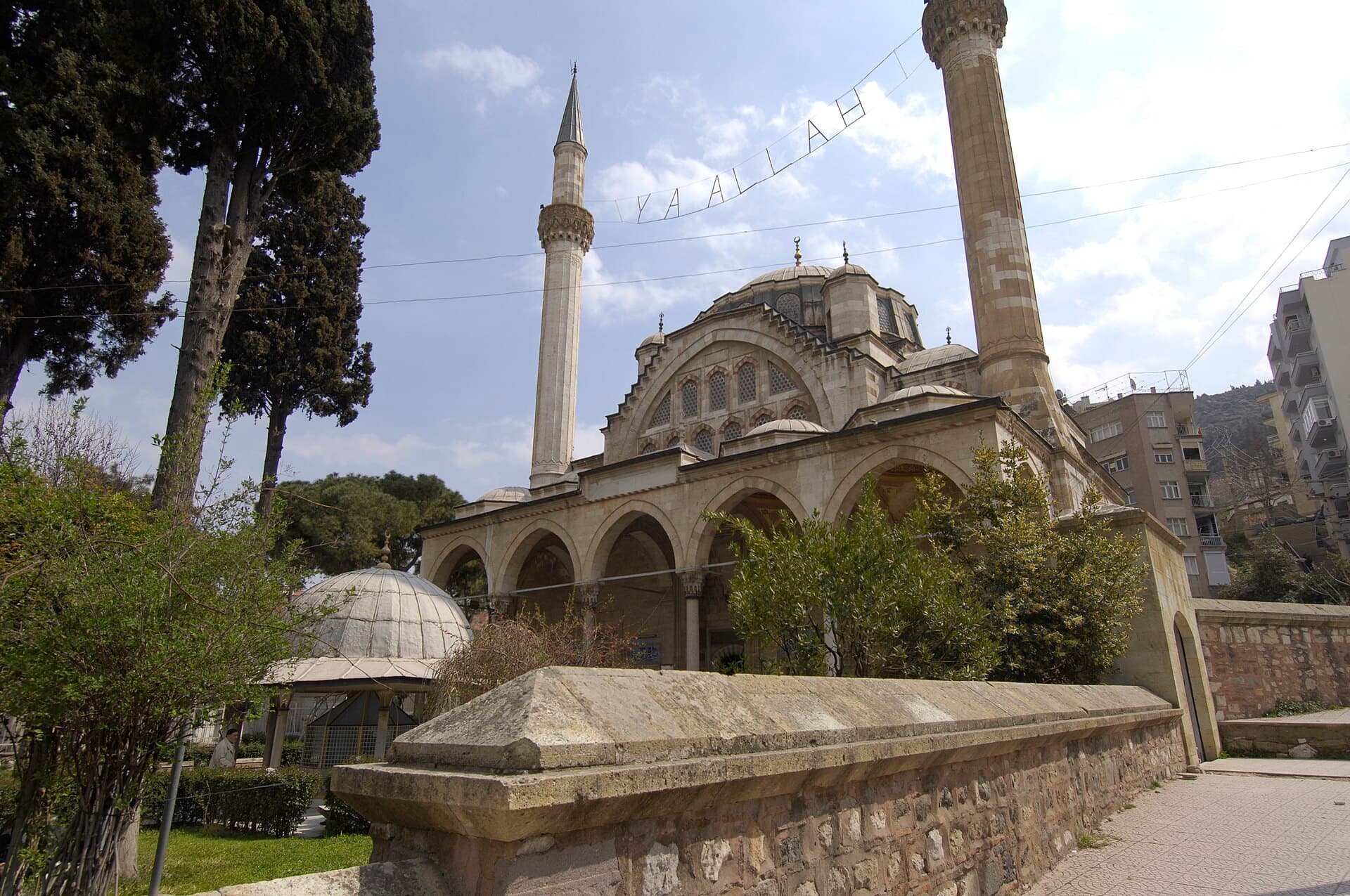
Chaque printemps, des milliers de personnes se rassemblent à la Mosquée du Sultan de Manisa pour une tradition séculaire impliquant une pâte spéciale dispersée depuis les minarets.
En haut du Mont Spil, on peut rencontrer des chevaux sauvages en liberté, un spectacle qui confère une qualité mystique à cet ancien paysage.
Découvrez tous les secrets de Manisa
Chaque adresse, chaque révélation en entier — dans ton oreille, là où elle s'est passée.
Tu choisis tes lieux. Tu marches. La voix te révèle ce que les autres ignorent.
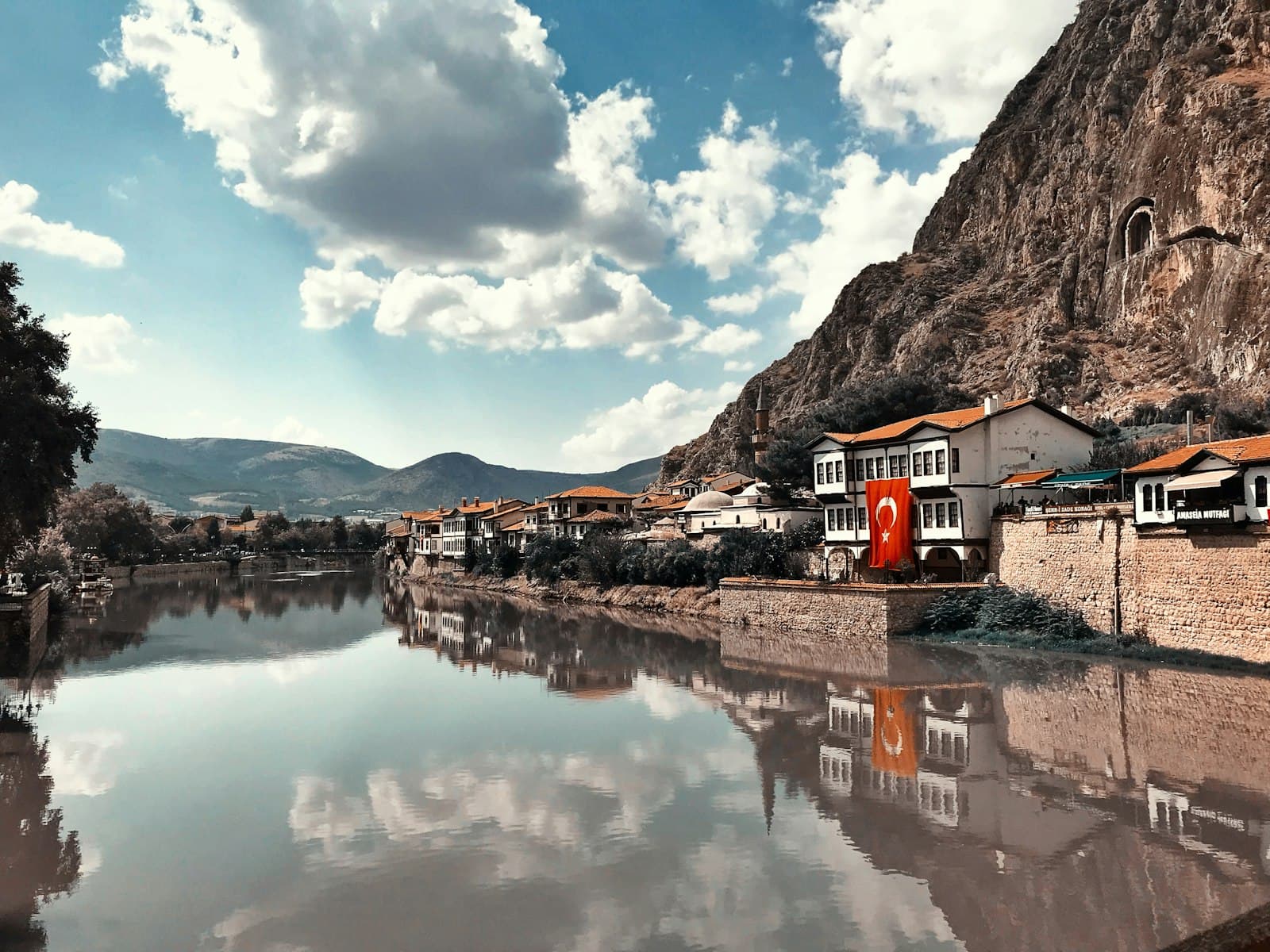
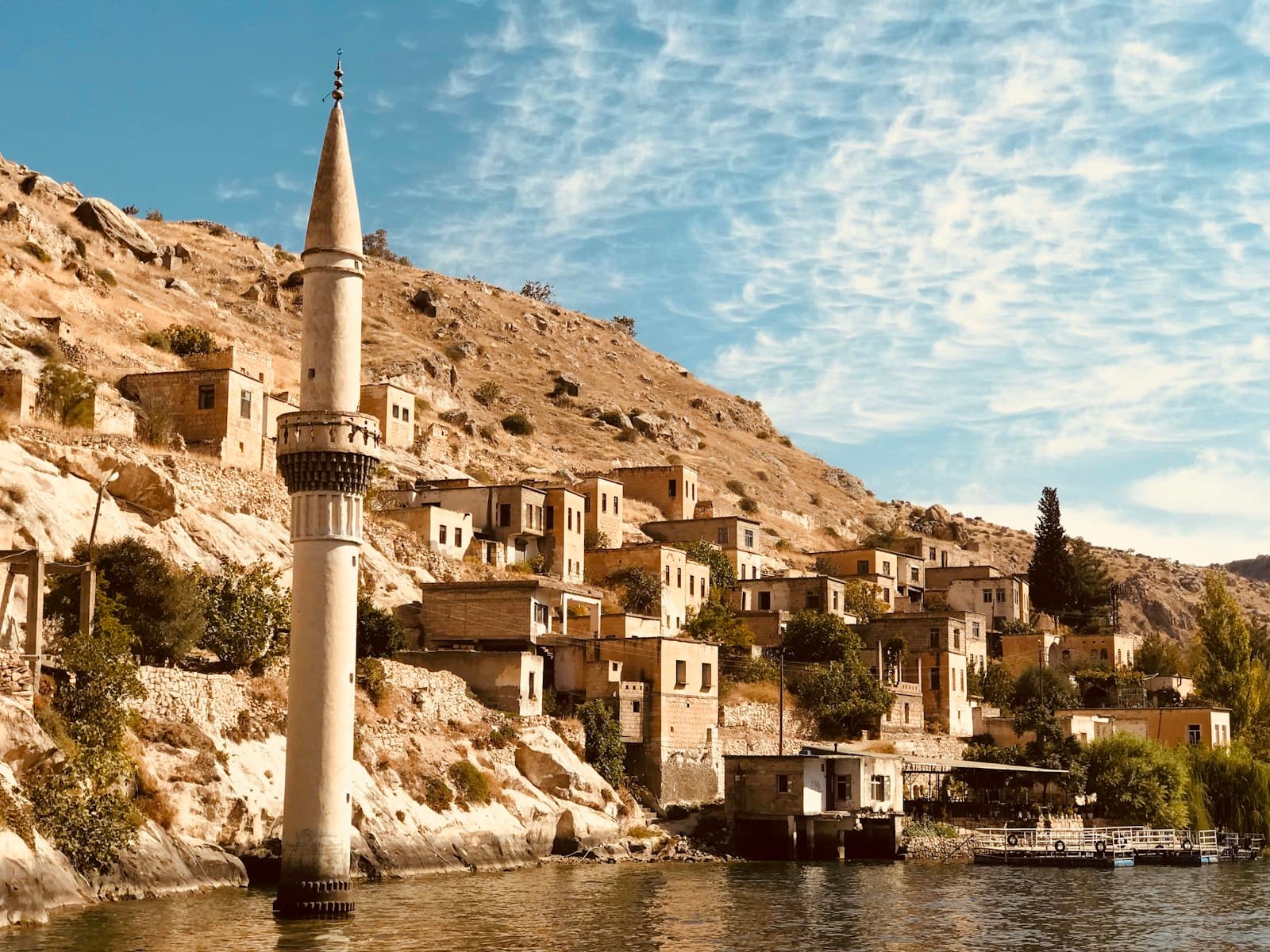
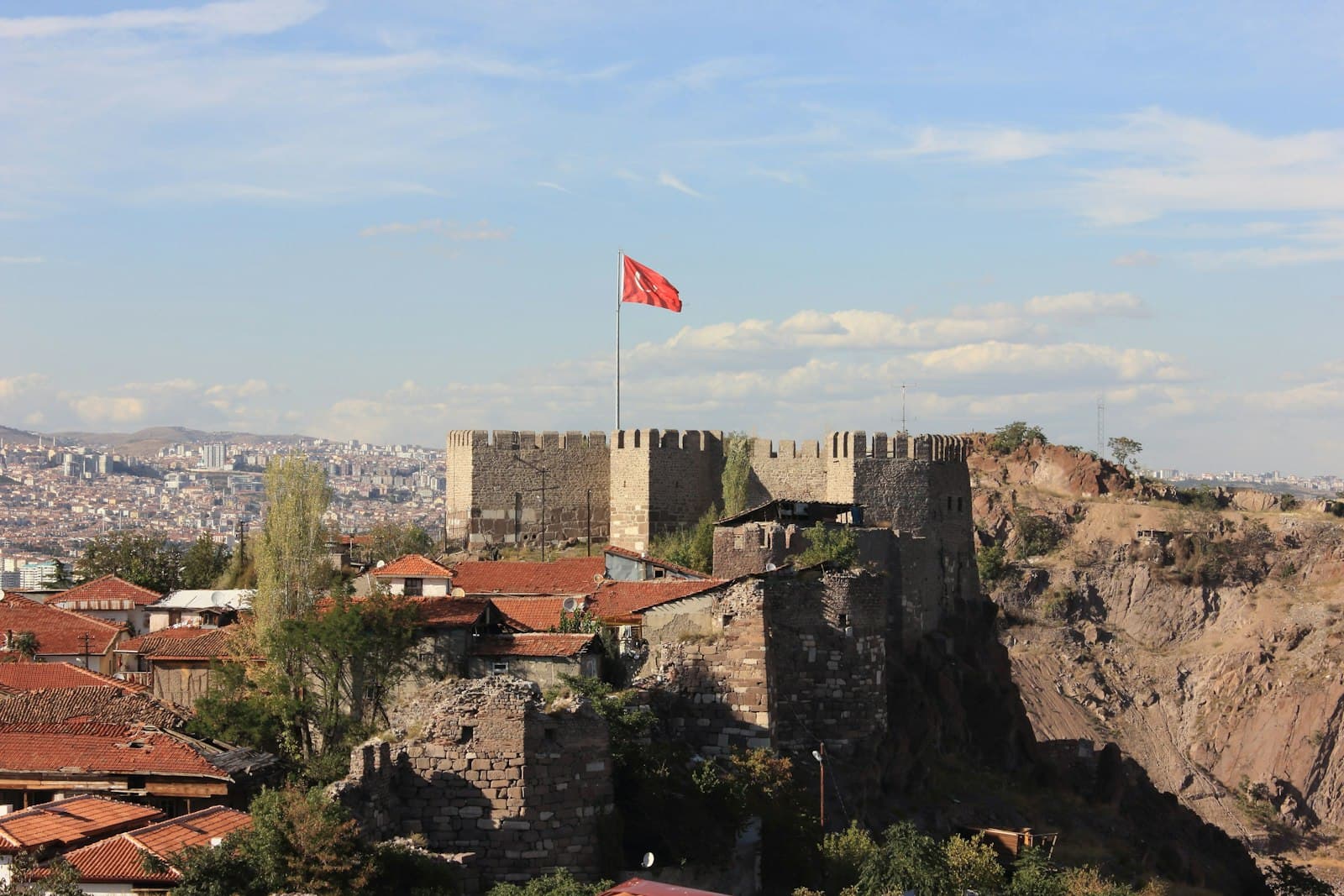
Votre visite audioguidée de Manisa vous attend — choisissez vos lieux, votre langue, et lancez-vous dès votre arrivée.
AcheterLume intègre un guide en réalité augmentée. Levez votre téléphone : sa caméra montre la rue devant vous, avec une flèche lumineuse posée sur l'image réelle qui pointe toujours vers votre prochain arrêt — aucune carte à déchiffrer, aucun mauvais virage. Comme tout dans Lume, ça fonctionne entièrement hors-ligne.
Manisa, une ville de l'ouest de la Turquie, offre un voyage fascinant à travers des millénaires d'histoire et de mythes. Située dans la fertile vallée de la rivière Gediz, au pied du magnifique mont Spil, Manisa mélange harmonieusement un grand héritage ottoman avec le rythme dynamique d'un centre industriel moderne. Connue dans l'Antiquité sous le nom de Magnésie du Sipyle, sa position stratégique lui a assuré à la fois une prospérité économique et son rôle de plaque tournante militaire et administrative importante.
Du Royaume de Lydie, crédité de l'invention de la monnaie, à son rôle central en tant que terrain d'entraînement pour les futurs sultans ottomans, le passé de Manisa est profondément lié au destin des grandes civilisations. Aujourd'hui, la ville captive les visiteurs par sa propreté, ses parcs bien entretenus et son atmosphère accueillante, invitant les voyageurs à s'immerger dans la vie turque authentique loin des foules du tourisme de masse.
L'histoire de Manisa, initialement connue sous le nom de Magnésie du Sipyle, remonte à la haute Antiquité, sa fondation étant attribuée à la tribu des Magnètes de Thessalie vers le XIIe siècle av. J.-C. La ville fit partie du Royaume de Lydie avant de tomber sous la domination des Perses, des Romains et des Byzantins. Un moment charnière de son histoire ancienne fut la bataille de Magnésie en 190 av. J.-C., où l'armée romaine défit de manière décisive l'Empire séleucide, consolidant l'influence de Rome en Asie Mineure. La ville fut ensuite dévastée par un puissant tremblement de terre en 17 ap. J.-C., sa reconstruction étant supervisée par l'empereur romain Tibère.
En 1313, le commandant turc Sarukhan Bey s'empara de la ville aux Byzantins, en faisant la capitale de son beylik (émirat), les Sarukhanides, et la rebaptisant Manisa. Manisa devint officiellement partie de l'Empire ottoman vers 1410. Pendant l'ère ottomane, Manisa acquit une immense importance, gagnant le titre officieux de « Şehzadeler Şehri » (Ville des Princes). Elle servait de terrain d'entraînement traditionnel où les futurs héritiers du trône, y compris des sultans éminents comme Soliman le Magnifique et Mehmed le Conquérant, apprenaient l'art de gouverner. Cette période, en particulier les XVe et XVIe siècles, marqua un âge d'or pour l'architecture de Manisa, avec la construction de nombreuses mosquées, madrasahs et hôpitaux, dont beaucoup sont encore debout aujourd'hui.
Après l'incendie dévastateur de 1922, qui détruisit une partie importante de ses bâtiments historiques, Manisa connut une période de renaissance urbaine avec un nouveau plan d'urbanisme pendant la République turque. Dans les années 1960, la création de l'une des premières et des plus grandes zones industrielles organisées de Turquie transforma davantage Manisa en un puissant pôle industriel, attirant des investissements significatifs.
Commencez votre exploration dans le centre-ville, où de nombreux sites historiques sont accessibles à pied. La Mosquée Muradiye, un chef-d'œuvre élégant du XVIe siècle conçu par le célèbre architecte Mimar Sinan, est un spectacle captivant, connu pour sa décoration complexe et ses proportions harmonieuses. À proximité, la Mosquée du Sultan, construite pour Hafsa Sultan, mère de Soliman le Magnifique, est au centre du Festival annuel du Mesir Macunu.
Voyagez sur les pentes du mont Spil pour découvrir le Rocher en Larmes de Niobé (Ağlayan Kaya), une formation rocheuse naturelle pleine de mythologie grecque, où l'eau s'infiltre à travers la pierre, créant l'illusion de larmes. Pendant que vous êtes sur le mont Spil, explorez le Parc National du Mont Spil, une merveille naturelle offrant des sentiers de randonnée, une faune diversifiée et les tulipes endémiques de Manisa.
Pour une plongée plus profonde dans l'histoire, visitez le Musée de Manisa, qui abrite des artefacts de la région, y compris des découvertes de Sardes et d'Aigai. Ne manquez pas l'Ulu Cami (Grande Mosquée), la plus ancienne mosquée de la ville, construite en 1366 et incorporant des éléments de structures byzantines et romaines antérieures. À une courte distance en voiture, l'ancienne ville de Sardes, autrefois capitale du Royaume de Lydie, offre des ruines impressionnantes, notamment le Temple d'Artémis et une grande synagogue.
Manisa connaît un climat méditerranéen avec des étés chauds et secs et des hivers doux et humides. La période la plus agréable pour des températures confortables et des visites touristiques est le printemps (avril-mai) et l'automne (septembre-octobre). Pendant ces saisons intermédiaires, les températures sont agréables, il y a moins de monde et les conditions sont idéales pour explorer les sites historiques et profiter des activités de plein air. Le Festival annuel du Mesir Macunu a généralement lieu en mars ou avril, offrant une expérience culturelle animée. Les étés (juin-août) peuvent être très chauds, avec des températures dépassant souvent les 30°C, tandis que les hivers (décembre-février) sont doux mais peuvent être pluvieux.
Manisa est bien connectée et facilement accessible. Vous pouvez rejoindre la ville par la route et le rail, et elle se trouve à environ 40 km au nord-est d'Izmir, une grande ville avec un aéroport international, ce qui rend le voyage pratique. À Manisa, de nombreuses attractions principales du centre-ville sont accessibles à pied. Les taxis et les bus locaux sont facilement disponibles pour les longues distances ou les excursions vers des sites comme le Parc National du Mont Spil. La livre turque (TRY) est la monnaie locale. Bien que le turc soit la langue principale, l'anglais peut être compris dans les zones fréquentées par les visiteurs. Manisa propose une gamme d'options d'hébergement et d'expériences culinaires, y compris des cafés locaux servant des plats traditionnels et, pendant le festival, de la pâte de Mesir avec du café turc.
Manisa en coréen, en chinois ou en hébreu — et dans 29 autres langues, chaque étape narrée par une voix native. La plus large gamme de langues de tous les audioguides autoguidés.
Disponible en :