Cours Julien
Jenseits des historischen Hafens pulsiert ein Viertel mit einer anderen Art von Energie, wo die Mauern selbst Geschichten erzählen.
Die ganze Geschichte wird in der Tour freigeschaltet
 Earth777 / CC BY-SA 4.0, via Wikimedia Commons
Selbstgeführte Audio-Walking-Tour durch Marseille — GPS-Route, Offline-Wiedergabe, erzählerische Narration in 32 Sprachen.
“Marseille: Wo der mediterrane Puls auf alte Straßen trifft.”
Nicht die Postkarten. Die Geschichten, die selbst Einheimische nicht kennen – dir ins Ohr geflüstert, genau dort, wo sie geschahen.
Jenseits des historischen Hafens pulsiert ein Viertel mit einer anderen Art von Energie, wo die Mauern selbst Geschichten erzählen.
Marseille ist gleichbedeutend mit Pastis, aber nur wenige wissen, dass man in der letzten verbliebenen Fabrik der Stadt hinter die Kulissen der Produktion blicken kann.
Dieser ikonische Hafen ist seit Jahrtausenden ein geschäftiges Zentrum, aber ein seltsamer Vorfall mit einer Sardine brachte ihn einst zum Stillstand.
Entdecke jedes Geheimnis von Marseille
Jede Adresse, jede Enthüllung vollständig – in deinem Ohr, genau dort, wo es geschah.
Du wählst deine Stationen. Du gehst. Die Stimme enthüllt, was andere übersehen.
Deine selbstgeführte Audio-Tour durch Marseille ist bereit – wähle deine Sehenswürdigkeiten, deine Sprache und starte, sobald du ankommst.
KaufenLume enthält einen integrierten Augmented-Reality-Guide. Halten Sie Ihr Handy hoch: Die Kamera zeigt die Straße vor Ihnen, mit einem leuchtenden Pfeil über dem echten Bild, der immer auf Ihren nächsten Stopp zeigt — keine Karte zum Rätseln, keine falschen Abzweigungen. Wie alles bei Lume funktioniert es komplett offline.
Marseille, Frankreichs älteste und zweitgrößte Stadt, ist eine Hafenstadt an der Mittelmeerküste. Gegründet um 600 v. Chr. von griechischen Seefahrern aus Phokaia, erstreckt sich ihre Geschichte über 2.600 Jahre und macht sie zu einem Hort historischer Stätten und Artefakte. Die Stadt bietet eine einzigartige Mischung aus altem Erbe und zeitgenössischer Kultur, mit einer vielfältigen Bevölkerung, die von ihrer langen Geschichte als Schmelztiegel der Einwanderung und des Handels geprägt ist.
Oft als Stadt der Kontraste beschrieben, besitzt Marseille einen ausgeprägten Charakter, der sie von anderen französischen Städten unterscheidet. Ihre Straßen, Märkte und vielfältigen Viertel spiegeln einen Schmelztiegel der Kulturen aus Europa, Afrika und dem Nahen Osten wider. Von der Aktivität des Alten Hafens bis zur stillen Schönheit der Calanques lädt Marseille dazu ein, über die üblichen Touristenrouten hinauszugehen und verspricht ein authentisches und unvergessliches Erlebnis.
Die Stadt ist auch für ihre kulinarische Szene bekannt, deren Signaturengericht Bouillabaisse, ein traditioneller provenzalischer Fischtopf, hier seinen Ursprung hat. Neben ihren gastronomischen Köstlichkeiten ist Marseille eine Stadt, die Kunst, Kultur und Natur umarmt und eine breite Palette von Aktivitäten bietet, vom Erkunden von Straßenkunst bis zum Wandern in einem Nationalpark.
Marseilles Geschichte beginnt um 600 v. Chr., als griechische Seefahrer aus Phokaia (dem heutigen Türkei) einen Handelsposten namens Massalia an der Stelle des heutigen Alten Hafens gründeten. Diese frühe Siedlung entwickelte sich schnell zu einer bedeutenden griechischen Polis oder Stadtstaat, und über Jahrhunderte hinweg behielt Marseille eine starke griechische Identität, mit eigener Regierung, Währung und Sprache. Der Alte Hafen blieb bis ins 19. Jahrhundert das Herzstück der maritimen Aktivitäten, ein Zeugnis der anhaltenden Verbindung der Stadt zum Meer.
Im Laufe ihrer langen Geschichte war Marseille ein wichtiger Knotenpunkt für Handel und kulturellen Austausch, der Kaufleute und Reisende aus dem gesamten Mittelmeerraum anzog. Dieser ständige Zustrom verschiedener Kulturen hat den Charakter der Stadt tiefgreifend geprägt, was sich in ihrer Architektur, Küche und der einzigartigen Mischung aus Sprachen und Akzenten widerspiegelt, die auf ihren Straßen zu hören sind. Marseilles strategische Lage machte sie während des Römischen Reiches zu einem bedeutenden Akteur, der zur Verbreitung von Waren und Ideen in ganz Europa und im Mittelmeerraum beitrug.
In jüngerer Geschichte hat sich Marseille weiterentwickelt und ihre Rolle als wichtiger europäischer Hafen und Kulturzentrum angenommen. Die Stadt wurde 2013 zur Kulturhauptstadt Europas ernannt, eine Anerkennung ihrer dynamischen künstlerischen und kulturellen Szene. Heute ist Marseille stolz auf ihren Rang als zweitgrößte Stadt Frankreichs und bietet eine Reihe von Erlebnissen, die ihre alten Wurzeln mit einem zukunftsorientierten Geist verbinden.
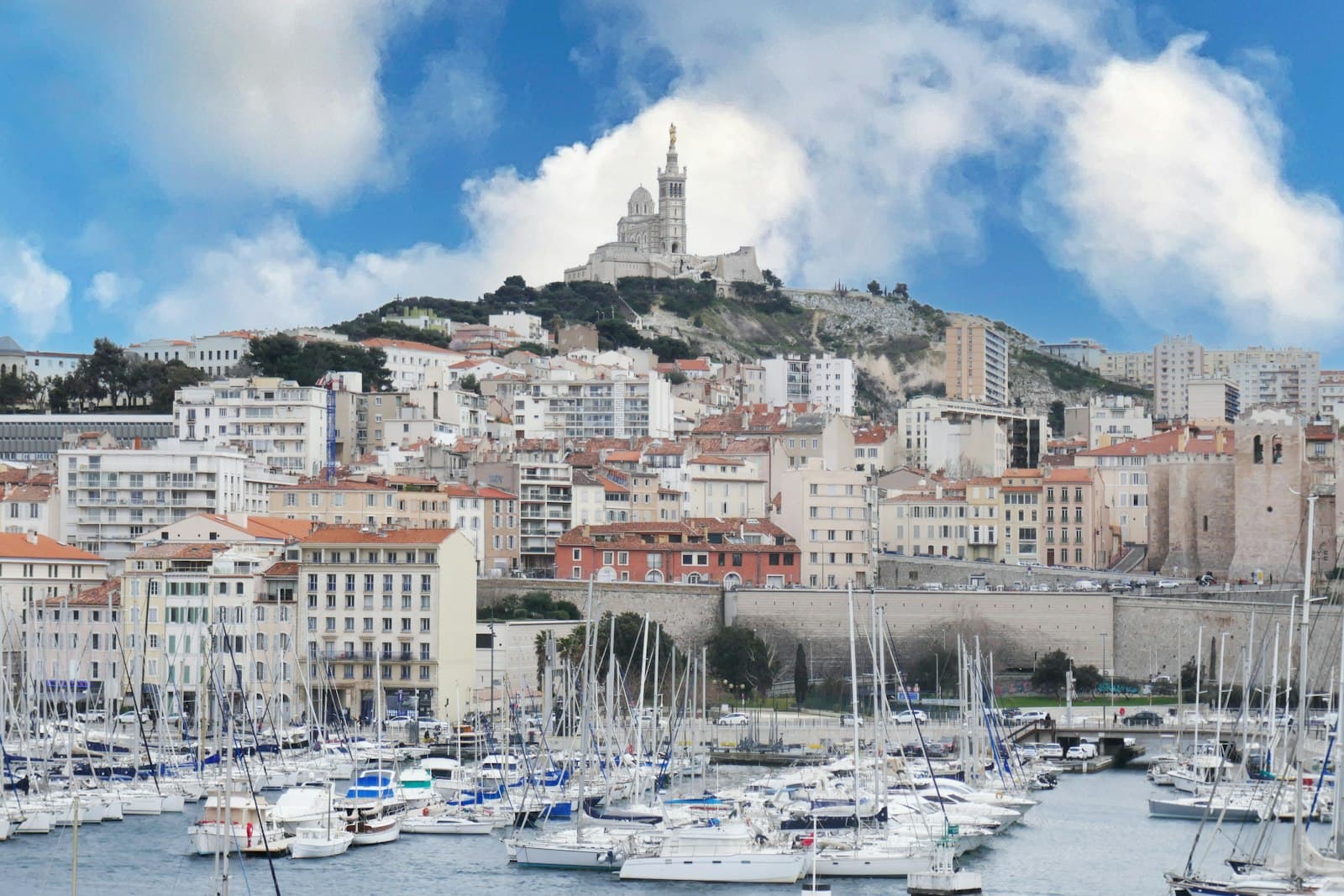
Beginnen Sie Ihre Erkundung am Vieux-Port (Alter Hafen), dem historischen Kern von Marseille, wo Fischer jeden Morgen ihren Fang direkt von ihren Booten verkaufen. Von hier aus schlendern Sie in Le Panier, das älteste Viertel der Stadt, ein Labyrinth aus verwinkelten Gassen, bunten Gebäuden und Straßenkunst, Heimat von Kunsthandwerkerwerkstätten und Kulturstätten wie der Vieille Charité.
Steigen Sie zur Basilique Notre-Dame de la Garde auf, liebevoll 'La Bonne Mère' (Die Gute Mutter) genannt. Diese ikonische Basilika bietet einen 360-Grad-Panoramablick über die Stadt, die Küste und das glitzernde Mittelmeer. Für Kunstliebhaber ist Cours Julien ein lohnender Besuch, ein künstlerisches Viertel, das eine sich ständig ändernde Darstellung von Straßenkunst und Graffiti neben unabhängigen Boutiquen und lebhaften Cafés zeigt.
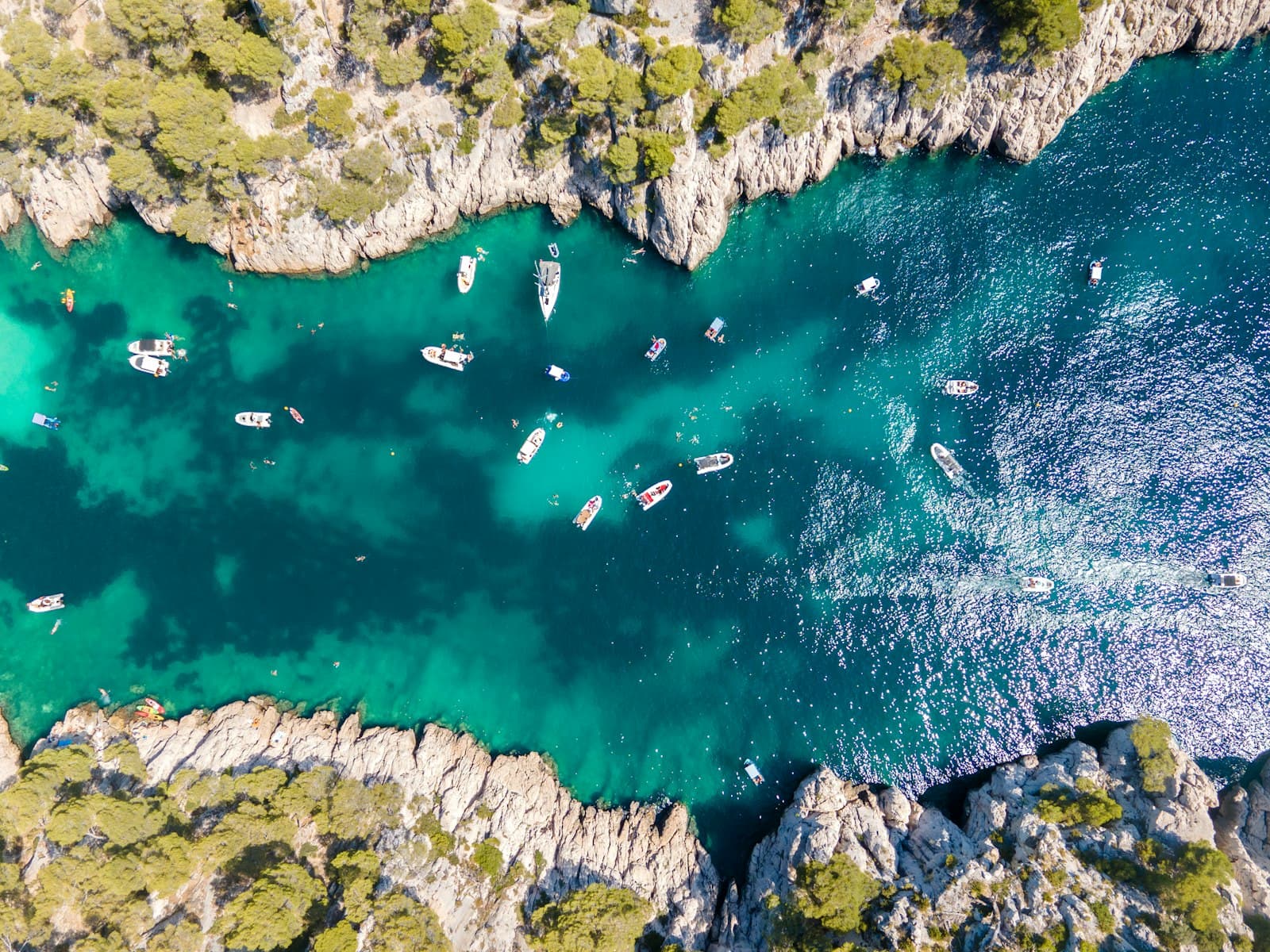
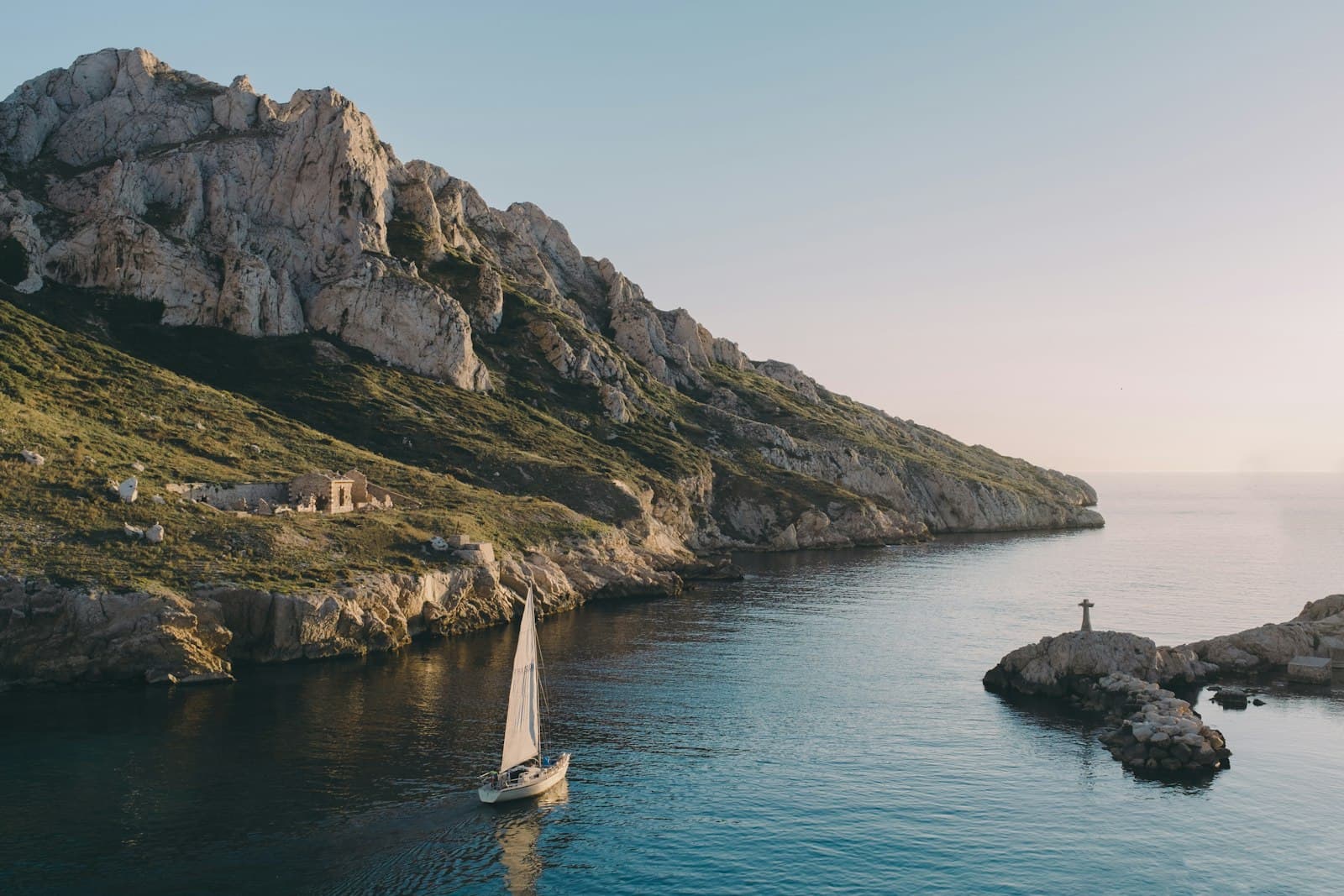
Entdecken Sie außerhalb des Stadtzentrums die natürliche Schönheit des Nationalparks Calanques, eine zerklüftete Küstenlinie mit Kalksteinklippen, türkisfarbenem Wasser und abgelegenen Buchten, ideal zum Wandern, Schwimmen oder Kajakfahren. Erwägen Sie eine Bootsfahrt zur Château d'If, der Inselfestung, die in Der Graf von Monte Christo verewigt ist, für einen Hauch von Geschichte und dramatische Ausblicke. Für ein einzigartiges kulturelles Erlebnis besuchen Sie La Friche de la Belle-de-Mai, eine ehemalige Tabakfabrik, die in einen dynamischen Kulturkomplex mit Ausstellungsräumen, Veranstaltungsorten und einer beliebten Dachterrassenbar mit Blick auf den Sonnenuntergang verwandelt wurde.
Marseille genießt ein mediterranes Klima mit viel Sonnenschein, was es zu einem ganzjährigen Reiseziel macht. Für eine ideale Balance zwischen angenehmen Temperaturen und weniger Menschenmassen sollten Sie einen Besuch im Frühling (März bis Mai) oder Herbst (September bis Oktober) in Betracht ziehen. Der Frühling bietet blühende Blumen und angenehmes Wetter für Besichtigungen, mit Durchschnittstemperaturen zwischen 15°C und 22°C. September gilt oft als der beste Monat insgesamt, mit warmen Meerestemperaturen, nachlassender Sommerhitze und einem spürbaren Rückgang der Touristenzahlen. Der Sommer (Juni bis August) ist perfekt für Strandaktivitäten, obwohl es heiß sein kann, mit täglichen Höchstwerten von oft über 30°C und größeren Menschenmengen. Die Winter sind mild, mit Durchschnittstemperaturen von etwa 7-12°C, geeignet für kulturelle Erkundungen und den Genuss der Museen der Stadt.
Marseille ist gut angebunden, mit dem Flughafen Marseille Provence (MRS), der internationale und europäische Flüge bedient. Der wichtigste Eisenbahnknotenpunkt der Stadt ist Marseille Saint-Charles, der Hochgeschwindigkeitszugverbindungen zu wichtigen französischen Städten bietet.
Der öffentliche Nahverkehr in Marseille wird von der Régie des Transports Métropolitains (RTM) verwaltet und umfasst zwei Metrolinien, drei Straßenbahnlinien und ein ausgedehntes Busnetz. Eine Einzelfahrkarte ist erschwinglich, und es sind Tages- oder 72-Stunden-Pässe für unbegrenzte Fahrten im gesamten Netz erhältlich. Fähren verkehren auch vom Alten Hafen zu verschiedenen Küstenpunkten und Inseln und bieten eine malerische Möglichkeit, sich fortzubewegen. Obwohl das Stadtzentrum zu Fuß erkundbar ist, werden bequeme Schuhe aufgrund unebener Bürgersteige und Hügel empfohlen.
Beachten Sie lokale Bräuche wie das 'quart d'heure marseillais', das einen entspannteren Umgang mit Pünktlichkeit nahelegt. Während schwere Verbrechen typischerweise außerhalb der Touristengebiete vorkommen, ist es ratsam, auf Taschendiebe an überfüllten Orten und in öffentlichen Verkehrsmitteln zu achten. Bargeld wird oft in kleineren Betrieben und einigen Pizzerien bevorzugt.
Marseille — Koreanisch, Chinesisch, Hebräisch und 29 weitere Sprachen, jede Station von einer muttersprachlichen Stimme erzählt. Die größte Sprachauswahl aller selbstgeführten Audiotouren.
Verfügbar auf: