Piazza Garibaldi y el Duomo
La plaza central del pueblo y su magnífica catedral juegan una astuta pasada a la vista.
La historia completa se desbloquea en el tour
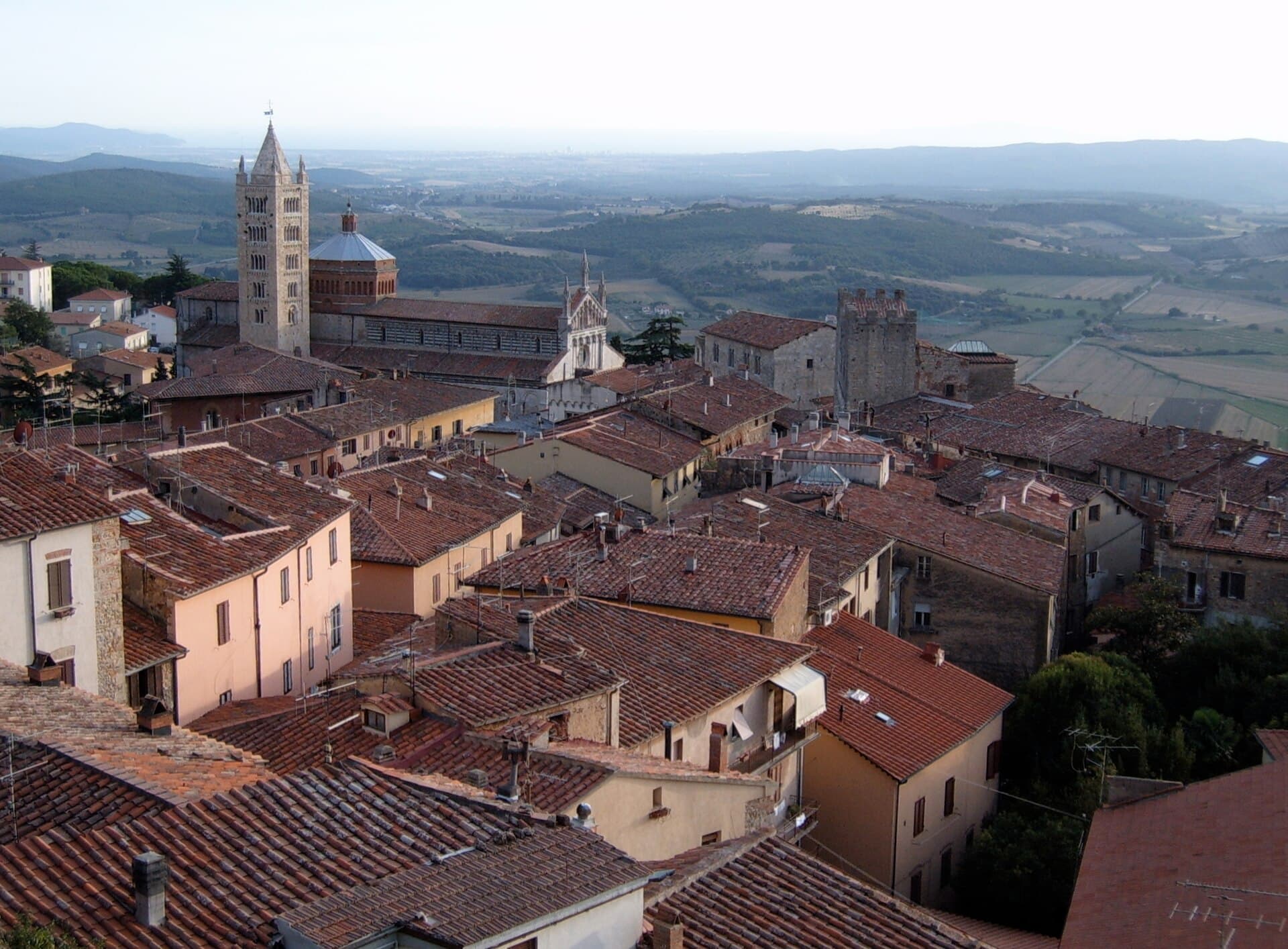 Markus Bernet / CC BY-SA 2.5, via Wikimedia Commons
Tour de audio autoguiado de Massa Marittima — ruta GPS a pie, reproducción offline, narración en 32 idiomas.
“Donde la grandeza medieval converge con el temple minero, y las historias ancestrales están grabadas en cada piedra.”
No las postales. Las historias que ni los locales conocen — al oído, justo donde ocurrieron.
La plaza central del pueblo y su magnífica catedral juegan una astuta pasada a la vista.
El santo patrón de Massa Marittima compartió sus viajes con unos compañeros bastante inusuales.
El nombre 'Marittima' podría sugerir proximidad al mar, sin embargo, las murallas defensivas de la ciudad ofrecen una pista sobre su verdadera identidad.
Descubre todos los secretos de Massa Marittima
Cada dirección, cada revelación al completo — a tu oído, justo donde ocurrió.
Eliges tus paradas. Caminas. La voz te revela lo que los demás ignoran.


Tu tour de audioguía por Massa Marittima te espera — elige tus lugares, tu idioma y empieza al llegar.
ComprarLume incluye una guía de realidad aumentada. Levanta el móvil y su cámara muestra la calle que tienes delante, con una flecha luminosa sobre la imagen real que siempre apunta a tu próxima parada — sin mapas que descifrar, sin giros equivocados. Como todo en Lume, funciona completamente sin conexión.
Massa Marittima, un cautivador pueblo medieval en una colina del sur de la Toscana, ofrece un viaje a través del tiempo. Su nombre, que se refiere a la región circundante de la Maremma en lugar del mar, sitúa a esta 'noble hija' de Pisa y Siena a unos 20 kilómetros tierra adentro, en medio de las ricas en minerales Colline Metallifere (Colinas Metalíferas). Su centro histórico bien conservado, coronado por la magnífica Piazza Garibaldi, es un testimonio de su pasado como próspera comuna libre.
Pasee por sus estrechos y sinuosos callejones, descubra antiguos edificios adornados con escudos de armas y absorba una atmósfera que se siente genuinamente vivida, un marcado contraste con algunos de los pueblos más turísticos de la Toscana. Massa Marittima es un lugar donde cada piedra respira historia, desde sus orígenes etruscos hasta su glorioso pasado minero, ofreciendo una singular mezcla de riqueza cultural y belleza natural.
## Desde Raíces Etruscas hasta una Metrópolis Minera La historia de Massa Marittima está profundamente entrelazada con la riqueza mineral de las circundantes Colline Metallifere, con evidencia de ocupación humana y minería que se remonta al Paleolítico y la Edad del Bronce, continuando a través de las eras etrusca y romana. El crecimiento significativo de la ciudad comenzó en los siglos IX al XI con la transferencia gradual de la sede episcopal de Populonia, una ciudad costera devastada por piratas. Esta reubicación confirió nueva importancia económica y social a Massa, lo que llevó a su designación como 'Ciudad'.
Los siglos XIII y XIV marcaron la edad de oro de Massa Marittima. Se convirtió en un municipio libre en 1225, afirmando plena autonomía política y experimentando una considerable expansión urbana. Durante este período, la prosperidad de la ciudad fue impulsada por sus minas de plata, cobre y pirita, lo que le permitió acuñar su propia moneda, el 'massetano grosso', y desarrollar uno de los códigos mineros más antiguos y completos de Europa en 1310, el Codice Minerario. Esta riqueza permitió la construcción de muchos de los impresionantes edificios civiles y religiosos que aún son visibles hoy, incluida la icónica Catedral de San Cerbone.
Sin embargo, esta prosperidad también atrajo la atención de poderosos vecinos. En 1335, Massa Marittima fue conquistada por Siena, lo que llevó a un período de declive económico y demográfico, exacerbado por epidemias y conflictos. Bajo el dominio sienés y más tarde mediceo, la actividad minera disminuyó y la malaria hizo estragos. Una reactivación parcial comenzó a finales del siglo XV y se consolidó significativamente en el siglo XVIII con los programas de recuperación de tierras iniciados por la familia Lorena, que revitalizaron la industria minera. Aunque la última mina cerró en 1994, Massa Marittima ha pasado desde entonces a una economía centrada en el turismo, celebrando su perdurable patrimonio artístico y minero.
Comience su exploración en el corazón de Massa Marittima, la Piazza Garibaldi de forma única, una maravilla medieval enmarcada por importantes edificios históricos. Dominando la plaza se encuentra la Catedral Románico-Gótica de San Cerbone, una maravilla arquitectónica con una sorprendente fachada asimétrica y una gran cantidad de arte en su interior, incluyendo una pila románica del siglo XIII y un relicario gótico. Adyacente a la catedral, encontrará el Palazzo del Podestà, sede del Museo Arqueológico, que exhibe artefactos etruscos, y el Palazzo Comunale, el ayuntamiento.
Adéntrese en el pasado industrial de la ciudad en el Museo Minero, una experiencia inmersiva ambientada en túneles del siglo XIX que recrean la vida de los mineros. Para disfrutar de amplias vistas de la campiña de la Maremma, ascienda la Torre del Candeliere, conectada a la Fortaleza Sienesa. No pase por alto las Fonti dell'Abbondanza, una antigua fuente pública de agua, para ver el intrigante fresco del 'Árbol de la Fertilidad'. El Museo de Arte Sacro en el Complesso Museale di San Pietro all'Orto alberga obras maestras medievales, incluida la Maestà de Ambrogio Lorenzetti. Para una escapada tranquila, visite el Lago Accesa, un parque arqueológico con ruinas etruscas.
Los momentos más agradables para visitar Massa Marittima son la primavera y principios de otoño (mayo, junio y septiembre). Durante estos meses, el clima es suave y cómodo para explorar las calles medievales de la ciudad y disfrutar de actividades al aire libre. El verano (julio y agosto) trae un ambiente animado con eventos como 'Lirica in Piazza' (Ópera en la Plaza) y la recreación histórica del Balestro del Girifalco, pero las temperaturas pueden ser cálidas, así que planee las visitas para las mañanas o últimas horas de la tarde. Los inviernos son frescos y parcialmente nublados, siendo enero el mes más frío.
Massa Marittima se encuentra en la provincia de Grosseto, aproximadamente a 50 kilómetros al norte de Grosseto y a 20 kilómetros de la costa. La estación de tren más cercana está en Follonica, a unos 20 kilómetros, desde donde se puede tomar un autobús o coche para llegar a la ciudad. Aunque el centro histórico es compacto y apto para peatones, hay zonas de aparcamiento disponibles alrededor del pueblo, y es aconsejable dejar el coche y explorar a pie. Use zapatos cómodos, especialmente si planea subir a las torres o explorar el terreno montañoso. Muchas tiendas y restaurantes locales se pueden encontrar a lo largo de Via Moncini y Via della Libertà. Generalmente, un día completo es suficiente para explorar los principales lugares de interés y museos, y algunos visitantes optan por pasar la noche para sumergirse por completo en la atmósfera.
Massa Marittima en coreano, en chino o en hebreo — y 29 idiomas más, cada parada narrada por una voz nativa. La mayor variedad de idiomas de cualquier audioguía autoguiada.
Disponible en: