Credit River
The Credit River, a central artery of Mississauga, holds a name that hints at a historical exchange, but it's not what you might expect.
Full story unlocks in the tour
 The Eloquent Peasant / CC BY 4.0, via Wikimedia Commons
Self-guided audio walking tour of Mississauga — GPS route, offline playback, story-driven narration in 32 languages.
“Where modern aspirations meet ancient riverways.”
Not the postcards. The stories even locals don't know — whispered in your ear, right where they happened.
The Credit River, a central artery of Mississauga, holds a name that hints at a historical exchange, but it's not what you might expect.
Mississauga's largest park, Erindale, conceals a watery past that dramatically reshaped its landscape.
This affluent residential area began as a fashionable retreat for city dwellers, but its name has a surprising double meaning.
Discover every secret of Mississauga
Every address, every reveal in full — in your ear, right where it happened.
You pick your stops. You walk. The voice reveals what the others miss.

Your self-guided audio tour of Mississauga is ready — pick your landmarks, choose your language, and start the moment you arrive.
BuyLume has a built-in augmented-reality guide. Hold your phone up and its camera shows the street ahead of you, with a glowing arrow laid over the real view that always points to your next stop — no map to puzzle over, no wrong turns. Like everything in Lume, it works fully offline.
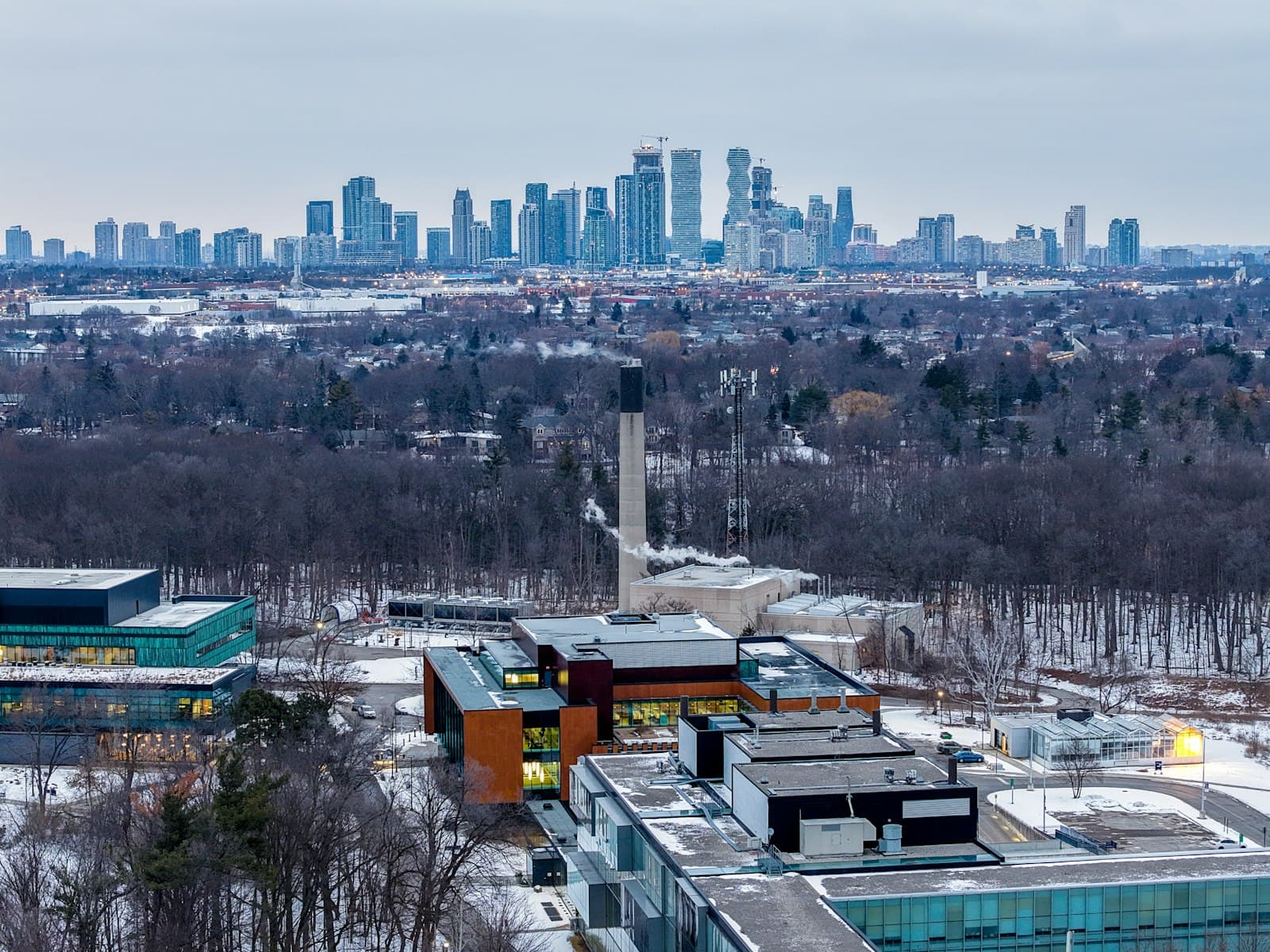
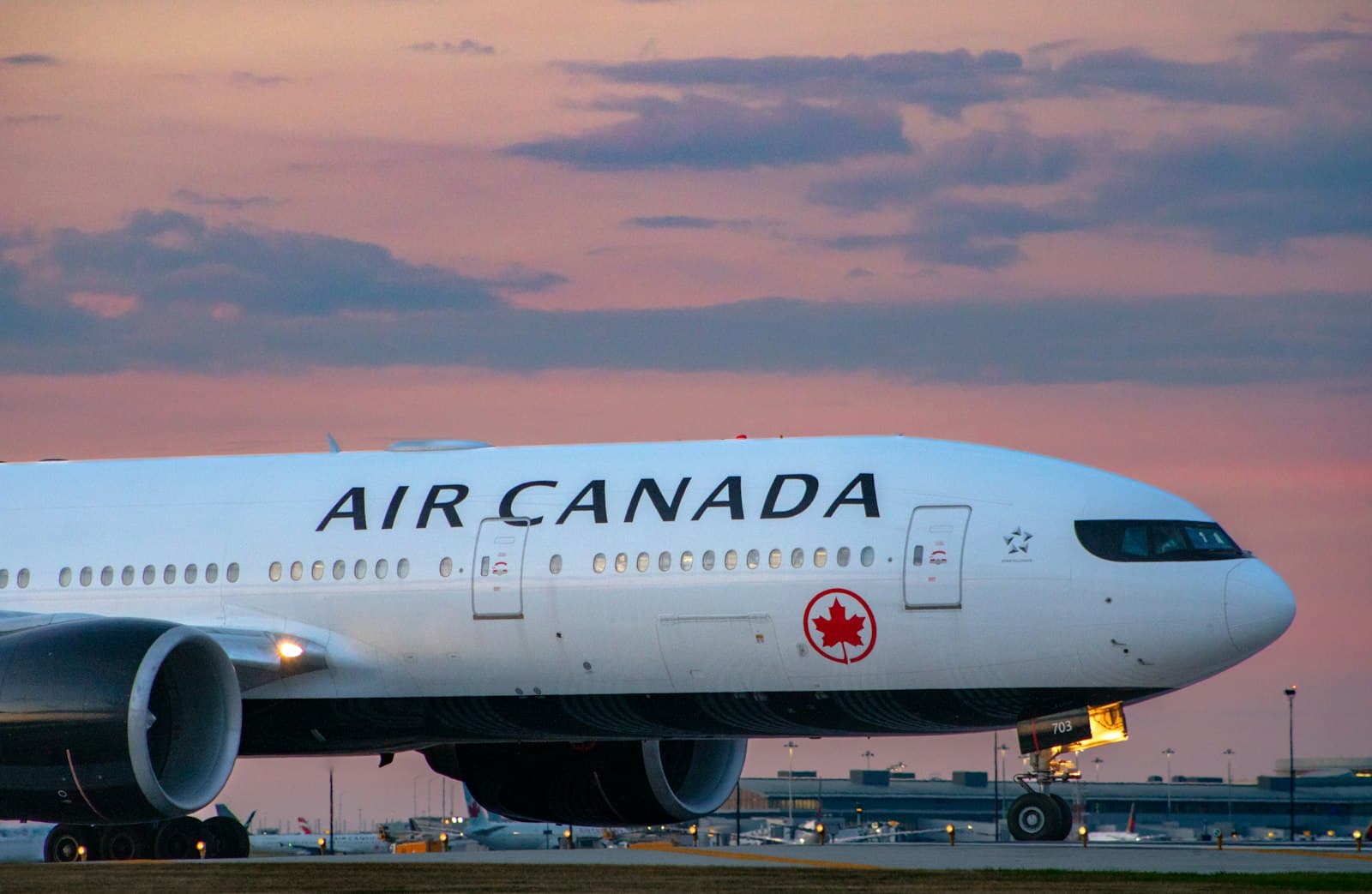
Mississauga, Canada's seventh-most populous municipality, sprawls along the northwestern shore of Lake Ontario, bordering Toronto to the east. More than a suburb, it has forged its own identity as a diverse, multicultural hub with a distinct city center. The city's landscape is a blend of modern urban development, including Canada's busiest airport, Toronto Pearson International Airport, and expansive green spaces, with over 500 parks.
Often referred to as 'Sauga' by its residents, Mississauga is a mosaic of former villages and townships that coalesced into a single urban area. This unique development pattern means that unlike many traditional cities, Mississauga's character is drawn from the distinct histories and communities of places like Port Credit, Streetsville, and Erindale, each retaining its own charm within the larger city.
The history of Mississauga stretches back thousands of years, long before European settlement. The land is the traditional territory of the Wendat, Haudenosaunee, and Anishinaabeg peoples, including the Mississaugas, from whom the city derives its name. The name 'Mississauga' comes from the Anishinaabe word Misi-zaagiing, meaning '[those at the] Great River-mouth,' or 'a river with many outlets.'
By the early 1700s, the Mississaugas, an Ojibwe band, had migrated south from the shores of Lake Huron and Lake Superior, settling in the area around Etobicoke Creek, the Credit River, and Burlington Bay. They were a people deeply connected to the waters, using canoes for sustenance and regarding the rivers as the lifeblood of Mother Earth. The Credit River, known to them as 'Missinhe' or 'trusting creek,' was a particularly favored location for hunting, fishing, and spiritual activities.
European contact began in the early 1600s with French traders. In 1720, a trading post was established at the mouth of the Credit River, where goods were exchanged or bought on credit, giving the river and later the port its enduring name. Starting in the late 18th century, the British Crown began purchasing large tracts of land from the Mississaugas. The 'First Purchase' in 1805, under Treaty 14, saw the Crown acquire over 74,000 acres, excluding a mile-wide strip along the Credit River, which became the Credit Indian Reserve. Further treaties in 1818 and 1820 surrendered more Mississauga land, leading to increased non-Indigenous settlement.
Most of present-day Mississauga was initially founded in 1805 as Toronto Township. The area saw the development of numerous villages and hamlets, including Clarkson, Cooksville, Dixie, Erindale (originally Springfield), Lakeview, Lorne Park, Port Credit, Sheridan, and Summerville. These communities often grew around industries, harbors, or water power sites. However, the increased settler presence made it difficult for the Mississaugas to continue their traditional hunting and harvesting, eventually leading to their relocation to a reserve near Hagersville in 1847.
For much of the 19th and early 20th centuries, Toronto Township remained largely farmland, with lakeside cottages becoming popular for weekend getaways. The opening of the Queen Elizabeth Way (QEW) highway in 1935 and the establishment of Malton Airport (later Toronto Pearson International Airport) in 1937 spurred significant growth. After World War II, the township transformed into a suburb, with new communities like Erin Mills and Meadowvale emerging. In 1968, Toronto Township was formally amalgamated into the Town of Mississauga. Port Credit and Streetsville initially remained independent but were incorporated into the City of Mississauga when it was reincorporated in 1974. The city's population, which was approximately 250,000 in 1974, has since grown to over 717,000 residents, attracting a diverse and multicultural population.
Mississauga offers a blend of urban attractions and natural escapes. The Mississauga City Centre is a modern hub, home to Square One Shopping Centre, one of Canada's largest malls with over 350 stores. Nearby, the distinctive Absolute World Towers, often called the 'Marilyn Monroe' buildings, are an architectural marvel. For a taste of history and waterfront charm, visit Port Credit. This lively village offers boutique shops, restaurants, and the scenic Port Credit Harbour Marina, where you can see the historic freighter, the Ridgetown, serving as a breakwater. The Port Credit Lighthouse, a replica built in 1991, stands as a beacon of the area's maritime past. Nature enthusiasts will appreciate Erindale Park, Mississauga's largest park, offering extensive trails and remnants of a former hydroelectric dam. The Credit River itself provides opportunities for fishing and scenic walks. For a tranquil experience, Kariya Park, a Japanese-inspired garden, offers a serene escape with its cherry blossoms and peaceful ponds. The Mississauga Waterfront Trail provides picturesque views of Lake Ontario and connects various lakeside parks.
Mississauga experiences a humid continental climate with four distinct seasons. The most comfortable time to visit for general outdoor activities is from late June to early September, when temperatures are warm and pleasant, averaging around 22°C in July. This is also peak tourist season, so expect higher hotel rates and larger crowds. For milder temperatures and fewer crowds, consider visiting in spring (April-May) or fall (September-October). While winters are cold and snowy, with January seeing average lows of -8°C, they offer opportunities for winter sports.
Mississauga is well-connected, with Toronto Pearson International Airport (YYZ) located within the city's Malton neighborhood, making it easily accessible for international and domestic travelers. Public transportation within Mississauga is primarily provided by MiWay, the city's bus service, which connects various neighborhoods and key attractions. For travel to and from Toronto and other Greater Toronto Area (GTA) municipalities, GO Transit offers commuter train and bus services. While the city is large and spread out, many major attractions are relatively close, making it feasible to visit several in one outing. Taxis and ride-sharing services are also readily available. The local currency is the Canadian Dollar (CAD). Tipping is customary in restaurants and for services. Standard electrical outlets are Type A and B, with a voltage of 120V and a frequency of 60Hz.
Mississauga in Korean, in Chinese or in Hebrew — and 29 more languages, every stop narrated by a native voice. The widest language range of any self-guided audio tour.
Available in: