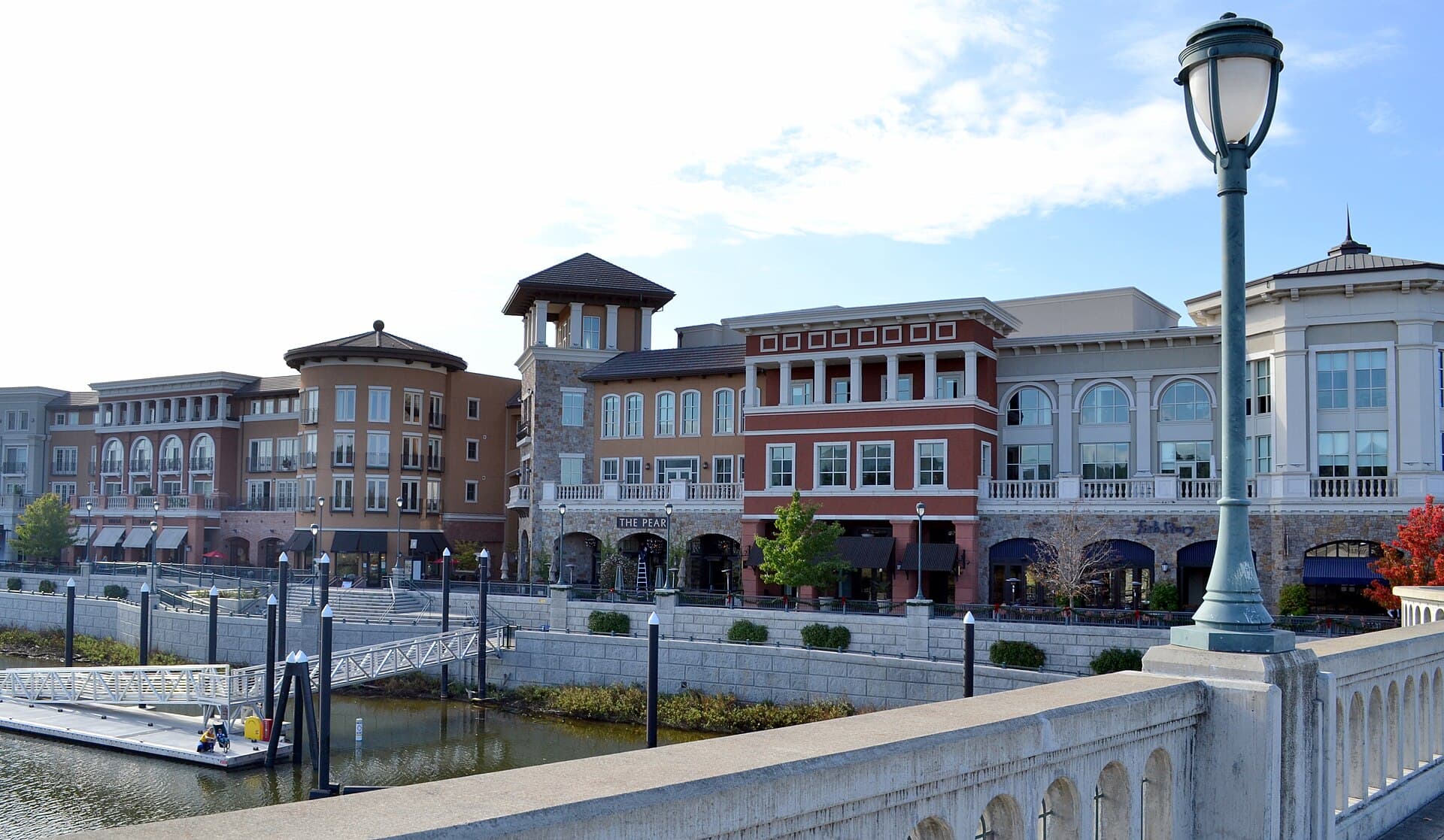
Napa, United StatesOleg Alexandrov / CC BY-SA 4.0, via Wikimedia Commons
US

Napa

Self-guided audio walking tour of Napa — GPS route, offline playback, story-driven narration in 32 languages.

Beyond the famed vineyards, Napa whispers stories of resilient pioneers, seismic shifts, and unexpected artistry.

The secrets of Napa

Napa, as no one tells it.

Not the postcards. The stories even locals don't know — whispered in your ear, right where they happened.

3 secrets below. Many more wait inside the tour.
The Hess Collection Winery

Many come to Napa for the wine, but one winery offers a different kind of vintage collection.

Full story unlocks in the tour
Napa Valley's Agricultural Preserve

In a region synonymous with luxury and development, Napa Valley made a surprising declaration over half a century ago.

Full story unlocks in the tour
Stag's Leap Wine Cellars

The global reputation of Napa Valley wines was cemented by a blind tasting in 1976, but the winning red wine's aging cellar holds a secret.

Full story unlocks in the tour
The full tour

Discover every secret of Napa

Every address, every reveal in full — in your ear, right where it happened.

Get the key to Napa

You pick your stops. You walk. The voice reveals what the others miss.

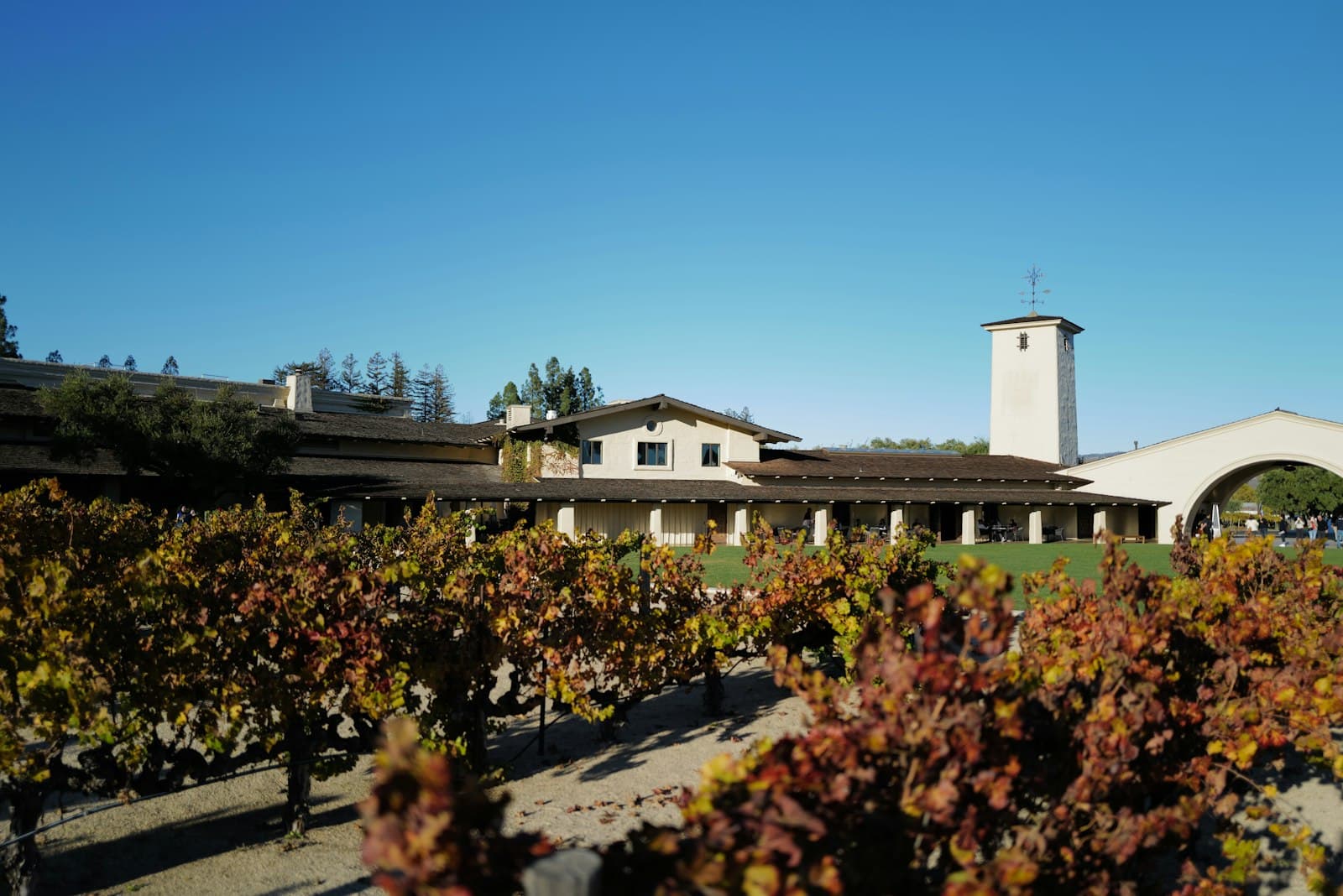
Napa — a building with a tower
Photo: Andy Lin / Unsplash
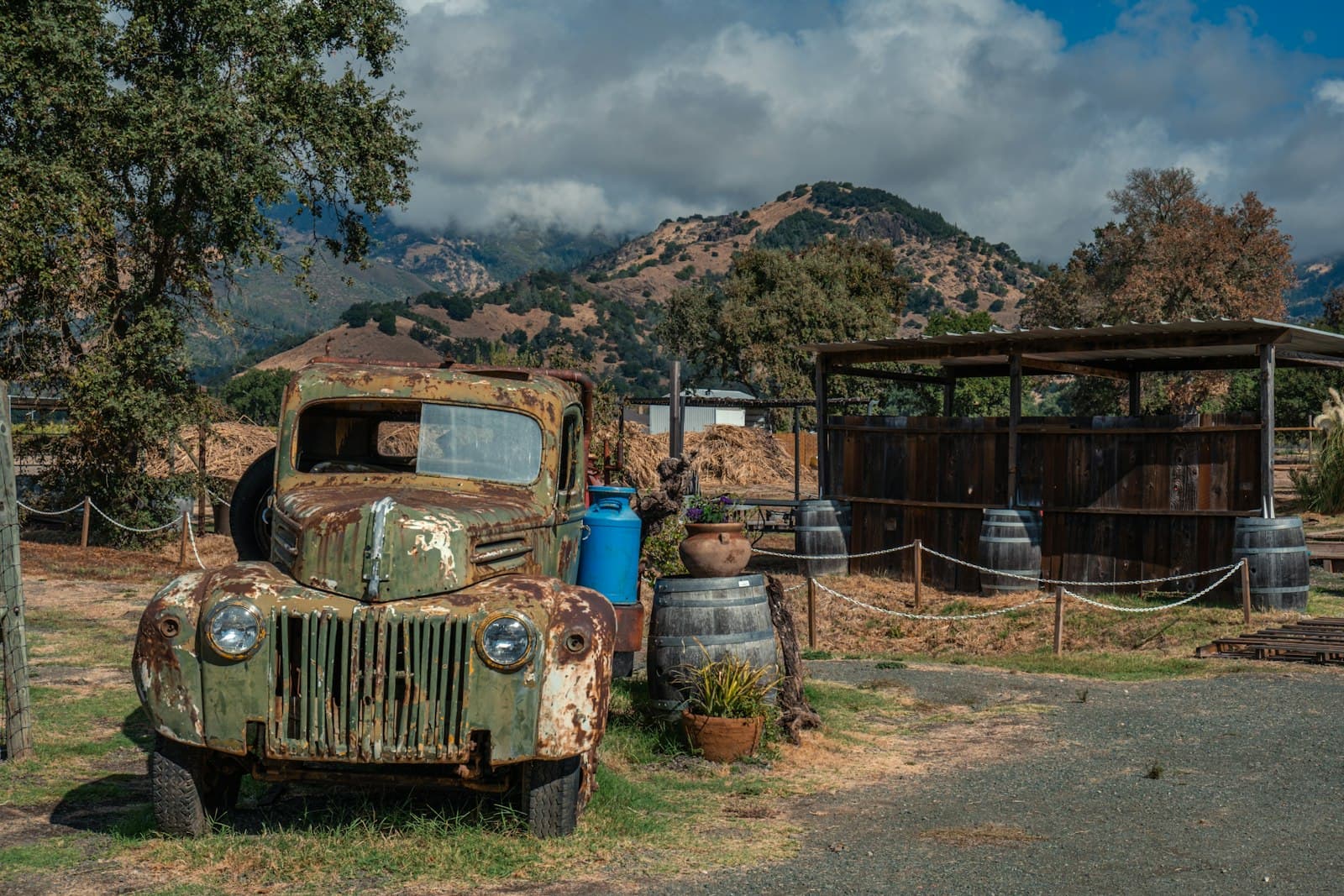
Napa — An old truck is parked in a field
Photo: Line Kjær / Unsplash
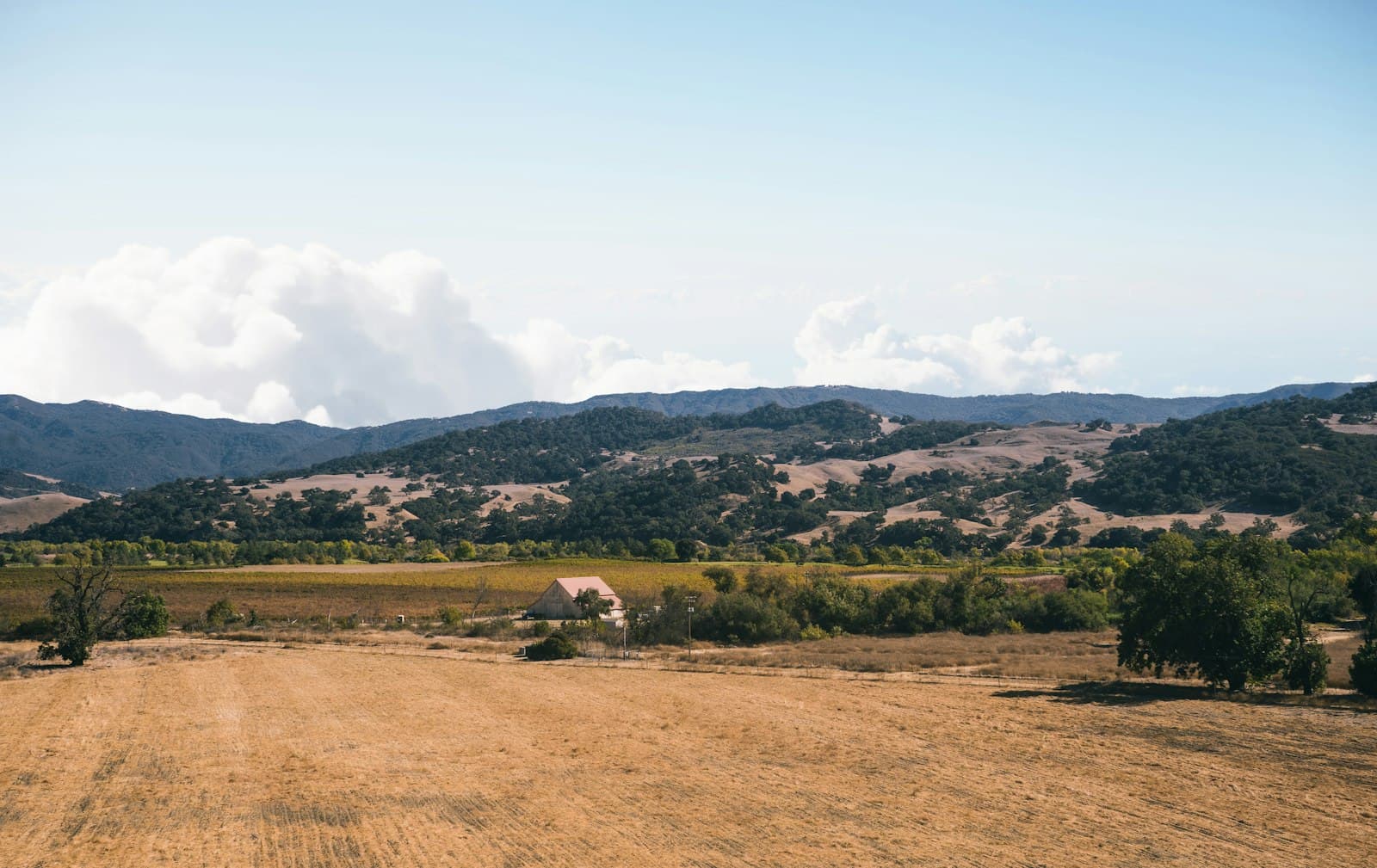
Napa — green grass field near mountain under blue sky during daytime
Photo: Anthony Fomin / Unsplash
Choose your time

How long do you have in Napa?

Your self-guided audio tour of Napa is ready — pick your landmarks, choose your language, and start the moment you arrive.

Buy
About Napa

The story of Napa

Napa Valley, a name often spoken in the same breath as fine wine, is a slender ribbon of earth in Northern California, roughly 30 miles long and at most 5 miles wide. While it accounts for only 4% of California's wine grape harvest and a mere 0.4% of global wine production, its influence on the world of viticulture is immense. The region's Mediterranean climate, found in only 2% of the world, provides ideal conditions for high-end grape production, contributing to its renowned Cabernet Sauvignon, Chardonnay, and Merlot.

Beyond the vineyards, Napa Valley offers a multifaceted experience, blending luxurious resorts, acclaimed dining, and a flourishing arts scene with opportunities for outdoor adventure. The valley is composed of five distinct cities—American Canyon, Napa, Yountville, St. Helena, and Calistoga—each with its own character. Whether you're drawn by the allure of world-class wines or seeking a broader exploration of its culinary, wellness, and recreational offerings, Napa Valley presents a captivating escape.

History

From Indigenous Roots to Global Recognition

The history of Napa Valley stretches back to its namesake, derived from a southern Nappan Indian village. The first recorded grape planting in the region occurred in 1836 by George Calvert Yount, near what is now the town of Yountville, which bears his name. However, John Patchett is credited with establishing the first official vineyard and winery in Napa Valley, planting vines in 1854 and producing wine by 1857. The first commercial winery was founded in 1861 by Charles Krug.

Napa County itself was one of California's original counties, created in 1849 when California became a state. In its earlier days, before roads and cars, the Napa River served as a significant port, with steamboat ferries frequently transporting San Francisco residents to the valley for getaways. The railroad arrived in 1868, further increasing visitor access.

The burgeoning wine industry faced significant challenges in the late 19th and early 20th centuries. The phylloxera root louse devastated over 80% of the grapevines in the 1890s, followed by the dry spell of Prohibition from 1920 to 1933, which forced many wineries to close or switch to other crops like walnuts and prunes. Some, like Beringer Vineyards, survived by producing sacramental wine.

The industry began its slow recovery after Prohibition's repeal in 1933. A pivotal moment arrived in 1944 when seven vintners collaborated to form the Napa Valley Vintners trade association, an organization that now includes 539 wineries. The modern revival truly gained momentum in the 1960s and 1970s, culminating in the historic 1976 'Judgment of Paris.' In this blind tasting, Napa Valley Cabernet Sauvignons and Chardonnays famously outperformed top French wines, solidifying Napa's global reputation as a world-class wine region. In 1981, Napa Valley was designated as California's first American Viticultural Area (AVA). Today, the valley is home to 17 approved AVAs, each with unique microclimates and soils that contribute to the diversity of its wines.

What to see

While wine tasting is a primary draw, Napa Valley offers a wealth of other experiences. Consider a hot air balloon ride at dawn for sweeping views of vineyards, mountains, and the valley floor. The Napa Valley Wine Train provides a unique dining experience aboard restored Pullman rail cars, with gourmet meals and wine pairings as it travels through picturesque vineyards.

For those seeking active pursuits, explore the Napa Valley Vine Trail, a walking and biking path that currently spans 12.5 miles and will eventually extend 47 miles. Kayaking or paddleboarding on the Napa River offers a different perspective, with opportunities to observe local wildlife. Golf enthusiasts can enjoy several public courses, including the Chardonnay Golf Club.

Beyond the outdoors, immerse yourself in art and culture. The di Rosa Center for Contemporary Art, set on a 217-acre estate, showcases Bay Area artists from the 1960s onward. Downtown Napa features a lively area with shops, restaurants, and over 50 tasting rooms, while the Oxbow Public Market offers local produce and artisanal foods. For relaxation, the town of Calistoga is known for its spas and traditional volcanic mud bath treatments.

When to visit

Napa Valley enjoys a mild Mediterranean climate year-round, meaning there's no truly "bad" time to visit. However, each season offers a distinct experience. The peak season is during harvest, from August through October, when the valley is bustling, temperatures are moderate, and the autumn colors are vivid. This is also the most expensive and crowded time, requiring reservations months in advance.

Spring (March-May) is considered a "sweet spot" with comfortable weather, fewer crowds, and easier reservations. The vineyards are a lively green, and wild mustard blooms in February and March, creating picturesque landscapes. Summer (June-August) brings long, warm days perfect for outdoor tastings and events, though it's also a busy and often hot period. Winter (November-February) is the quietest and most affordable season, offering a more intimate experience with milder temperatures and festive holiday events.

Practical

Napa Valley is located north of San Francisco and is accessible from several airports, with Charles M. Schulz–Sonoma County Airport being the closest (30 minutes to northern Napa Valley). San Francisco, Oakland, and Sacramento international airports are also within a 60-90 minute drive. Driving is the most common way to arrive, and rental cars are readily available.

While the valley is compact (30 miles long, 5 miles wide), towns and wineries are spread out. Having a car is the easiest way to explore. Rideshare services like Uber and Lyft are available, but service can be unreliable with unpredictable wait times, especially if you have multiple reservations. The Napa Valley Wine Train and various tour operators offer transportation options for winery visits. For those preferring to walk, downtown Napa and Yountville offer numerous walkable tasting rooms.

Most wineries require reservations, so planning your visits in advance is highly recommended. Tasting fees average around $40 per person, but premium experiences can be significantly higher. It's advisable to limit winery visits to two or three per day to fully enjoy each experience, as they often last 90 minutes or more. Dress in layers, as wine caves and tasting rooms can be cool, regardless of the outdoor temperature.

Good to know
What is Napa Valley known for besides wine?
Beyond its world-renowned wines, Napa Valley is recognized for its acclaimed restaurants, luxurious resorts and spas, hot air balloon rides, art galleries, and outdoor activities like hiking and biking on the Napa Valley Vine Trail.
How many wineries are in Napa Valley?
Napa Valley is home to more than 400 wineries and over 800 different wine brands, with 95% of these wineries being family-owned.
What is the best time of year to visit Napa Valley?
The best times to visit are during spring (March-May) for pleasant weather and fewer crowds, or during the fall harvest season (August-October) for the most lively atmosphere, though this is also the busiest and most expensive time.
Do I need reservations for wine tastings in Napa Valley?
Yes, it is generally recommended to make reservations for wine tastings, especially at popular wineries or during peak season, as many require them.
What are some unique experiences in Napa Valley?
Unique experiences include hot air balloon rides over the vineyards, dining aboard the Napa Valley Wine Train, exploring contemporary art at the di Rosa Center, taking a cooking class at the Culinary Institute of America, or indulging in a Calistoga mud bath.
How long should I plan to spend in Napa Valley?
A trip of three to four days is recommended to allow ample time for winery visits, dining, and other activities like spa treatments or exploring the towns.
On the map

Napa in your own language — all 32· 32

Napa in Korean, in Chinese or in Hebrew — and 29 more languages, every stop narrated by a native voice. The widest language range of any self-guided audio tour.

Available in:

  • English
  • FrenchFrançais
  • SpanishEspañol
  • GermanDeutsch
  • ItalianItaliano
  • PortuguesePortuguês
  • DutchNederlands
  • PolishPolski
  • SwedishSvenska
  • DanishDansk
  • NorwegianNorsk
  • FinnishSuomi
  • RussianРусский
  • UkrainianУкраїнська
  • TurkishTürkçe
  • CzechČeština
  • HungarianMagyar
  • RomanianRomână
  • BulgarianБългарски
  • GreekΕλληνικά
  • Japanese日本語
  • Korean한국어
  • Chinese中文
  • Arabicالعربية
  • Hebrewעברית
  • Hindiहिन्दी
  • Thaiไทย
  • VietnameseTiếng Việt
  • IndonesianBahasa Indonesia
  • MalayBahasa Melayu
  • CatalanCatalà
  • BasqueEuskara
More cities in California
Napa
$9.99
No booking · code valid 1 year · 12h to walk once activated
Load on Wi-Fi, then walk offline — no roaming abroad
Get the key to Napa