Cabeza del Viejo Dragón (Laolongtou)
El dramático descenso de la Gran Muralla hacia el mar de Bohai en Laolongtou esconde un secreto menos conocido sobre su construcción.
La historia completa se desbloquea en el tour
 Arne Müseler / CC BY-SA 3.0 de, via Wikimedia Commons
Tour de audio autoguiado de Qinhuangdao — ruta GPS a pie, reproducción offline, narración en 32 idiomas.
“Donde la antigua muralla se encuentra con el mar, y la historia respira en la brisa.”
No las postales. Las historias que ni los locales conocen — al oído, justo donde ocurrieron.
El dramático descenso de la Gran Muralla hacia el mar de Bohai en Laolongtou esconde un secreto menos conocido sobre su construcción.
Este célebre retiro de verano para la élite china también sirve como un sitio crucial para un fenómeno ecológico único.
Más allá de sus formidables defensas, el 'Primer Paso bajo el Cielo' ocultaba una red de sorpresas tácticas.
Descubre todos los secretos de Qinhuangdao
Cada dirección, cada revelación al completo — a tu oído, justo donde ocurrió.
Eliges tus paradas. Caminas. La voz te revela lo que los demás ignoran.
Tu tour de audioguía por Qinhuangdao te espera — elige tus lugares, tu idioma y empieza al llegar.
ComprarLume incluye una guía de realidad aumentada. Levanta el móvil y su cámara muestra la calle que tienes delante, con una flecha luminosa sobre la imagen real que siempre apunta a tu próxima parada — sin mapas que descifrar, sin giros equivocados. Como todo en Lume, funciona completamente sin conexión.
Qinhuangdao, una ciudad costera en el norte de Hebei, China, presenta una atractiva fusión de crónicas antiguas y encanto marinero. Su nombre, que se traduce literalmente como "Isla del Emperador Qin", proviene de la leyenda de que el primer emperador de China, Qin Shi Huang, viajó a la zona en el 210 a.C. en busca de un elixir de inmortalidad. Hoy en día, se erige como una ciudad portuaria estratégicamente significativa en el mar de Bohai, aproximadamente a 300 kilómetros al este de Beijing.
Con una población que supera los 3 millones, Qinhuangdao funciona como un centro dinámico, equilibrando su papel como un importante puerto marítimo —notablemente el puerto de envío de carbón más grande del país— con su atractivo como destino turístico favorito. La ciudad es aclamada por sus variados paisajes, desde montañas y bosques hasta lagos y extensas playas. También tiene la distinción de ser la única ciudad de China que lleva el nombre de un emperador.
El encanto de Qinhuangdao se extiende a su agradable clima, que evita el calor excesivo del verano y el frío severo del invierno, manteniendo una temperatura media anual de 10.1 grados Celsius. Esto la convierte en un destino atractivo para aquellos que buscan explorar terrenos históricos, relajarse junto al océano o participar en actividades al aire libre.
La historia de Qinhuangdao está profundamente entrelazada con la narrativa de la China imperial y su posterior modernización. El nombre mismo de la ciudad se remonta al 210 a.C., cuando se dice que Qin Shi Huang, el primer emperador de la China unificada, visitó la región durante sus giras orientales, supuestamente enviando expediciones desde una isla aquí en busca del elixir de la inmortalidad. Esta "isla", que finalmente se conectó con el continente a finales de la dinastía Qing debido a los depósitos de limo, otorgó a la ciudad su nombre perdurable.
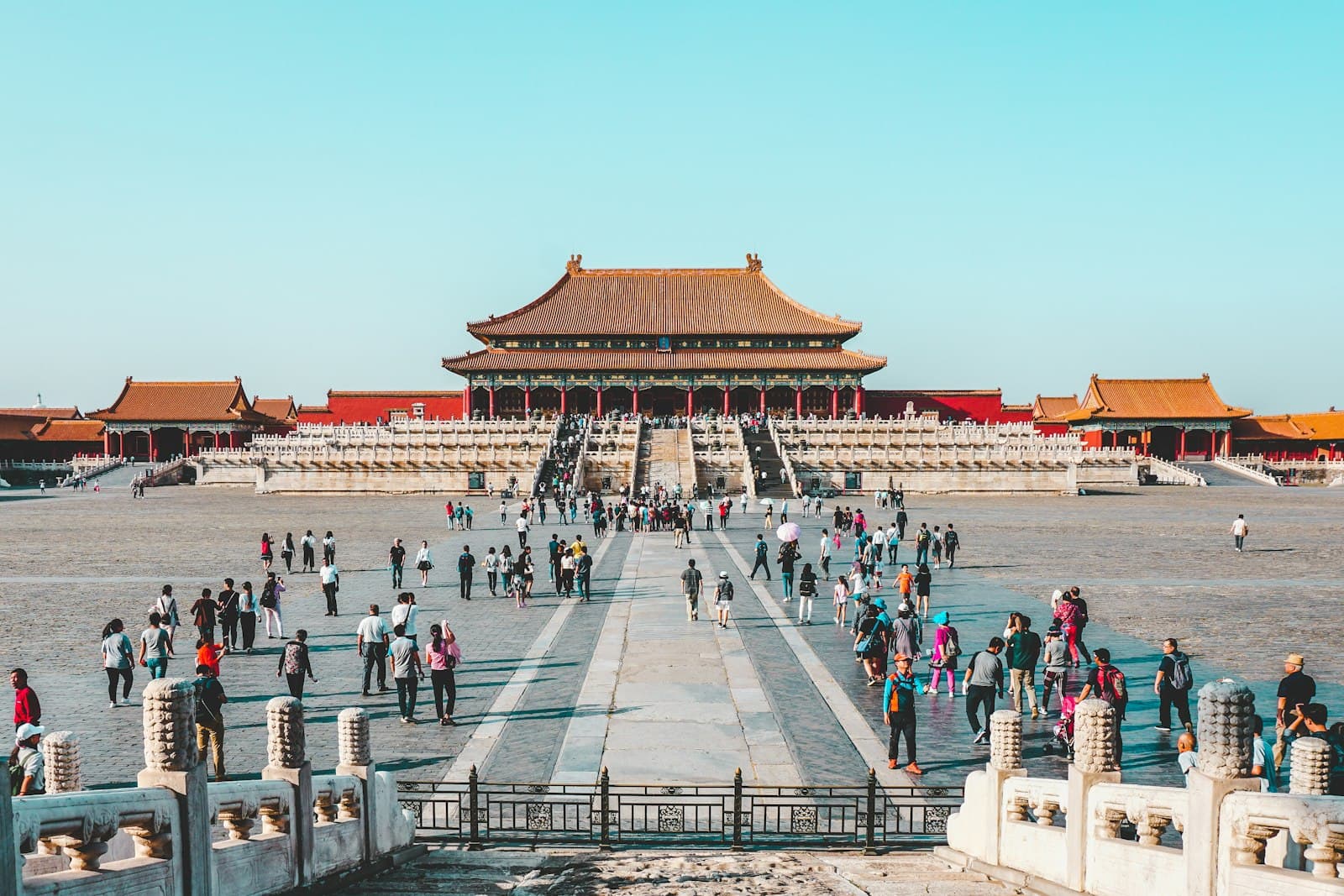
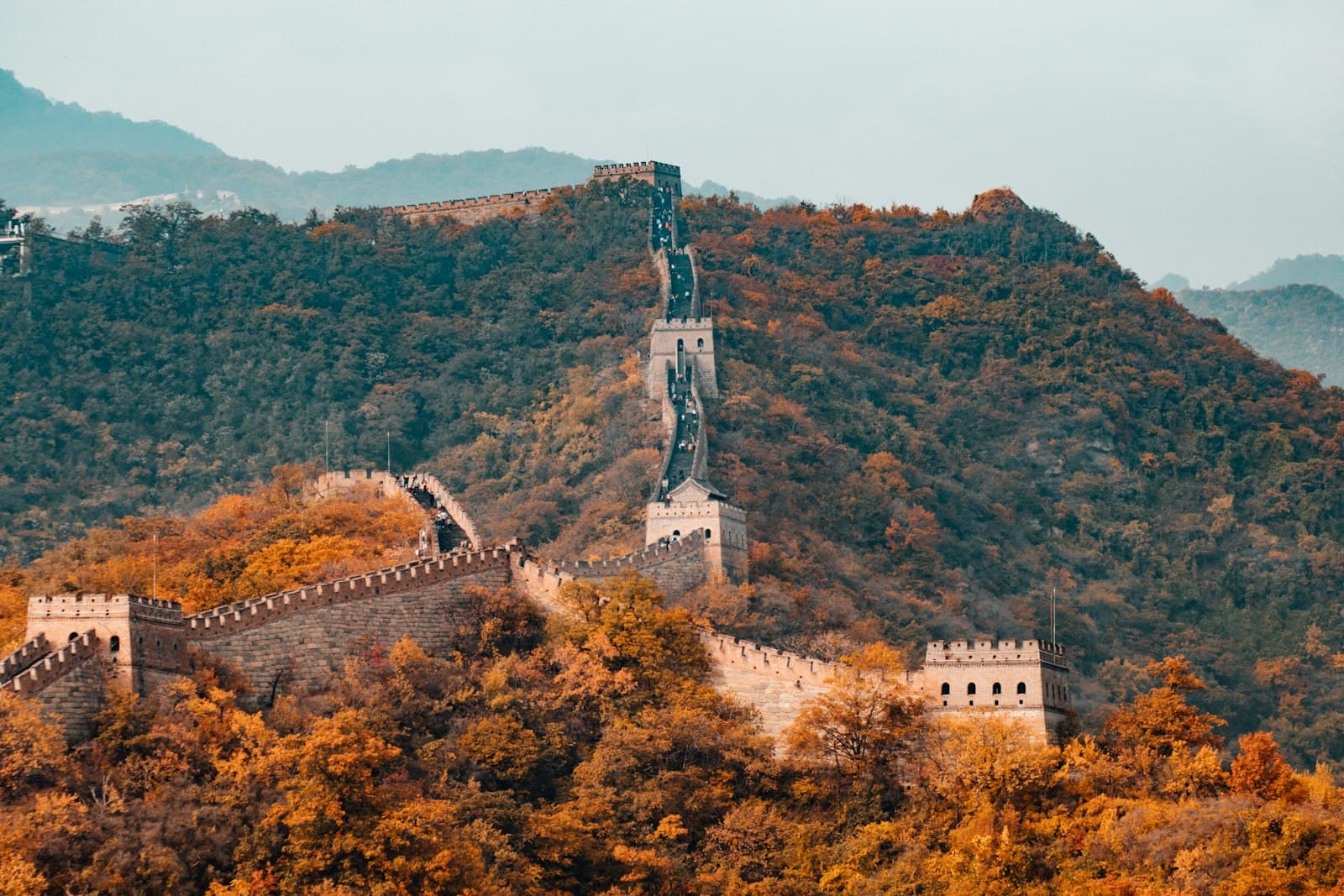
Durante siglos, la zona mantuvo una considerable importancia estratégica. En 1381, durante la dinastía Ming, comenzó la construcción de la fortaleza de Shanhaiguan, que marcaba el extremo oriental de la Gran Muralla China. Esta formidable estructura, conocida como el "Primer Paso bajo el Cielo", funcionó como un puesto militar vital, custodiando el paso entre las montañas y el mar.
Finales del siglo XIX introdujeron una nueva era para Qinhuangdao. En 1898, el gobierno Qing abrió oficialmente Qinhuangdao como puerto comercial, una decisión que estimuló un crecimiento económico significativo y la construcción de un puerto marítimo moderno. Este desarrollo fue impulsado en parte por la necesidad de un puerto libre de hielo para facilitar el comercio, especialmente para el carbón de las minas de Kailuan. La construcción del ferrocarril Pekín-Mukden consolidó aún más el papel de Qinhuangdao como un centro de transporte crucial.
Más allá de su importancia industrial y militar, Qinhuangdao también ganó prominencia como destino turístico. El distrito de Beidaihe, inicialmente un popular lugar de vacaciones para ingenieros y diplomáticos europeos en 1898, más tarde se convirtió en una "Capital de Verano" no oficial para altos funcionarios del gobierno, con importantes reuniones políticas celebradas allí a partir de 1953. Esta doble identidad, como puerto crucial y como retiro tranquilo, sigue definiendo a Qinhuangdao hoy en día.
Qinhuangdao presenta una variada gama de atracciones, mezclando la grandeza histórica con el esplendor costero. El lugar más icónico es el Paso de Shanhaiguan, a menudo conocido como el "Primer Paso bajo el Cielo", que marca el límite oriental de la Gran Muralla. Aquí, la Cabeza del Viejo Dragón (Laolongtou) converge dramáticamente con el mar de Bohai, ofreciendo una sorprendente imagen del viaje de la muralla hacia el agua. Los visitantes pueden explorar las bien conservadas murallas y torres de vigilancia de la Gran Muralla en esta zona, incluida la sección de la Gran Muralla de Jiaoshan, conocida por sus empinadas pendientes y amplias vistas.
Para una relajante experiencia junto al mar, el Distrito de Beidaihe es un célebre balneario de verano con arenas doradas y exuberante vegetación. Entre sus puntos destacados se encuentran el Parque Nido de Paloma (Geziwo Park), un lugar favorito para observar el amanecer y las aves, y el Parque Marítimo Laohushi, reconocido por su costa rocosa. El Parque de Vida Silvestre de Qinhuangdao es el segundo parque de vida silvestre más grande de China, ofreciendo otra opción recreativa. La ciudad también cuenta con sitios arquitectónicos distintivos como la Cinta Roja en el Parque del Río Tanghe, un inspirador ejemplo de arte paisajístico, y el Museo de Arte de las Dunas de Qinhuangdao en la playa.
El período óptimo para visitar Qinhuangdao para actividades de clima cálido abarca desde principios de junio hasta finales de julio y desde principios de agosto hasta finales de septiembre. La primavera (abril a mayo) y el otoño (septiembre a octubre) ofrecen temperaturas suaves, con un promedio de 10-20°C (50-68°F) y 12-22°C (54-72°F) respectivamente, con menos multitudes y condiciones agradables para recorrer la Gran Muralla. El verano (junio a agosto) es cálido a caluroso, con temperaturas promedio entre 22-28°C (72-82°F), lo que lo hace adecuado para actividades de playa y natación, aunque también experimenta mayor humedad y precipitaciones.
Qinhuangdao es de fácil acceso, con servicios de tren de alta velocidad desde Beijing y Tianjin que completan el viaje en aproximadamente dos horas. La ciudad se distribuye en tres distritos principales: Haigang (centro de la ciudad), Beidaihe (zona turística) y Shanhaiguan (zona histórica). Los autobuses públicos conectan de manera confiable estos distritos, pero para distancias mayores, se recomiendan taxis y aplicaciones de transporte como DiDi. Es aconsejable tener su destino escrito en caracteres chinos, ya que el dominio del inglés es limitado entre la mayoría de los taxistas.
La moneda local es el yuan chino (CNY/RMB). Para la conectividad, se recomienda adquirir una tarjeta SIM local o configurar una e-SIM, teniendo en cuenta que muchas aplicaciones de redes sociales y motores de búsqueda occidentales no son accesibles sin software específico. Los zapatos cómodos para caminar son esenciales, especialmente para explorar la Gran Muralla. La protección solar es crucial, particularmente junto al mar, y una chaqueta ligera es útil para las bajadas de temperatura por la noche.
Qinhuangdao en coreano, en chino o en hebreo — y 29 idiomas más, cada parada narrada por una voz nativa. La mayor variedad de idiomas de cualquier audioguía autoguiada.
Disponible en: