Parroquia del Santo Cristo del Ojo de Agua
Il nome stesso 'Saltillo' deriva da una caratteristica naturale, eppure il suo punto di origine preciso rimane sconosciuto a molti.
La storia completa si sblocca nel tour
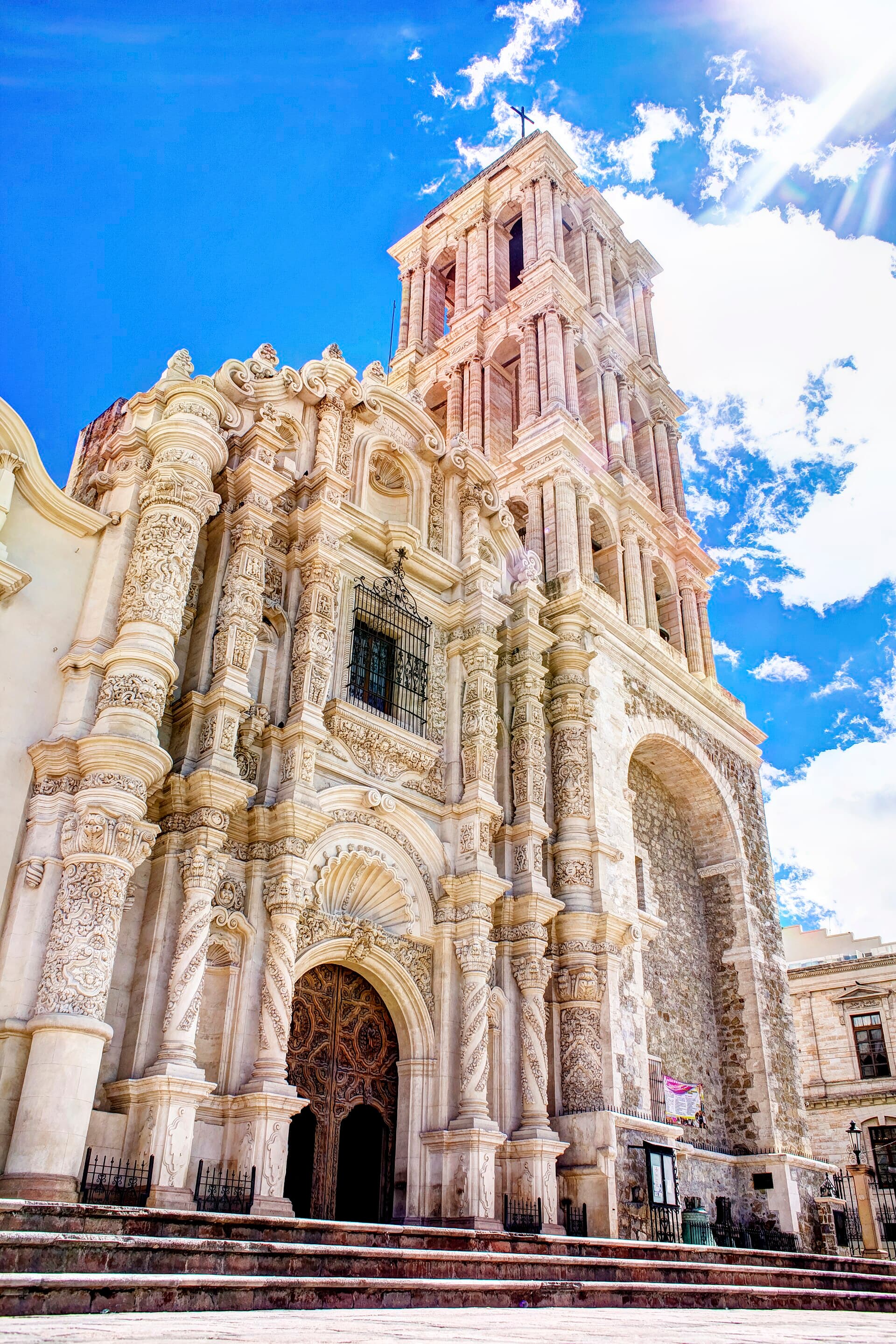 Barbara Hdz / CC BY-SA 3.0, via Wikimedia Commons
Tour audio autoguidato di Saltillo — percorso GPS a piedi, riproduzione offline, narrazione coinvolgente in 32 lingue.
“Dove i venti del deserto portano echi di grazia coloniale.”
Non le cartoline. Le storie che nemmeno i locali conoscono — sussurrate nel tuo orecchio, proprio dove sono accadute.
Il nome stesso 'Saltillo' deriva da una caratteristica naturale, eppure il suo punto di origine preciso rimane sconosciuto a molti.
Saltillo si guadagnò il soprannome di 'Atene del Messico' per la sua abilità intellettuale, ma le radici di questa reputazione affondano profondamente in una particolare istituzione.
Il vivido sarape di Saltillo è un emblema iconico dell'identità messicana, eppure le sue origini sono intrecciate in una sorprendente alleanza storica.
Scopri ogni segreto di Saltillo
Ogni indirizzo, ogni rivelazione completa — nel tuo orecchio, proprio dove è accaduta.
Scegli le tue tappe. Cammini. La voce rivela ciò che gli altri perdono.


Il tuo tour audio autoguidato di Saltillo è pronto — scegli i tuoi punti di interesse, seleziona la tua lingua e inizia nel momento in cui arrivi.
AcquistaLume include una guida in realtà aumentata. Alza il telefono: la fotocamera mostra la strada davanti a te, con una freccia luminosa sovrapposta all'immagine reale che punta sempre verso la tua prossima tappa — nessuna mappa da decifrare, nessuna svolta sbagliata. Come tutto in Lume, funziona completamente offline.
Saltillo, la capitale del Coahuila, presenta una convincente fusione di eredità coloniale e industria contemporanea, ambientata contro i drammatici contorni della Sierra Madre Orientale. Situata a un'altitudine di circa 1.600 metri (5.250 piedi), la città gode di un clima più fresco e secco rispetto a molte altre città desertiche del Messico, offrendo una piacevole tregua. Conosciuta per il suo elegante centro storico, i diversi musei e una forte identità culturale, Saltillo offre una finestra distinta sulla vita del Messico settentrionale.
La città si è guadagnata l'appellativo di "Atene del Messico" per la sua profonda tradizione intellettuale e le stimate istituzioni educative. Oltre alle sue offerte culturali, Saltillo è un importante centro industriale, particolarmente riconosciuto per la sua produzione automobilistica, che le è valso un altro soprannome: "Detroit del Messico". Questa dinamica convergenza crea una destinazione in cui storia, arte e innovazione si intrecciano, invitando i visitatori a scoprirne l'identità stratificata.
La narrazione di Saltillo inizia nel 1577, quando il conquistador Alberto del Canto la fondò come Villa de Santiago del Saltillo, rendendola uno dei primi insediamenti post-conquista nel Messico settentrionale. La prima espansione procedette lentamente, ostacolata dalla resilienza degli indigeni Chichimeca e dalla persistente scarsità d'acqua. Per fortificare l'insediamento e incoraggiare la crescita agricola, le autorità spagnole trasferirono una comunità dei loro alleati Tlaxcaltechi nel 1591 in una città separata, San Esteban de Nueva Tlaxcala, adiacente a Saltillo. Questi coloni Tlaxcalani giocarono un ruolo fondamentale, introducendo tradizioni di tessitura uniche che alla fine avrebbero dato forma all'iconico sarape di Saltillo.
Nel XVIII secolo, Saltillo era maturata in un cruciale snodo commerciale sulla frontiera settentrionale, fungendo da collegamento tra il Messico centrale e le regioni più a nord-est, compreso l'attuale Texas. Forniva anche grano alle miniere d'argento di Zacatecas. La città acquisì importanza amministrativa verso la fine del XVIII secolo con l'istituzione di una filiale del Tesoro Reale. Nel 1824, Saltillo fu designata capitale dello stato di Coahuila y Tejas, ruolo che mantenne fino al 1833. Durante questo periodo, nel 1827, il suo nome fu brevemente modificato in Leona Vicario, in onore di un'eroina della Guerra d'Indipendenza Messicana, prima di tornare a Saltillo nel 1831.
Il XX secolo portò una trasformazione sostanziale. L'arrivo della ferrovia negli anni '90 dell'Ottocento diede un forte impulso allo sviluppo industriale ed economico. Tuttavia, il vero boom industriale si verificò negli anni '70 e '80 con l'insediamento di importanti stabilimenti automobilistici da parte di aziende come General Motors e Chrysler. Questo afflusso dell'industria automobilistica, insieme ai suoi fornitori, ha consolidato la reputazione di Saltillo come "Detroit del Messico". Oggi, pur rimanendo un importante centro automobilistico, Saltillo sta diversificando attivamente la sua base industriale per abbracciare settori come l'aerospaziale, l'elettronica e gli elettrodomestici.
Inizia la tua esplorazione nel Centro Storico (Centro Histórico), dove si svelano architettura coloniale e piazze animate. Il punto focale è la Plaza de Armas, una verde piazza pubblica con una fontana e sculture, che si erge di fronte all'imponente Cattedrale di Santiago. Questo capolavoro barocco, con i suoi dettagli elaborati e un svettante campanile di 72 metri (236 piedi), è considerata una delle cattedrali più belle del Messico.
A pochi passi dalla Plaza de Armas si trova il Palazzo del Governo, un'altra significativa presenza architettonica. Per un'immersione più profonda nella storia regionale e nelle scienze naturali, il Museo del Desierto è una tappa fondamentale. Questo vasto museo offre mostre coinvolgenti sull'ecosistema desertico, inclusi fossili di dinosauri e animali antichi, rendendolo adatto a tutte le età. Un'altra istituzione singolare è il Museo de las Aves de México, che ospita una delle più grandi collezioni di uccelli del paese con oltre 3.000 esemplari. Per comprendere il tessuto distintivo della città, visita il Museo del Sarape y Artesanías Mexicanas, che preserva la storia e le intricate tecniche di tessitura del sarape di Saltillo.
Saltillo gode generalmente di un clima semi-arido mite, con tempo confortevole per gran parte dell'anno. Il periodo più caldo va tipicamente da maggio a giugno, con temperature medie intorno ai 22,5°C (72,5°F) e massime che raggiungono circa i 28,6°C (83,5°F). Le estati (da maggio a settembre) sono anche le più piovose, con luglio e settembre che registrano le piogge più frequenti, sebbene spesso leggere. Gli inverni, da dicembre a febbraio, sono più freschi e secchi, con temperature medie intorno ai 12,1°C (53,8°F) e minime notturne che scendono a circa 5,8°C (42,4°F). Il momento più favorevole per le attività all'aperto in generale va da fine aprile a metà luglio, con un picco a fine maggio. Per un'esperienza mite e secca, considera una visita in primavera o in autunno.
Saltillo è generalmente considerata una delle città più sicure del Messico settentrionale, ma valgono le normali precauzioni di viaggio, come tenere gli oggetti di valore fuori dalla vista e prestare attenzione all'ambiente circostante. Per spostarsi in città, sono disponibili servizi di ride-sharing come Uber, ma per viaggi più lunghi, i taxi sono spesso più affidabili e funzionano con tassametro.
Saltillo è servita dall'Aeroporto Internazionale Plan de Guadalupe (SLW), situato a Ramos Arizpe, a poco più di 13 km (8 miglia) dal centro città. Sebbene gestisca voli domestici e merci, offre opzioni limitate per passeggeri commerciali. Molti viaggiatori scelgono di volare all'Aeroporto Internazionale di Monterrey (MTY), che si trova a circa 45 minuti di autostrada a pedaggio, e poi prendere un autobus diretto o una navetta per Saltillo. I pesos messicani sono la valuta locale. Sebbene le carte di credito siano accettate nei grandi esercizi commerciali, è consigliabile portare contanti per i mercati tradizionali e i venditori ambulanti.
Saltillo — coreano, cinese, ebraico e altre 29 lingue, ogni tappa narrata da una voce madrelingua. La più ampia scelta di lingue tra i tour audio autoguidati.
Disponibile in: