Piazza Alta
Le point culminant de la vieille ville de Sarnano, la Piazza Alta, recèle un secret sur ses fondations mêmes, nées d'un désir de société différente.
L'histoire complète se débloque dans le tour
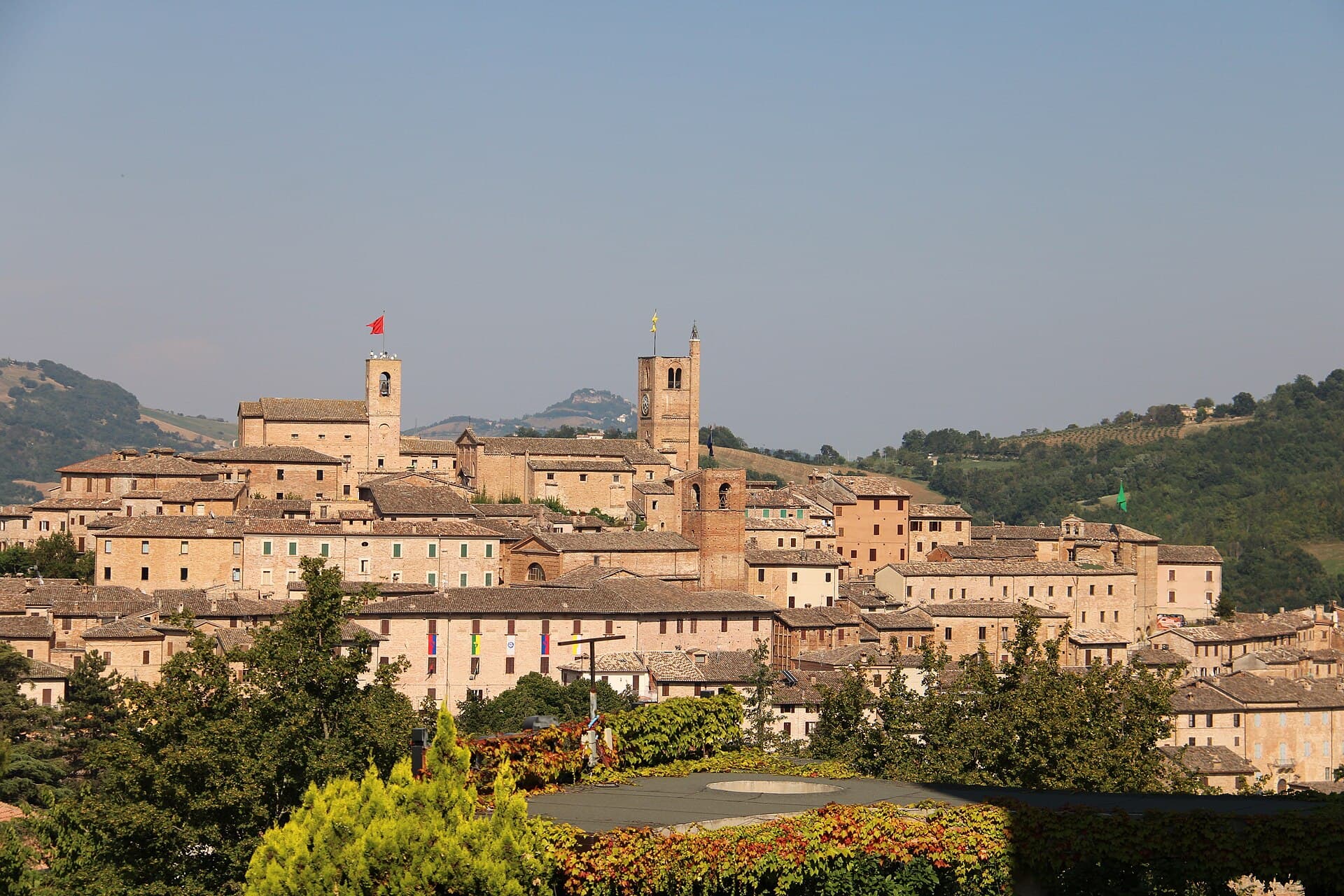 Mongolo1984 / CC BY-SA 4.0, via Wikimedia Commons
Visite audio autoguidée de Sarnano — parcours GPS à pied, lecture hors ligne, narration en 32 langues.
“Là où les pierres anciennes racontent des histoires de rebelles, de saints et de chemins oubliés.”
Pas les cartes postales. Les histoires que même les habitants ignorent — soufflées à l'oreille, là où elles se sont passées.
Le point culminant de la vieille ville de Sarnano, la Piazza Alta, recèle un secret sur ses fondations mêmes, nées d'un désir de société différente.
L'ange à six ailes sur le blason de Sarnano a une origine légendaire, il aurait été dessiné par un saint célèbre pour résoudre un conflit local.
Juste à l'extérieur du centre historique, un chemin mène à des cascades 'perdues', ainsi nommées pour une raison surprenante.
Découvrez tous les secrets de Sarnano
Chaque adresse, chaque révélation en entier — dans ton oreille, là où elle s'est passée.
Tu choisis tes lieux. Tu marches. La voix te révèle ce que les autres ignorent.


Votre visite audioguidée de Sarnano vous attend — choisissez vos lieux, votre langue, et lancez-vous dès votre arrivée.
AcheterLume intègre un guide en réalité augmentée. Levez votre téléphone : sa caméra montre la rue devant vous, avec une flèche lumineuse posée sur l'image réelle qui pointe toujours vers votre prochain arrêt — aucune carte à déchiffrer, aucun mauvais virage. Comme tout dans Lume, ça fonctionne entièrement hors-ligne.
Sarnano, une ville médiévale de la région des Marches en Italie, s'enroule autour d'une colline au pied des monts Sibyllins comme un escargot, un témoignage parfaitement conservé de ses racines antiques. Reconnue comme l'un des plus beaux villages d'Italie, son centre historique en briques offre un paysage pittoresque où le temps semble s'être arrêté. La ville est un mélange de patrimoine culturel et de beauté naturelle, offrant des vues imprenables sur la campagne environnante et les lointains sommets des montagnes.
Au-delà de son attrait visuel, Sarnano est une destination qui invite à l'exploration. Son agencement en terrasses, s'élevant en cercles concentriques vers la Piazza Alta, révèle des ruelles étroites, des bâtiments historiques et des vues inattendues à chaque tournant. La ville est également connue pour ses thermes, offrant une chance de se détendre au milieu de ses offres actives. Que vous soyez attiré par son passé médiéval, ses paysages naturels saisissants ou sa culture locale animée, Sarnano offre une expérience italienne unique et authentique.
## Des habitants anciens à une commune libre L'histoire de Sarnano remonte bien au-delà de sa fondation officielle, avec des traces d'anciennes populations italiques comme les Ombriens et les Picènes trouvées dans les zones naturellement fertiles autour de la ville. Ces premiers habitants étaient attirés par les sources naturelles, les forêts et les prairies de la région, et Sarnano servait de porte d'entrée cruciale pour ceux qui traversaient les Apennins. Des toponymes de la région, tels que Valle Jana et Tennacola, font même allusion au culte d'anciens dieux païens comme Janus et Tinia.
Pendant la période augustéenne, les Romains ont laissé leur marque, avec la découverte de pierres de centuriation corroborant les théories sur l'origine latine du nom de Sarnano. Après la chute de l'Empire romain, les terres ont connu des invasions par les Goths, les Langobards et les Francs, ce qui a conduit à l'introduction du système féodal. La puissante famille Mainardi a émergé à cette époque, donnant son nom au château au-dessus de Sarnano. Une figure notable, Fidesmido, a étendu son influence par des attaques armées et la richesse, soumettant finalement les seigneurs de Castel Malvicino et prenant le contrôle des terres entre Sarnano et Gualdo. Son fils, Rinaldo, s'est installé au château de Brunforte, devenant l'ancêtre des influents seigneurs de Brunforte.
Le chemin de Sarnano vers une municipalité libre a commencé au XIIIe siècle. En 1265, le cardinal Paltinieri a libéré les habitants de la sujétion des seigneurs de Brunforte. Cette période, marquée par des conflits entre Guelfes et Gibelins et l'implication de figures comme Frédéric II et Charles d'Anjou, a finalement conduit à un moment décisif en 1282. Les abbés Mauro et Giovanni ont rendu un verdict final, obligeant les seigneurs de Brunforte à reconnaître la Commune de Sarnano et à détruire tous leurs châteaux sauf un. Cet acte a officiellement mis fin à l'ère de la famille Brunforte et a inauguré l'ère de la Comune di Sarnano, un témoignage du courage et de l'esprit libre de ses fondateurs.
Commencez votre exploration sur l'historique Piazza Alta, le point culminant de la ville, encadrée par des bâtiments médiévaux comme le Palazzo del Podestà, le Palazzo del Popolo (aujourd'hui Teatro della Vittoria) et le Palazzo dei Priori. L'église romane de Santa Maria di Piazza Alta s'y dresse en bonne place, bien qu'elle ait été endommagée lors du tremblement de terre de 2016. Depuis la terrasse devant l'Église de Santa Chiara, profitez de vues imprenables sur les monts Sibyllins et la campagne environnante.
Promenez-vous dans les ruelles étroites et sinueuses, où vous rencontrerez des caractéristiques architecturales uniques comme les 'case a ponte' (maisons-ponts) qui enjambent les ruelles. Visitez le Musée Civique et la Galerie d'Art, abrités dans l'ancien monastère de Santa Chiara, qui présentent des œuvres d'art régionales, y compris des chefs-d'œuvre de Vittore Crivelli. Ne manquez pas le Museo dell'Avifauna avec sa collection d'oiseaux embaumés, ou le Museo delle Armi exposant des armements historiques.
Au-delà du centre-ville, découvrez la Via delle Cascate Perdute, un sentier panoramique de 6 km menant à trois cascades enchanteresses. Pour des aventures en plein air plus étendues, le Parc National des Monts Sibyllins voisin offre des sentiers de randonnée, y compris les spectaculaires Gorges de l'Infernaccio et les formations géologiques uniques des Lame Rosse. Sarnano est également connue pour ses thermes, offrant un répit relaxant.
La meilleure période pour visiter Sarnano pour un temps agréable et des activités de plein air est de mai à octobre. Pendant ces mois, les températures sont confortables, allant de 19°C à 28°C, et il y a moins de pluie. Pour les activités par temps chaud comme la baignade ou la jouissance des thermes, début juillet à mi-août est idéal, avec des maximales quotidiennes moyennes d'environ 27°C. Si vous êtes intéressé par les sports d'hiver, les monts Sibyllins offrent des possibilités de ski pendant les mois les plus froids. L'automne est également populaire pour les festivals gastronomiques saisonniers.
Sarnano est située dans la province de Macerata, dans la région des Marches en Italie, à environ 30 kilomètres au sud-ouest de Macerata. La ville n'a pas sa propre gare ; la plus proche est à Tolentino, à environ 40 minutes en voiture. Les aéroports les plus proches sont Ancône Falconara (AOI) et Pérouse (PEG). Bien qu'une voiture offre une flexibilité pour explorer les monts Sibyllins environnants, le centre historique de Sarnano est mieux exploré à pied en raison de ses rues étroites et sinueuses.
Les options d'hébergement comprennent des hôtels et des résidences, dont certains offrent des vues panoramiques. Vous trouverez une variété de boutiques, de cafés en terrasse et de restaurants servant une cuisine locale des Marches, connue pour des plats comme les vincisgrassi, les pâtes faites à la main avec du sanglier ou des truffes, et les recettes à base de lentilles. Ne manquez pas le marché hebdomadaire du jeudi pour les produits locaux et l'artisanat. Il est conseillé de vérifier l'état et l'accessibilité des monuments, en particulier ceux affectés par le tremblement de terre de 2016.
Sarnano en coréen, en chinois ou en hébreu — et dans 29 autres langues, chaque étape narrée par une voix native. La plus large gamme de langues de tous les audioguides autoguidés.
Disponible en :