Lago Kalamalka
Los colores cambiantes del lago son más que una ilusión óptica.
La historia completa se desbloquea en el tour
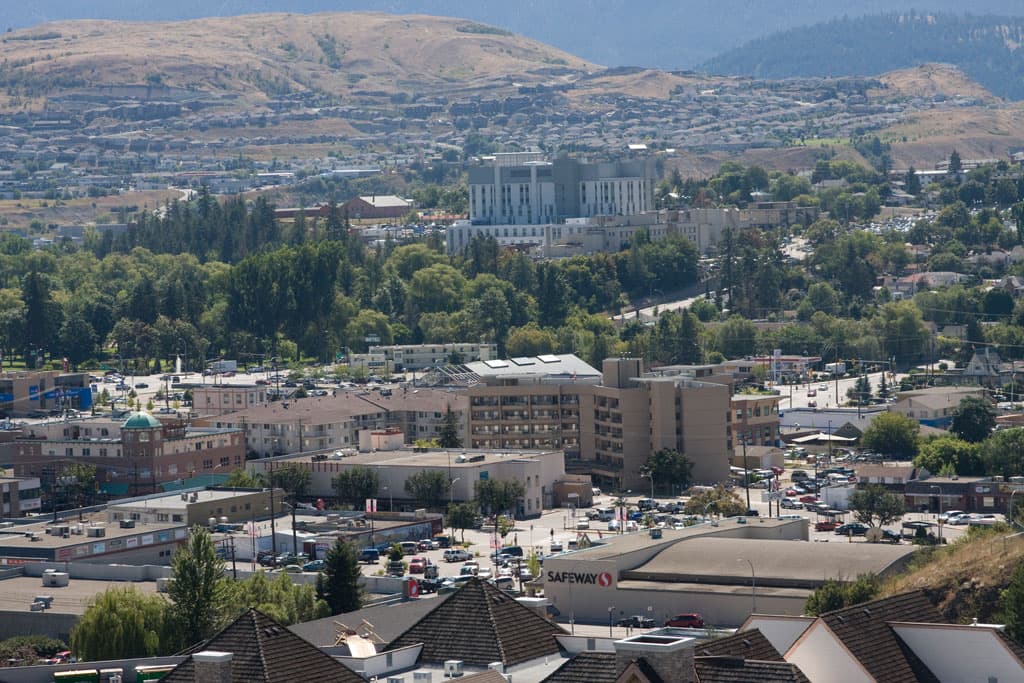 Richvernon / CC BY-SA 3.0, via Wikimedia Commons
Tour de audio autoguiado de Vernon — ruta GPS a pie, reproducción offline, narración en 32 idiomas.
“Donde las aguas cristalinas se encuentran con colinas bañadas por el sol, y los senderos invitan a viajes inesperados.”
No las postales. Las historias que ni los locales conocen — al oído, justo donde ocurrieron.
Los colores cambiantes del lago son más que una ilusión óptica.
Vernon alguna vez tuvo un próspero 'Chinatown' con su propio carácter distintivo.
Antes de que las manzanas se convirtieran en el cultivo distintivo de Okanagan, otra fruta sorprendente anclaba la industria agrícola de Vernon.
Descubre todos los secretos de Vernon
Cada dirección, cada revelación al completo — a tu oído, justo donde ocurrió.
Eliges tus paradas. Caminas. La voz te revela lo que los demás ignoran.
Tu tour de audioguía por Vernon te espera — elige tus lugares, tu idioma y empieza al llegar.
ComprarLume incluye una guía de realidad aumentada. Levanta el móvil y su cámara muestra la calle que tienes delante, con una flecha luminosa sobre la imagen real que siempre apunta a tu próxima parada — sin mapas que descifrar, sin giros equivocados. Como todo en Lume, funciona completamente sin conexión.
Vernon, Columbia Británica, es una ciudad abrazada por los variados paisajes del Valle de Okanagan. Situada a 440 km al noreste de Vancouver, se erige como la ciudad más grande del Distrito Regional de North Okanagan, con una población de 44,519 habitantes en 2021. La ciudad está posicionada de manera única entre tres lagos distintos —Okanagan Lake, Kalamalka Lake y Swan Lake—, ofreciendo un lienzo diverso para actividades al aire libre. Desde los llamativos y cambiantes azules y verdes del lago Kalamalka hasta la extensa red de senderos que le han valido a Vernon el título de 'Capital de Senderos de Columbia Británica', la ciudad invita a la exploración.
El atractivo de Vernon se extiende más allá de su entorno natural, con un distrito céntrico que entrelaza tiendas y restaurantes locales con una galería de arte al aire libre que exhibe murales históricos. Las colinas circundantes están salpicadas de huertos y viñedos, lo que refleja una fuerte herencia agrícola que continúa evolucionando. Ya sea que busque una aventura activa en tierra o agua, una degustación de sabores locales o un vistazo al pasado de la región, Vernon ofrece una experiencia distintiva de Okanagan.
La historia de Vernon se remonta aproximadamente a 20,000 años, al final de la última edad de hielo, cuando el pueblo Salish del Interior viajó al Valle de Okanagan desde el sur. El área que ahora es el centro de la ciudad de Vernon era un lugar tradicional de reunión invernal para estas personas seminómadas, que construyeron viviendas en forma de foso llamadas 'kekulis'. Seguían ciclos estacionales, cazando, recolectando bayas y raíces, y pescando salmón. El pueblo Syeelhwh, parte de la Nación Okanagan, llamaba al área actual de Vernon 'Nintle-Moos-Chin', que significa 'saltando sobre el arroyo', refiriéndose a un punto estrecho del arroyo BX.
Los comerciantes de pieles europeos llegaron al Valle de Okanagan en 1811, siendo David Stuart de la Pacific Fur Company la primera persona blanca conocida en ver el valle en 1812. La abundancia de pieles y el pintoresco paisaje rápidamente convirtieron el área en una ruta comercial significativa. La North West Company reclamó el Valle de Okanagan en 1812, y para 1814, era un corredor comercial activo desde Columbia hacia el norte hasta Fort St. James. Después de que la North West Company se fusionara con la Hudson Bay Company en 1821, la ruta del comercio de pieles permaneció activa hasta 1847.
El descubrimiento de oro en varias ubicaciones del interior, incluido Cherry Creek en 1863, impulsó un mayor desarrollo e hizo que las rutas de viaje del Valle de Okanagan fueran aún más significativas. Luc Girourad es reconocido como el primer colono blanco permanente en el área de Vernon. En 1864, Forbes y Charles Vernon adquirieron un gran rancho, el Coldstream Ranch, de Charles Houghton. El sitio de la ciudad se trazó inicialmente en 1885 como Centreville, pero su nombre se cambió oficialmente a Vernon en 1887 en honor a Forbes George Vernon, un colono pionero y ex MLA que ayudó a establecer el Coldstream Ranch.
Vernon se incorporó como ciudad en Columbia Británica el 30 de diciembre de 1892. Su crecimiento se aceleró con la apertura del Canadian Pacific Railway en las regiones de Okanagan y Shuswap en 1891, con servicios que llegaron a Vernon ese año. Poco después, el vapor de ruedas S.S. Aberdeen se lanzó en el lago Okanagan en 1893, conectando Vernon con Penticton. Para 1904, Vernon era el municipio más grande de Okanagan, superando a Kelowna y Penticton, que se incorporaron más tarde. La ciudad desarrolló rápidamente infraestructura, incluyendo bancos, hoteles, escuelas, una estación de bomberos, un hospital, un periódico de la ciudad y un juzgado. Los colonos japoneses y chinos desempeñaron un papel importante en la cultura e historia temprana de Vernon, con un 'Chinatown' que existió durante muchos años. La historia militar de Vernon comenzó en 1908 con la formación de los Okanagan Mounted Rifles, y un campo de entrenamiento militar establecido durante la Primera y Segunda Guerra Mundial continúa operando como un centro de entrenamiento de verano para cadetes.
Hoy, Vernon es un floreciente centro de comercialización y distribución en el norte del Valle de Okanagan, con una economía diversa basada en la madera, la agricultura, la manufactura ligera y el turismo.
Vernon ofrece una variedad de atracciones, desde maravillas naturales hasta experiencias culturales. El Parque Provincial del Lago Kalamalka brinda oportunidades para caminar, con senderos que conducen a playas como Jade y Juniper Bay, conocidas por sus aguas cristalinas. La playa de Cosens Bay del parque es accesible a través de un sendero de 2.5 km, que ofrece una tranquila zona de arena para nadar y hacer picnics. Para aquellos que buscan vistas expansivas, Middleton Mountain ofrece vistas del centro de Vernon, el lago Kalamalka y el lago Swan, con un circuito perimetral de 3 km. El Okanagan Rail Trail, un sendero de grava multiusos, sigue una línea ferroviaria histórica durante más de 50 km, conectando tres lagos con vistas panorámicas, ideal para andar en bicicleta o caminar.
Más allá del paisaje natural, explore la galería de arte al aire libre de murales históricos en el centro de Vernon. Davison Orchards Country Village, una granja familiar desde 1933, ofrece recorridos en tractor, un mercado, panadería, cafetería y eventos de temporada como la recolección de manzanas y calabazas. Planet Bee Honey Farm y Honeymoon Meadery brindan una experiencia inmersiva en el mundo de las abejas. Para una experiencia de bienestar única, las plataformas de yoga al aire libre en Predator Ridge ofrecen vistas de Okanagan en medio de bosques de coníferas y campos de lavanda. El Mercado de Agricultores de Vernon, abierto de mayo a octubre, es uno de los más grandes del Valle de Okanagan, con productos locales y artesanales.
El momento ideal para visitar Vernon para actividades de clima cálido es desde principios de julio hasta mediados de agosto, cuando la temperatura máxima diaria promedio supera los 23°C (74°F), siendo julio el mes más cálido, con un promedio de 28°C (82°F). Los veranos son generalmente secos, cálidos y parcialmente nublados. La primavera, particularmente abril y mayo, también presenta un excelente momento para visitar, ofreciendo temperaturas agradables entre 15°C y 25°C, cielos soleados y senderos secos. Esta 'temporada baja' ofrece un ambiente más tranquilo con menos multitudes en los senderos y en los establecimientos locales. El otoño, de septiembre a principios de noviembre, es otra buena opción de 'temporada baja', con temperaturas agradables y condiciones menos concurridas.
Vernon experimenta un clima continental húmedo con cuatro estaciones distintas, marcadas por importantes fluctuaciones anuales de temperatura. Los inviernos (diciembre a febrero) son fríos, con temperaturas promedio bajo cero y nevadas frecuentes, mientras que los veranos (junio a agosto) son cálidos y soleados. La temperatura mínima promedio en enero es de -6°C (22°F), y la máxima promedio en julio es de 28°C (82°F). La precipitación está bien distribuida durante todo el año, pero el clima es generalmente seco.
Para el alojamiento, Vernon ofrece una variedad de opciones, desde resorts de lujo como Sparkling Hill Resort y Predator Ridge Resort hasta varios hoteles como Prestige Vernon Lodge and Conference Centre, Fairfield Inn & Suites y Holiday Inn Express & Suites. También hay opciones económicas como el Courtyard Inn Vernon y Days Inn by Wyndham Vernon. La ciudad cuenta con Vernon Regional Transit para el transporte local en autobús, y Ebus ofrece servicio fuera de la ciudad desde su terminal en el centro. El Aeropuerto Regional de Vernon (YVE) maneja aeronaves civiles pero no tiene servicio aéreo programado.
Vernon en coreano, en chino o en hebreo — y 29 idiomas más, cada parada narrada por una voz nativa. La mayor variedad de idiomas de cualquier audioguía autoguiada.
Disponible en: