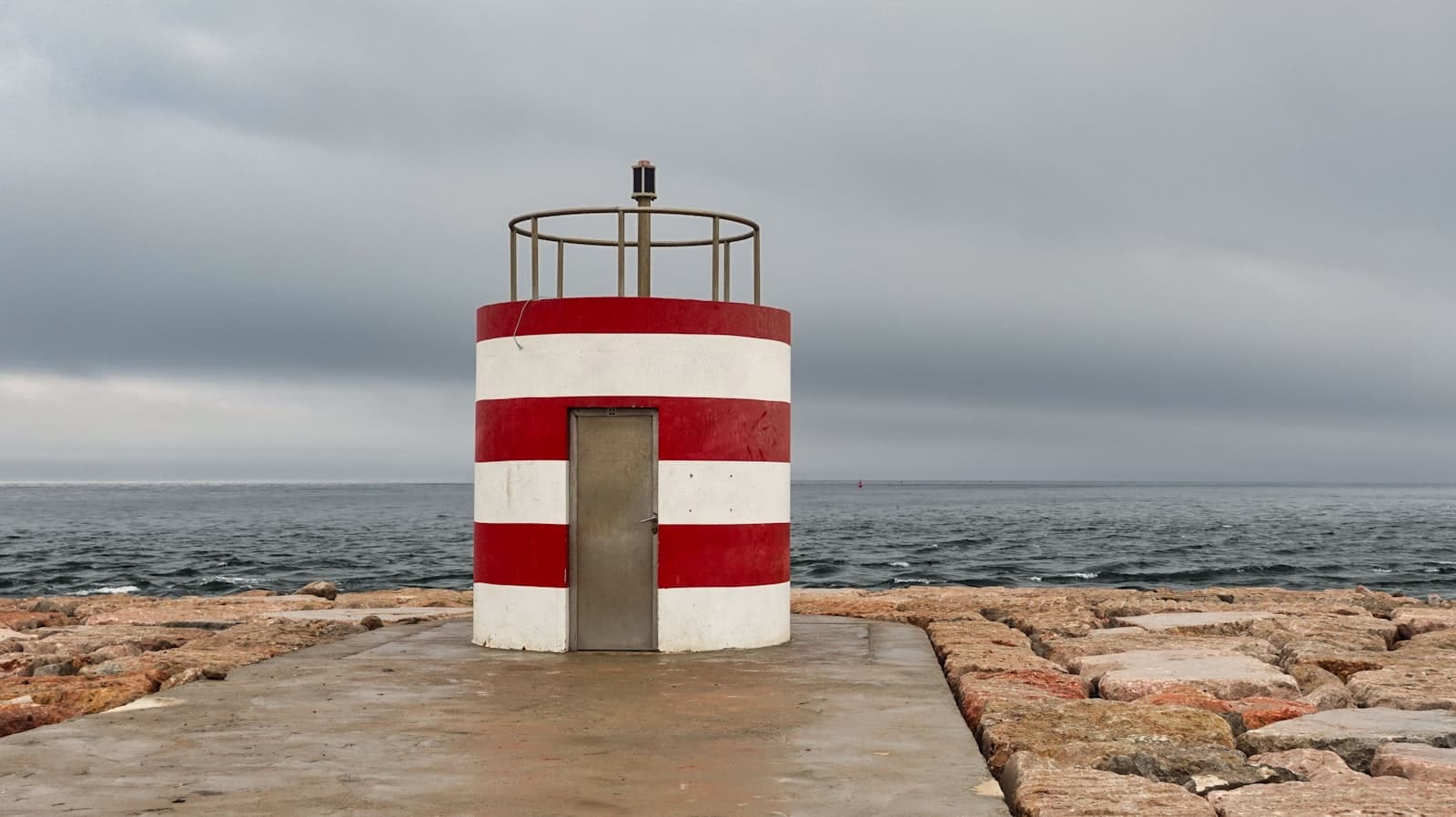
Vila Real de Santo António, PortugalMarc Ryckaert (MJJR) / CC BY 3.0, via Wikimedia Commons
PT

Vila Real de Santo António

Self-guided audio walking tour of Vila Real de Santo António — GPS route, offline playback, story-driven narration in 32 languages.

A city born from a royal decree, where Lisbon's rebirth echoes on the Guadiana.

The secrets of Vila Real de Santo António

Vila Real de Santo António, as no one tells it.

Not the postcards. The stories even locals don't know — whispered in your ear, right where they happened.

3 secrets below. Many more wait inside the tour.
Vila Real de Santo António's Grid Plan

Walk through Vila Real de Santo António, and you'll notice an unusually orderly street plan for an old Portuguese town. It's not by chance, but a radical experiment in urban design.

Full story unlocks in the tour
The Guadiana River

The river flowing past Vila Real de Santo António isn't just a scenic waterway; it's a historical boundary with a surprising time difference.

Full story unlocks in the tour
Canning Industry Legacy

Vila Real de Santo António might seem like a tranquil riverside town today, but it was once a bustling industrial hub that pioneered a major Portuguese industry.

Full story unlocks in the tour
The full tour

Discover every secret of Vila Real de Santo António

Every address, every reveal in full — in your ear, right where it happened.

Get the key to Vila Real de Santo António

You pick your stops. You walk. The voice reveals what the others miss.

Choose your time

How long do you have in Vila Real de Santo António?

Your self-guided audio tour of Vila Real de Santo António is ready — pick your landmarks, choose your language, and start the moment you arrive.

Buy
About Vila Real de Santo António

The story of Vila Real de Santo António

Vila Real de Santo António, a city born from a royal decree, stands on the easternmost edge of the Algarve, where the Guadiana River gracefully meets the Atlantic. Unlike many Portuguese towns that evolved organically over centuries, this city emerged fully formed in the late 18th century, a testament to Enlightenment-era urban planning. Its distinctive grid layout, wide avenues, and elegant Pombaline architecture immediately set it apart, echoing the grand reconstruction of Lisbon after the devastating 1755 earthquake.

This border town offers a unique blend of Portuguese tradition and a subtle Spanish influence, with the lively Spanish town of Ayamonte just a 15-minute ferry ride across the river. Vila Real de Santo António was strategically positioned to control trade along the Guadiana and bolster Portugal's presence on the frontier. Today, it invites visitors to stroll its tree-lined squares, explore its historic waterfront, and enjoy a relaxed pace of life, all while offering easy access to expansive sandy beaches and natural reserves.

History

A City of Enlightenment and Purpose

The history of Vila Real de Santo António is relatively young, a deliberate creation rather than a gradual development. Before its foundation, the region was sparsely populated, with the older town of Cacela serving as the municipal seat. However, the 1755 Lisbon earthquake and subsequent tsunami devastated the existing fishing village of Santo António de Arenilha, paving the way for a new vision.

On December 30, 1773, King José I issued a royal decree for the creation of a new town at this strategic location. The impetus was multi-faceted: to increase Portuguese presence near the Spanish border, control cross-border trade and duties on the Guadiana River, and potentially even to make a statement to neighboring Spain. The task of planning and construction fell to Sebastião José de Carvalho e Melo, the Marquês de Pombal, the powerful minister responsible for rebuilding Lisbon.

Construction began in March 1774, and remarkably, the core of the city was completed in just two years, by 1776. This rapid development was achieved using innovative techniques for the time, including the prefabrication of entire buildings off-site, which were then transported and assembled. The town was laid out in a strict orthogonal grid plan, a hallmark of Pombaline style architecture, characterized by its rational design and earthquake-resistant features. This architectural uniformity also reflected a bold 18th-century idea of social equality before the law and the crown.

Vila Real de Santo António quickly became a thriving center, primarily driven by the fishing industry, particularly tuna and sardines. The Marquês de Pombal established Royal Fishing Companies, making the city a significant industrial hub and the birthplace of Portugal's canned fish industry. In 1886, it achieved another first for the Algarve by installing gas lighting. While the fishing industry saw a decline around the 1960s, tourism emerged as the new economic engine, drawing visitors to its extensive sandy beaches, especially in nearby Monte Gordo.

What to see

Begin your exploration in Praça Marquês de Pombal, the city's central square. Its distinctive black-and-white cobblestone pavement radiates from a central obelisk, surrounded by orange trees and elegant Pombaline buildings, including the Igreja Matriz de Nossa Senhora da Encarnação and the former Town Hall. Stroll along the riverside promenade overlooking the Guadiana River, where you can watch fishing boats and ferries. The Vila Real de Santo António Marina is a hub of activity, offering boat trips along the river or a quick ferry ride to Ayamonte, Spain. For expansive views, climb the Vila Real de Santo António Lighthouse, a 40-meter tower that has guided boats since 1923, offering vistas of the city, the Guadiana, and even parts of Andalusia. Don't miss the Mercado Municipal, a bustling local market where you can experience regional flavors and fresh seafood. The city also provides easy access to beautiful beaches like Praia de Santo António and the resort of Monte Gordo, known for its warm waters and fine sands.

When to visit

Vila Real de Santo António enjoys a Mediterranean climate, making it an appealing destination year-round. For warm-weather activities and beach enjoyment, the best time to visit is from late June to early September, when temperatures are highest and skies are clearest. Spring (May, June) and autumn (September, October, November) offer pleasant weather with fewer crowds, ideal for exploring the city and its surroundings. Even winter provides mild temperatures and a quieter atmosphere, making it a good choice for those seeking a peaceful escape.

Practical

Vila Real de Santo António is easily accessible. If driving from Faro, the A22 highway takes approximately 45 minutes, or you can take the scenic N125. The city is very walkable, especially its central grid layout and riverfront promenade. To cross into Spain, a regular ferry service operates between Vila Real de Santo António and Ayamonte, with journeys taking about 15 minutes. Services depart every few hours. While a single day is sufficient to see the main sights, consider staying one or two nights to fully immerse yourself in the local atmosphere or to explore nearby beaches and the Castro Marim Nature Reserve. Accommodation options range from traditional townhouses to modern apartments, with prices generally more competitive than in the central Algarve.

Good to know
How long does it take to get to Ayamonte, Spain by ferry?
The ferry journey from Vila Real de Santo António to Ayamonte, Spain, takes approximately 15 minutes. Services operate daily, departing every few hours.
Is Vila Real de Santo António a good base for exploring the Algarve?
Yes, Vila Real de Santo António serves as an excellent base for exploring the eastern Algarve, with easy access to towns like Castro Marim and Tavira, as well as the natural beauty of the Guadiana River and nearby beaches. Its proximity to Spain also offers unique day-trip opportunities.
What kind of food can I expect in Vila Real de Santo António?
Expect fresh seafood and traditional Portuguese dishes, reflecting the city's strong connection to the sea and its fishing heritage. The Mercado Municipal is a great place to sample local flavors.
Is Vila Real de Santo António suitable for families?
Yes, Vila Real de Santo António is a family-friendly destination, offering a relaxed atmosphere, safe pedestrianized areas, and easy access to beaches. The marina also provides opportunities for boat trips.
What is the significance of the Pombaline architecture?
Pombaline architecture, named after the Marquês de Pombal, is characterized by its rational, grid-like urban planning and anti-seismic construction techniques. It was a revolutionary style for its time, designed to rebuild Lisbon after the 1755 earthquake and later applied to Vila Real de Santo António.
Are there good beaches near Vila Real de Santo António?
Yes, Vila Real de Santo António offers easy access to several beautiful beaches, including Praia de Santo António and the popular resort of Monte Gordo, known for its extensive sandy shores and warm waters.
On the map
Vila Real de Santo António
€9.90
No booking · activate anytime · 12h to walk it
Load on Wi-Fi, then walk offline — no roaming abroad
Get the key to Vila Real de Santo António