Ubicación de la fundación de Wasilla (George Parks Highway y Main Street)
Antes de que Wasilla se convirtiera en un pueblo, sirvió como encrucijada para un tipo diferente de auge en Alaska.
La historia completa se desbloquea en el tour
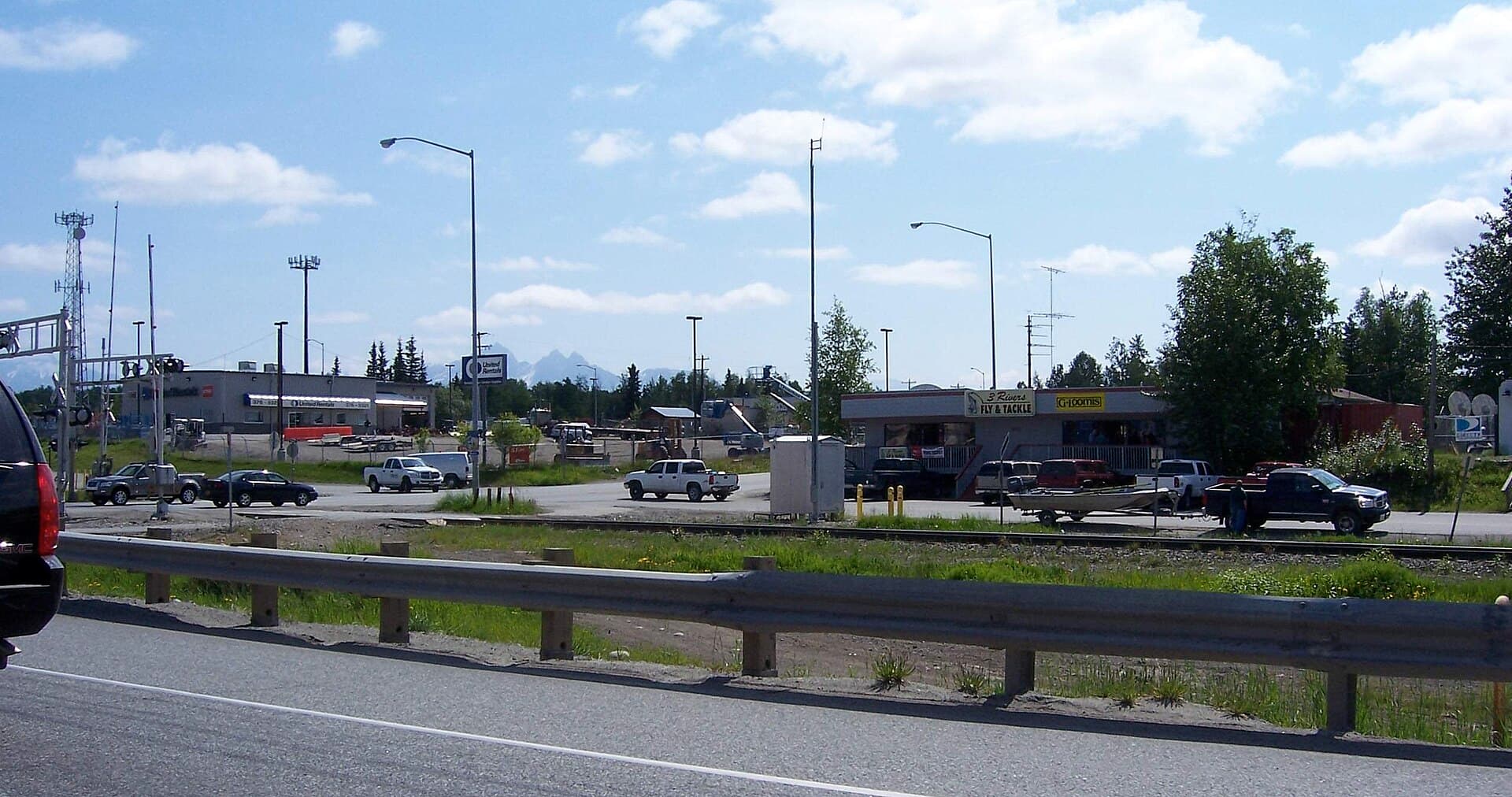 Justin Morgan / CC BY-SA 2.0, via Wikimedia Commons
Tour de audio autoguiado de Wasilla — ruta GPS a pie, reproducción offline, narración en 32 idiomas.
“Donde el espíritu de la Última Gran Carrera se encuentra con el corazón salvaje de Alaska.”
No las postales. Las historias que ni los locales conocen — al oído, justo donde ocurrieron.
Antes de que Wasilla se convirtiera en un pueblo, sirvió como encrucijada para un tipo diferente de auge en Alaska.
El edificio que alberga el primer museo de Wasilla alguna vez sirvió para un propósito comunitario muy diferente.
Una casa histórica de Wasilla se utilizó principalmente para una comodidad sorprendentemente moderna.
Descubre todos los secretos de Wasilla
Cada dirección, cada revelación al completo — a tu oído, justo donde ocurrió.
Eliges tus paradas. Caminas. La voz te revela lo que los demás ignoran.


Tu tour de audioguía por Wasilla te espera — elige tus lugares, tu idioma y empieza al llegar.
ComprarWasilla, Alaska, se encuentra en el corazón del Valle de Matanuska-Susitna, una región definida por sus grandes paisajes y un espíritu de independencia robusta. Aproximadamente 40 millas al norte de Anchorage, esta ciudad sirve como un centro vital, uniendo las comodidades de la vida moderna con el acceso inmediato a la vasta naturaleza de Alaska. Flanqueada por las montañas Chugach y Talkeetna y acunada entre el lago Wasilla y el lago Lucille, la zona ofrece una convincente mezcla de aventura al aire libre y encanto comunitario.
Conocida mundialmente como la sede de la icónica Carrera de Trineos Tirados por Perros Iditarod Trail, Wasilla encarna el legado perdurable del mushing y el espíritu pionero de Alaska. Más allá de su conexión con la 'Última Gran Carrera', Wasilla es una puerta de entrada a caminatas alpinas, exploraciones de glaciares y una próspera cultura local que conserva con orgullo sus raíces Dena'ina Athabascan y su historia de la fiebre del oro. Es un lugar donde la naturaleza salvaje siempre está al alcance, y cada estación trae una nueva forma de experimentar la frontera de Alaska.
## Desde las tierras Dena'ina hasta el centro ferroviario Mucho antes de la llegada de los colonos europeos, las tierras alrededor de la actual Wasilla fueron el hogar del pueblo Dena'ina Athabascan, quienes llamaron a la zona 'Benteh', que significa 'entre los lagos'. Su estilo de vida de subsistencia, profundamente conectado con los abundantes recursos de la tierra y las vías fluviales, moldeó la región durante miles de años. La ciudad misma toma su nombre de un respetado jefe Dena'ina Athabascan, el Jefe Wasilla.
La historia moderna de Wasilla comenzó a tomar forma a finales del siglo XIX y principios del XX con el descubrimiento de oro en Alaska. El asentamiento cercano de Knik, ubicado al final de la actual Goose Bay Road, surgió como la primera ciudad en auge de Alaska, sirviendo como un centro vital de comercio y suministro para tramperos y mineros. Sin embargo, la prominencia de Knik fue desafiada con la construcción del Ferrocarril de Alaska. En 1917, la intersección del ferrocarril con el Carle Wagon Trail —la principal ruta de suministro para el Distrito Minero de Willow Creek— marcó la fundación oficial de Wasilla a través de una subasta de tierras del gobierno. Esta ubicación estratégica llevó rápidamente a Wasilla a eclipsar a Knik, con muchos residentes y negocios reubicándose en la nueva ciudad ferroviaria.
## Fiebre del oro y desarrollo agrícola Desde su fundación, Wasilla prosperó como la autoproclamada 'Puerta de entrada al Distrito Minero de Willow Creek', un área altamente activa que produjo casi 18 millones de dólares en oro entre 1917 y 1940. La década de 1930 trajo otro capítulo significativo con el Proyecto de la Colonia Matanuska del gobierno federal durante la Gran Depresión. Esta iniciativa trajo una afluencia de colonos del Medio Oeste a los valles de Matanuska y Susitna para el desarrollo agrícola, impulsando aún más el crecimiento de Wasilla.
## Crecimiento moderno y el legado de Iditarod Durante muchos años, Wasilla siguió siendo un pueblo más pequeño, sirviendo a los agricultores y mineros locales. Sin embargo, la construcción de la George Parks Highway a principios de la década de 1970 transformó drásticamente la ciudad. Esta nueva carretera conectó Wasilla directamente con Anchorage y Fairbanks, convirtiéndola en un importante centro comercial y un área residencial de rápido crecimiento para los viajeros. Wasilla se incorporó oficialmente como ciudad en 1974.
Hoy en día, Wasilla es quizás más famosa como la sede de la Carrera de Trineos Tirados por Perros Iditarod Trail. Si bien el inicio ceremonial de la carrera es en Anchorage, y el reinicio oficial se trasladó a Willow en 2003 debido a la urbanización y las condiciones de la nieve, Wasilla sigue profundamente conectada con el espíritu de este legendario evento. La historia de la ciudad se conserva activamente a través de instituciones como el Museo Dorothy Page y el Museo de Transporte e Industria de Alaska, que muestran las diversas fuerzas que dieron forma a esta singular comunidad de Alaska.
Wasilla ofrece una mezcla de conocimientos históricos y aventuras al aire libre. Comience su exploración en la Sede de la Carrera de Trineos Tirados por Perros Iditarod Trail, donde podrá sumergirse en la historia de 'La Última Gran Carrera en la Tierra'. Explore exhibiciones, vea películas e incluso conozca perros de trineo reales, con paseos en carro disponibles en verano.
Para profundizar en el ingenio de Alaska, visite el Museo de Transporte e Industria de Alaska. Este extenso museo exhibe aviones, trenes, automóviles y equipos industriales antiguos que desempeñaron un papel crucial en el desarrollo de Alaska. Cerca de allí, el Museo Dorothy Page conserva la historia local de Wasilla, con artefactos de los primeros pioneros y exhibiciones sobre la minería de oro y el establecimiento de granjas.
Los entusiastas del aire libre encontrarán mucho que hacer. Wasilla es una puerta de entrada a Hatcher Pass, que ofrece tundra alpina, rutas de senderismo y los edificios conservados del Parque Histórico Estatal Independence Mine, una antigua operación minera de oro. El Glaciar Matanuska, el glaciar más grande accesible por carretera en los EE. UU., está a aproximadamente una hora y media en coche hacia el este, y ofrece una caminata guiada desafiante pero gratificante. Para una experiencia más accesible, el Lago Wasilla y el Lago Lucille ofrecen oportunidades para practicar kayak, remo y pesca. No se pierda la Granja de Renos en la cercana Palmer, donde podrá interactuar con renos, alces, bisontes e incluso un alce.
La mejor época para visitar Wasilla para actividades de clima cálido es desde finales de junio hasta principios de agosto. Durante estos meses, las temperaturas promedio oscilan entre 15-21 °C (60-70 °F), y experimentará casi 19 horas de luz diurna, perfecto para hacer senderismo, pescar y explorar. Las temporadas intermedias de mayo y septiembre también ofrecen buen clima, menos multitudes y excelentes oportunidades para observar la vida silvestre, con el beneficio adicional de posibles avistamientos de auroras boreales a medida que las noches se oscurecen a finales de agosto y septiembre. El invierno, de diciembre a marzo, transforma Wasilla en un paraíso nevado ideal para los deportes de nieve y maximizar sus posibilidades de presenciar la aurora boreal.
Wasilla se encuentra aproximadamente a 40-45 minutos en coche al norte de Anchorage a través de la George Parks Highway. Si bien Wasilla no tiene su propio aeropuerto principal, el Aeropuerto Internacional de Anchorage (ANC) es la opción más cercana, a unas 34 millas de distancia, con vuelos regulares de varias aerolíneas. Una vez en Wasilla, se recomienda encarecidamente alquilar un coche para explorar el amplio Valle de Mat-Su y sus atracciones. Hay servicios de autobús público y compañías de taxis disponibles dentro de la ciudad. Las opciones de alojamiento varían desde hoteles y posadas hasta bed and breakfasts y cabañas, con parques para caravanas y campings también disponibles. La ciudad tiene una variedad de opciones gastronómicas, que incluyen comida local de Alaska, fusión tailandesa y cervecerías. Recuerde que se requiere una licencia comercial de la Ciudad de Wasilla para todas las empresas que operan o prestan servicios dentro de los límites de la ciudad, y se cobra impuesto sobre las ventas a todos los pagadores a menos que se proporcione una exención específica.
Wasilla en coreano, en chino o en hebreo — y 29 idiomas más, cada parada narrada por una voz nativa. La mayor variedad de idiomas de cualquier audioguía autoguiada.
Disponible en: